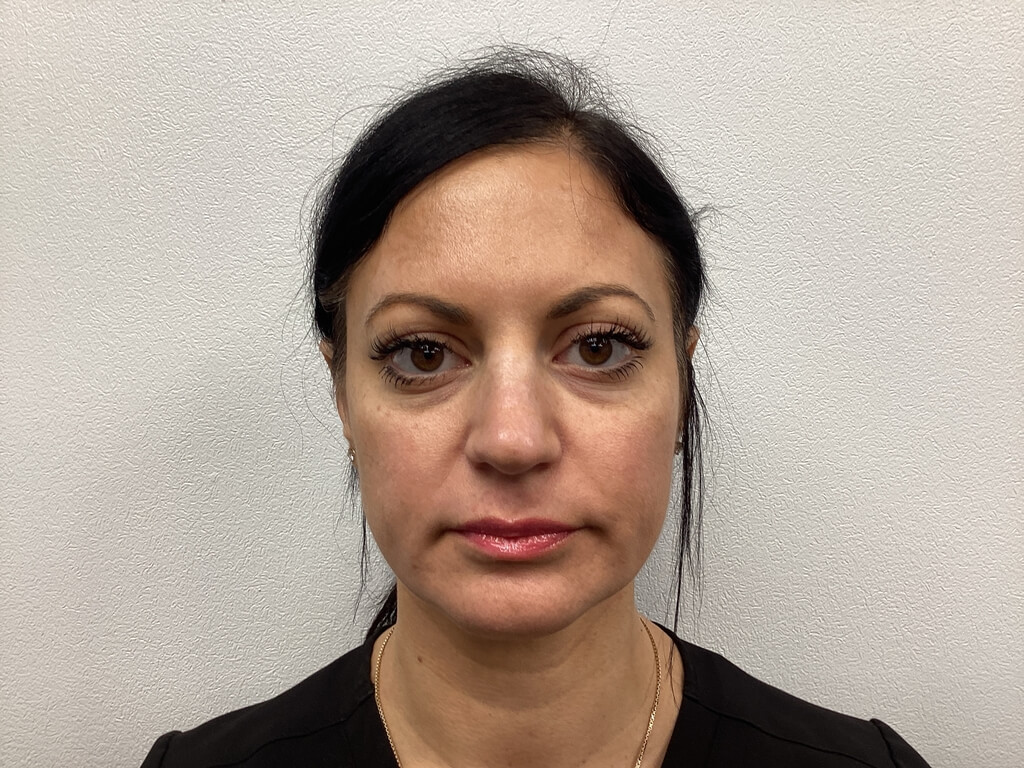
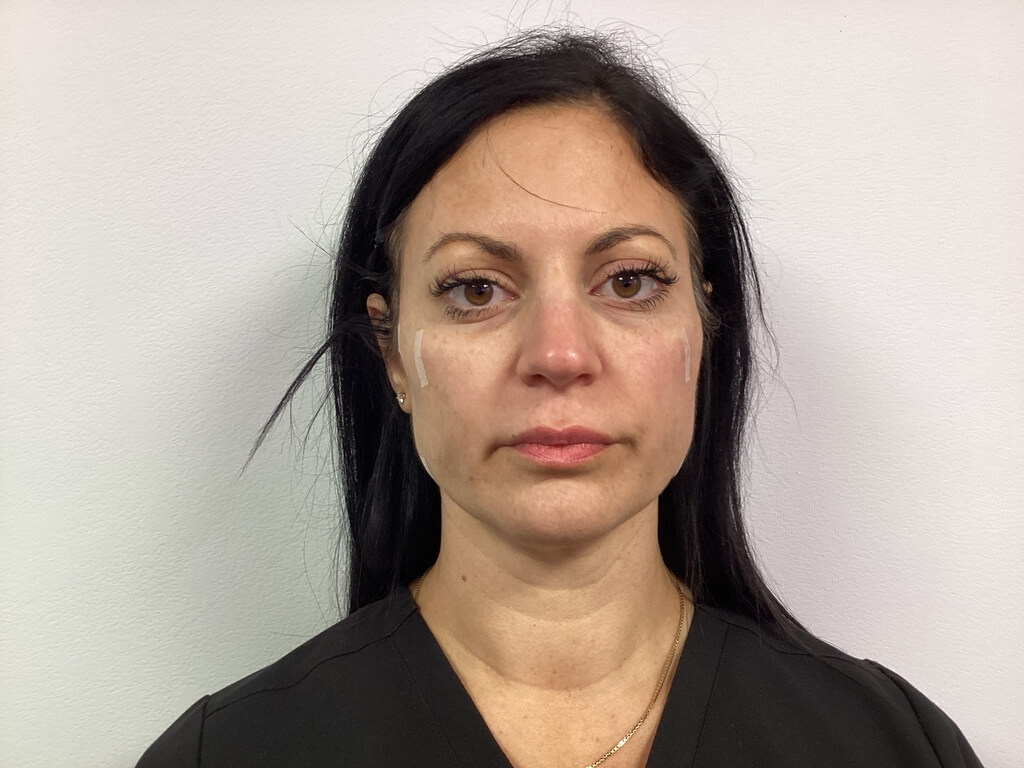
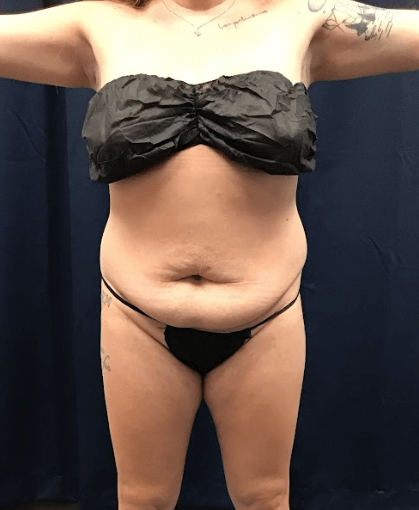
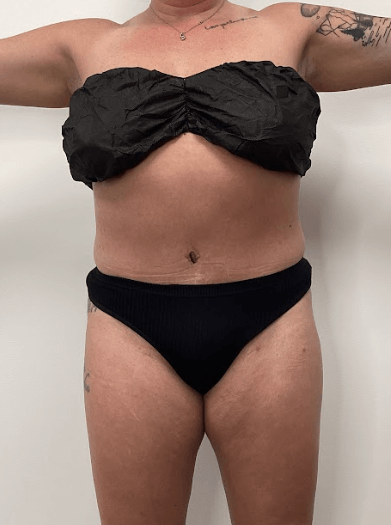
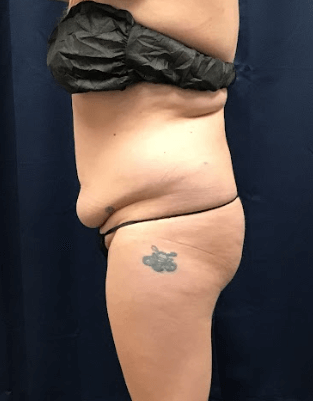
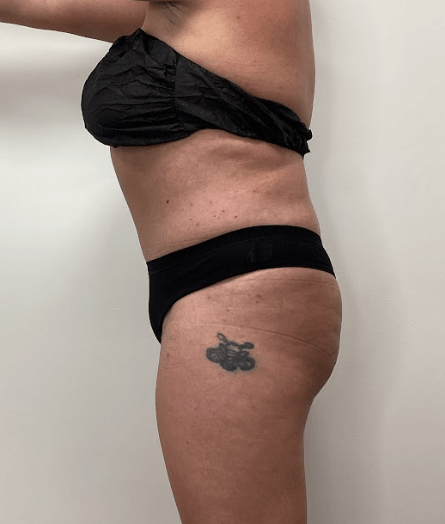
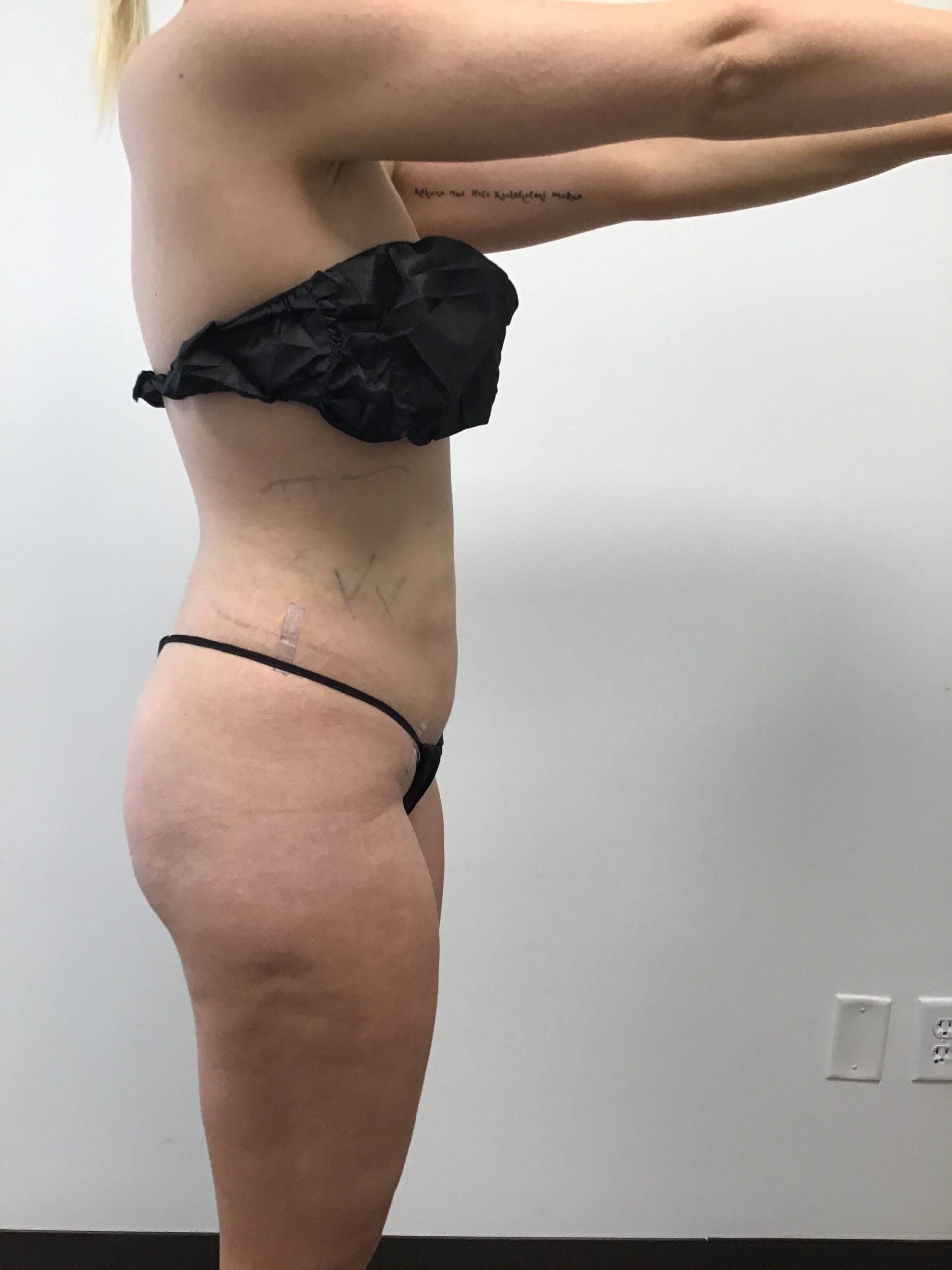
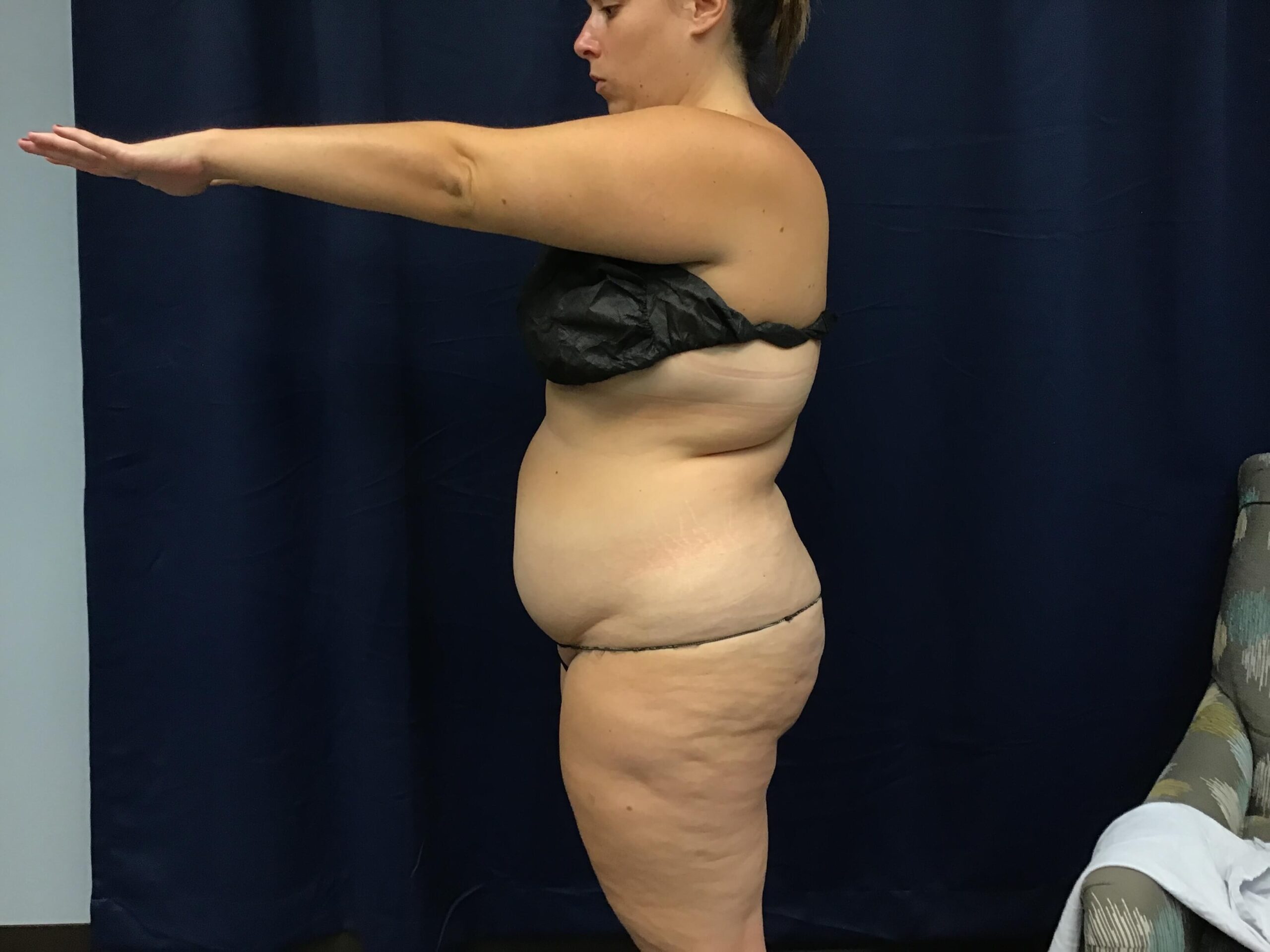
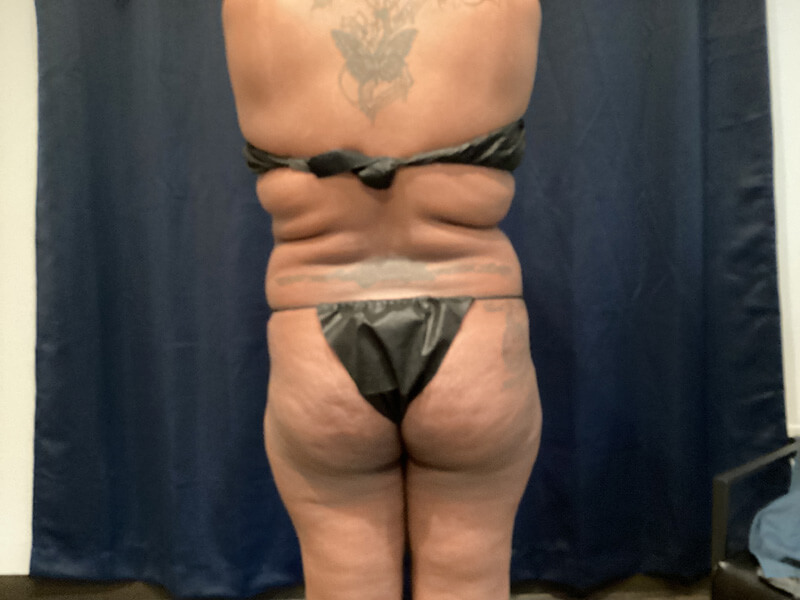
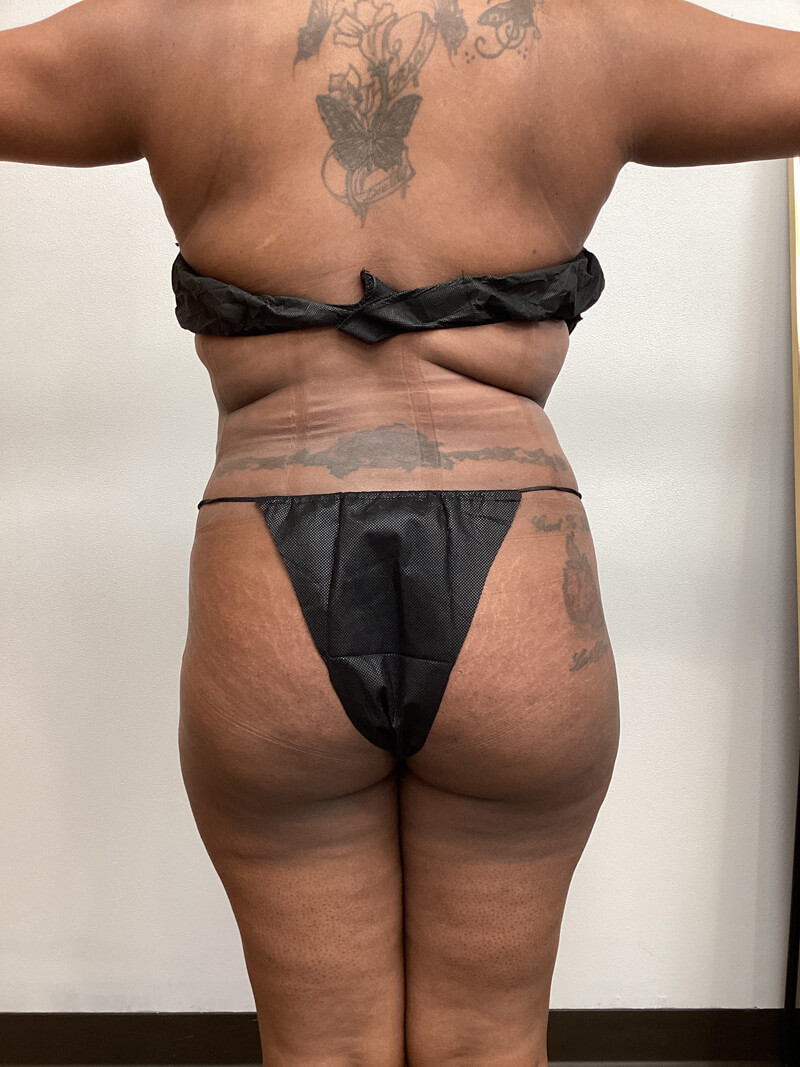
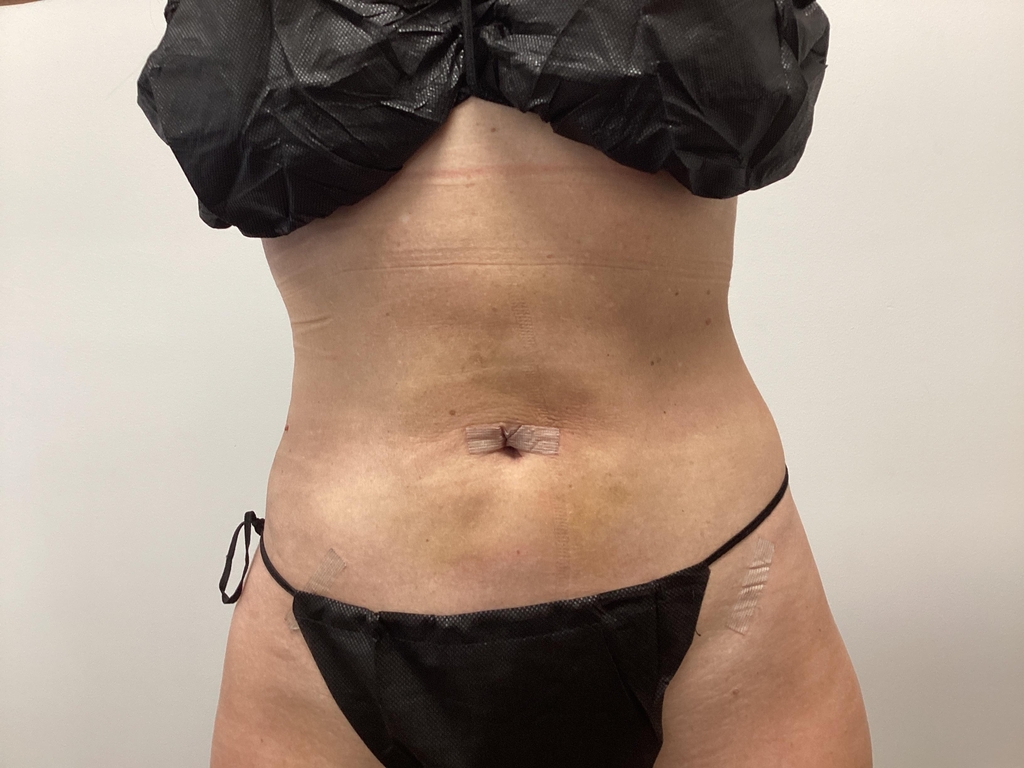
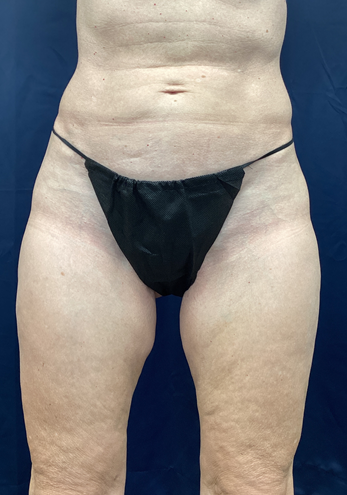
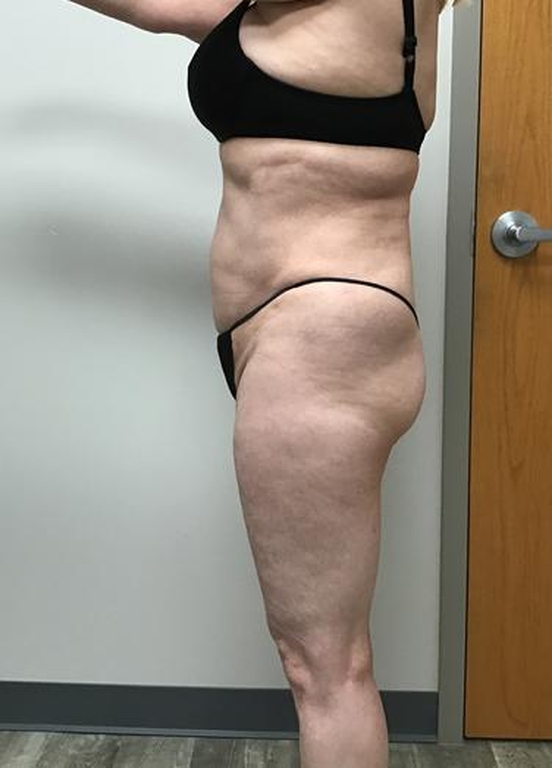
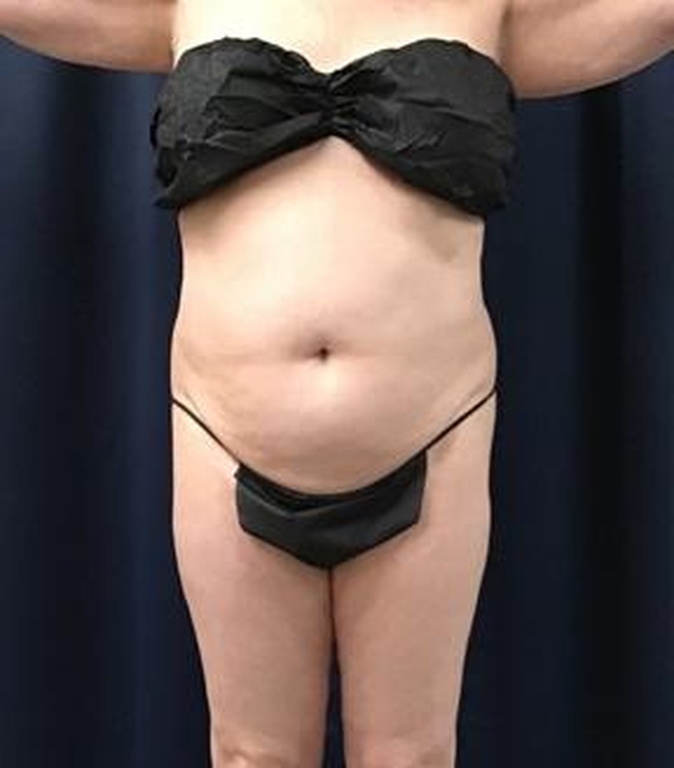
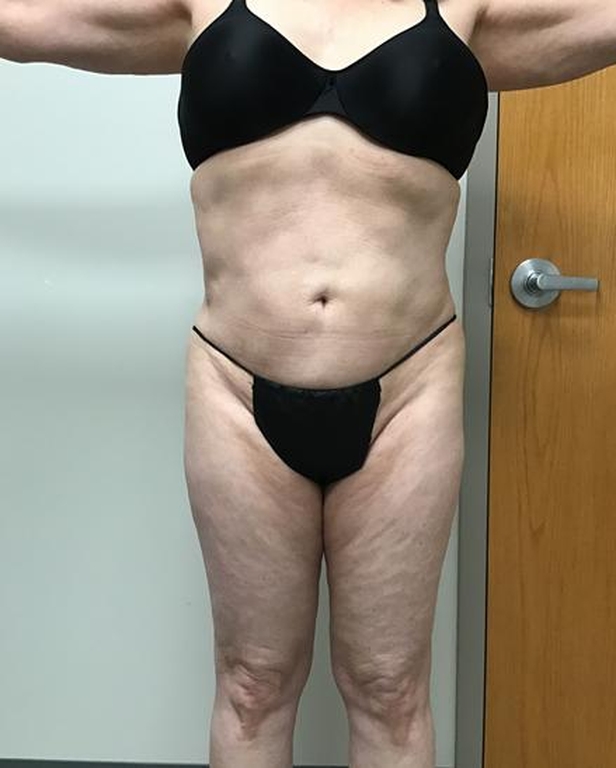
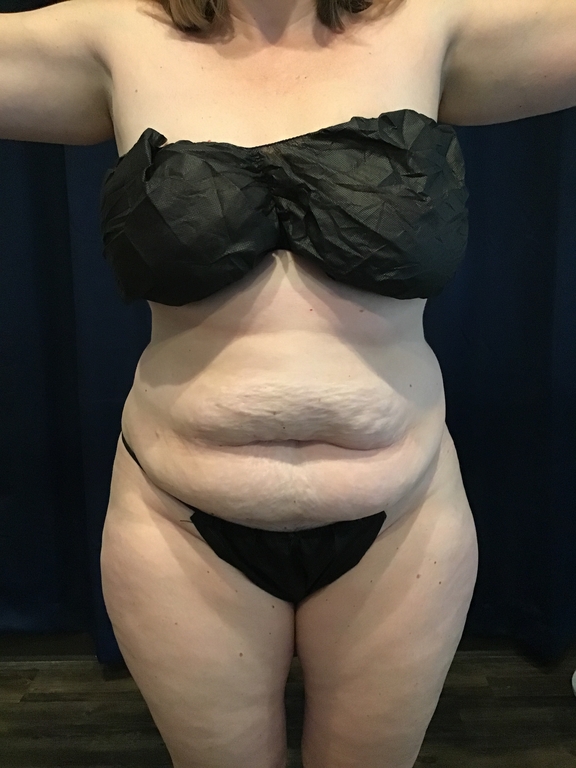
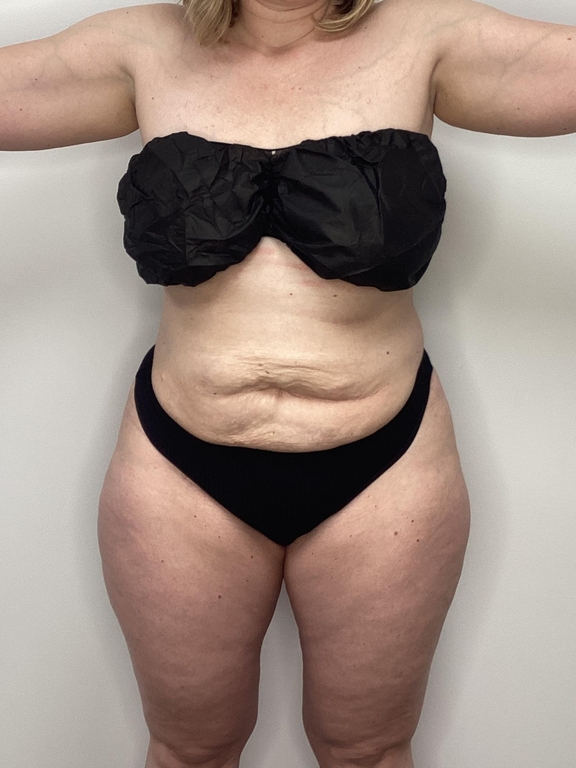
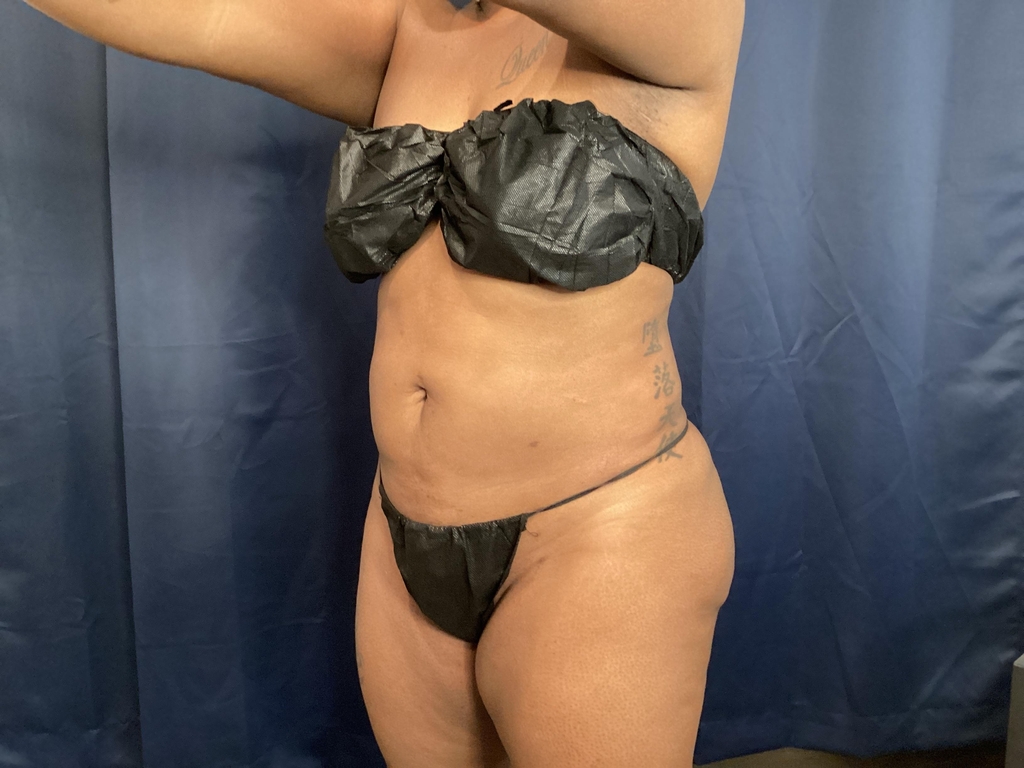
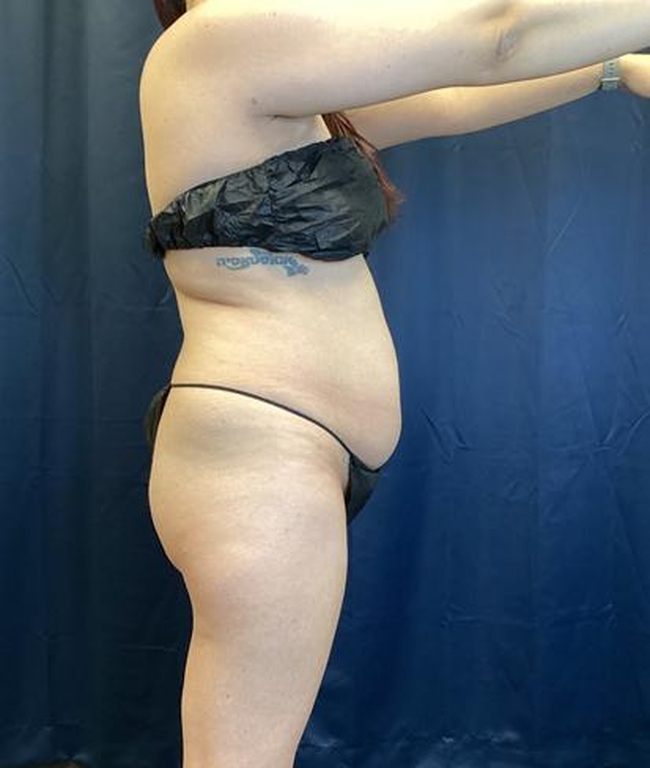
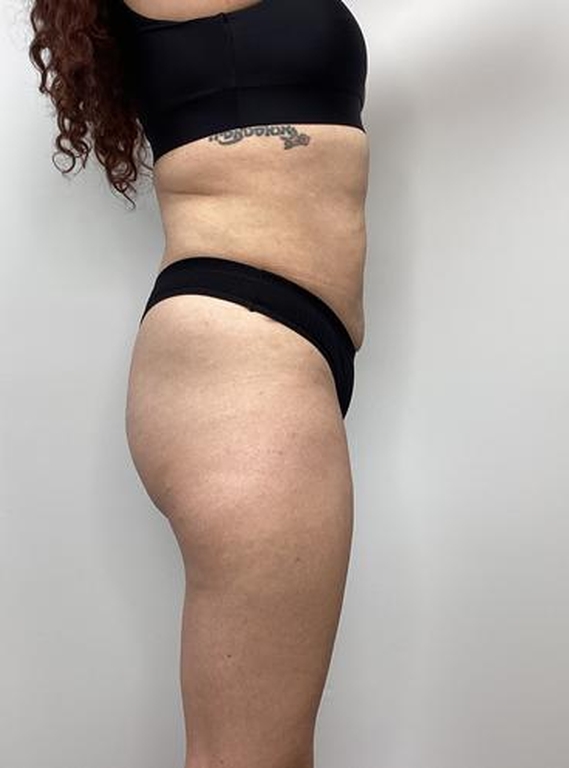
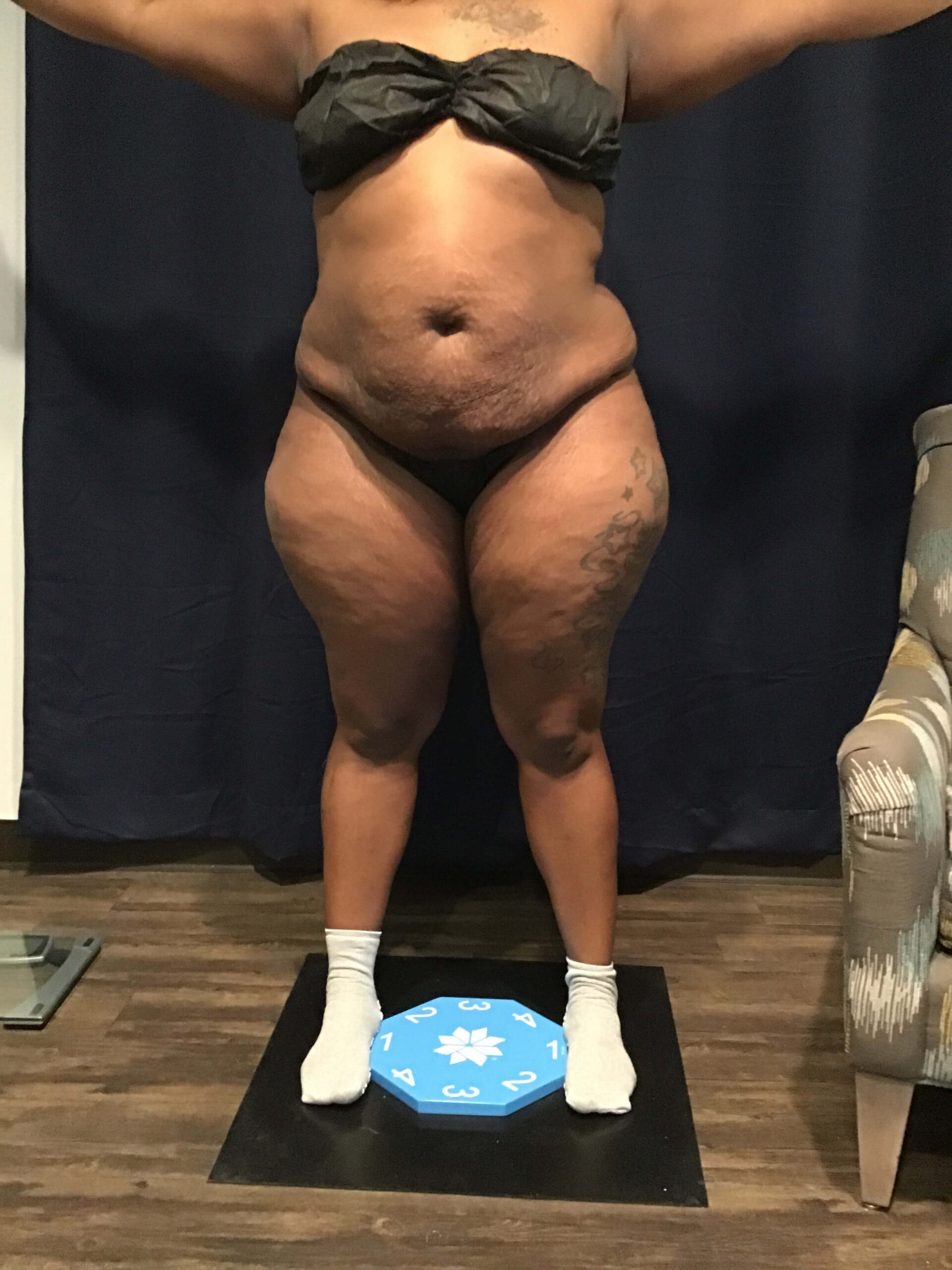
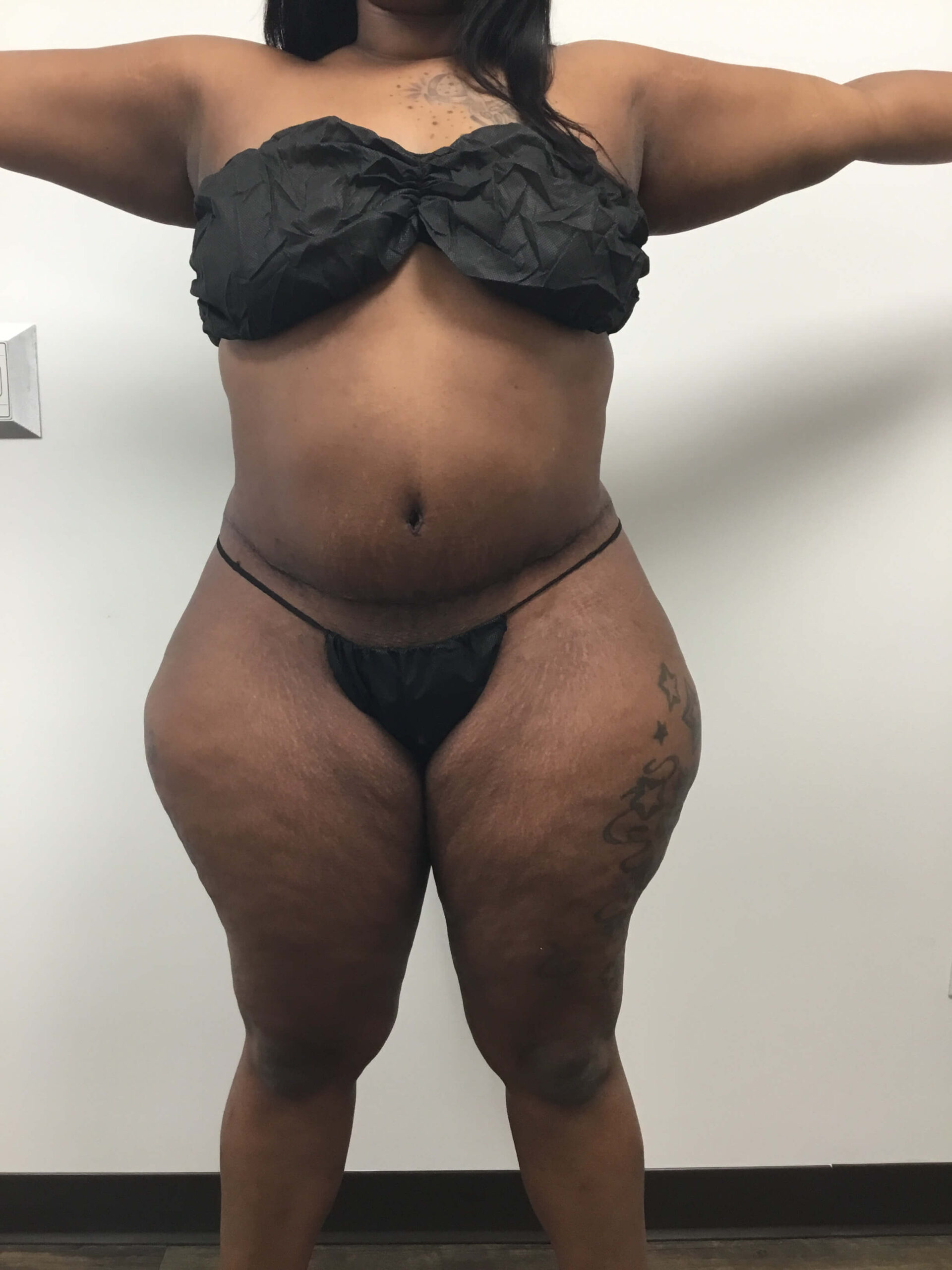
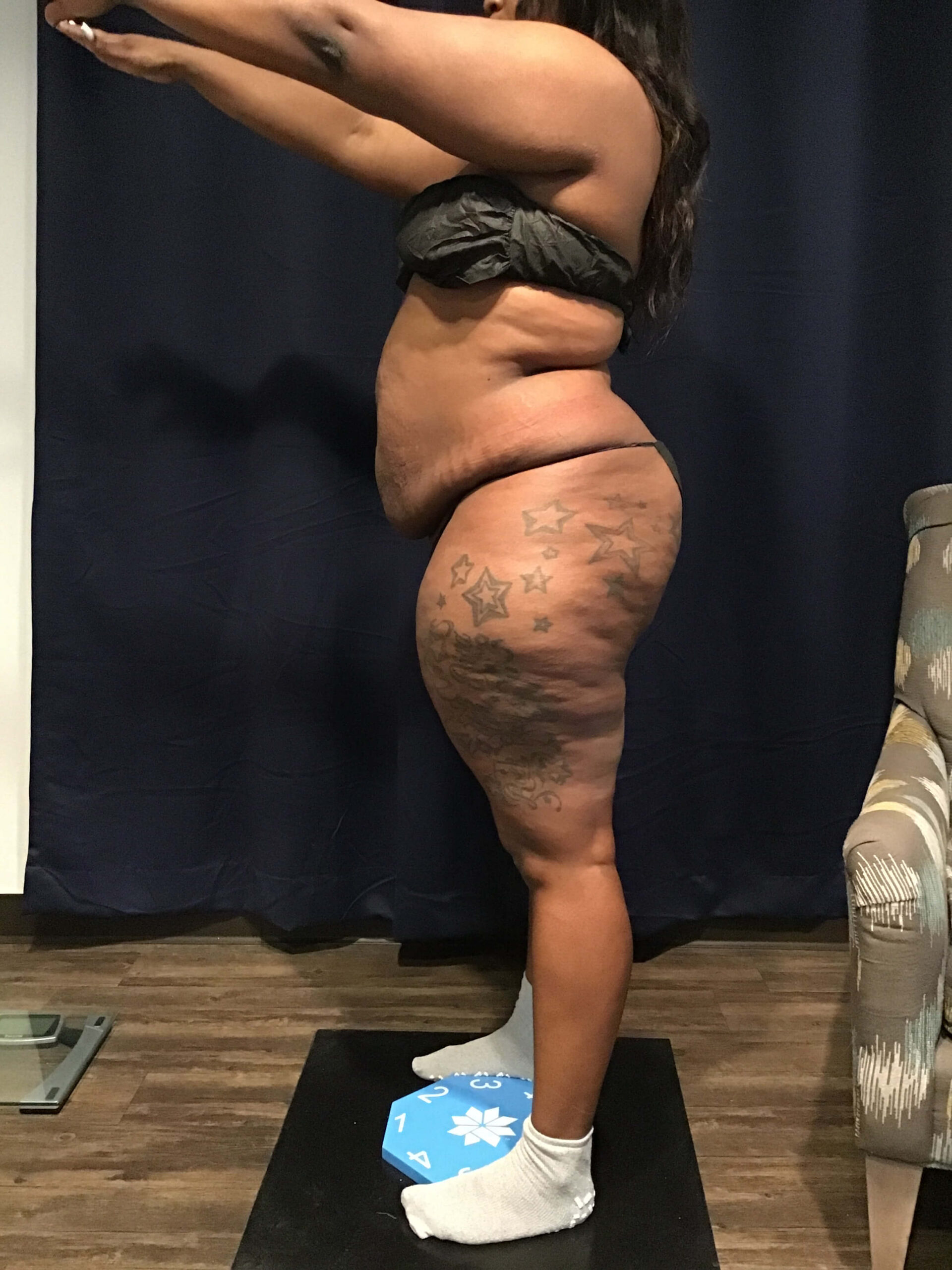
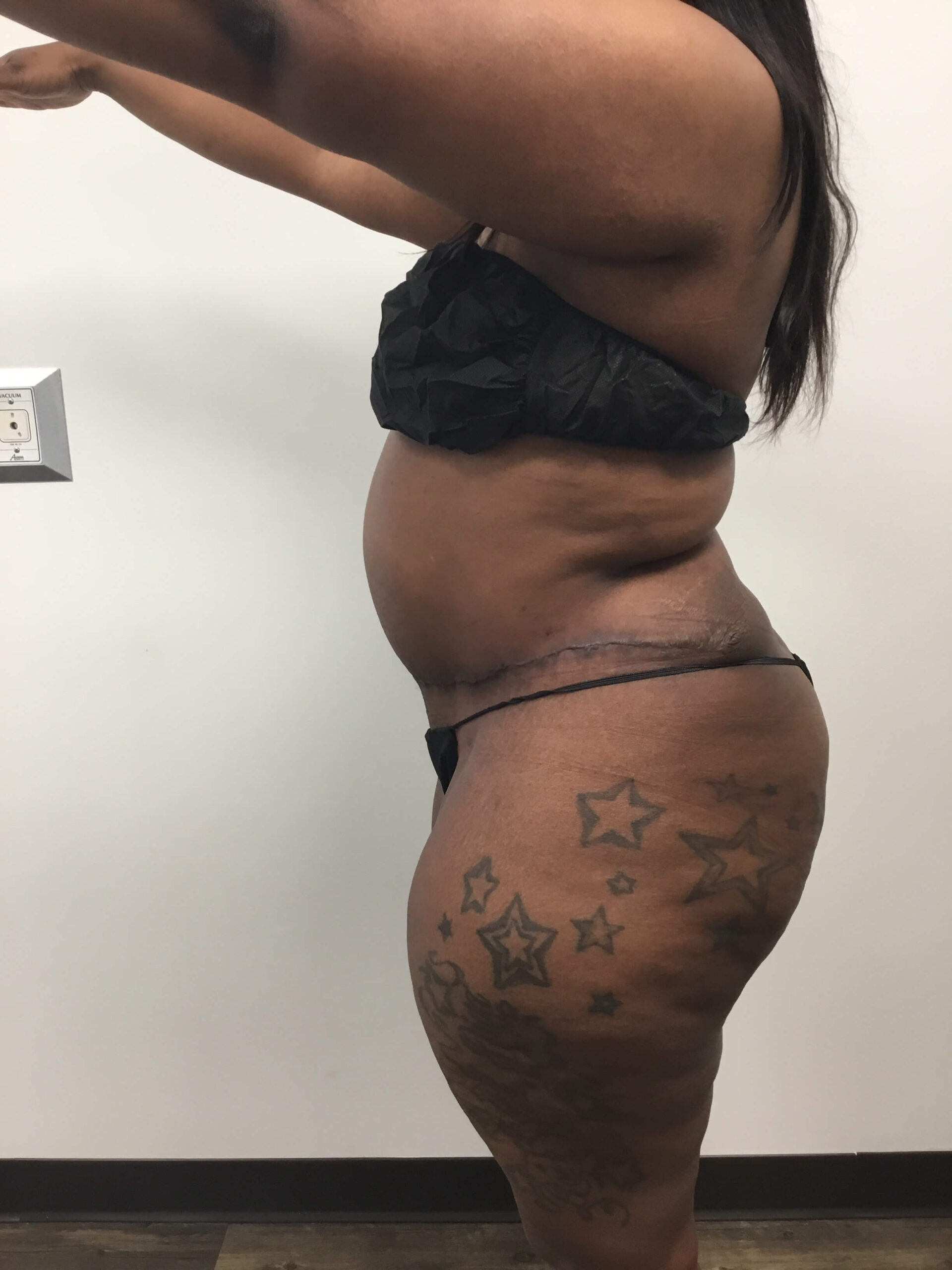
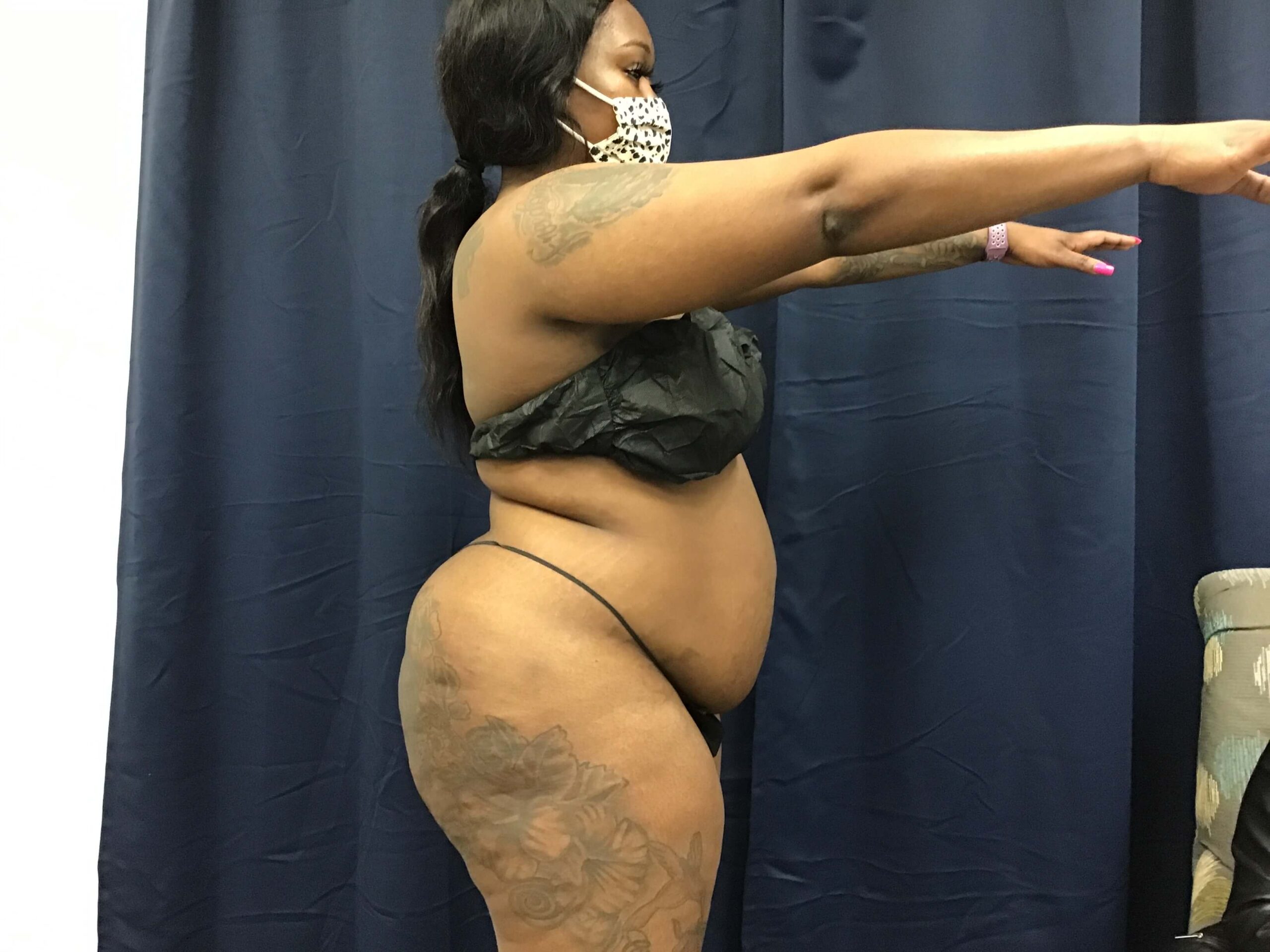
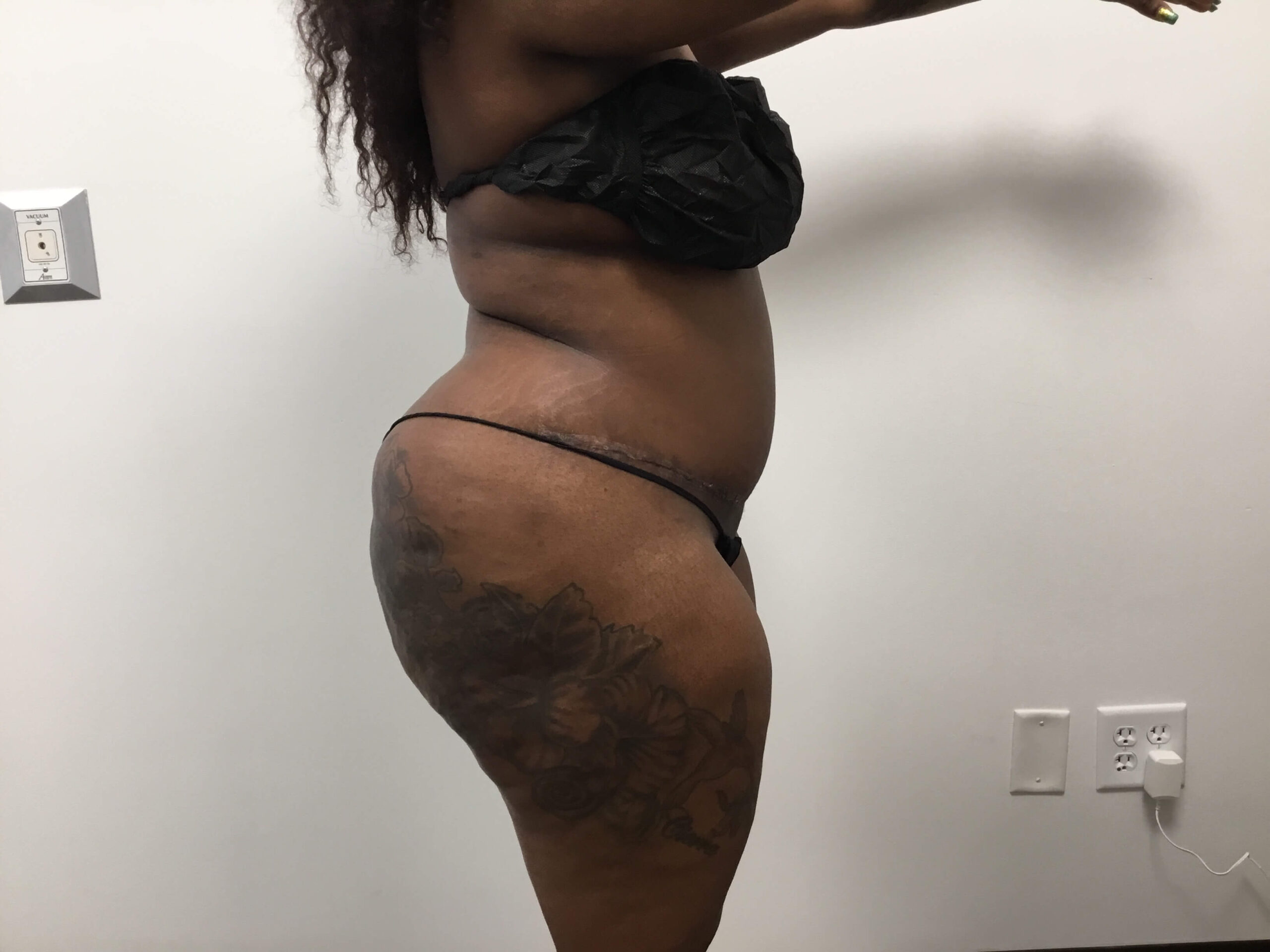
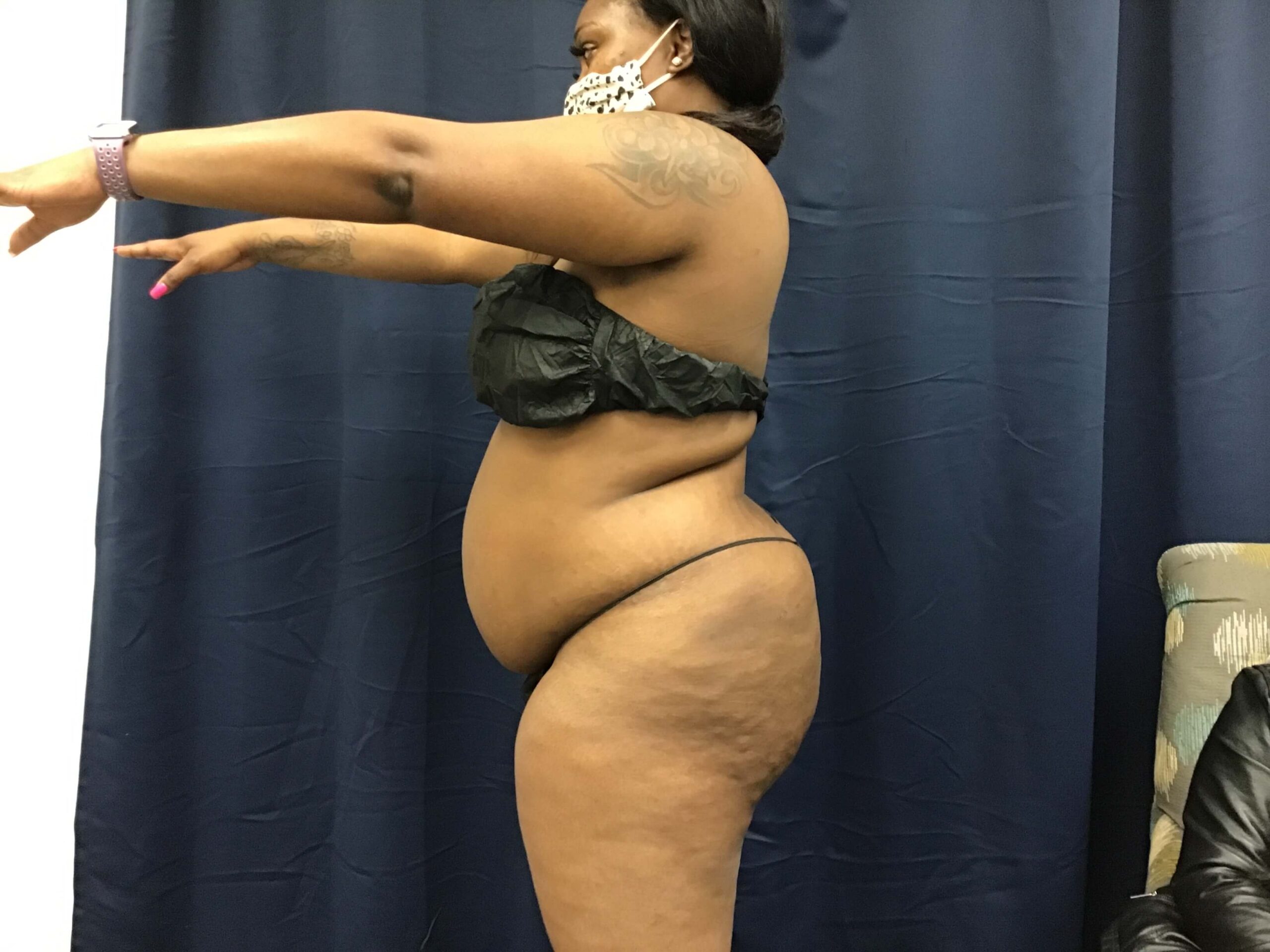
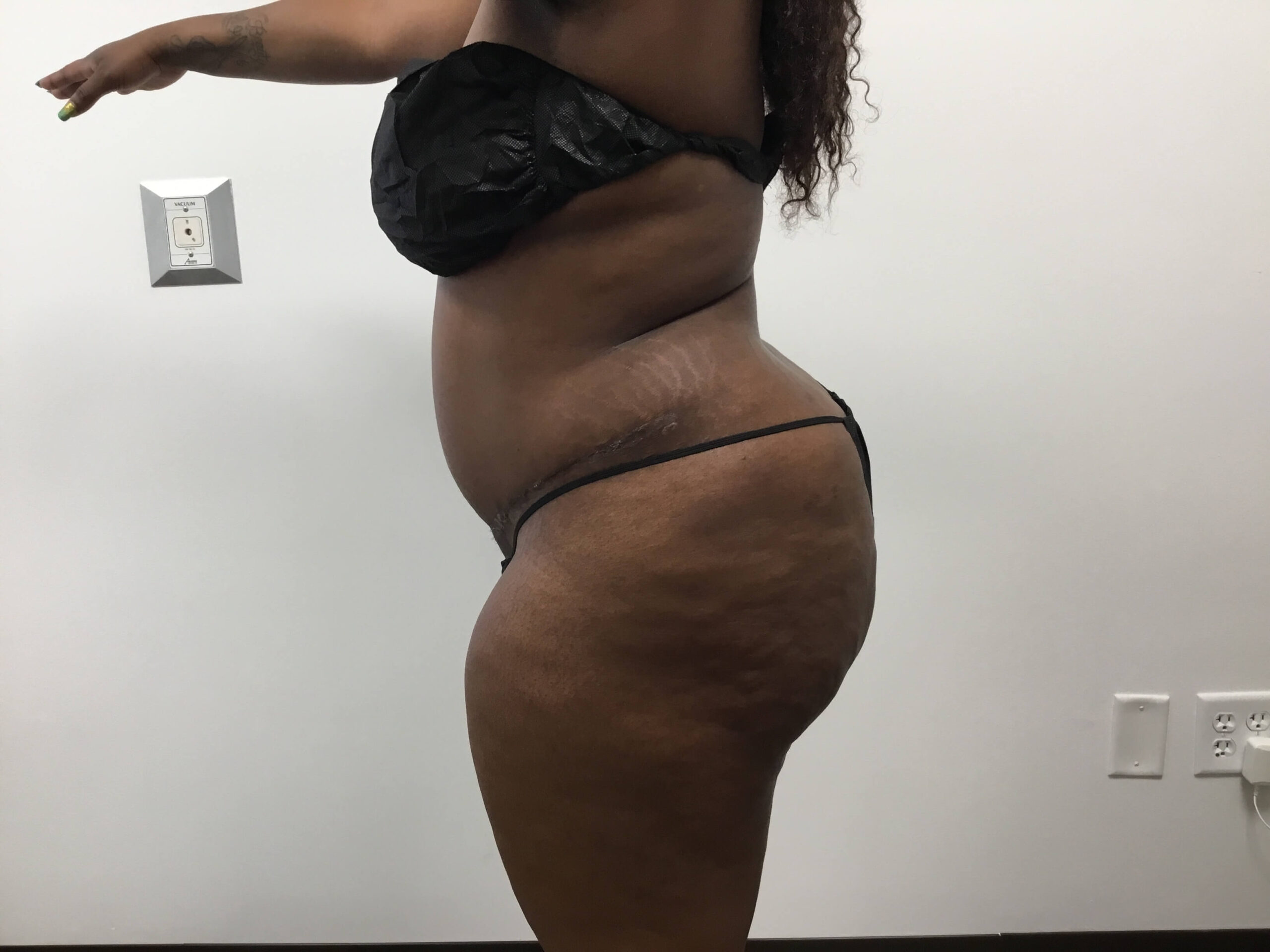
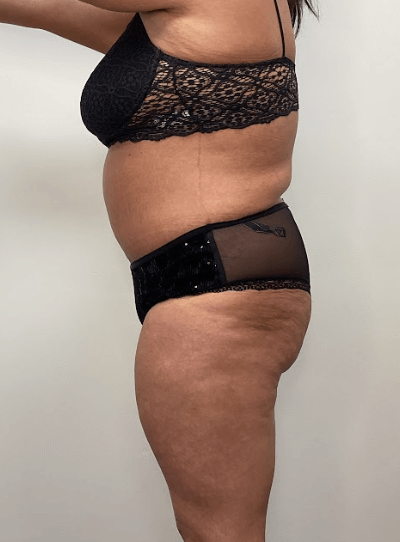
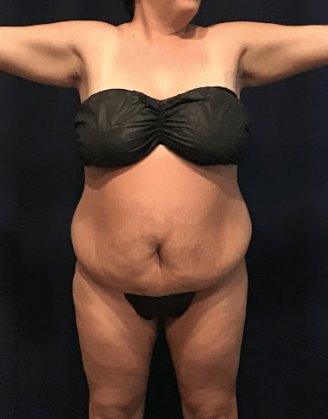
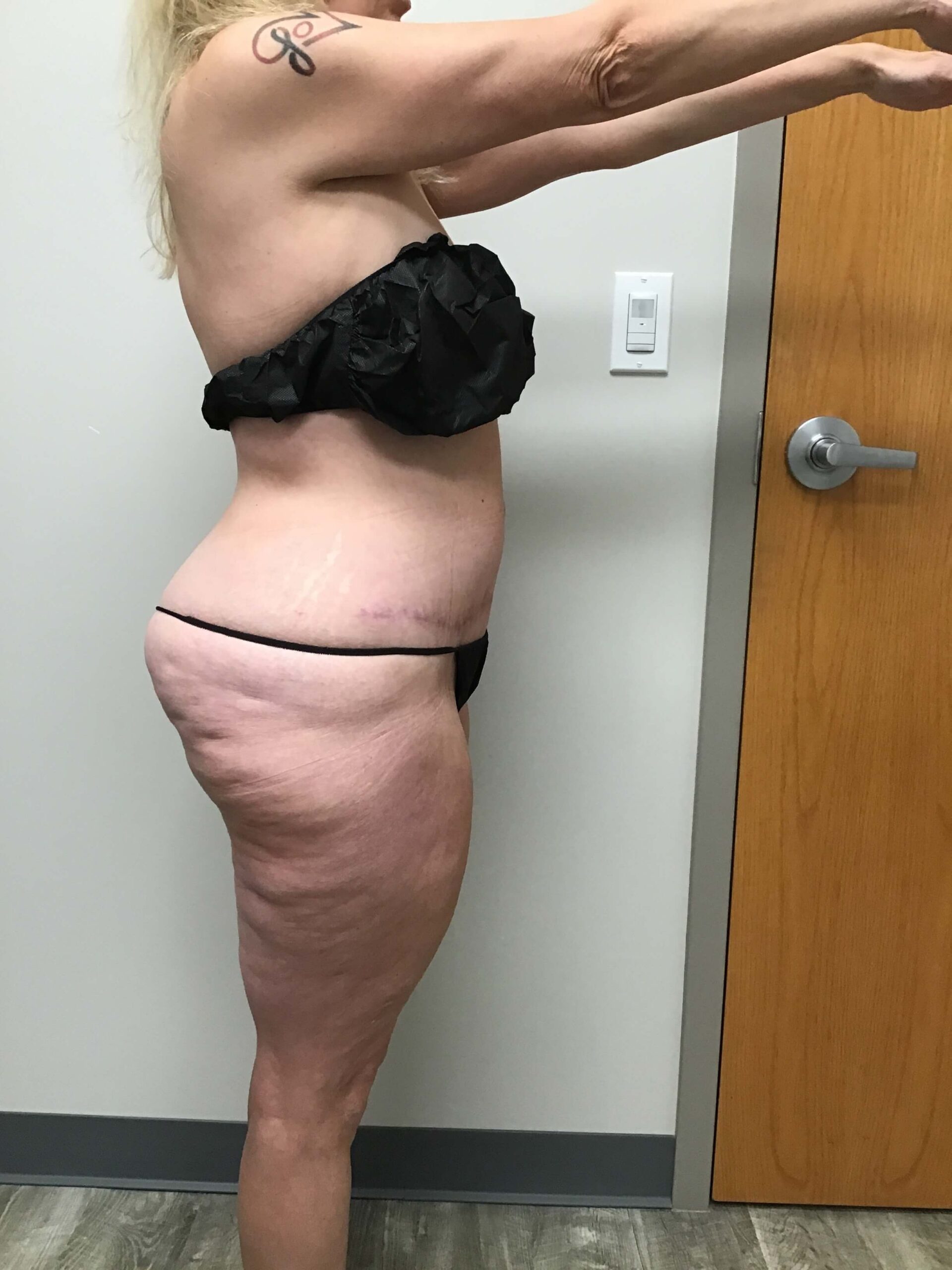
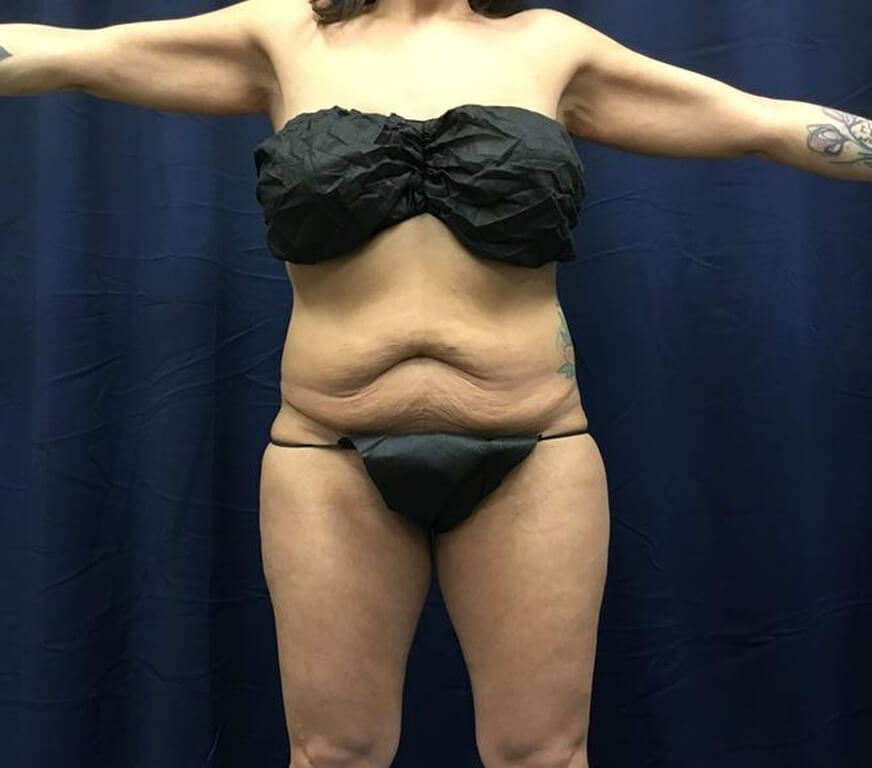
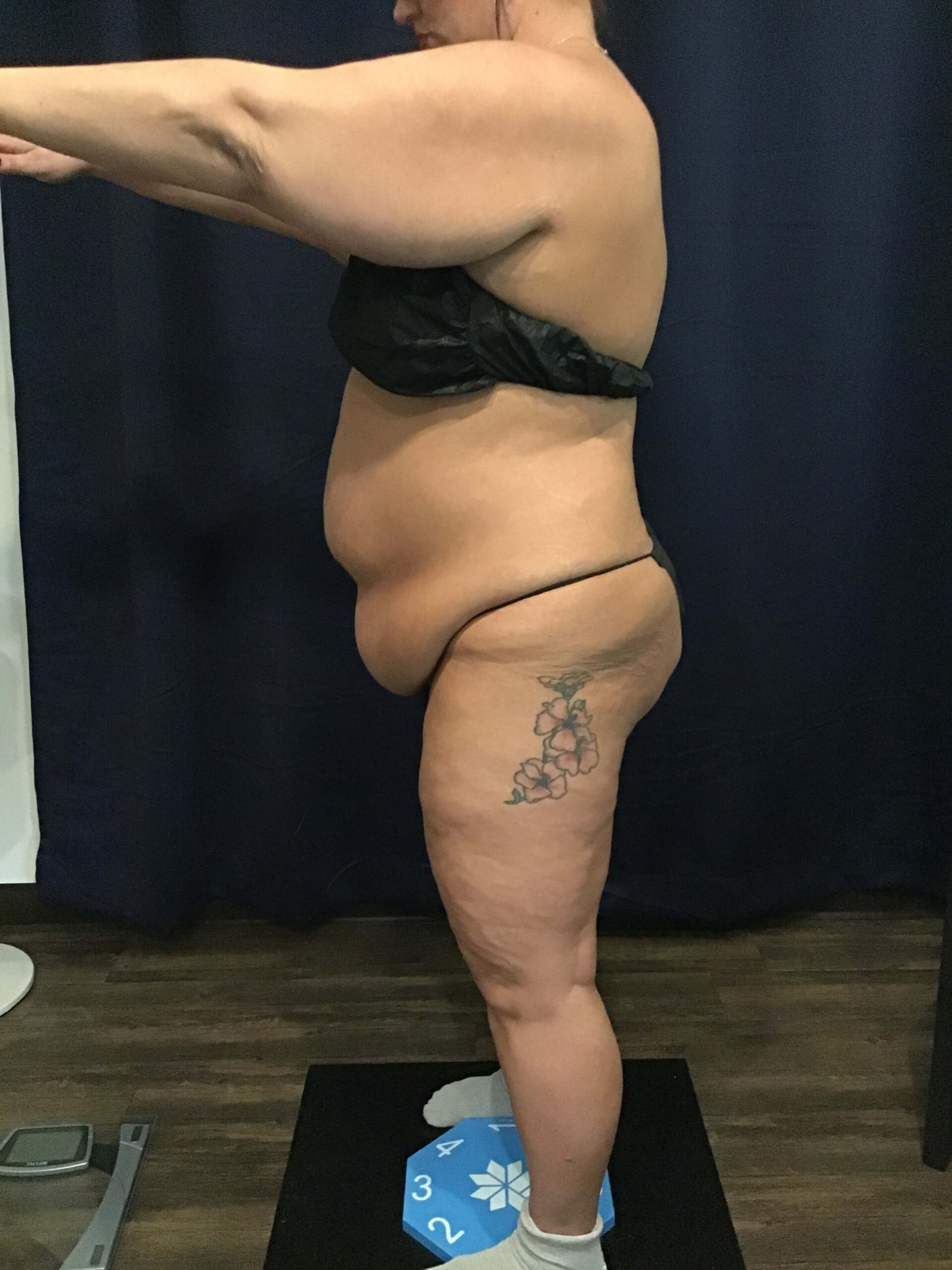
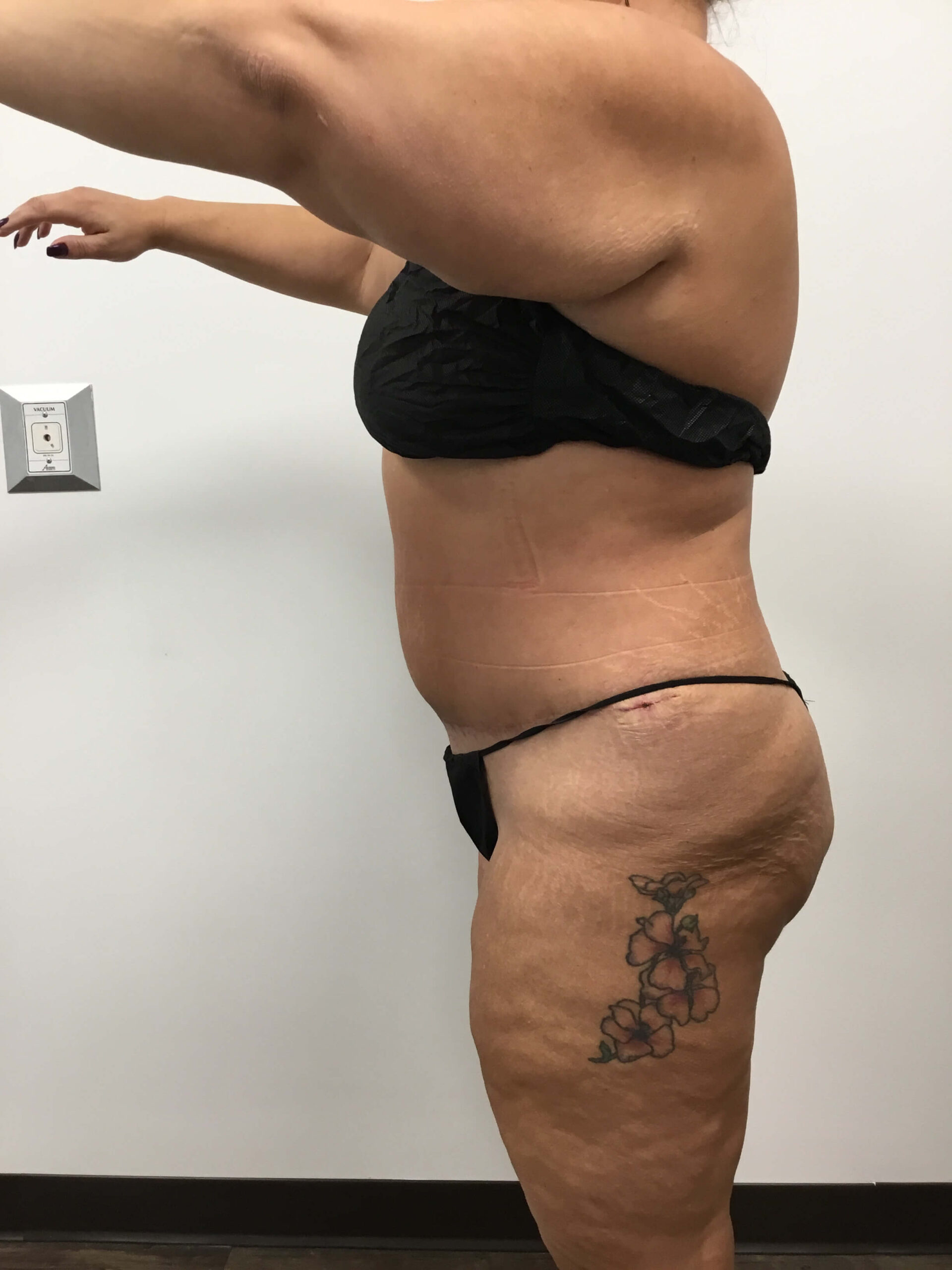
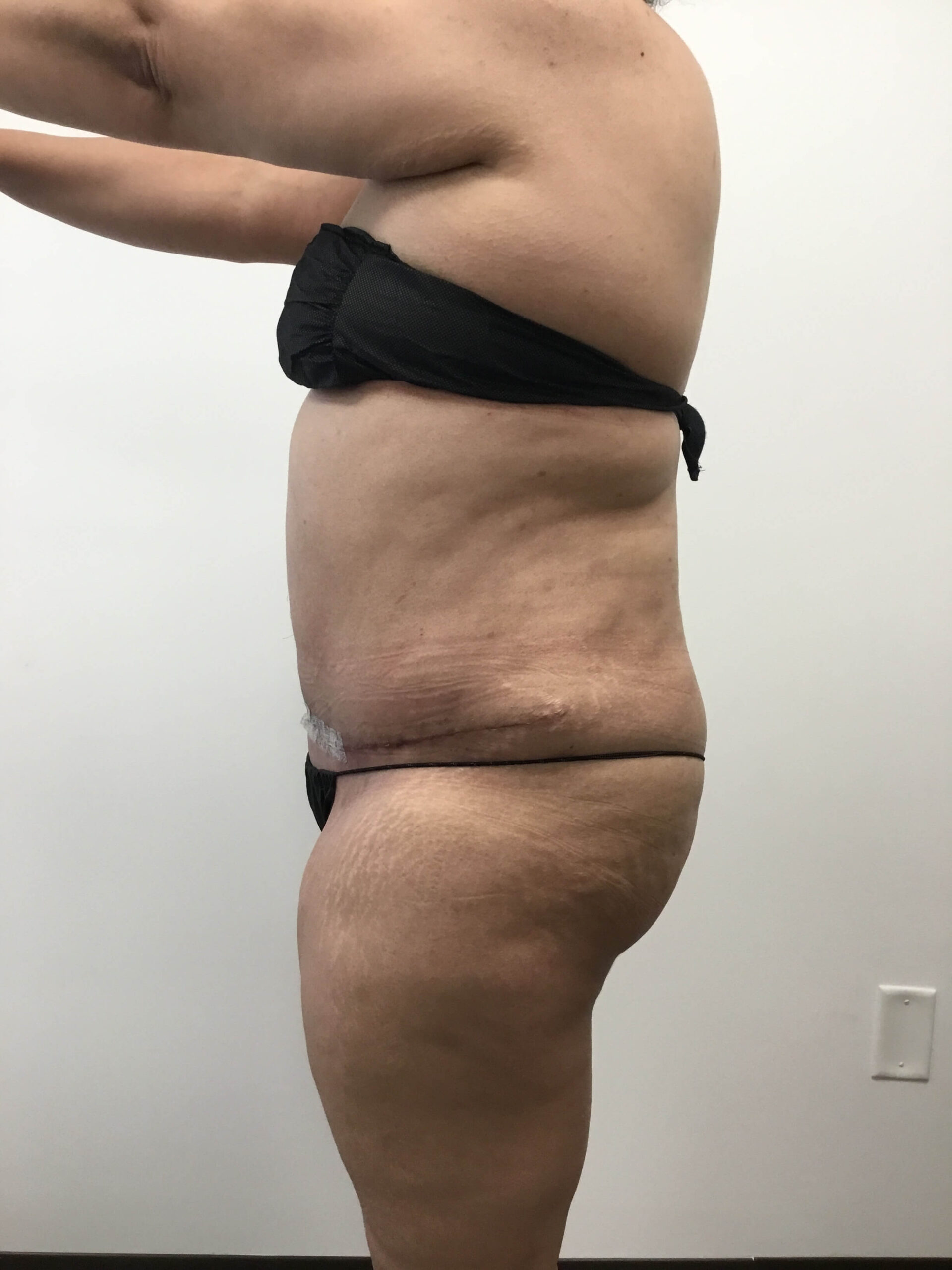
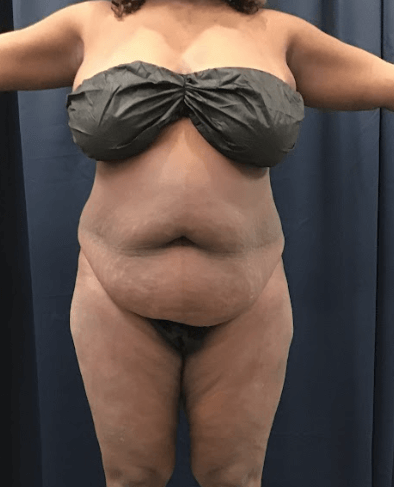
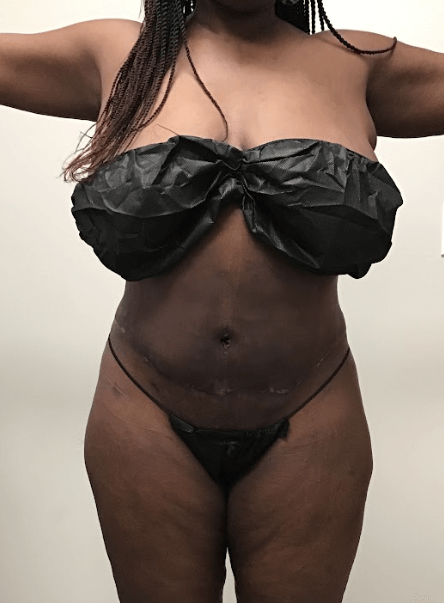
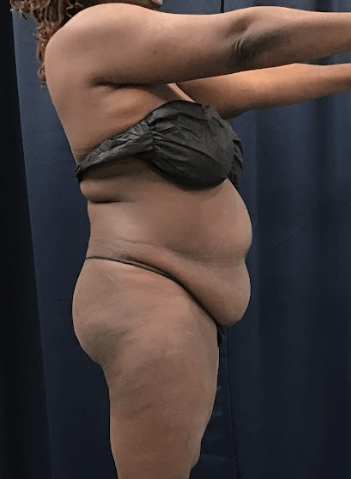
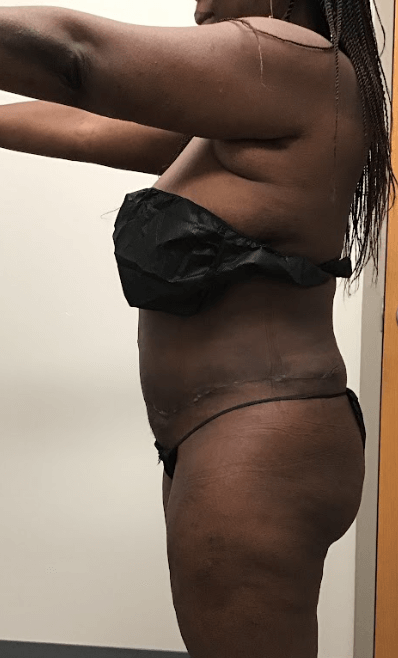
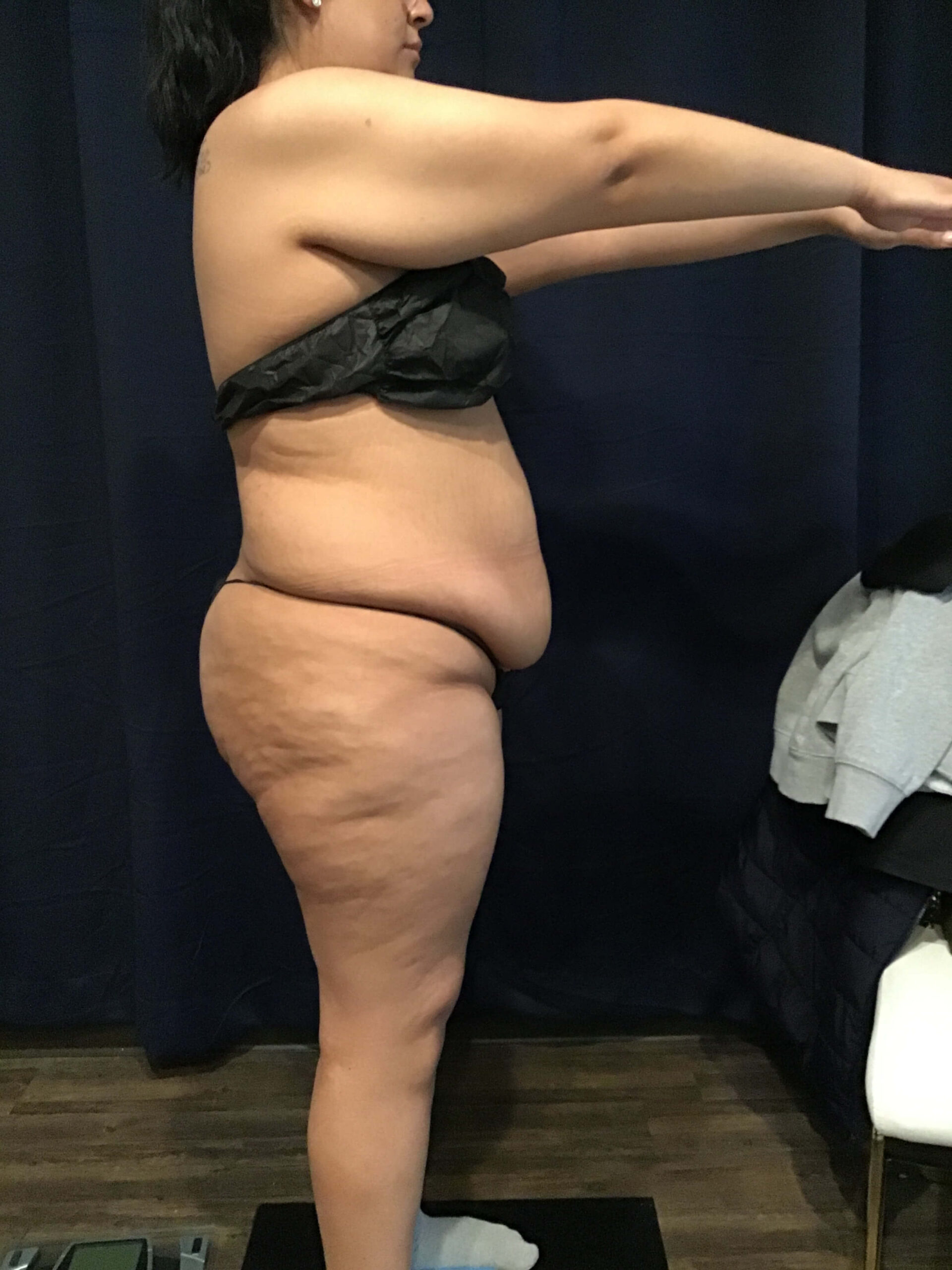
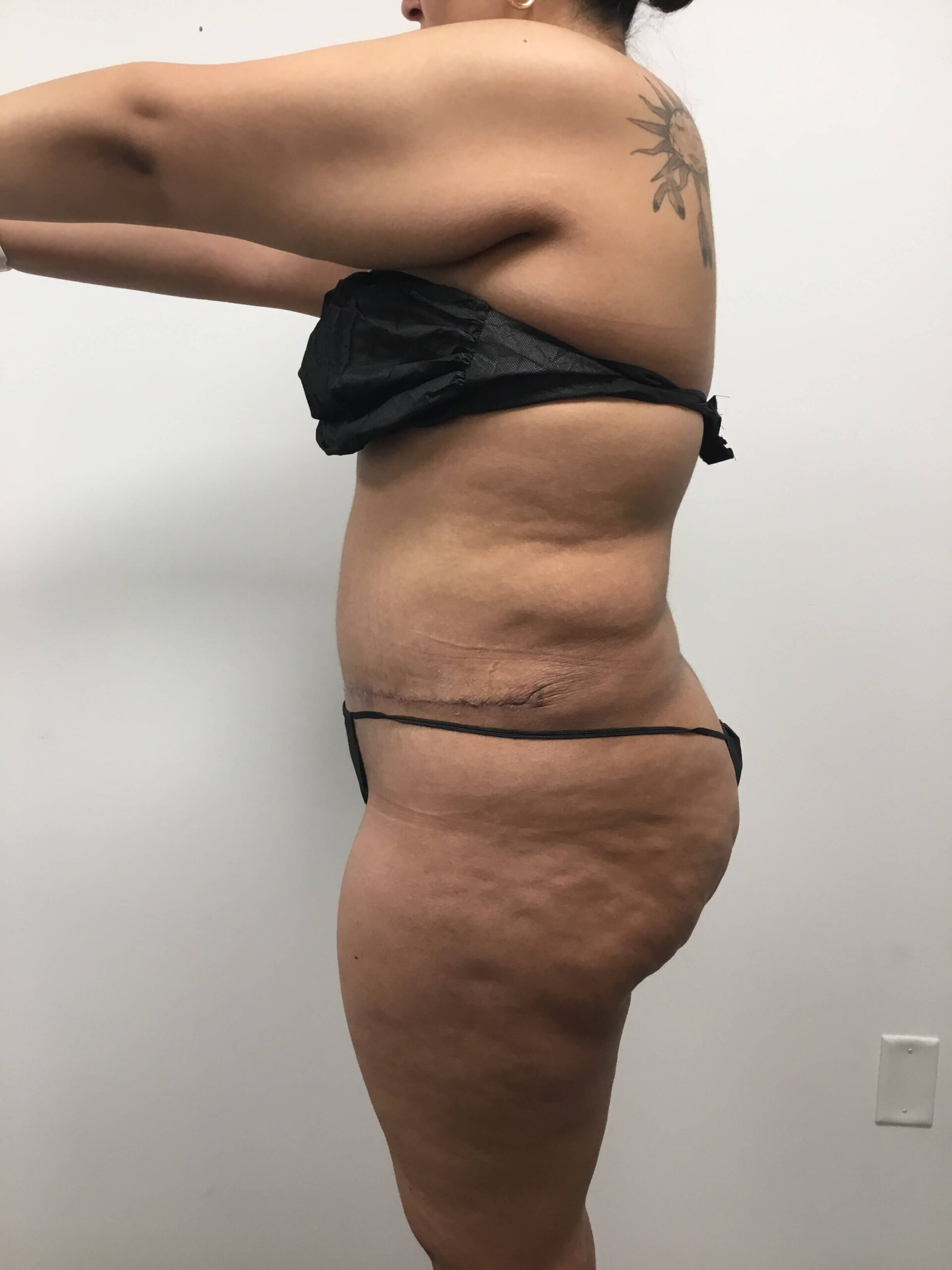
Clinical Comparison
Why No Heat Changes Everything
Heat-based liposuction damages blood vessels, lymphatic vessels and nerves along with the fat. TickleLipo uses infrasonic vibration instead of heat, so those structures are preserved.
The decision not to use heat-based liposuction devices at this practice is not a preference. It is a clinical position based on what heat does to tissue that is not fat.
When radiofrequency, laser, or ultrasound energy is applied during fat removal, it does not distinguish between fat cells and the collagen fibers, nerves, and blood vessels surrounding them. Thermal injury to that surrounding tissue is not theoretical - it is documented in outcomes data. Dr. Zelko used heat-based devices before moving away from them. The reason he stopped is in the outcomes, not in the marketing.
The Clinical Reality of Heat
What Heat Does to Tissue That Isn't Fat
Heat-based liposuction - the laser platforms Smart Lipo, ProLipo, CoolLipo, Lipotherm, and SlimLipo, plus ultrasound-based VASER - uses thermal energy as the primary fat disruption mechanism. The laser or ultrasonic energy heats the subcutaneous tissue, liquefying fat cells. The fat liquefies. So does everything in proximity to it.
Heat does not target only fat. It affects every tissue structure in its path. The compression garment duration of 4 to 6 weeks required after laser liposuction is not a precaution. It is the body's healing requirement after thermal tissue injury. The body needs that compression for that long because the surrounding tissue was burned - not because the fat was removed.
| TickleLipo | Laser Liposuction | |
|---|---|---|
| Blood vessels | Preserved. Less bruising. Less post-operative swelling. | Damaged. More bruising. More post-operative swelling. |
| Lymphatic vessels | Preserved. Normal fluid drainage. Swelling resolves faster. | Damaged. Fluid drainage impaired. Swelling persists longer. |
| Nerves | Preserved. Less post-operative sensory disruption. | Affected by thermal exposure. Prolonged sensory disruption. |
| Recovery | Compression garment 1 to 2 weeks. Return to normal activity 1 to 3 weeks. The tissue heals quickly because it was not burned. | Compression garment 4 to 6 weeks. Return to full activity 2 to 4 weeks. The tissue heals slowly because it was burned alongside the fat. |
The Recovery Evidence
The Compression Garment Is the Proxy
The single most telling indicator of tissue trauma after liposuction is not the before-and-after photo. It is how long the compression garment is required. The garment supports the tissue while it heals from the trauma of the procedure. The more trauma, the longer the requirement.
| TickleLipo | Laser Liposuction | |
|---|---|---|
| Compression garment | 1–2 weeks | 4–6 weeks |
| Return to desk work | 1–2 days | Several days |
| Resume normal activity | 1–3 weeks | 2–4 weeks |
| Drainage duration | Stops at 24 hrs | 3–5 days |
| Post-procedure pain | Minimal | Min–Moderate |
| Supranatant ratio | 80–95% | 65% |
The Metric Nobody Publishes
The Supranatant Ratio - 80 to 95% vs 65%
The Metric Nobody Publishes
The Most Important Number in Liposuction Nobody Talks About
When fat and anesthetic are suctioned together, the ratio of fat to anesthetic tells you how effective - and how comfortable - the procedure actually is.
The supranatant/infranatant ratio measures the percentage of suctioned material that is fat (supranatant) versus anesthetic fluid (infranatant). A ratio of 80% means 80% of what is removed is fat - 20% is the anesthetic that should be staying in the tissue to keep you comfortable. A ratio of 50% means half of what is removed is the anesthetic your body needs for comfort.
TickleLipo baseline: 80%. Dr. Zelko's typical performance: 90%. Occasional: 95%.
Laser liposuction: 65%. Traditional liposuction: 50%.
The heat from laser liposuction degrades the anesthetic fluid and disrupts the tumescent distribution - contributing to the lower ratio. TickleLipo's infrasonic vibration preserves the anesthetic distribution, allowing more fat to be removed per unit of anesthetic retained. More fat out. More comfort sustained. Both simultaneously.
FAQs
What Guests Ask About Heat in Liposuction
If laser lipo causes more tissue damage, why do so many surgeons use it?
Several reasons. Laser liposuction technologies have been heavily marketed to surgeons with claims of skin tightening benefits from the thermal energy - a claim that research has not consistently supported. The devices are widely available and the training is accessible. And for many surgeons, the extended recovery arc associated with laser lipo is simply presented to patients as normal - which it is, for that technology. Most patients have no basis for comparison. Dr. Zelko has used laser liposuction and moved away from it specifically because of the tissue damage profile. That direct comparative experience is the basis for this assessment - not manufacturer claims on either side.
Does laser lipo produce better skin tightening because of the heat?
This is the primary marketing claim for laser liposuction and the research does not support it consistently. The thermal energy from laser lipo causes some collagen contraction - but the tissue damage it also causes often offsets the skin quality benefit. TickleLipo's mechanical dermal irritation initiates a reliable collagen formation process over 90 to 100 days that produces measurable skin quality improvement without the thermal tissue damage. When combined with Renuvion for subcutaneous support structure contraction - as in TickleTite - the skin tightening result is substantially better than laser lipo alone and without the extended recovery.
Is TickleLipo less effective at removing fat because it uses no heat?
No. Fat removal effectiveness for TickleLipo is rated equivalent to laser liposuction - Good on the standard assessment used in the comparison chart. The infrasonic vibrational energy disrupts fat cell walls effectively without requiring thermal energy. The advantage of no heat is not reduced effectiveness - it is the preservation of surrounding tissue. Blood vessels, lymphatics, and nerves are spared the damage that heat causes, producing the faster recovery and lower complication profile that TickleLipo is documented for. Same fat removal result. Significantly less collateral damage.
Awake vs. General Anesthesia
No heat and no general anesthesia are related arguments. Here's the full case.