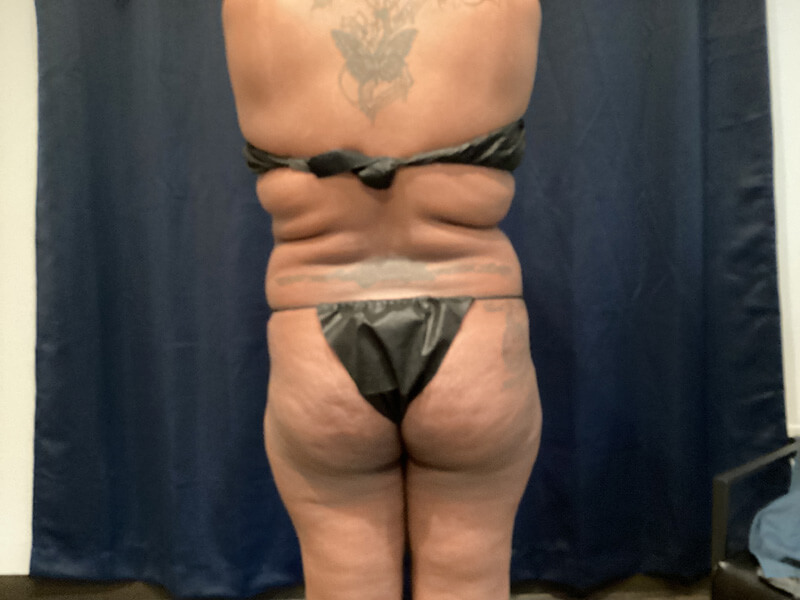
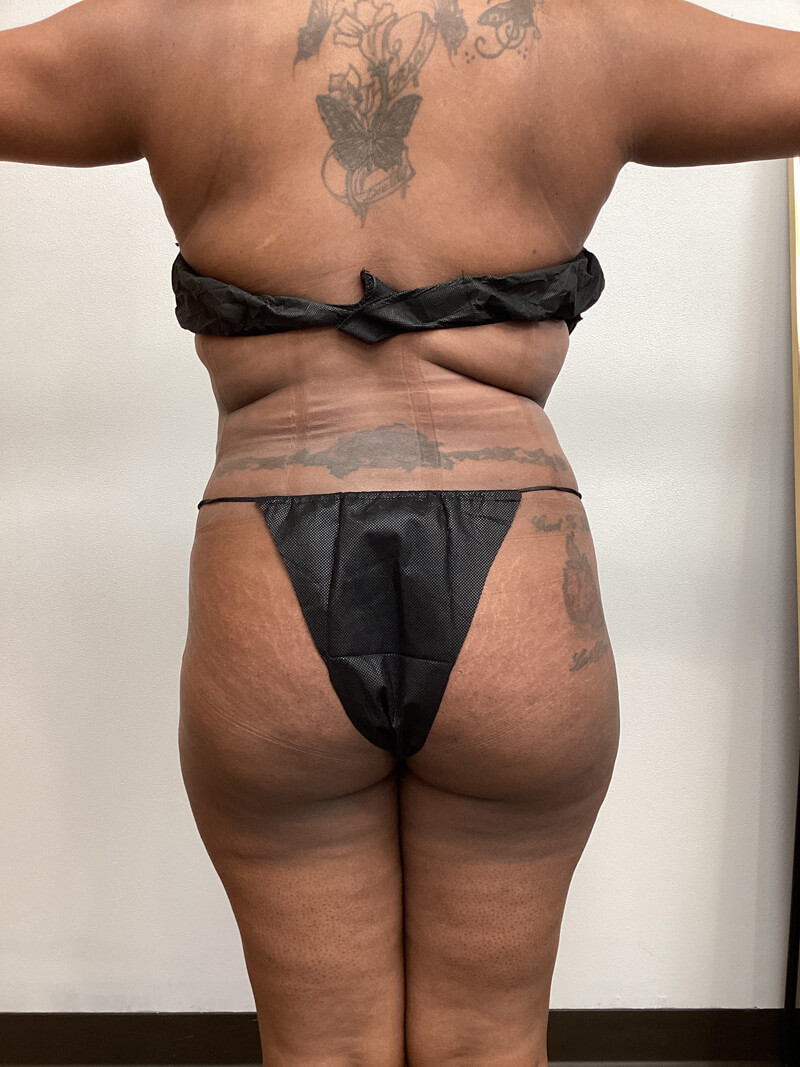
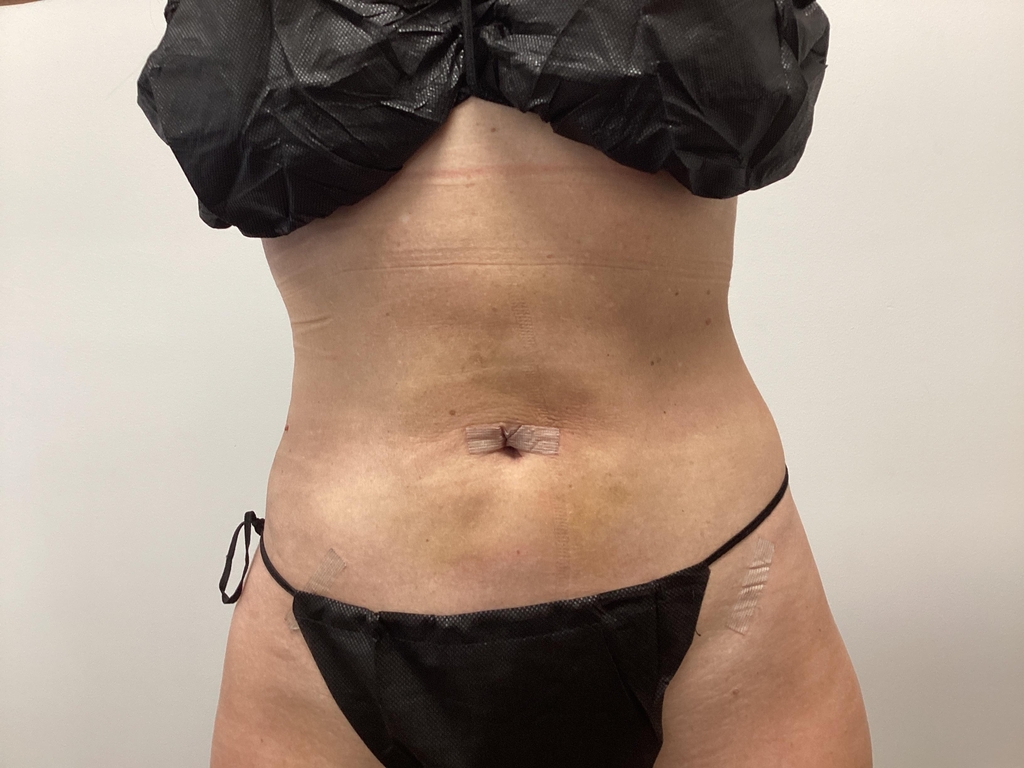
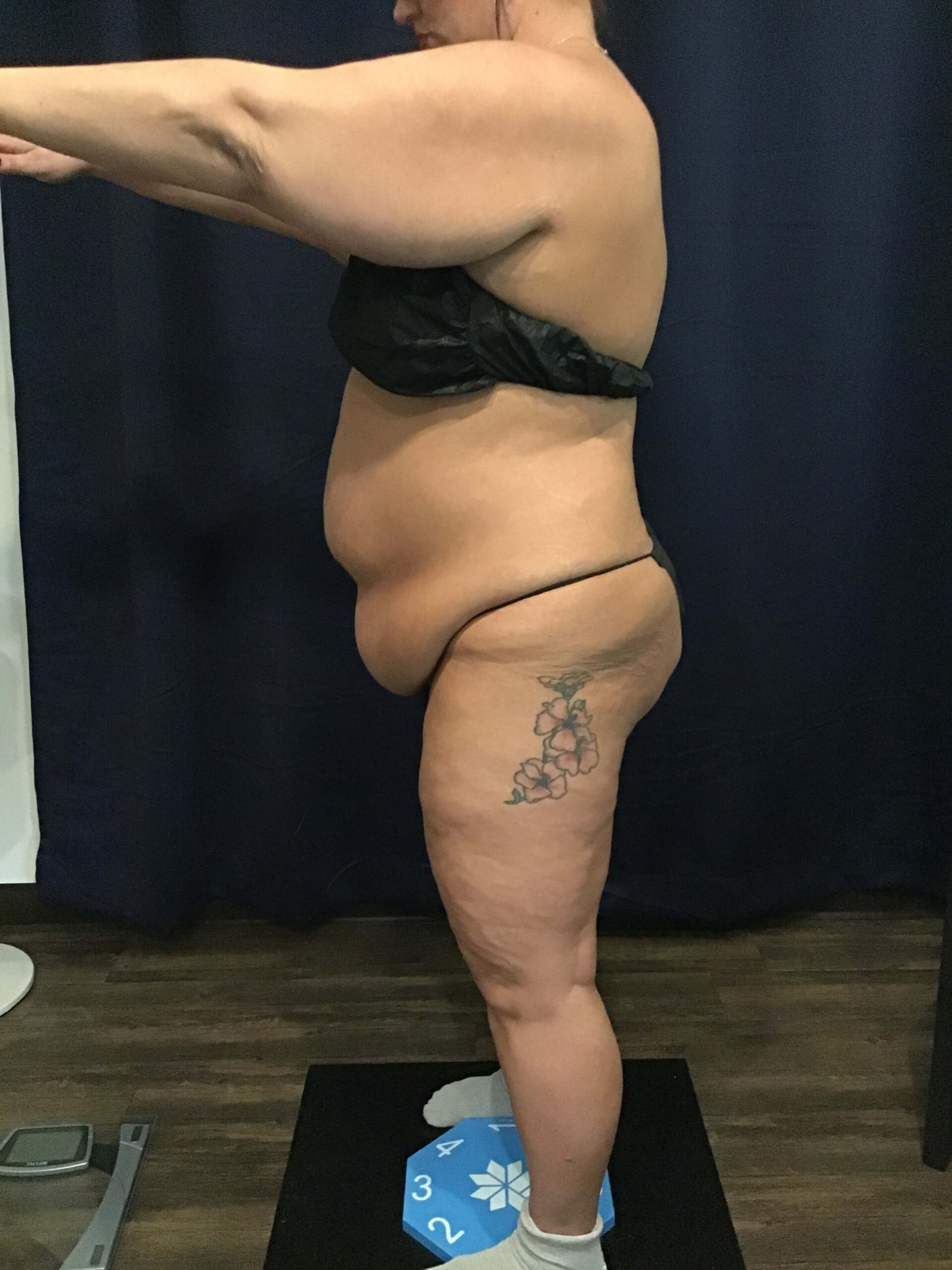
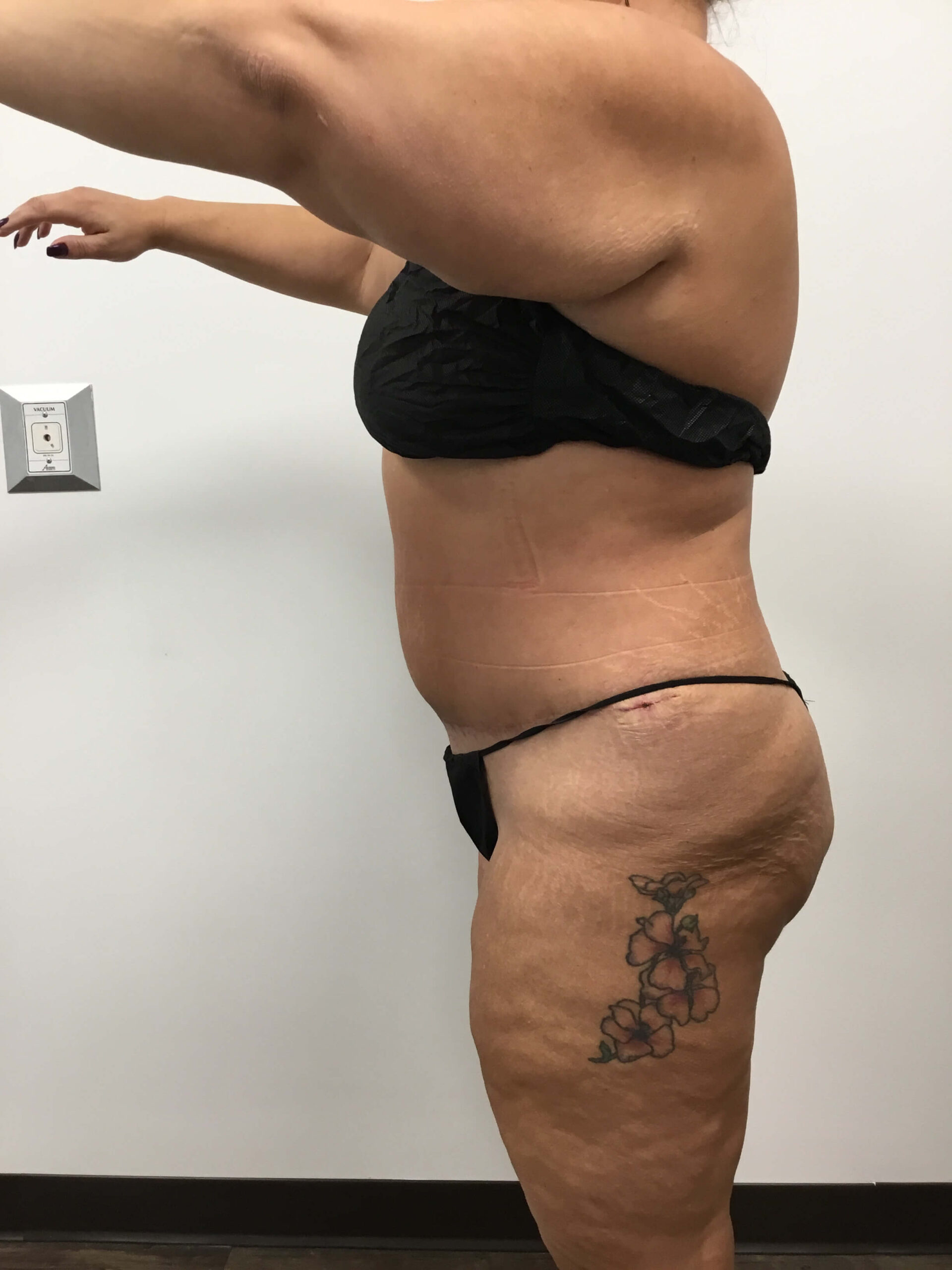
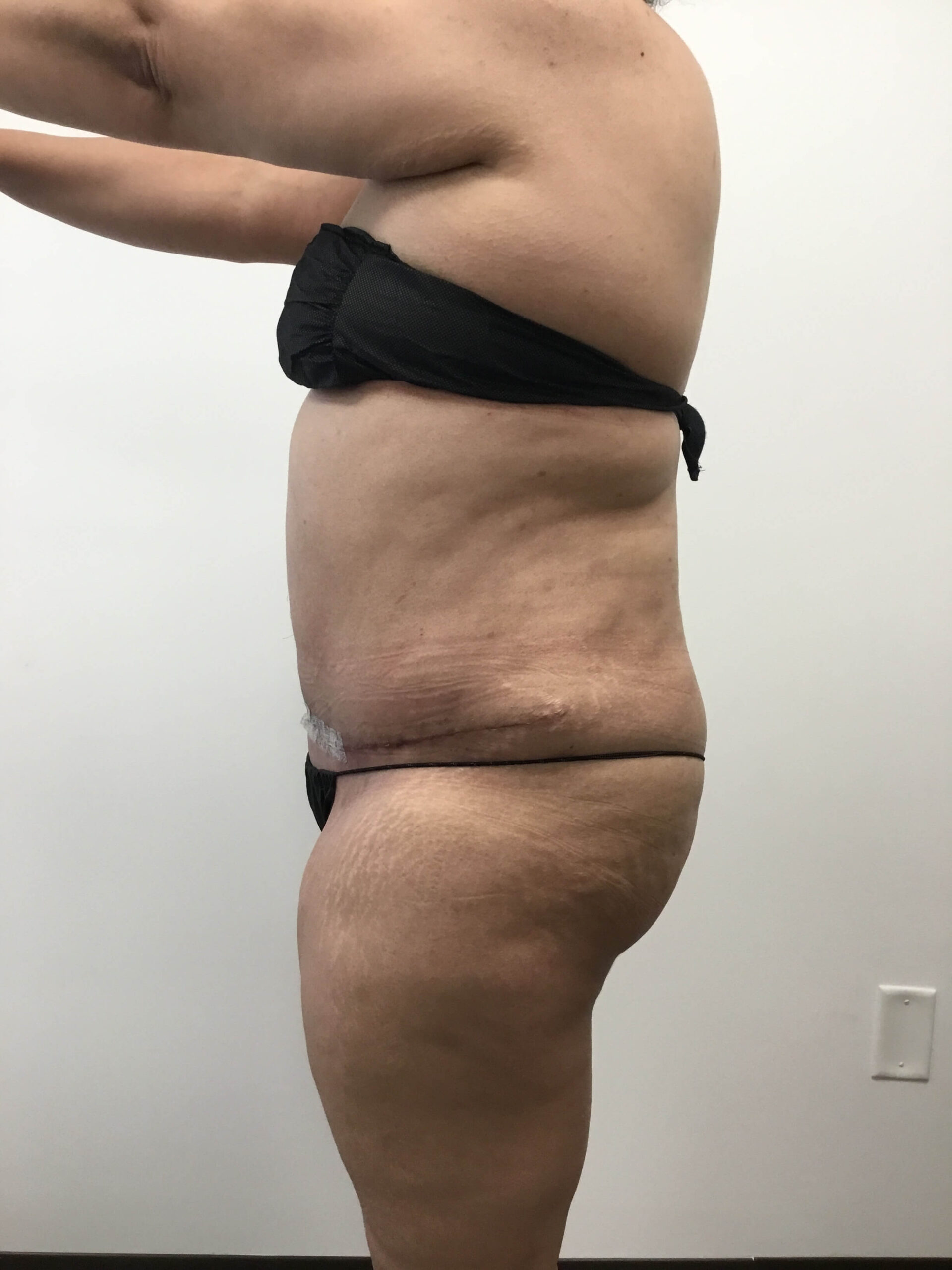
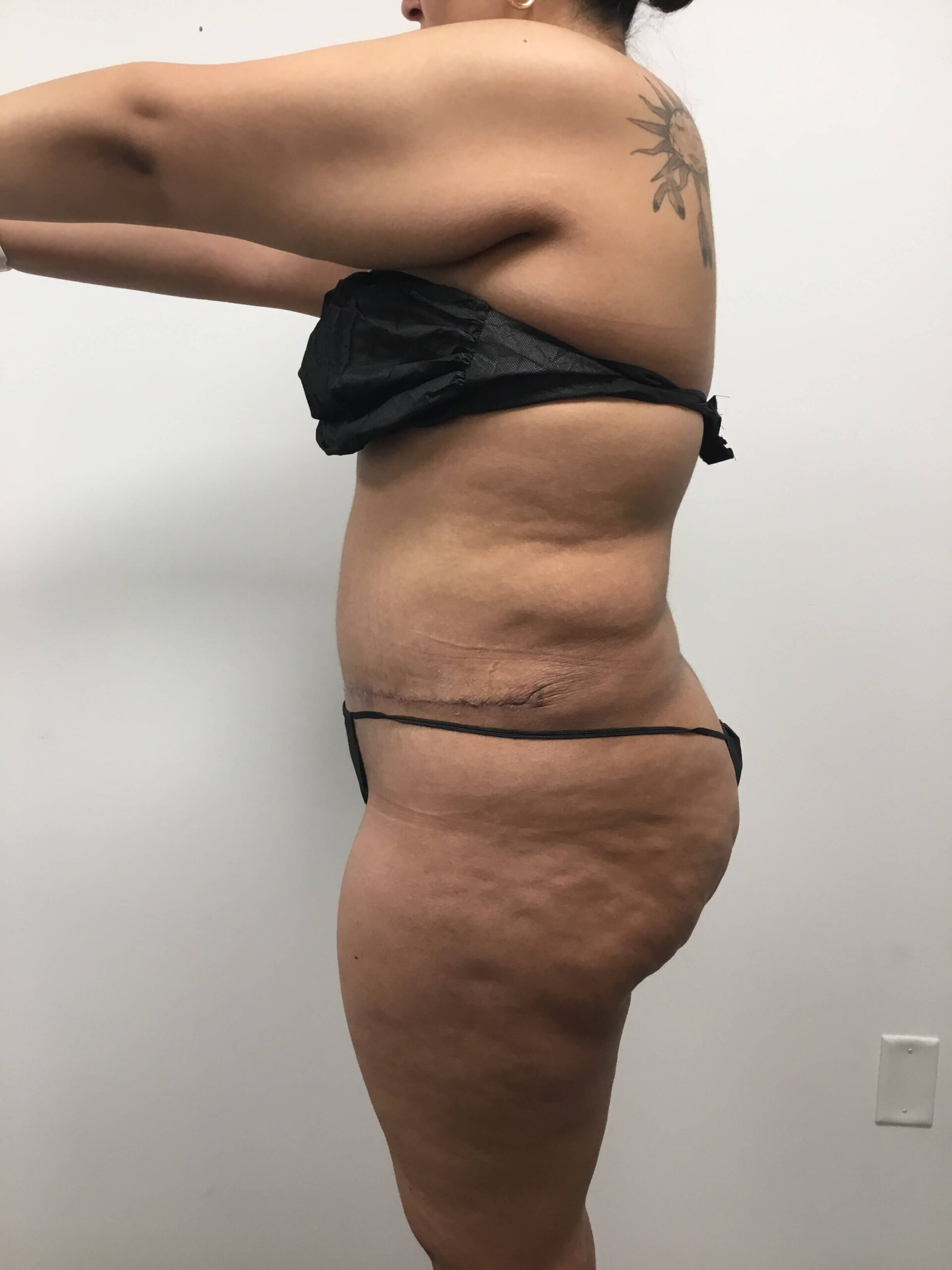
Written From Direct Experience
TickleLipo vs. Every Other Lipo Technology
If you have done any research on liposuction technologies, you have encountered a lot of claims. Every device promises superior results, faster recovery, and better skin tightening. This page is not a marketing comparison. It is Dr. Timothy Zelko’s clinical assessment of nine liposuction technologies, including the ones he has personally used and subsequently moved away from, and the specific reasons why.
Why This Assessment Is Different
Dr. Timothy Zelko has personally performed procedures using every technology in this comparison. He did not just observe them or demo them briefly. He used each one long enough to form a clinical opinion based on results, recovery, and guest experience. It is unlikely there is another cosmetic surgeon in the United States who can say that.
Dr. Timothy Zelko, D.O. · Cosmetic Surgeon · Owner, TickleLipo Brand · Greenfield, WI · 17 Years Experience · 7,000+ Awake ProceduresNine liposuction technologies, compared by a surgeon who has used every one of them.
The Metric Most Comparisons Leave Out
The Supranatant / Infranatant Ratio: Why It Matters More Than Anything Else
Every liposuction technology claims to be the best at removing fat. Most of those claims are evaluated using before-and-after photos and recovery stories. There is a specific, measurable, clinical metric that cuts through all of that, and it is almost never discussed in cosmetic surgery marketing because most surgeons don’t know it exists or don’t perform at a level they’d want to publicize.
The supranatant/infranatant ratio measures two things simultaneously: how much fat is actually removed from the body during the procedure (supranatant), and how much of the tumescent anesthetic fluid stays in the tissue rather than being suctioned out (infranatant). You want both maximized at the same time, maximum fat out, maximum anesthetic retained.
The Ratio, Explained Simply
When you suction from a treated area, what comes out is a mixture of fat and anesthetic fluid. The ratio tells you what percentage of that mixture is fat. A ratio of 90% means 90% of what is removed is fat, only 10% is the anesthetic fluid leaving the tissue. A ratio of 50% means half of what’s removed is the anesthetic that should be staying in the tissue to keep you comfortable. Higher ratio = more fat removed + more anesthetic retained = better results and more sustained comfort throughout the procedure.
Dr. Timothy Zelko is among the few surgeons who tracks this metric and can speak to it with documented personal data.
Dr. Zelko, TickleLipo (occasional)
95%
Dr. Zelko, TickleLipo (typical)
90%
TickleLipo (published baseline)
80%
Laser Technologies (Smart Lipo, ProLipo, VASER, etc.)
65%
Traditional / Power Assisted / Bodyjet
50%
The gap between Dr. Zelko’s typical performance, 90 to 95%, and traditional liposuction at 50% is not a minor technical difference. It means nearly twice the fat removal effectiveness per unit of procedure time, with twice the anesthetic retention for patient comfort. This is what 17 years of procedural refinement and the infrasonic TickleLipo technology produce together.
Side by Side, All 9 Technologies
The Complete Comparison: From Direct Clinical Experience
Every technology below has been used personally by Dr. Timothy Zelko. The data reflects direct clinical experience, not manufacturer specifications, not published claims.
Lipotherm and SlimLipo perform identically to the other laser platforms and are grouped with them in the table.
| Tickle Lipo | Smart Lipo | Pro Lipo | Cool Lipo | VASER | Body jet | Trad. Lipo | Power Assisted | |
|---|---|---|---|---|---|---|---|---|
| Technology & Safety | ||||||||
| Mechanism | Infrasonic Energy | Laser | Laser | Laser | Ultrasonic | Water Spray | Mech. Cutting | Mech. Cutting |
| Excessive Heat Exposure | None | Yes | Yes | Yes | Yes | No | No | No |
| Sharp / Cutting Instrumentation | None | Yes | Yes | Yes | Yes | Yes | Yes | Yes |
| Numbing Process | Comfortable | Uncomfortable | Uncomfortable | Uncomfortable | Uncomfortable | Uncomfortable | Uncomfortable | Uncomfortable |
| Recovery & Downtime | ||||||||
| Recovery to End Result | Shortened 3–4 wks | Prolonged 3–6 mo | Prolonged 3–6 mo | Prolonged 3–6 mo | Prolonged 3–6 mo | Prolonged 3–6 mo | Prolonged 3–4 mo | Prolonged 3–4 mo |
| Drainage Amount / Days | Minimal 1–2 days | Moderate 3–5 days | Moderate 3–5 days | Moderate 3–5 days | Moderate 3–5 days | Excessive 3–7 days | Moderate 3–5 days | Moderate 3–5 days |
| Resume Normal Activity | 1–3 weeks | 2–4 weeks | 2–4 weeks | 2–4 weeks | 2–4 weeks | 2–4 weeks | 4–6 weeks | 4–6 weeks |
| Compression Garment | 1–2 weeks | 4–6 weeks | 4–6 weeks | 4–6 weeks | 4–6 weeks | 4–6 weeks | 4–6 weeks | 4–6 weeks |
| Outcomes | ||||||||
| Fat Removal Effectiveness | Excellent | Good | Good | Good | Good | Poor | Good | Good |
| Post-Procedure Pain | Minimal | Min–Moderate | Min–Moderate | Min–Moderate | Min–Moderate | Min–Severe | Moderate–Severe | Moderate–Severe |
| Supranatant Ratio | 80–95% (90–95% Dr. Zelko) | 65% | 65% | 65% | 65% | 50% | 50% | 50% |
The Heat Question
Why No Heat Is a Clinical Decision: Not a Marketing Claim
Six of the nine technologies in this comparison use heat as their primary fat disruption mechanism: Smart Lipo, ProLipo, CoolLipo, Lipotherm, SlimLipo, and VASER. Each delivers thermal energy to the subcutaneous tissue to liquefy fat cells. The heat works. It also does several things the manufacturers don’t lead with in their marketing.
TickleLipo, Infrasonic EnergyNo Heat. No Burning. No Collateral Damage.
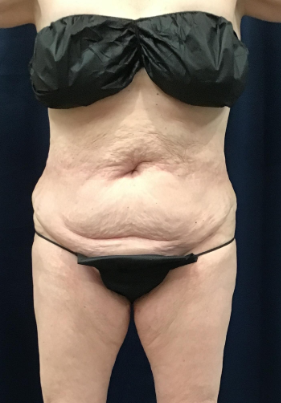
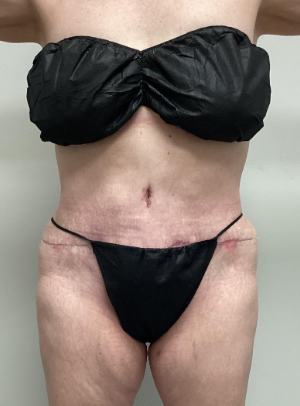
The TickleLipo cannula uses infrasonic vibrational energy, oscillating at a frequency that disrupts fat cell walls without generating heat . Blood vessels are preserved. Lymphatic vessels are preserved. Nerves are preserved. The result is less bruising, less swelling, less post-operative pain, faster drainage clearance, and a recovery arc measured in weeks rather than months. The tissue surrounding the fat is not damaged, which is why the garment is needed for only 1 to 2 weeks instead of 4 to 6.
Laser Lipo, Thermal EnergyThe Heat Burns More Than the Fat.
Laser liposuction delivers heat to liquefy fat, and heat does not discriminate between fat cells and surrounding tissue. Blood vessels are damaged, producing more bruising and swelling. Lymphatic vessels are damaged, extending post-operative edema and prolonging recovery. The compression garment requirement of 4 to 6 weeks reflects this tissue damage. The body needs that compression for that long because of the trauma the thermal energy causes. Not the fat removal. The heat.
Each Technology, Dr. Zelko’s Direct Assessment
Nine Technologies: Personal Experience With All of Them
Why This Assessment Is Different
Dr. Timothy Zelko has personally performed procedures using every technology listed, not observed, not trained on briefly, but used extensively enough to form a clinical opinion based on results, recovery, and guest experience. Most liposuction comparison content is written by marketing teams from manufacturer data sheets. This assessment comes from 17 years of firsthand clinical experience across all major liposuction technologies, including years performing laser-based procedures before concluding that the infrasonic approach is categorically superior for both the guest experience and the clinical outcome.
One transparency note: The one newer platform Dr. Zelko has not personally purchased and trialed is the Ayon device by Apyx, the same company that manufactures the Renuvion device he uses extensively. The Ayon is an upgraded VASER platform: still ultrasound-based, still heat-generating. Dr. Zelko has made a deliberate decision not to adopt it. The reason is the same reason he moved away from all heat-based technologies, ultrasound heat causes tissue destruction beyond the fat that no clinical benefit justifies. His guests will not be exposed to it.
Smart Lipo · ProLipo · CoolLipo · Lipotherm · SlimLipo
Mechanism: Laser Thermal EnergyAll five are laser-based technologies producing heat. The fat liquefies. So does surrounding tissue to varying degrees. Recovery is prolonged because healing from thermal tissue damage takes longer than healing from vibrational disruption alone. Dr. Timothy Zelko used laser liposuction for years and moved away from it deliberately. Supranatant ratio: 65%. Compression garment: 4 to 6 weeks.
VASER Liposuction, and the Ayon (Apyx)
Mechanism: Ultrasonic EnergyVASER uses ultrasonic waves rather than laser, but still generates significant heat in the tissue. Marketed heavily for body definition and athletic contouring. The thermal tissue disruption means the same extended recovery pattern as laser technologies. Supranatant ratio: 65%. Compression garment: 4 to 6 weeks. Return to activity: 2 to 4 weeks. The Ayon device by Apyx, the same manufacturer as Renuvion, which Dr. Timothy Zelko uses extensively, is an upgraded VASER platform. It remains ultrasound-based and heat-generating. It is the one newer liposuction platform Dr. Zelko has not personally purchased and trialed. His reason is direct: ultrasound heat causes tissue destruction beyond the fat, and no clinical benefit justifies exposing guests to it. The Renuvion he uses works through a fundamentally different mechanism, helium plasma in the subdermal space, not ultrasound heat in the subcutaneous tissue. Same company, opposite clinical philosophy.
Bodyjet
Mechanism: High Pressure Water SprayBodyjet uses pressurized water to dislodge fat rather than heat or cutting. No thermal tissue damage, that is the advantage. The disadvantage: fat removal effectiveness is rated Poor compared to Good for most other technologies. Excessive drainage for 3 to 7 days. Supranatant ratio: 50%. The water pressure also disrupts the tumescent anesthetic distribution, compromising comfort throughout the procedure.
Traditional Liposuction
Mechanism: Mechanical CuttingThe original. A sharp cannula physically tears fat from surrounding tissue. No heat but significant mechanical trauma, to fat cells and to blood vessels, lymphatics, and nerves in the path of the cannula. Post-operative pain: Moderate to Severe. Recovery to full activity: 4 to 6 weeks. Compression garment: 4 to 6 weeks. Supranatant ratio: 50%.
Power Assisted Liposuction (PAL)
Mechanism: Mechanical Cutting with VibrationPAL adds motor-driven vibration to the traditional sharp cannula, reducing surgeon fatigue and allowing more aggressive fat removal. The cutting mechanism remains. Tissue trauma profile similar to traditional lipo: Moderate to Severe post-operative pain, 4 to 6 week recovery and compression garment requirements. Supranatant ratio: 50%. The vibration is applied to a cutting instrument, fundamentally different from TickleLipo’s infrasonic disruption of a blunt cannula.
TickleLipo
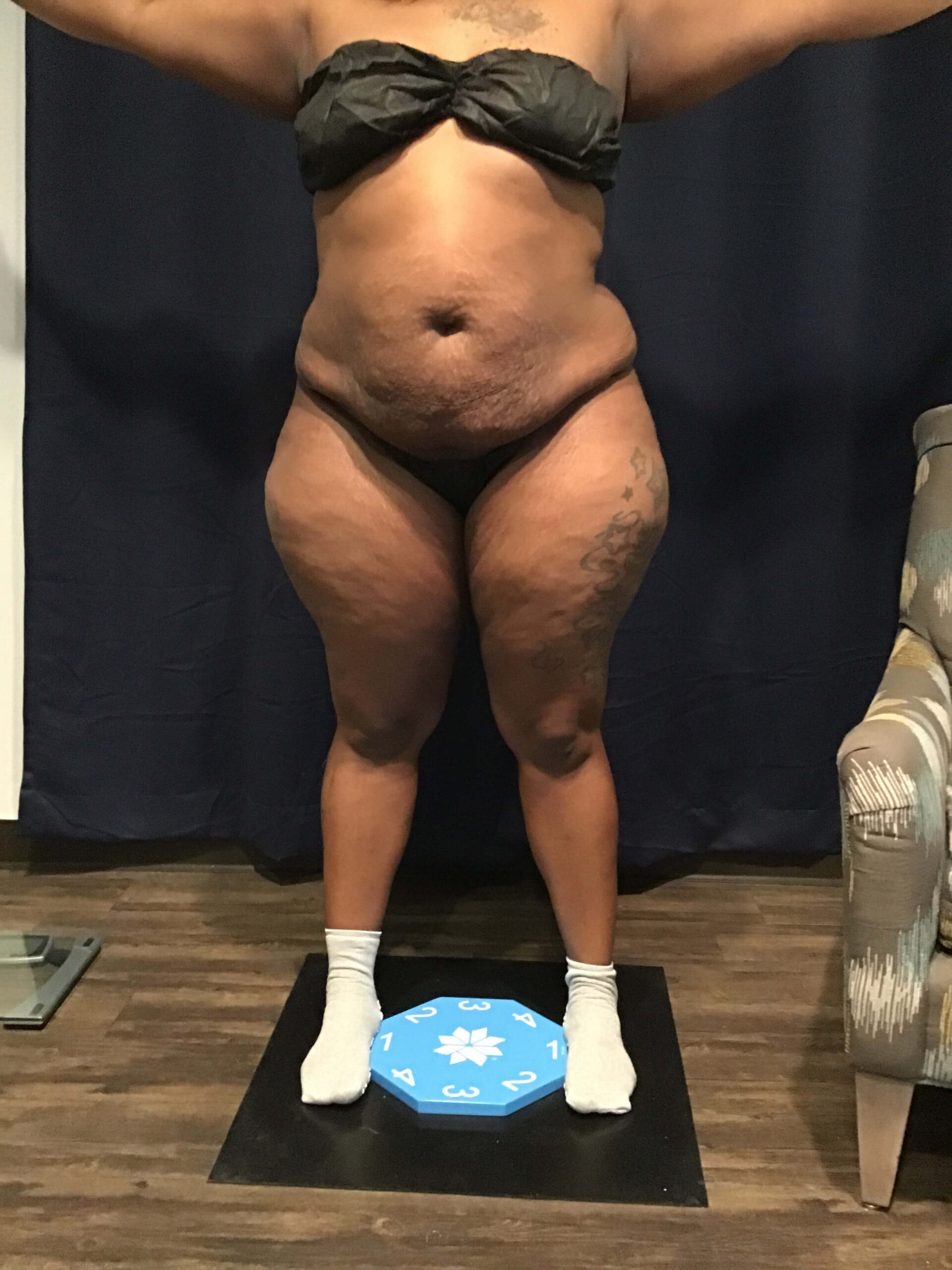
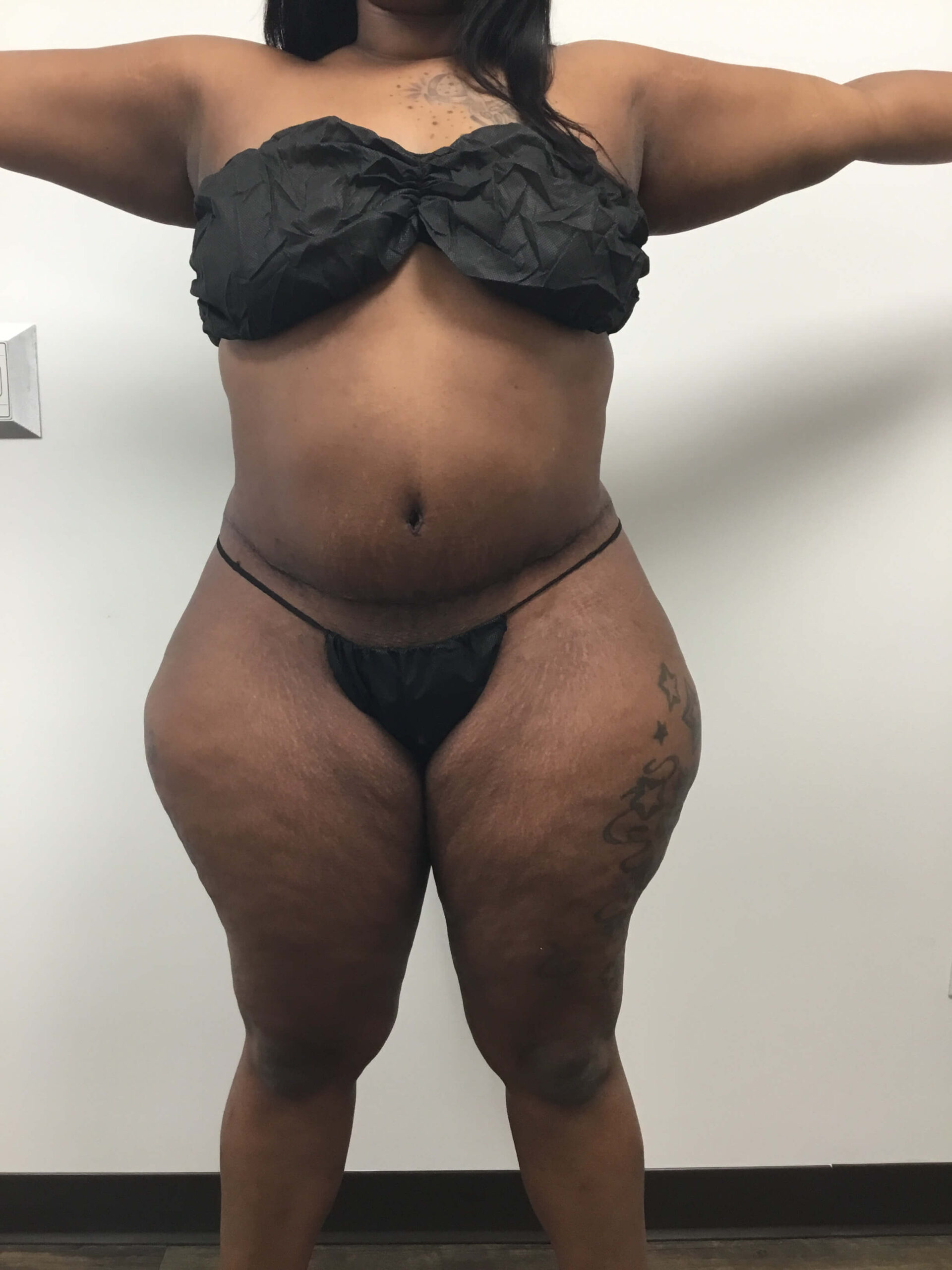
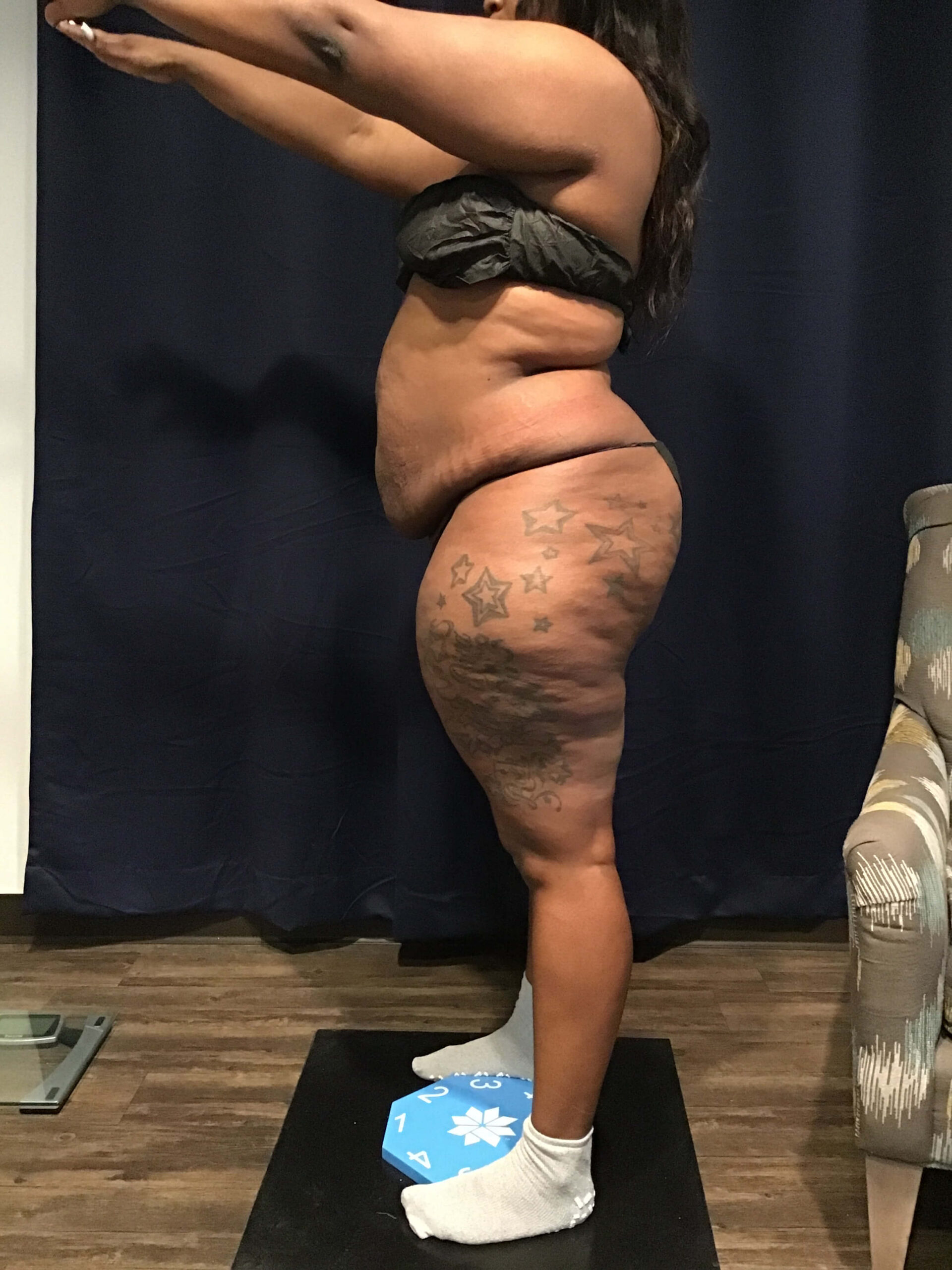
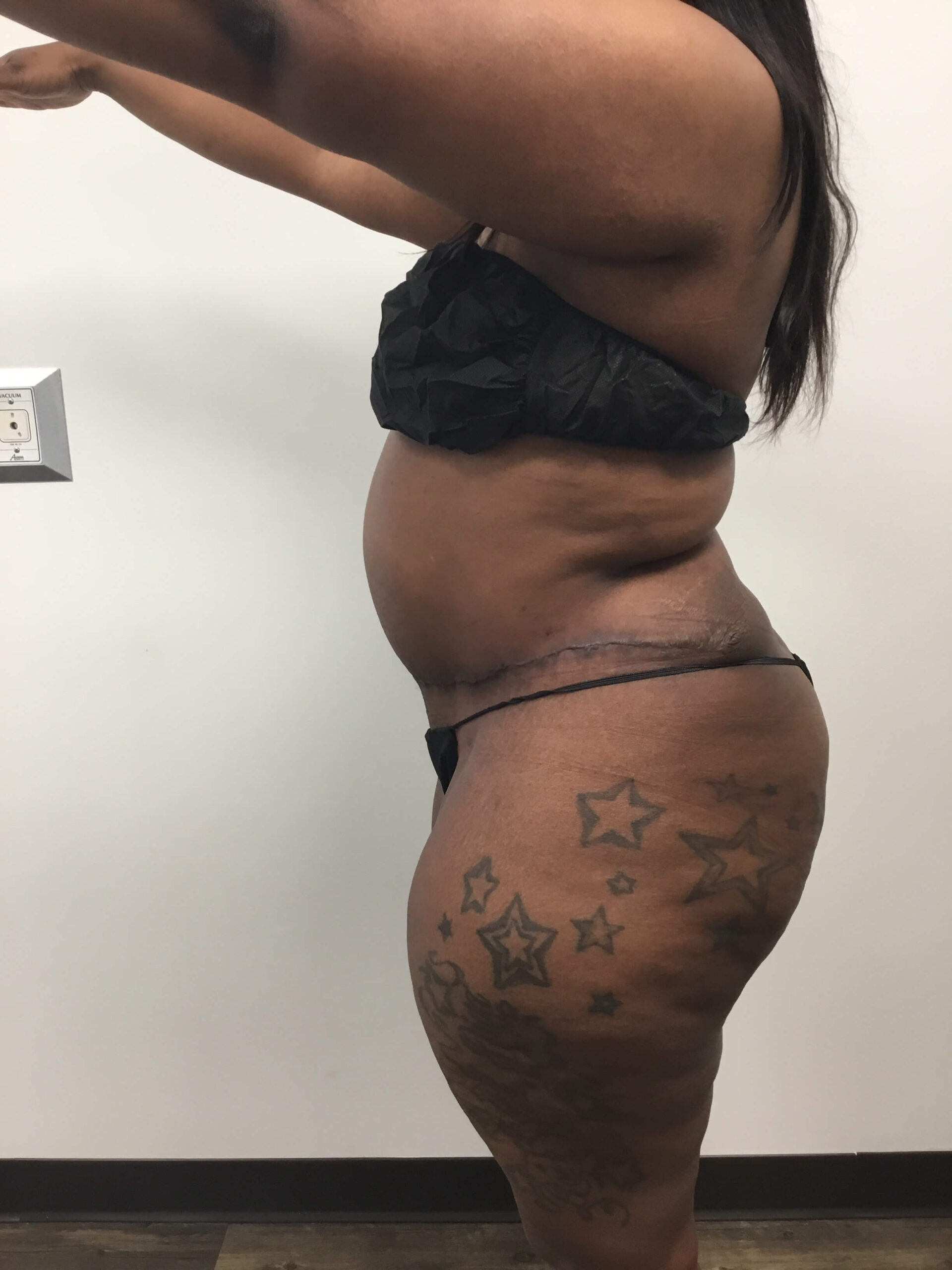
Mechanism: Infrasonic Vibrational Energy, Dr. Zelko’s Technology of ChoiceNo heat. No sharp instrumentation. Comfortable numbing process. The infrasonic frequency disrupts fat cell walls without cutting and without thermal energy. Blood vessels preserved. Lymphatics preserved. Nerves preserved. Drainage minimal at 1 to 2 days. Compression 1 to 2 weeks. Return to activity 1 to 3 weeks. Post-operative pain: Minimal. Supranatant ratio: 80 to 95% in Dr. Timothy Zelko’s documented cases, 90 to 95% typical. Dr. Zelko owns the TickleLipo trademark and has performed over 7,000 procedures using this technology.
Frequently Asked Questions
What Guests Ask About the Comparison
Is laser lipo better than TickleLipo for body contouring?
No, and the clinical data is specific. Laser liposuction technologies all generate heat as their fat disruption mechanism. That heat damages blood vessels, lymphatics, and nerves alongside the fat. The result is more bruising, more swelling, extended post-operative edema, and a compression garment requirement of 4 to 6 weeks. TickleLipo uses infrasonic vibration, no heat, no cutting. Garment: 1 to 2 weeks. Return to activity: 1 to 3 weeks. Supranatant ratio in Dr. Zelko’s cases: 80 to 95% vs 65% for laser technologies. Dr. Timothy Zelko used laser liposuction for years and moved away from it deliberately. That is not a marketing position. It is a clinical conclusion based on documented outcomes across both technologies.
What does it mean that Dr. Zelko has used every technology personally?
It means the comparison on this page is not written from manufacturer data sheets or published abstracts. Dr. Timothy Zelko has performed procedures with Smart Lipo, ProLipo, CoolLipo, VASER, Bodyjet, traditional liposuction, power assisted liposuction, and TickleLipo, extensively enough in each case to form a clinical opinion based on what actually happened in the procedure room. The recovery data, the supranatant ratios, the pain assessments, these come from his direct experience, not from marketing comparisons produced by device manufacturers.
Why is Bodyjet rated as Poor for fat removal effectiveness?
Bodyjet uses pressurized water to dislodge fat rather than a cutting or energy-based mechanism. The water pressure is less effective at disrupting fat cell walls compared to mechanical, laser, or infrasonic approaches. The result is a lower volume of fat removed per procedure session. Additionally, the water pressure disrupts the distribution of the tumescent anesthetic, compromising comfort throughout. The one advantage Bodyjet has, no thermal tissue damage, is shared by TickleLipo, which also produces no heat but removes fat effectively.
Why does the compression garment timeline matter?
The compression garment timeline is a direct indicator of the degree of tissue trauma produced by the procedure. A 4 to 6 week garment requirement means the body needs that level of external compression for that duration because the procedure damaged blood vessels, lymphatics, and surrounding tissue significantly. A 1 to 2 week garment requirement means the tissue damage was minimal, the fat was removed but the surrounding structures were largely preserved. The garment timeline is not arbitrary. It reflects what the procedure actually did to the tissue that was not fat.
Is TickleLipo performed under general anesthesia?
No. TickleLipo at Zelko Aesthetics is performed entirely under tumescent local anesthesia, no general anesthesia, no sedation beyond an optional mild oral anxiolytic, no hospital, same-day home. The infrasonic TickleLipo vibration mechanism also delivers a pain-gating neurological response that blocks pain signals during the numbing process, making the anesthesia administration more comfortable than any other technology in this comparison. This is one reason the numbing process is described as Comfortable for TickleLipo and Uncomfortable for every other technology in the table.