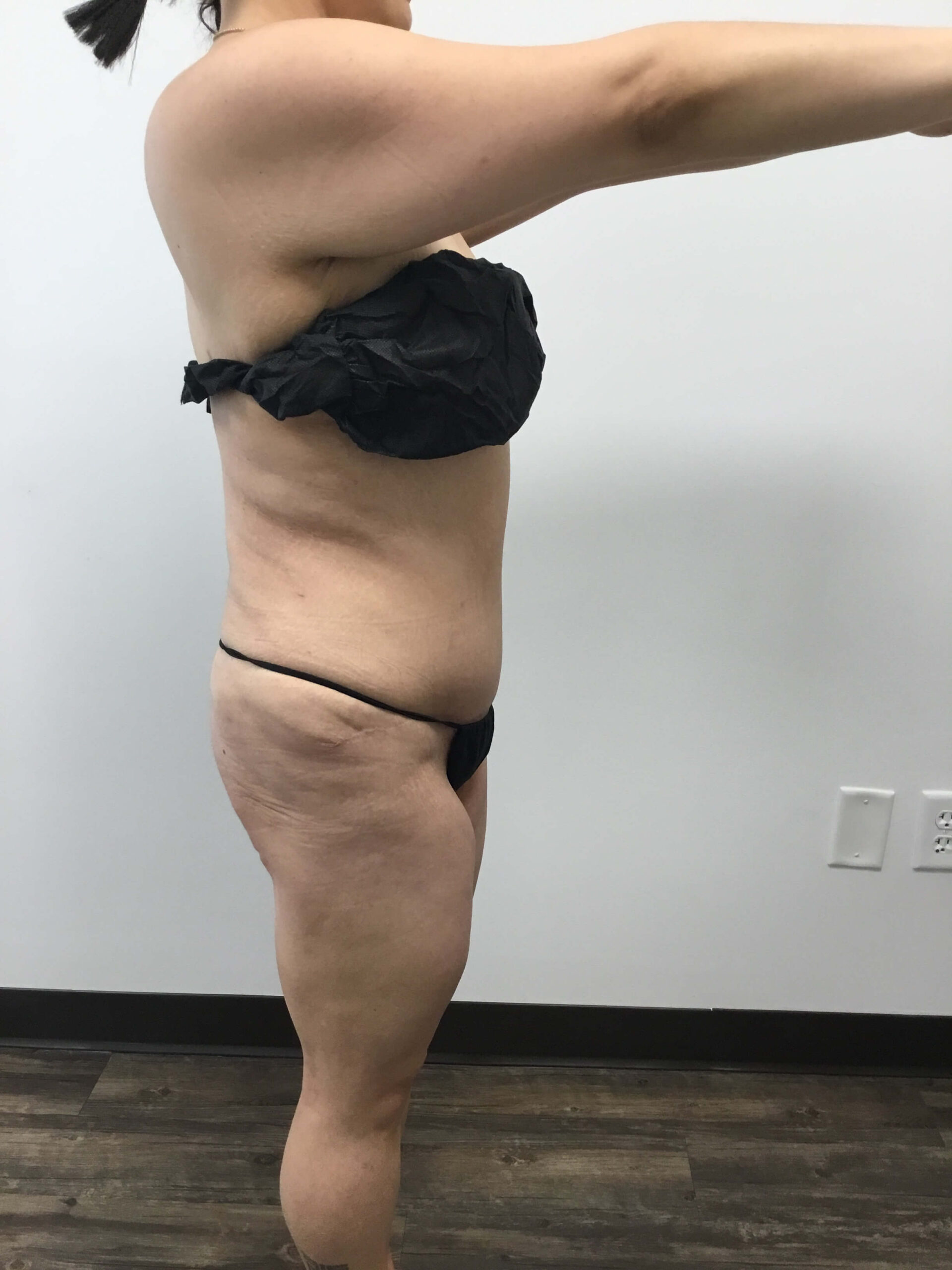
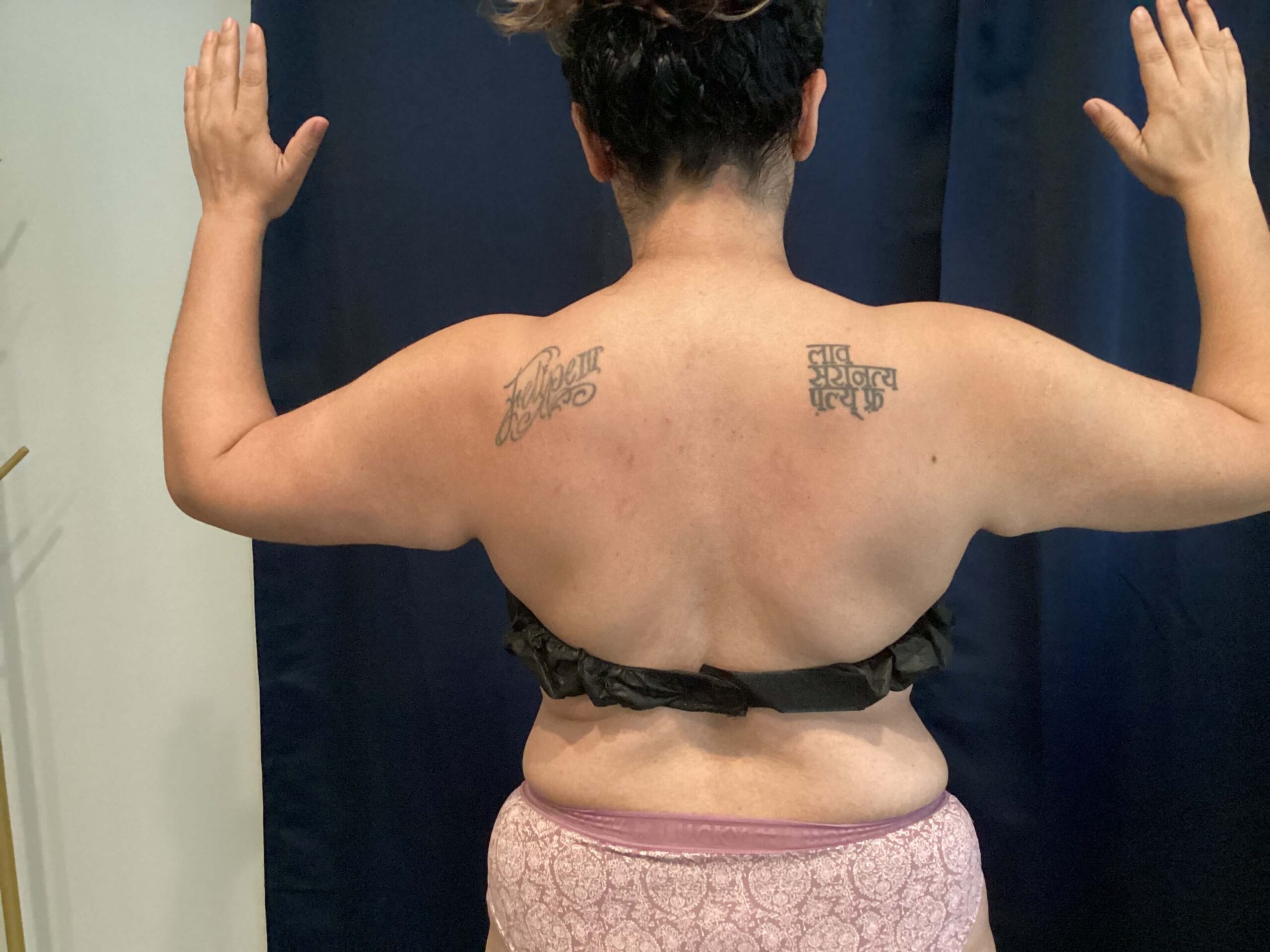
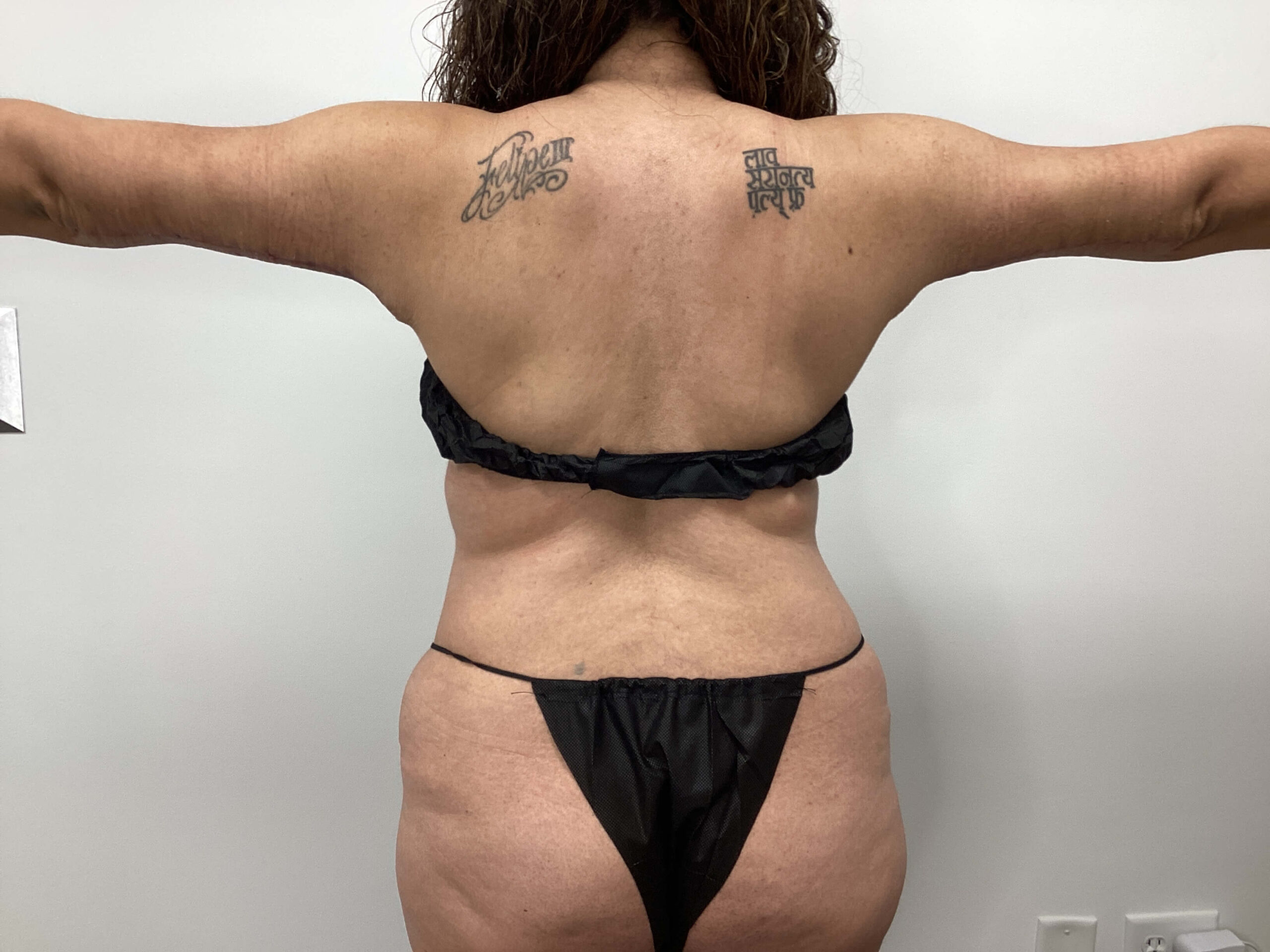
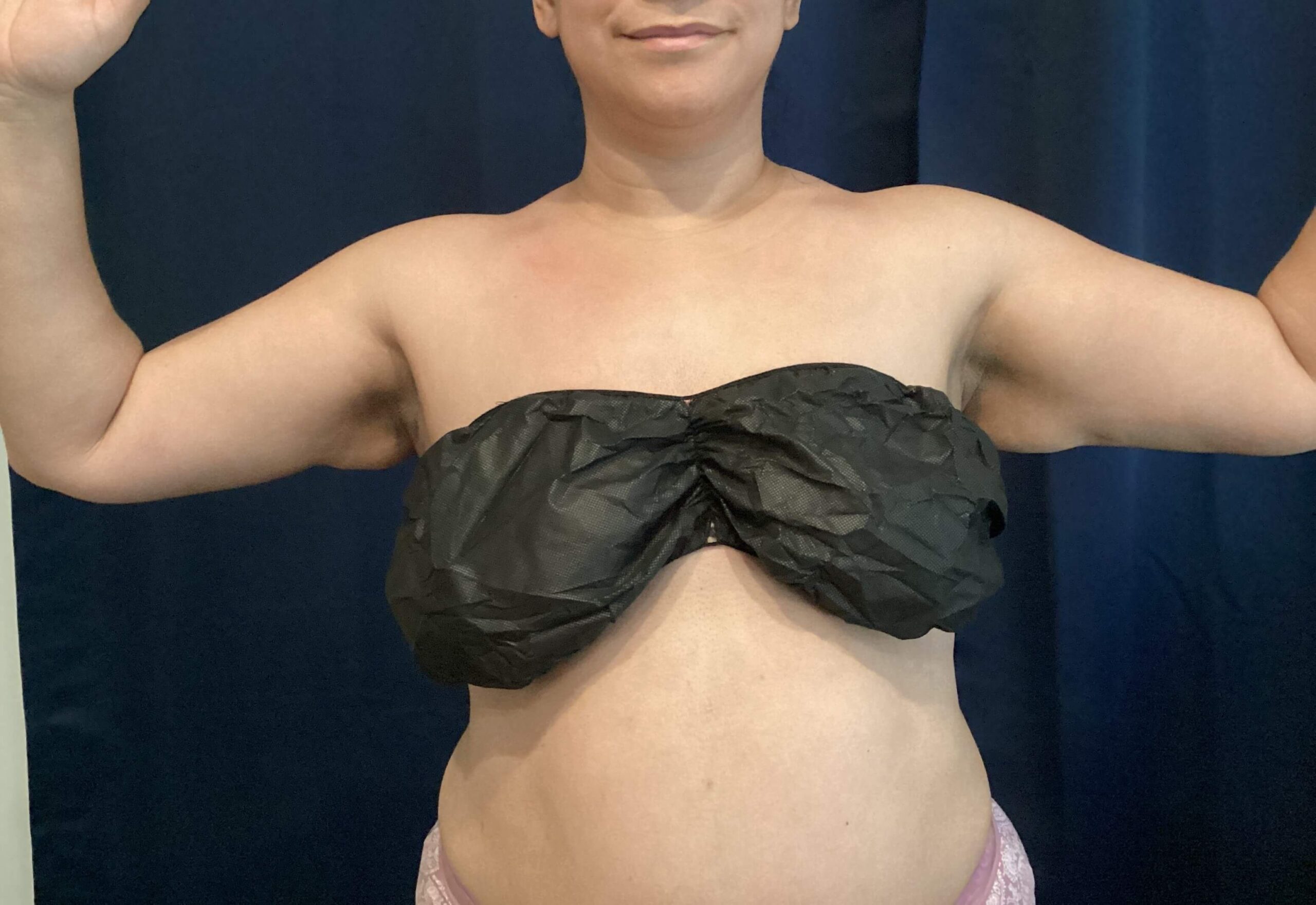
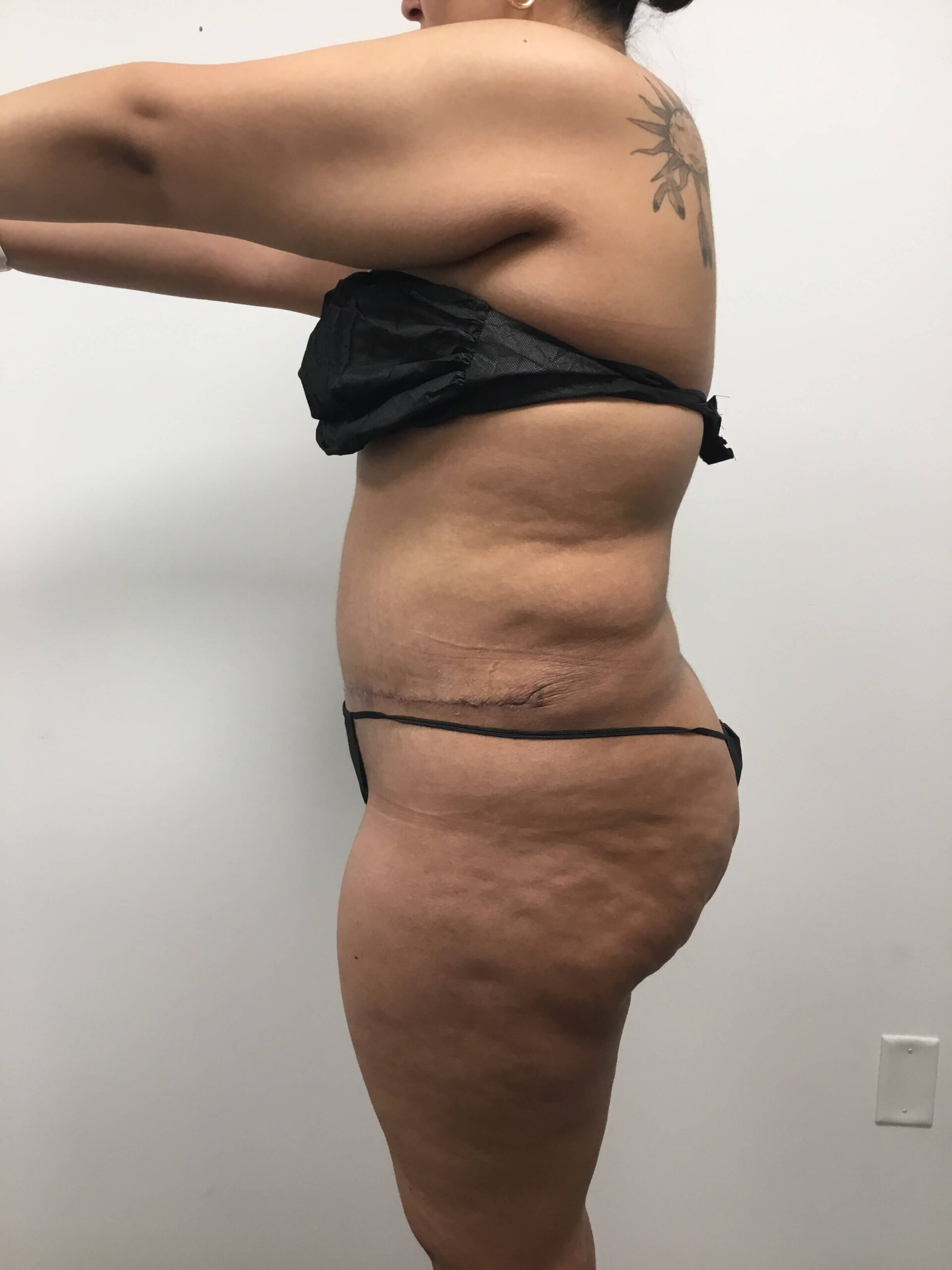
Procedure Guide · Reverse TickleTuck
Reverse TickleTuck: For the Upper Abdomen Nobody Addressed
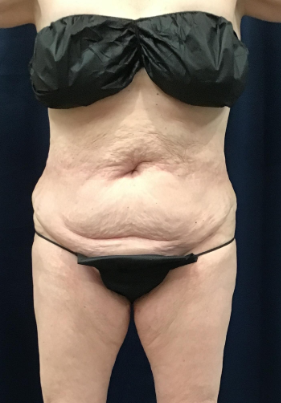
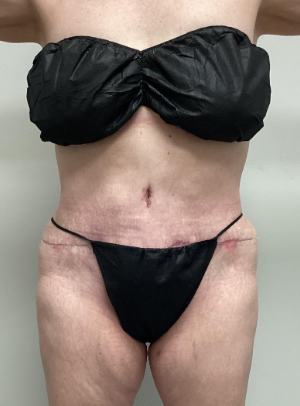
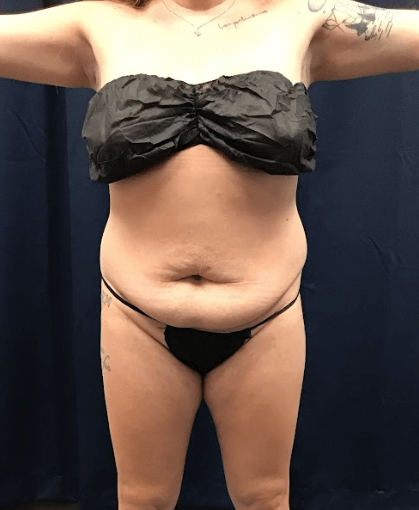
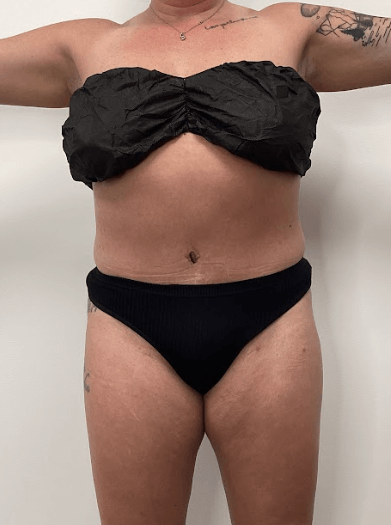
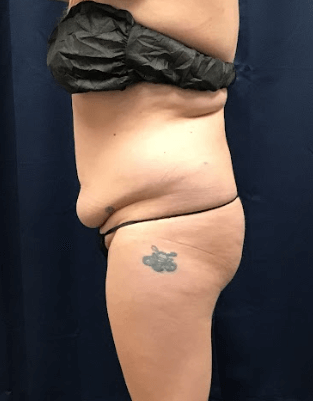
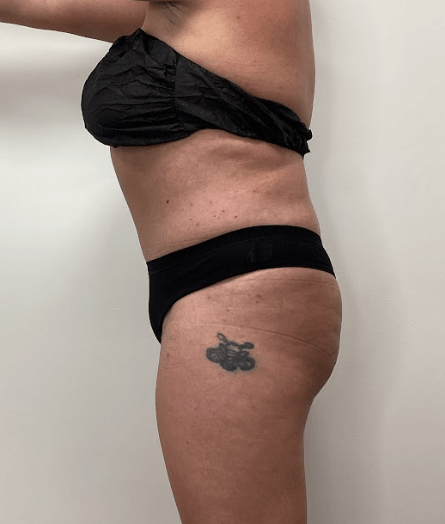
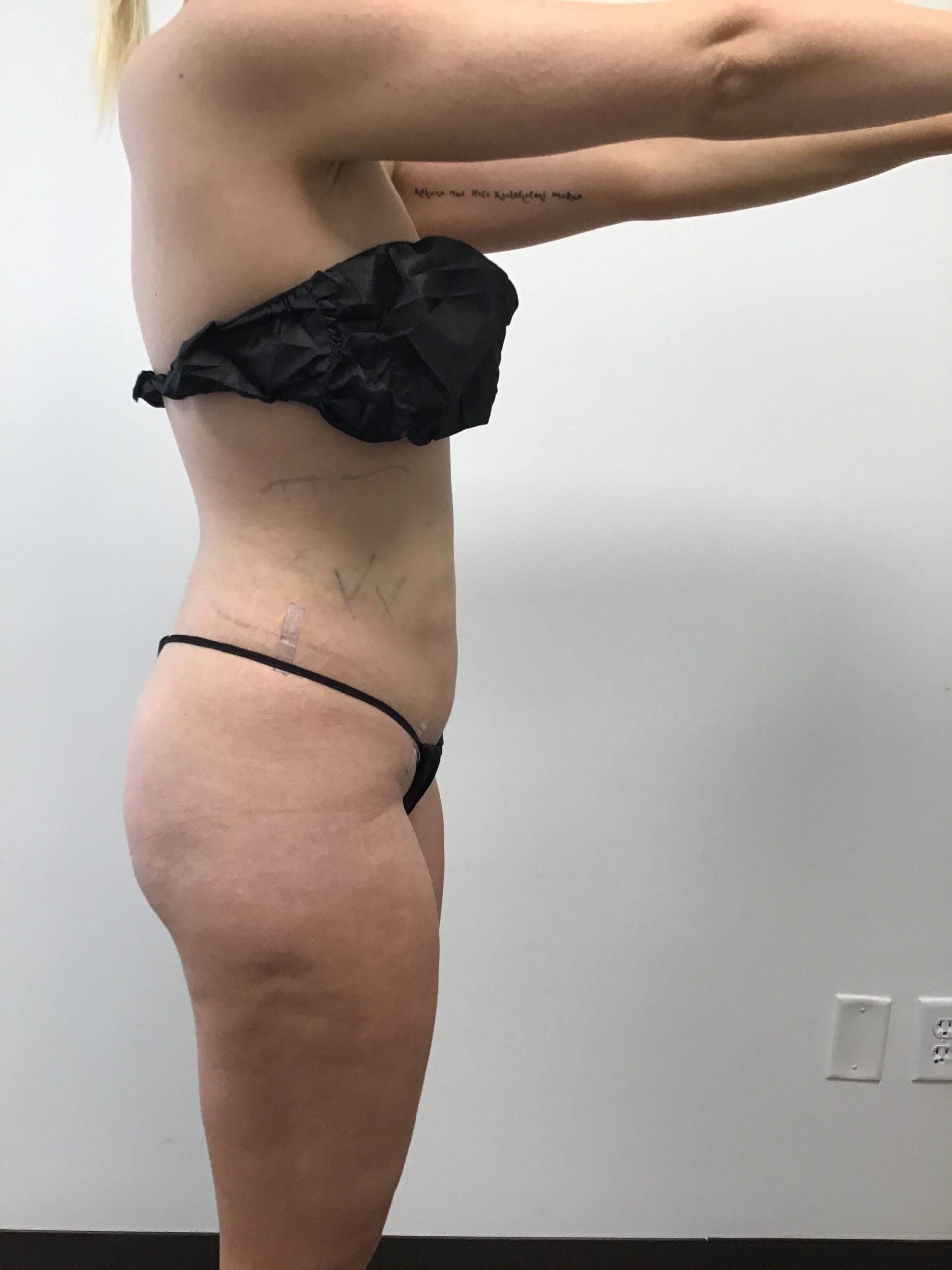
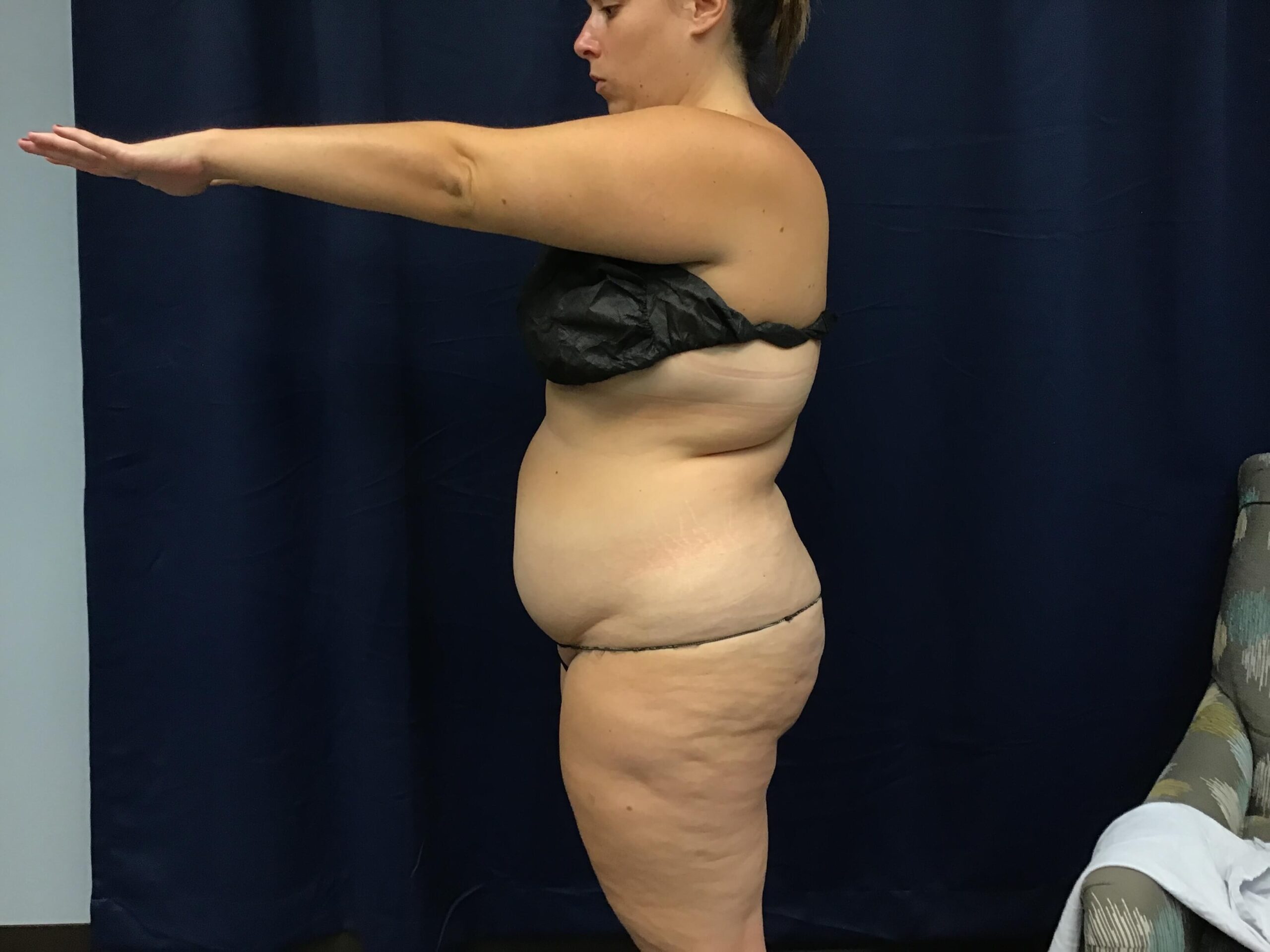
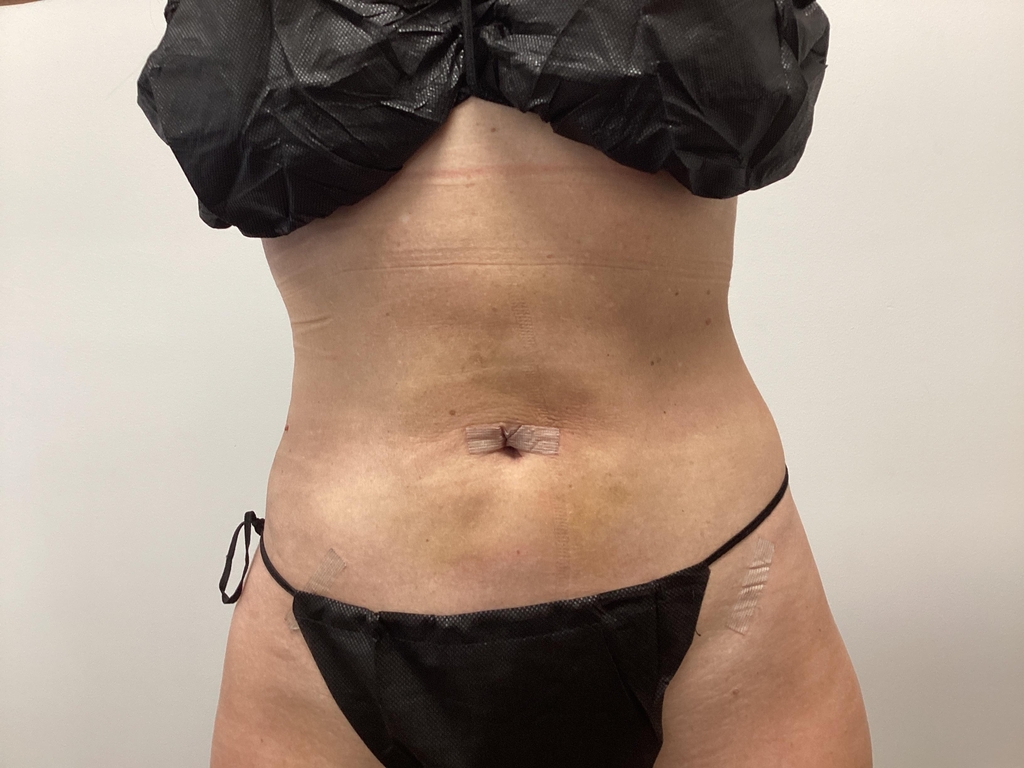
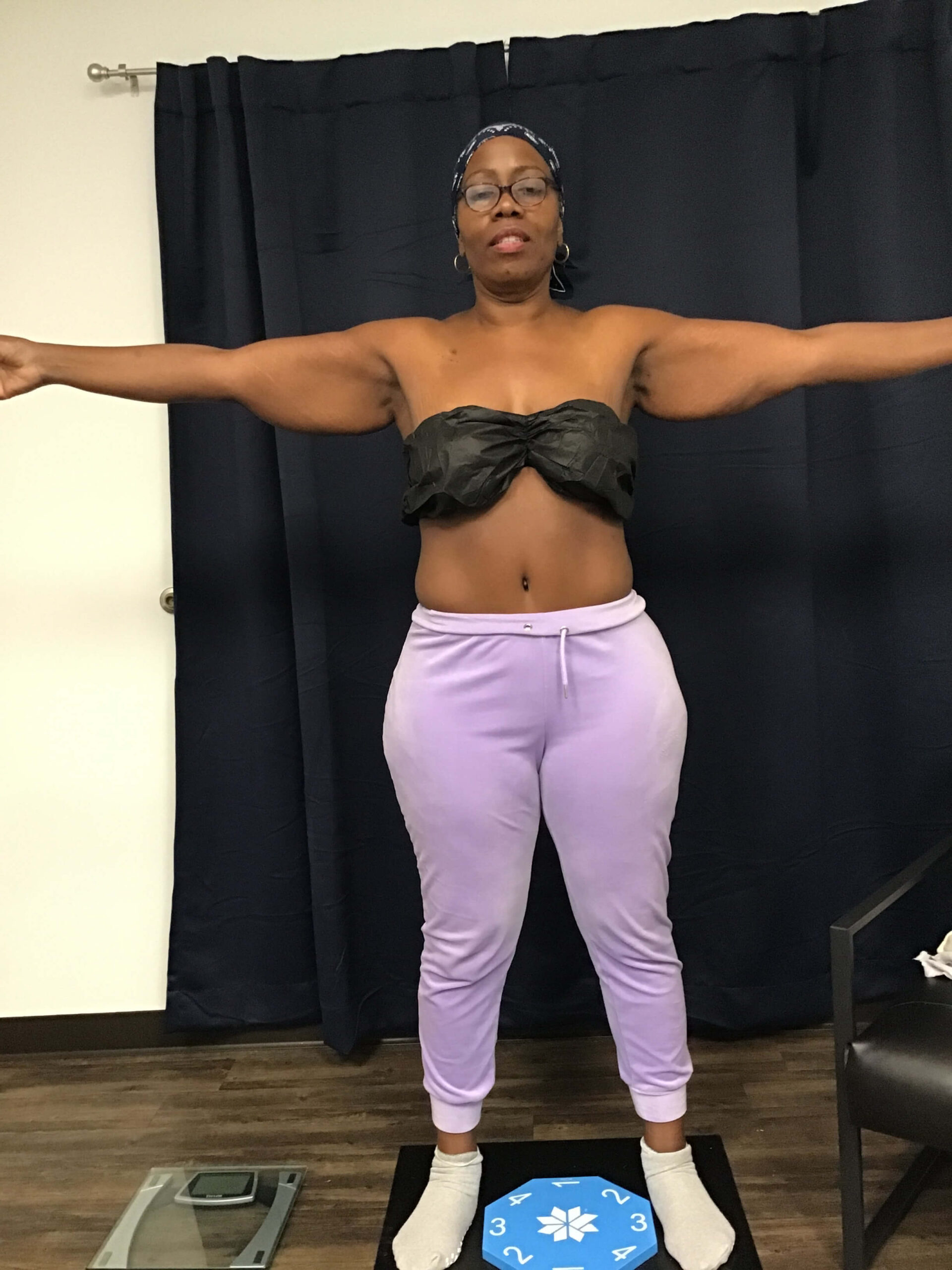
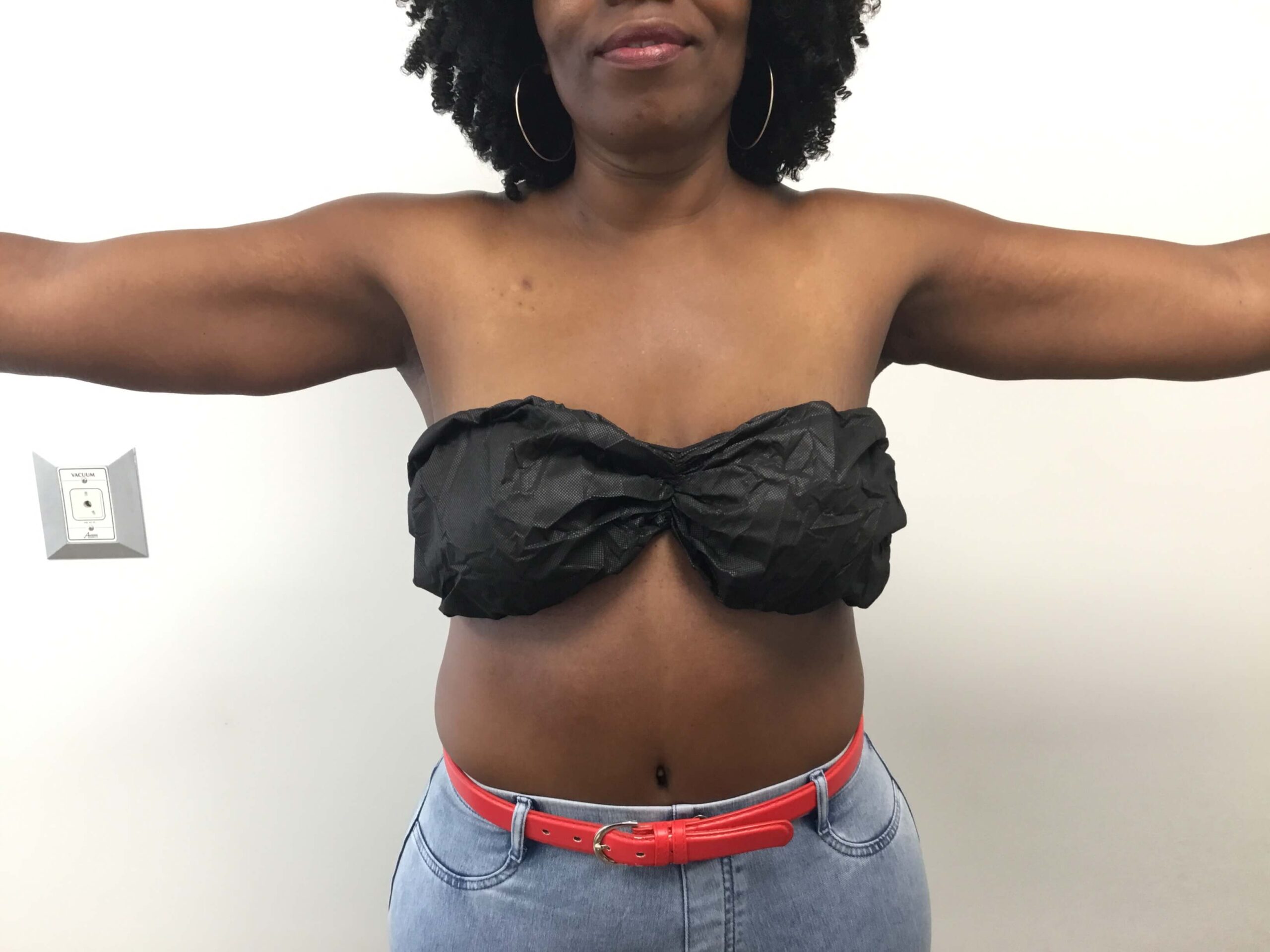
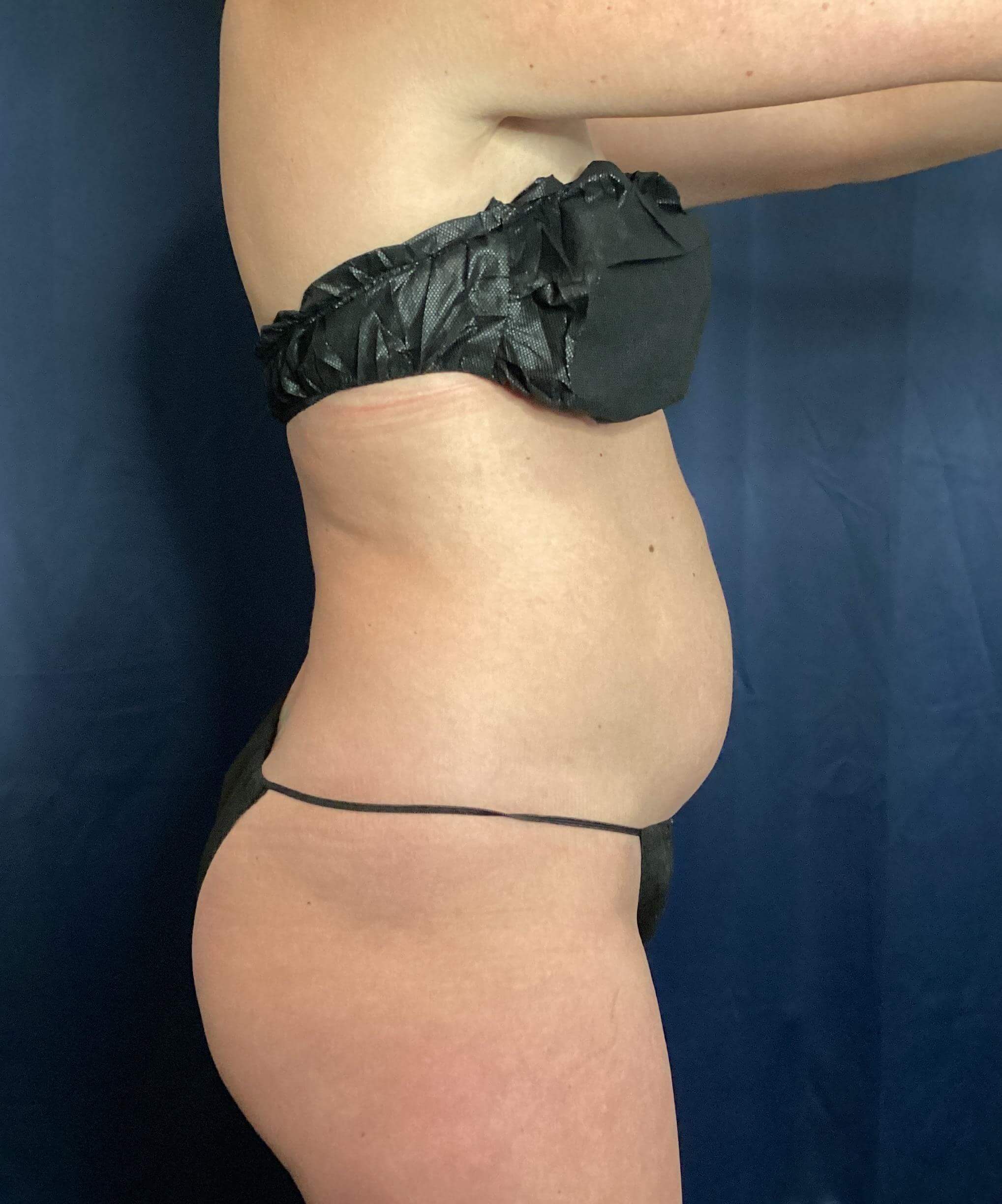
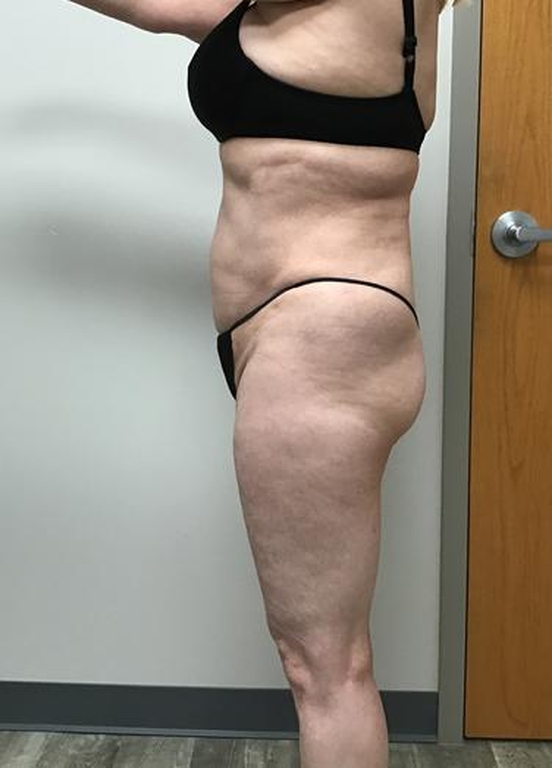
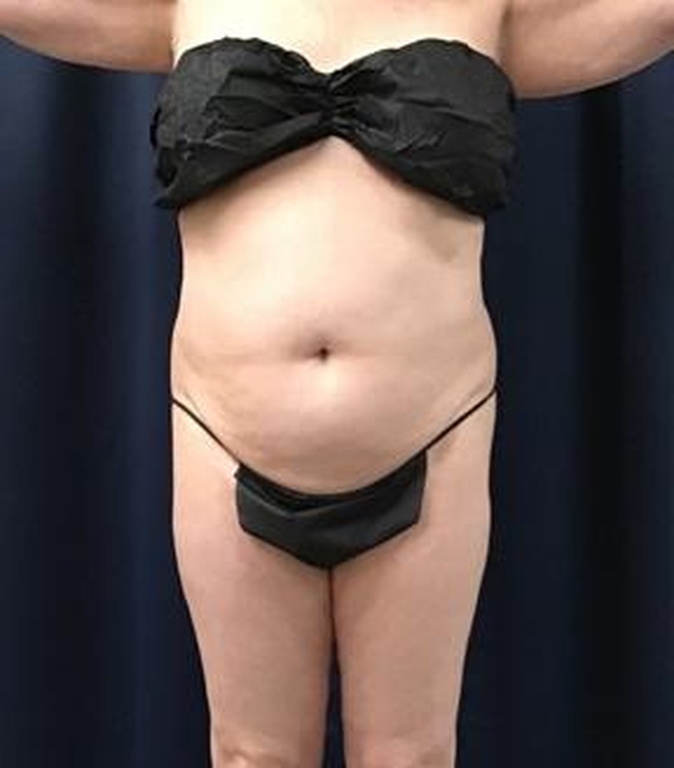
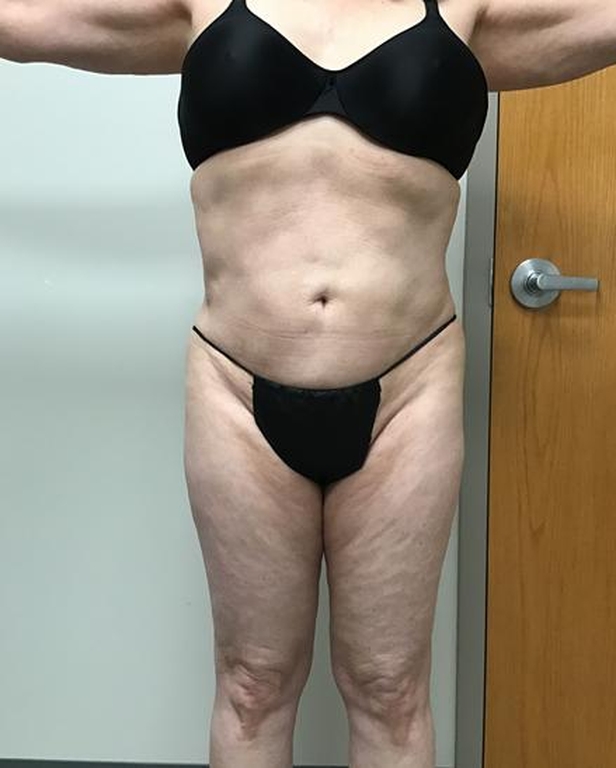
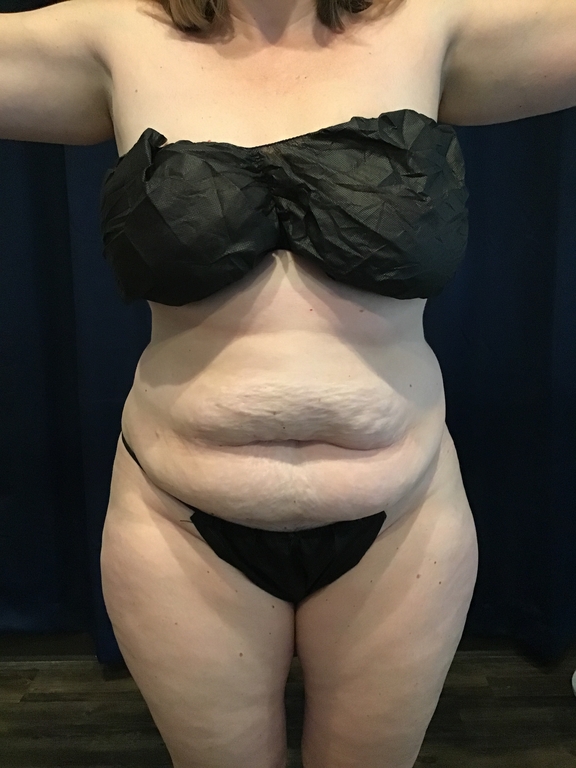
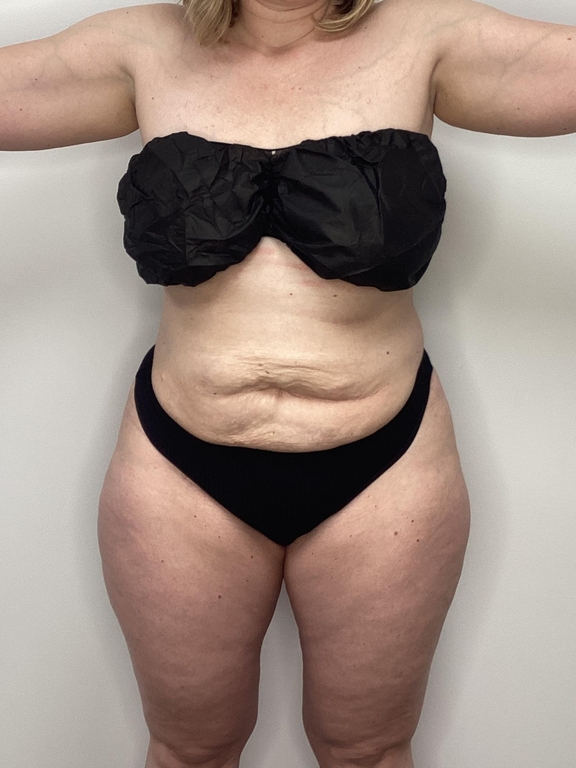
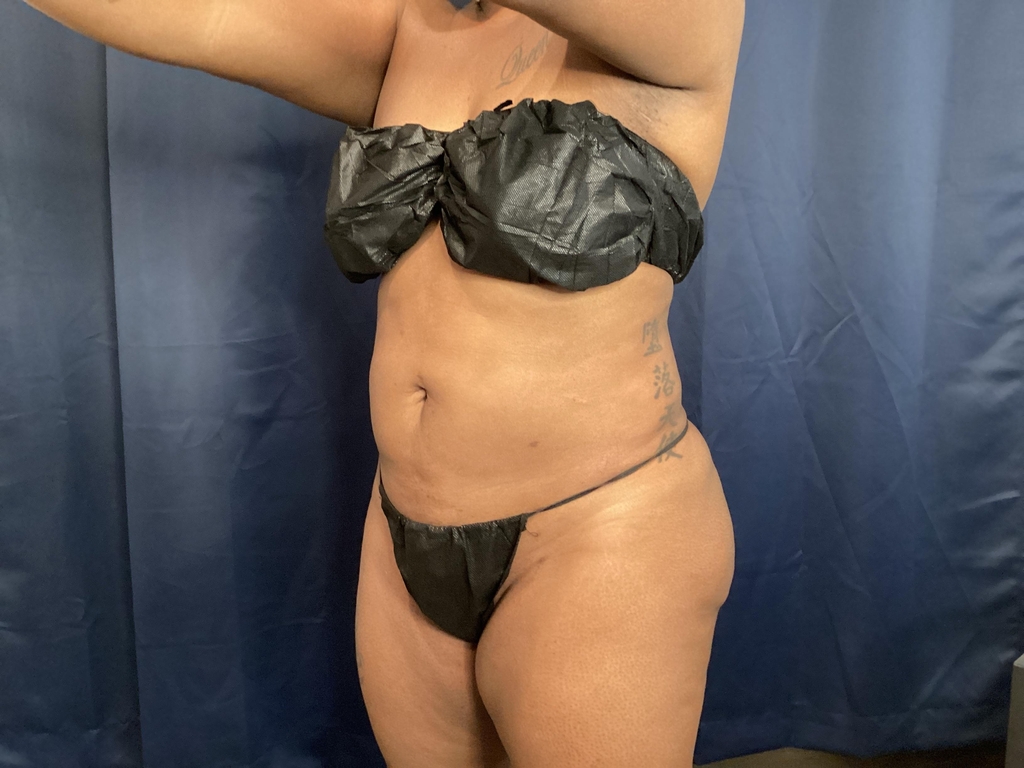
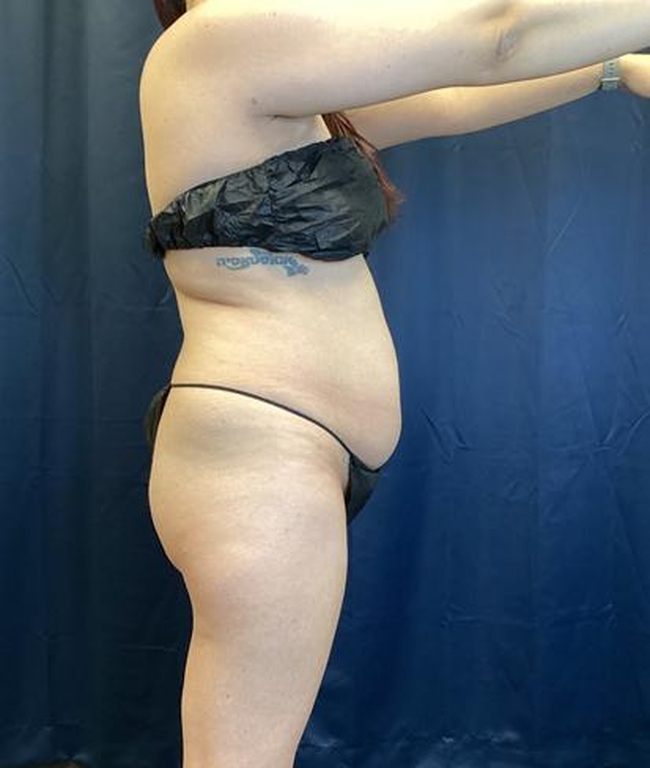
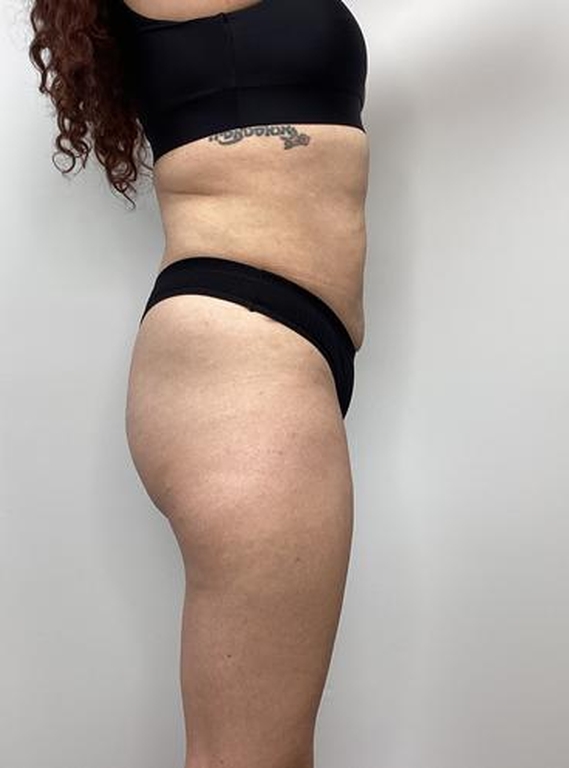
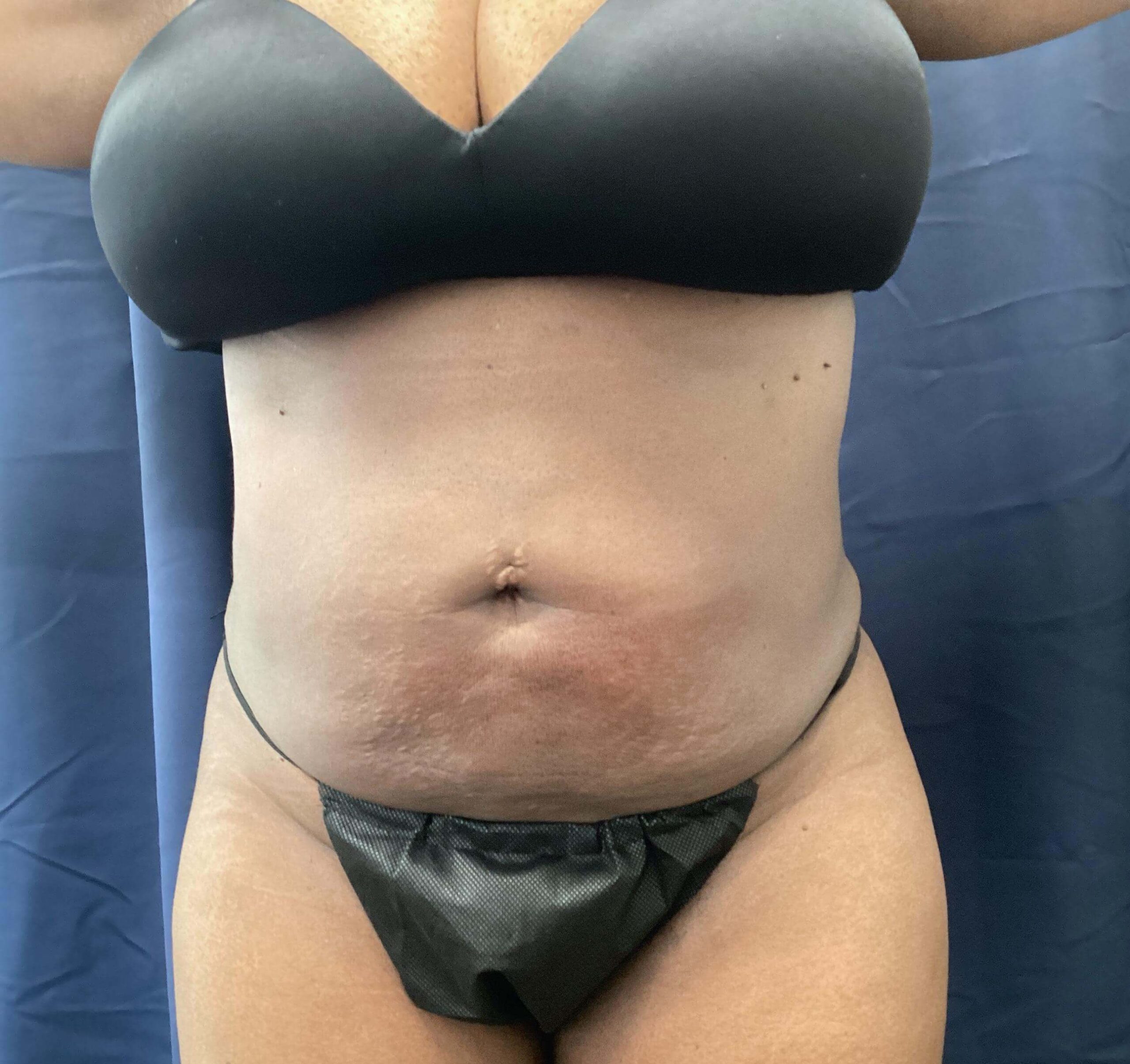
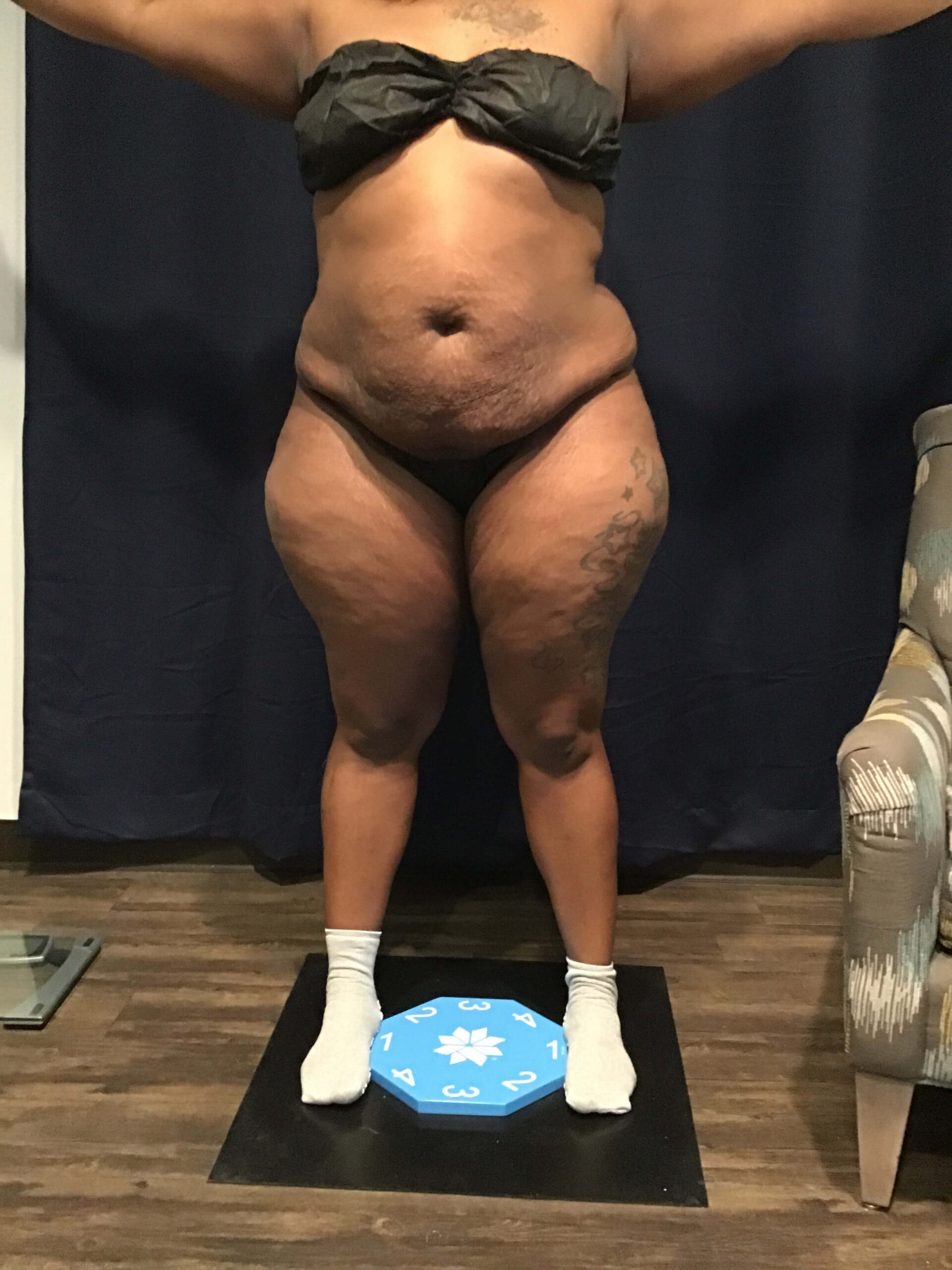
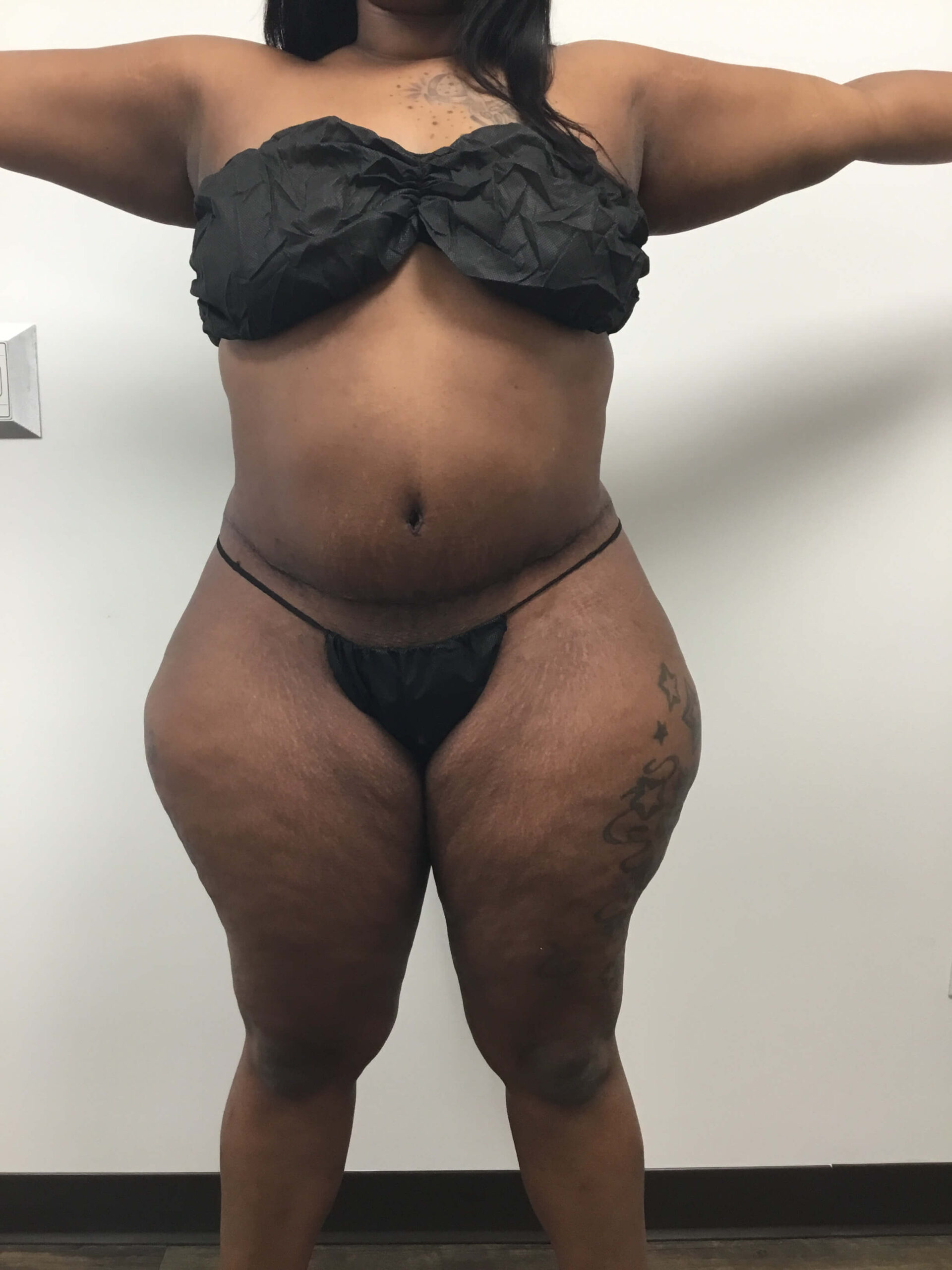
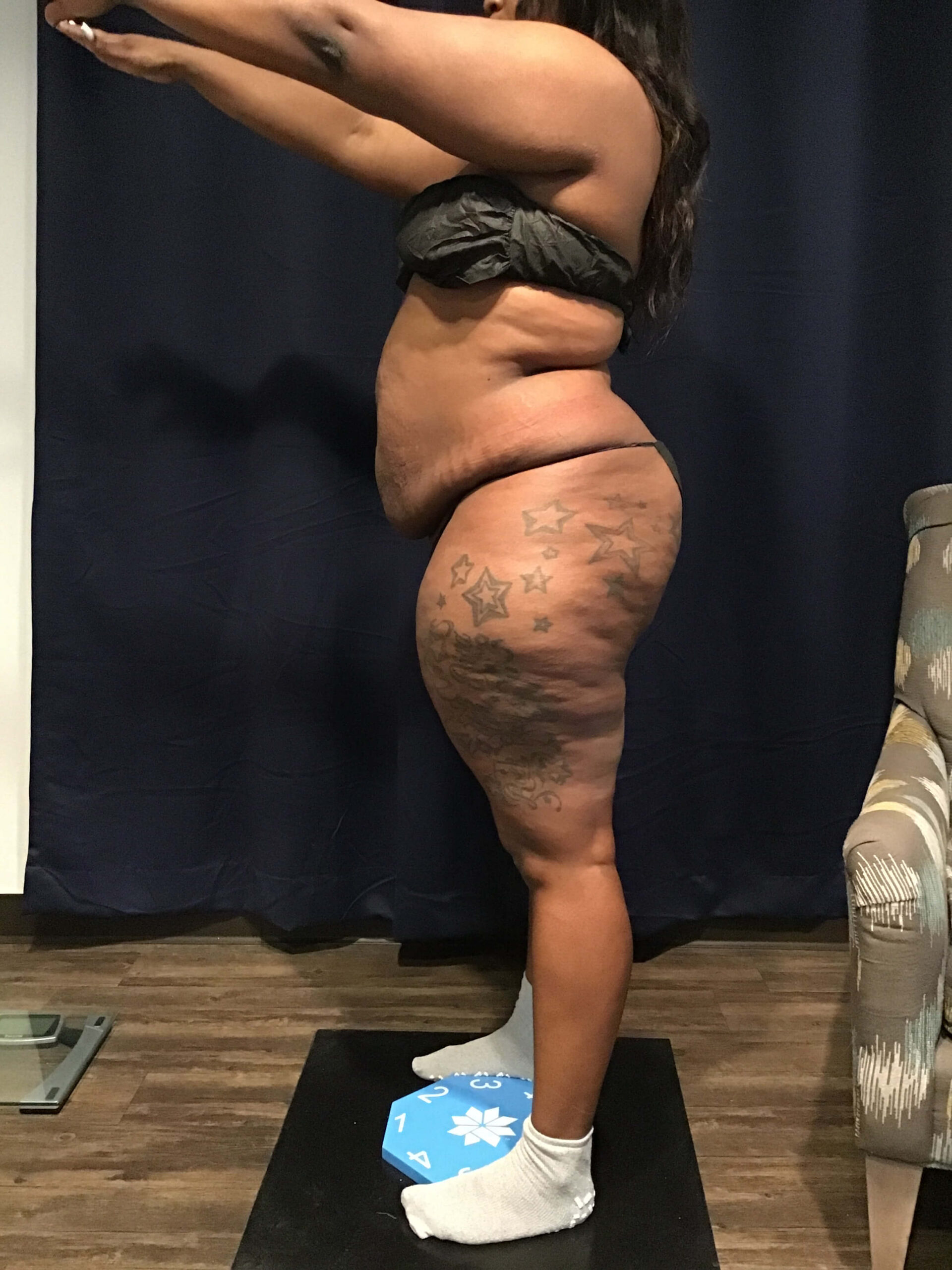
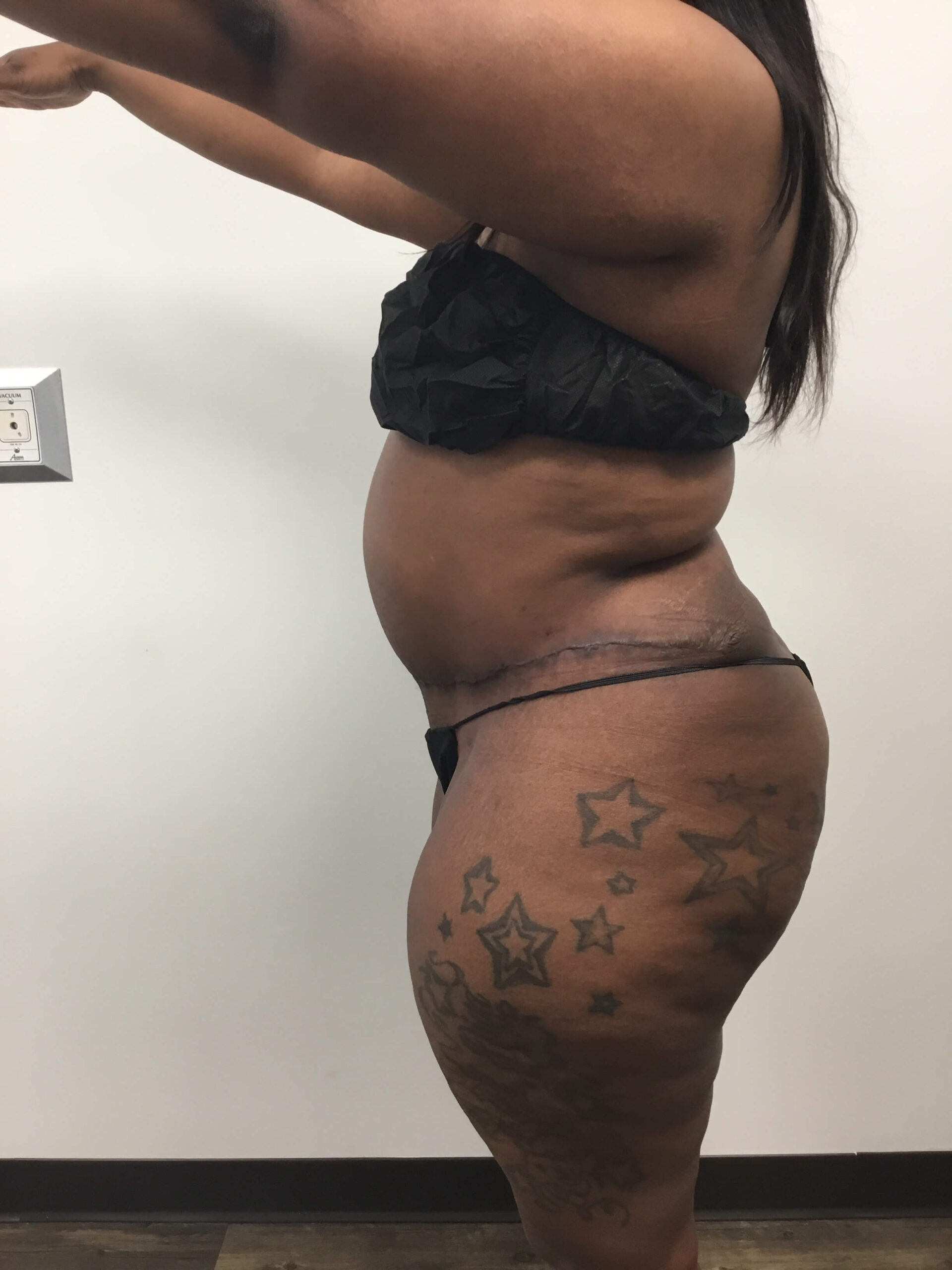
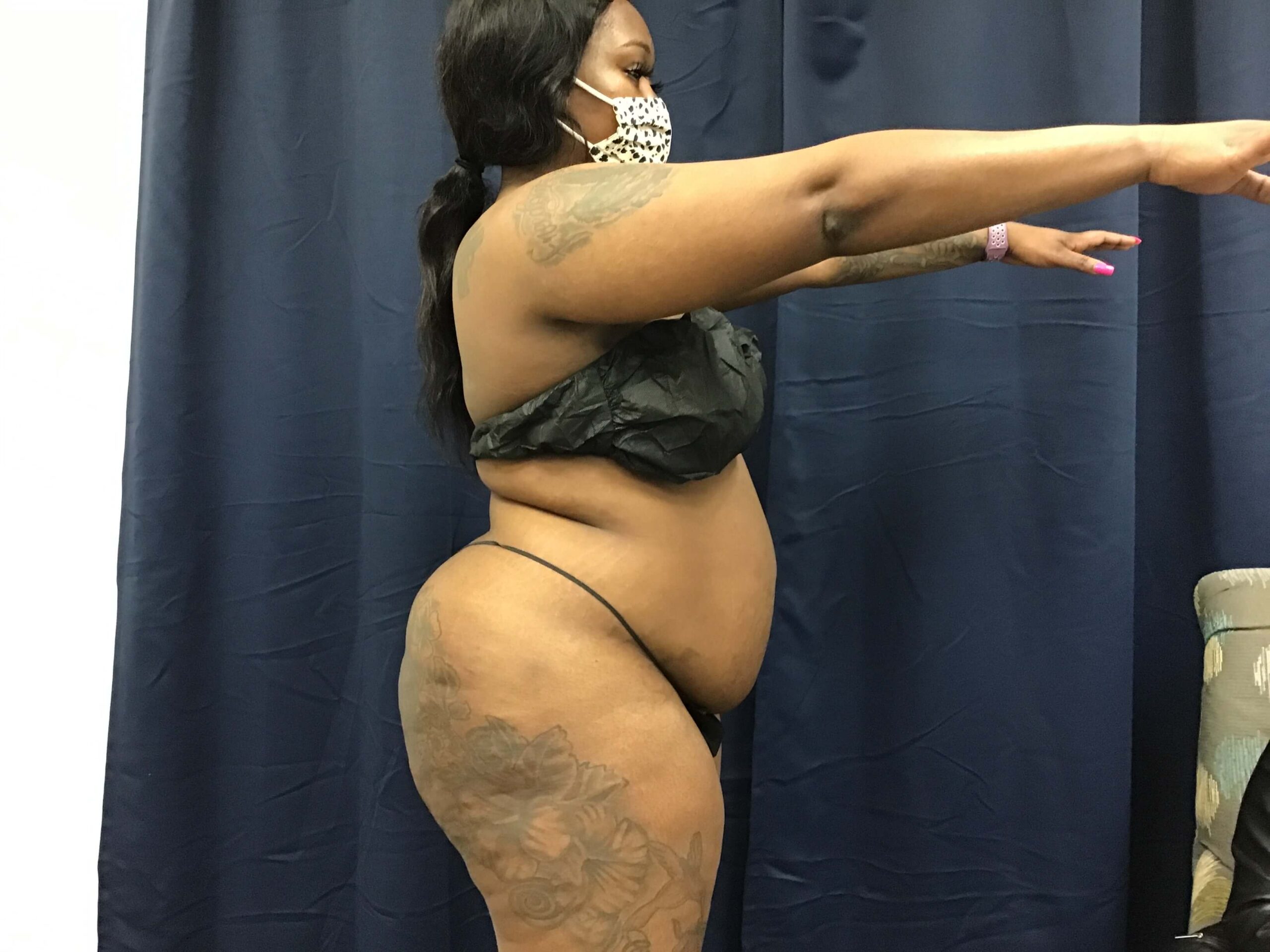
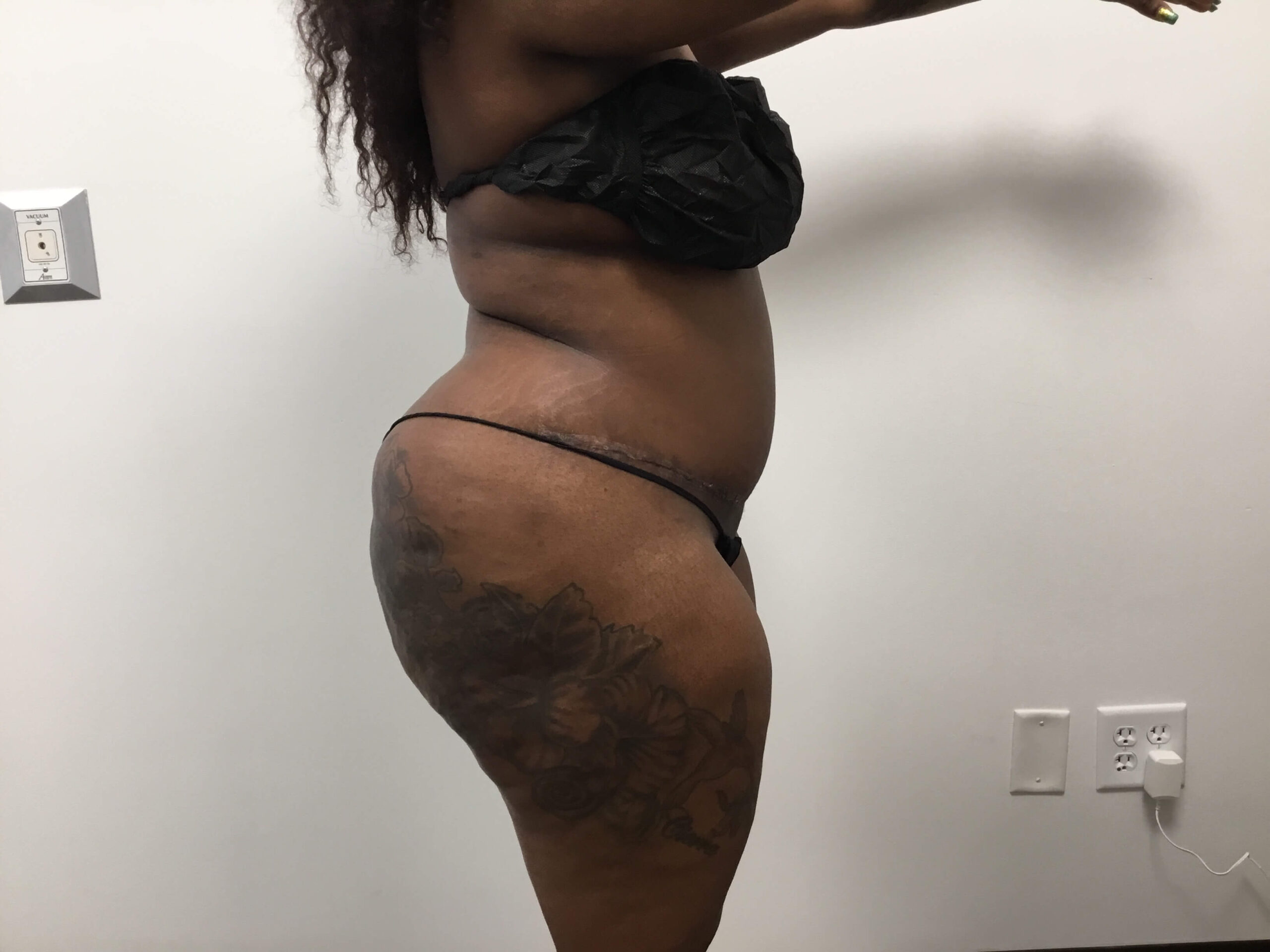
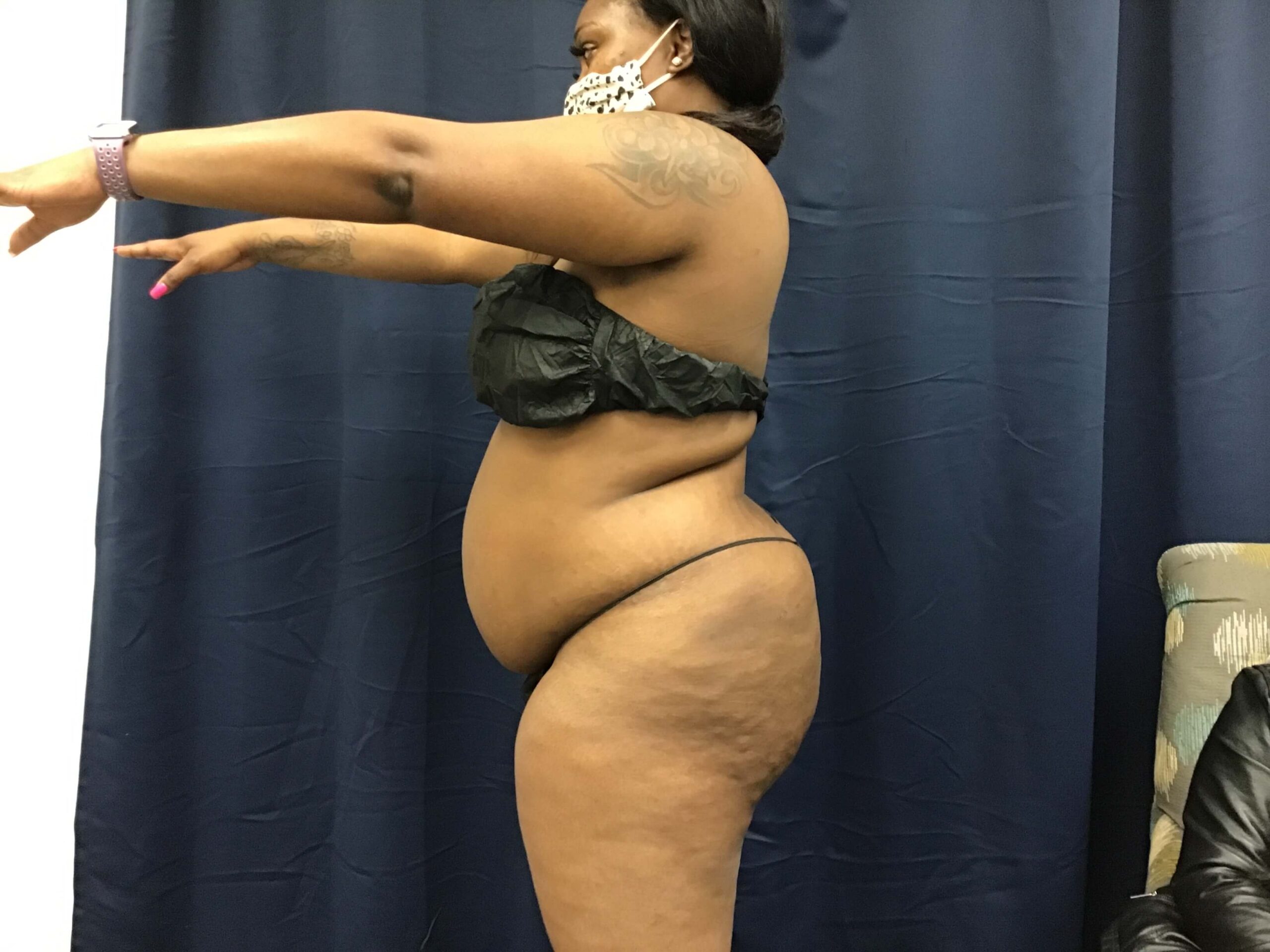
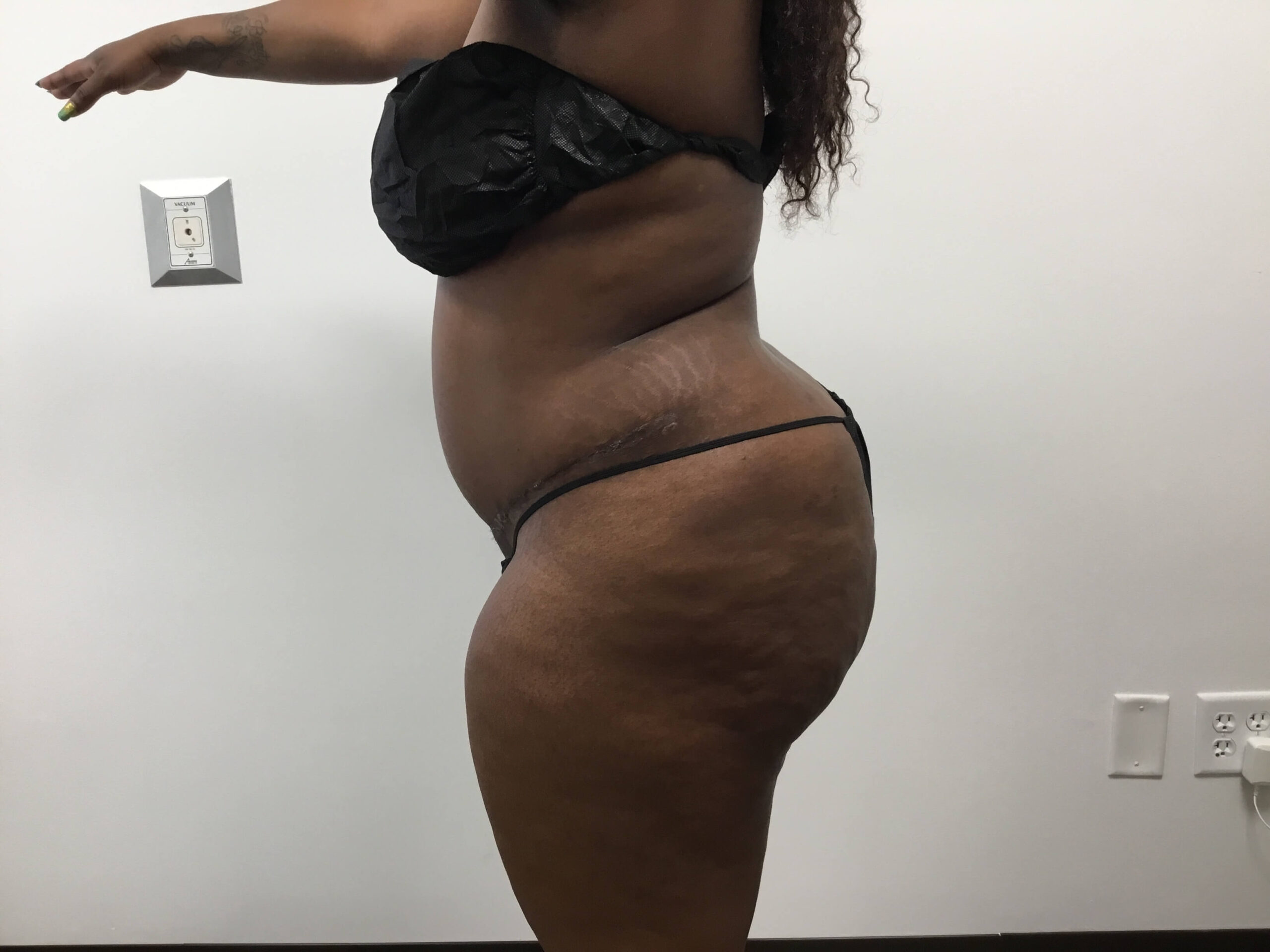
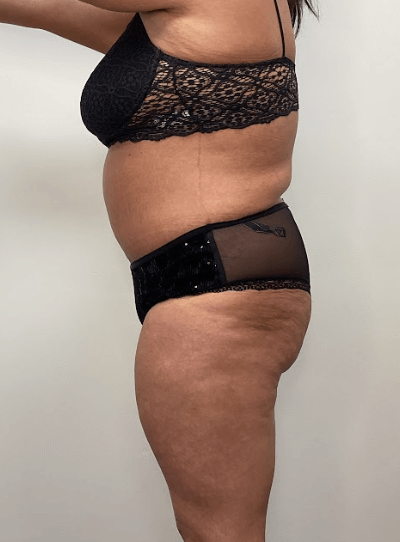
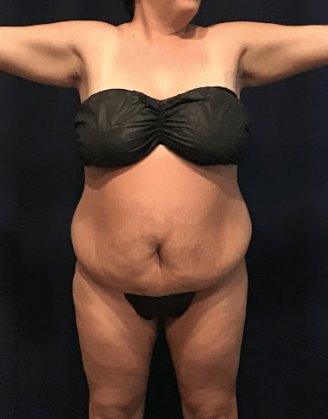
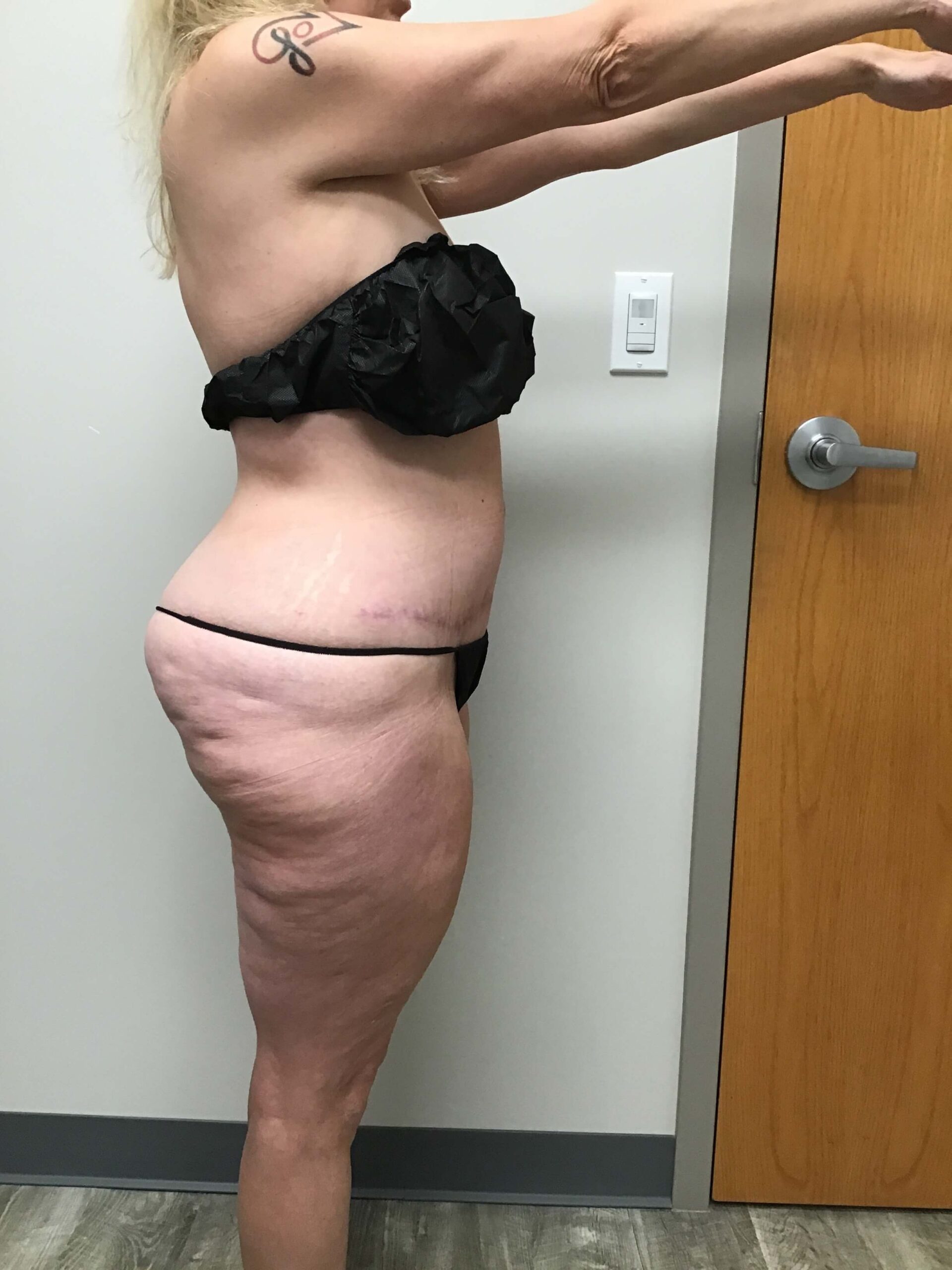
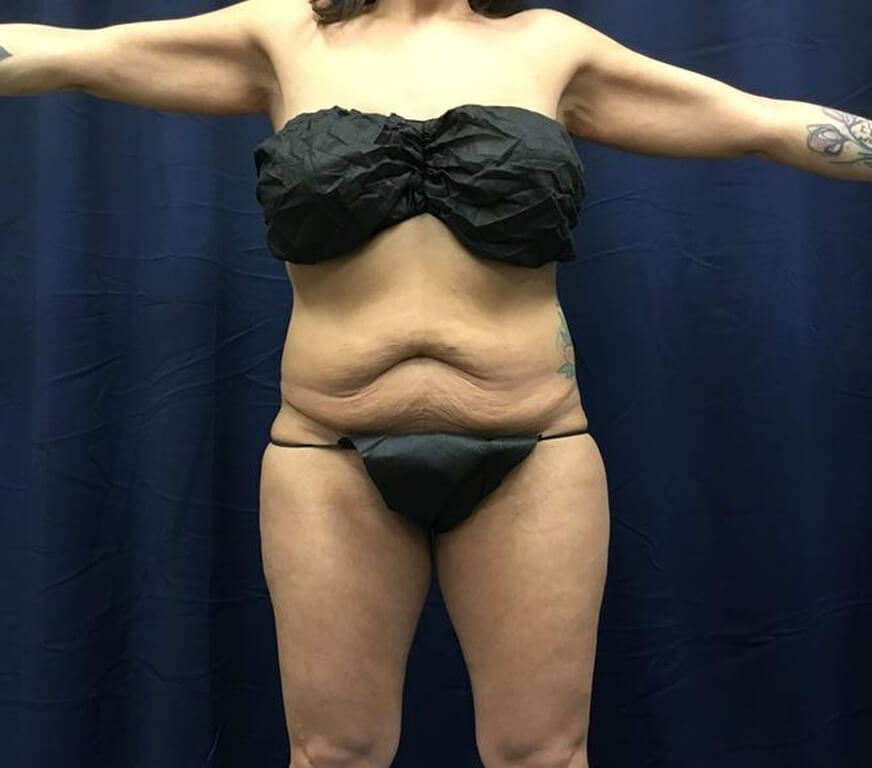
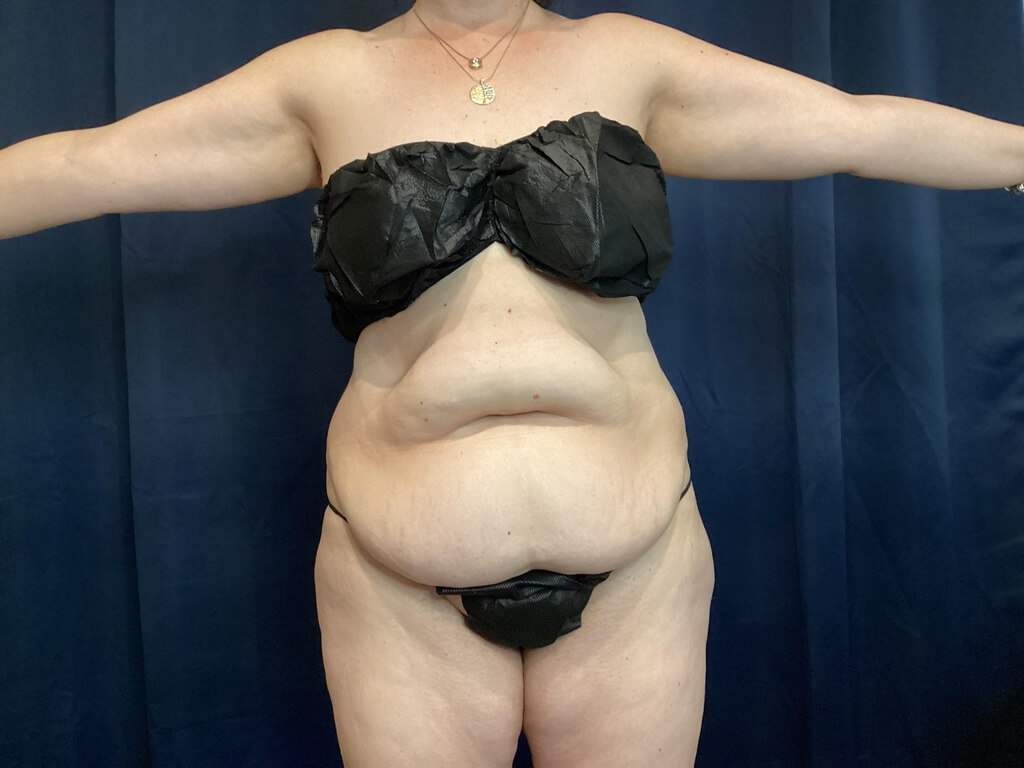
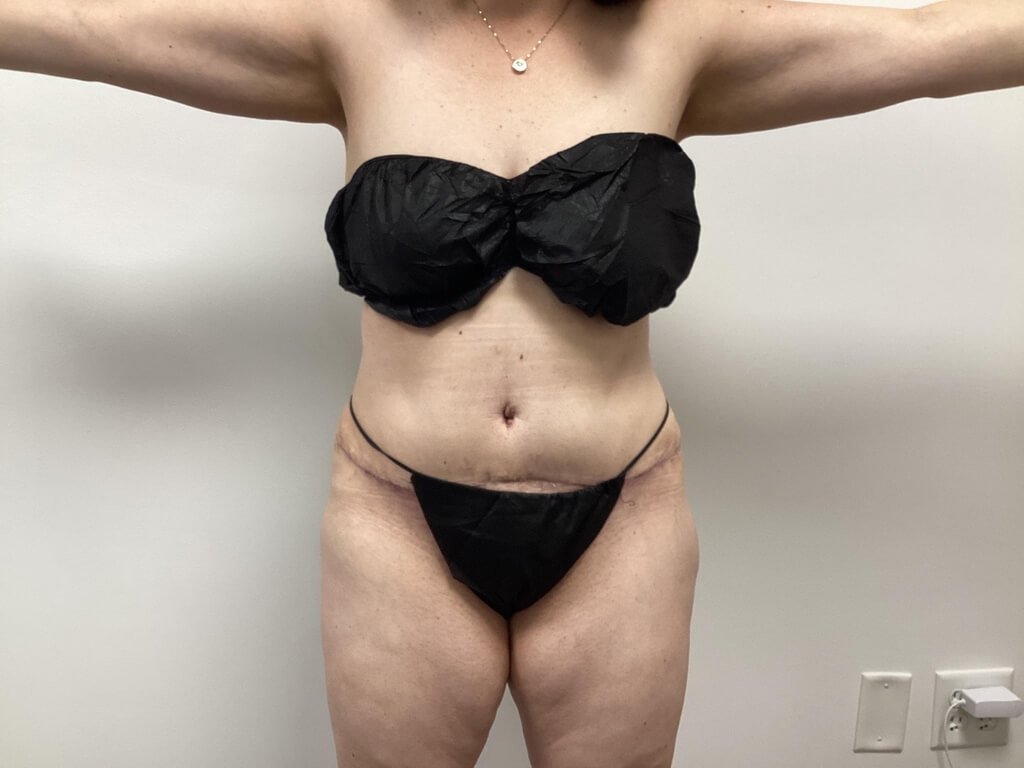
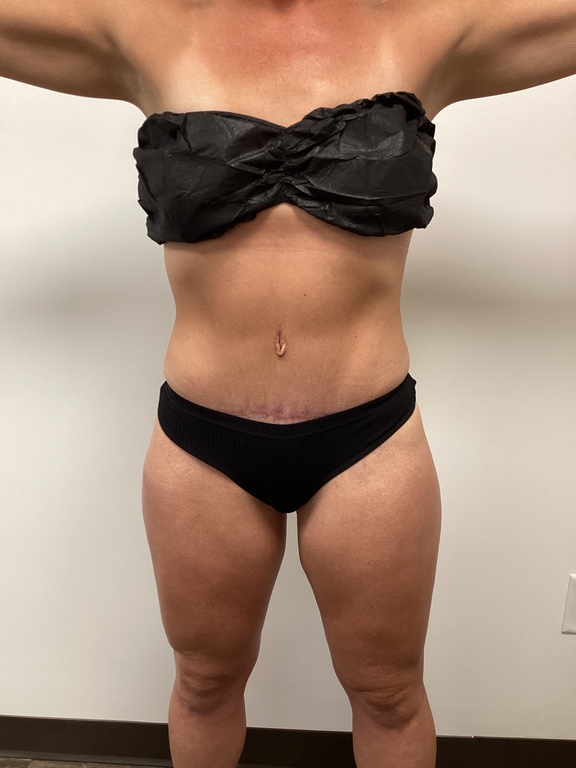
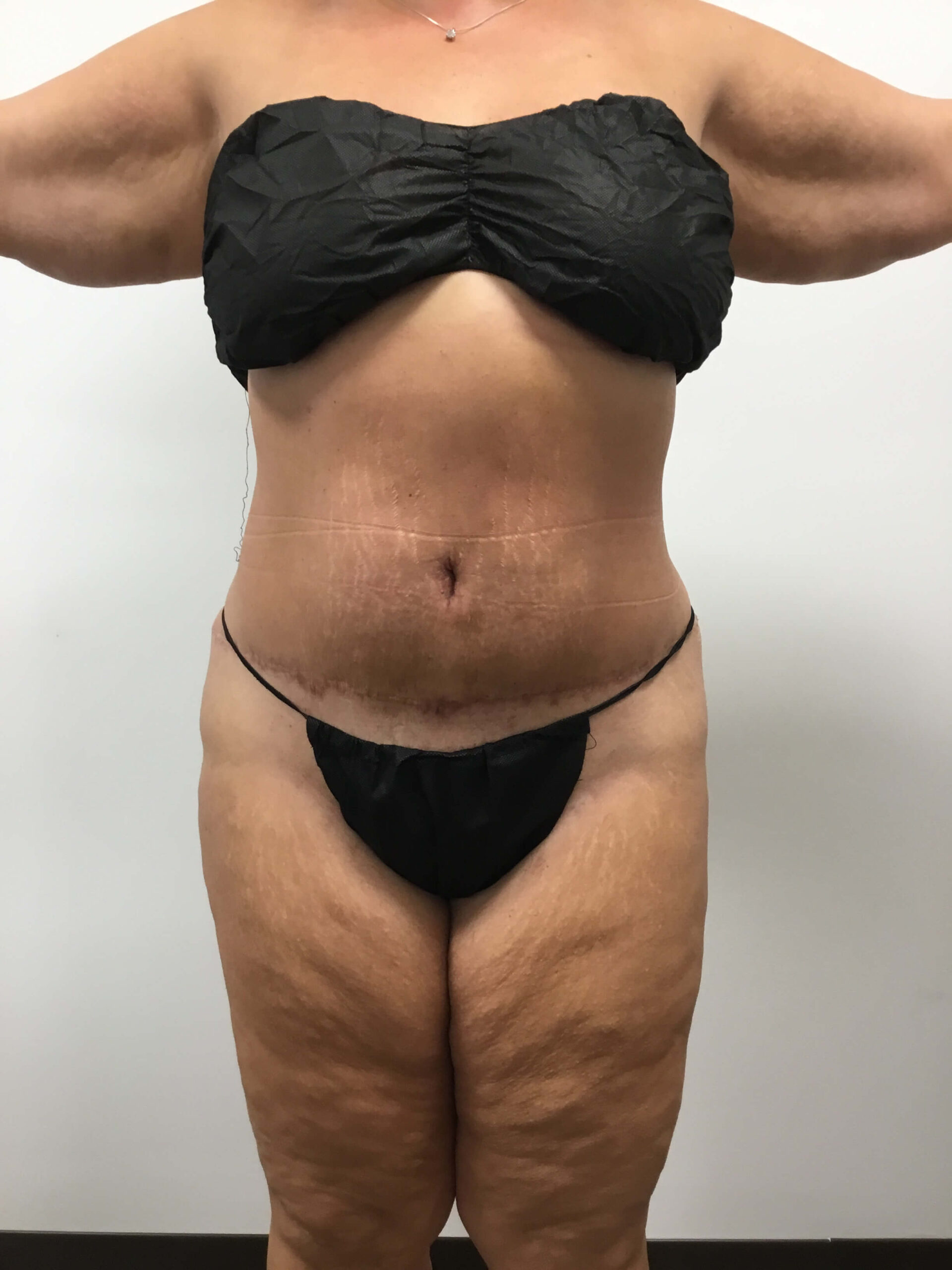
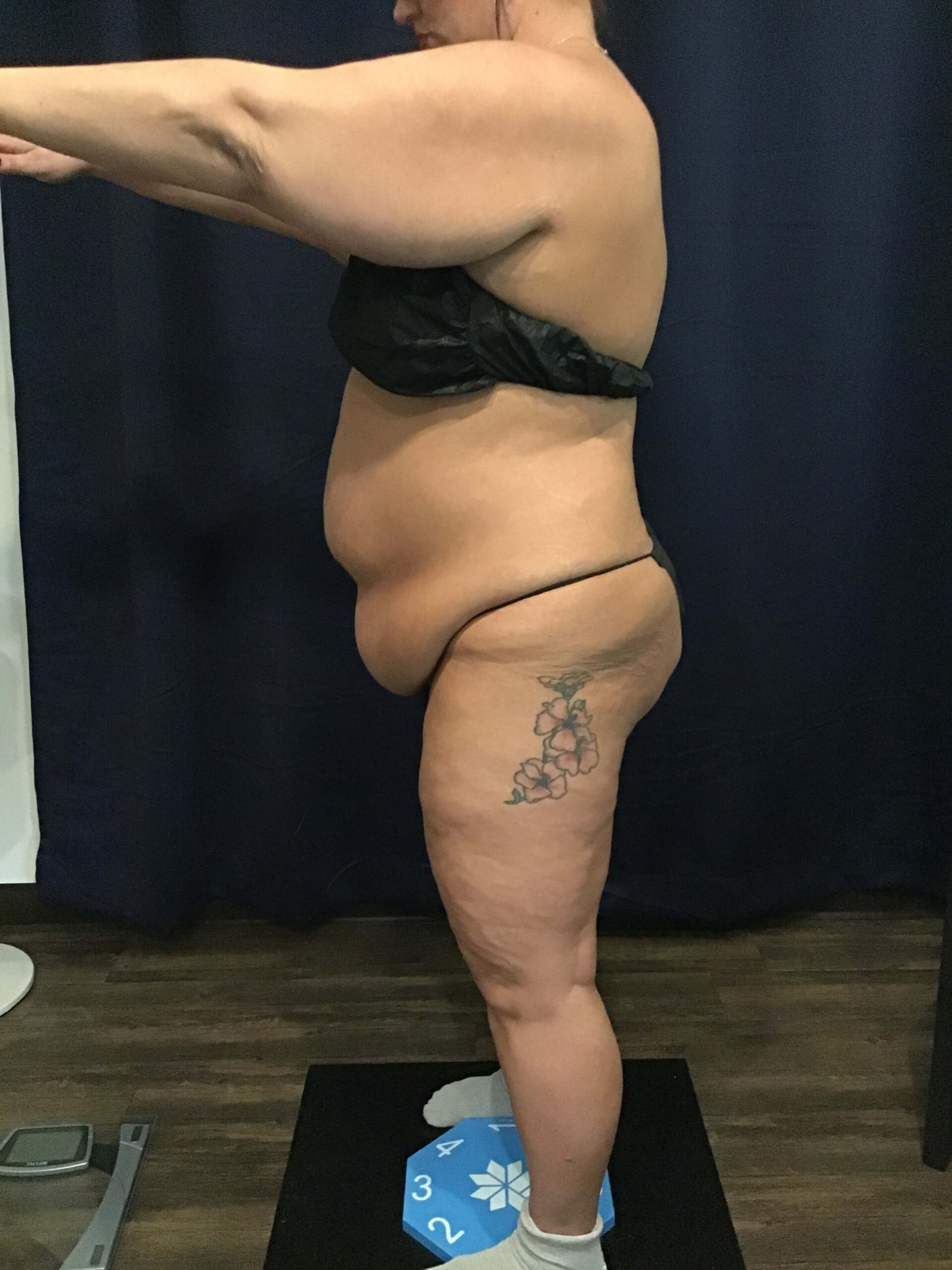
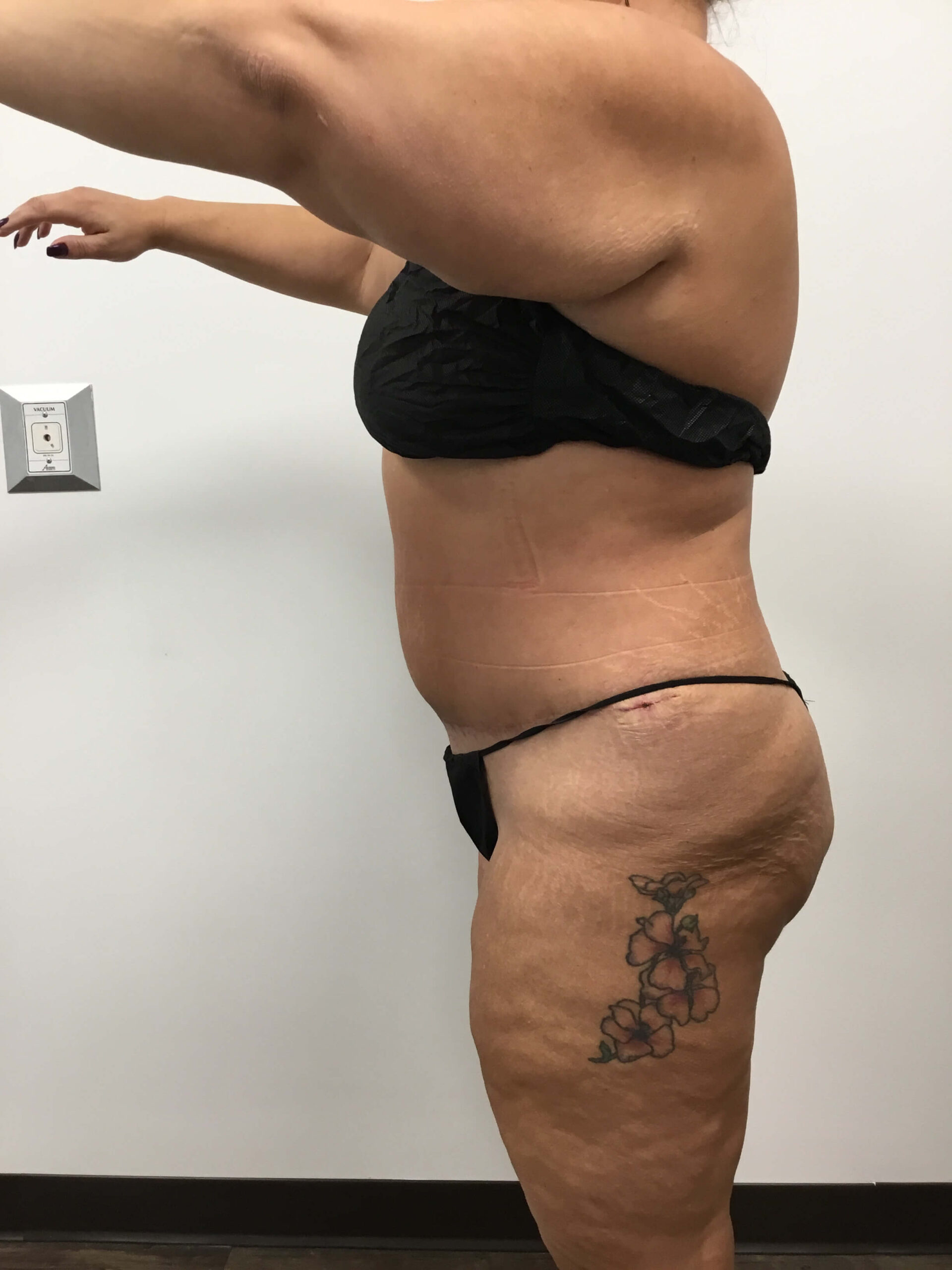
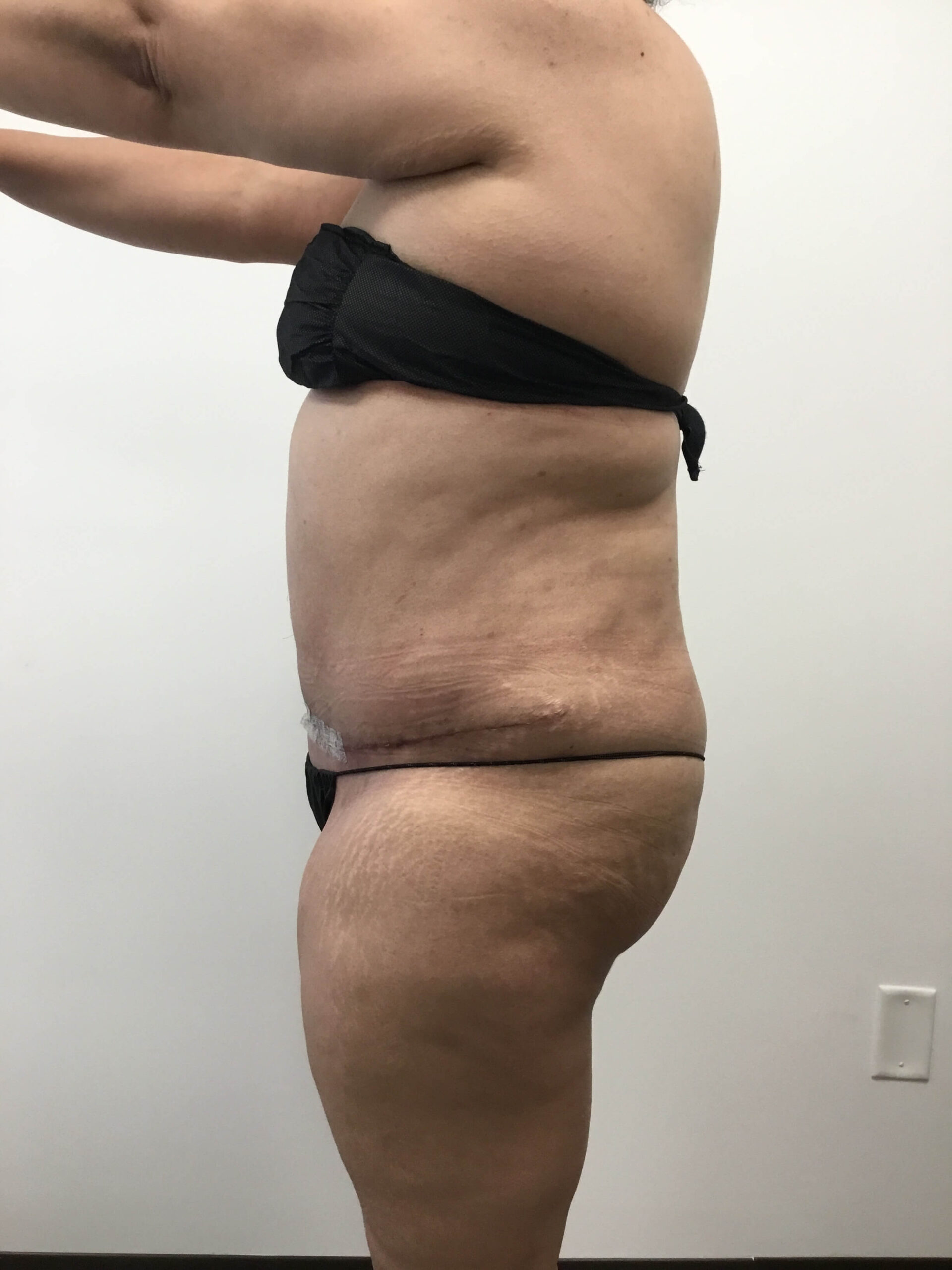
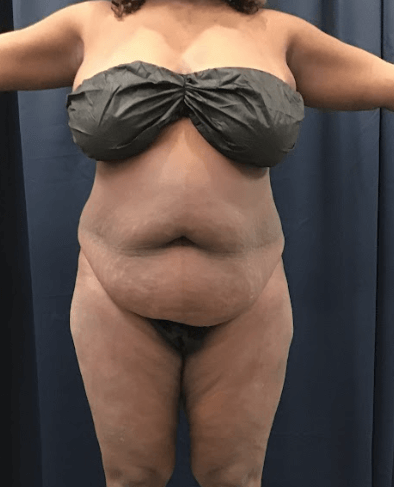
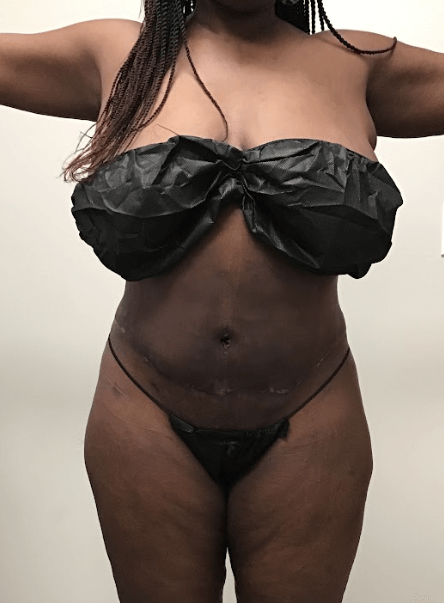
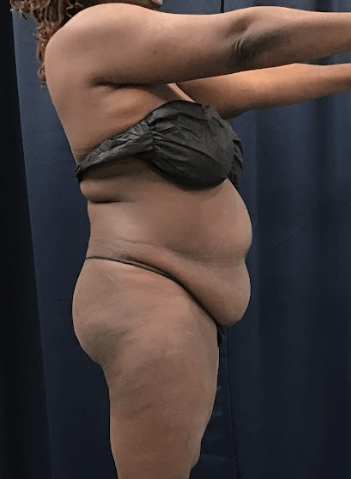
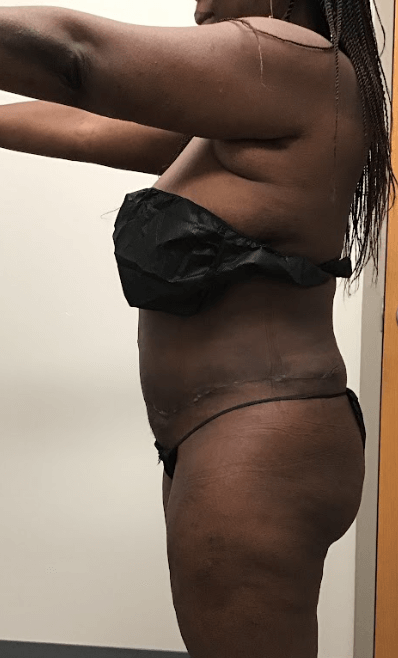
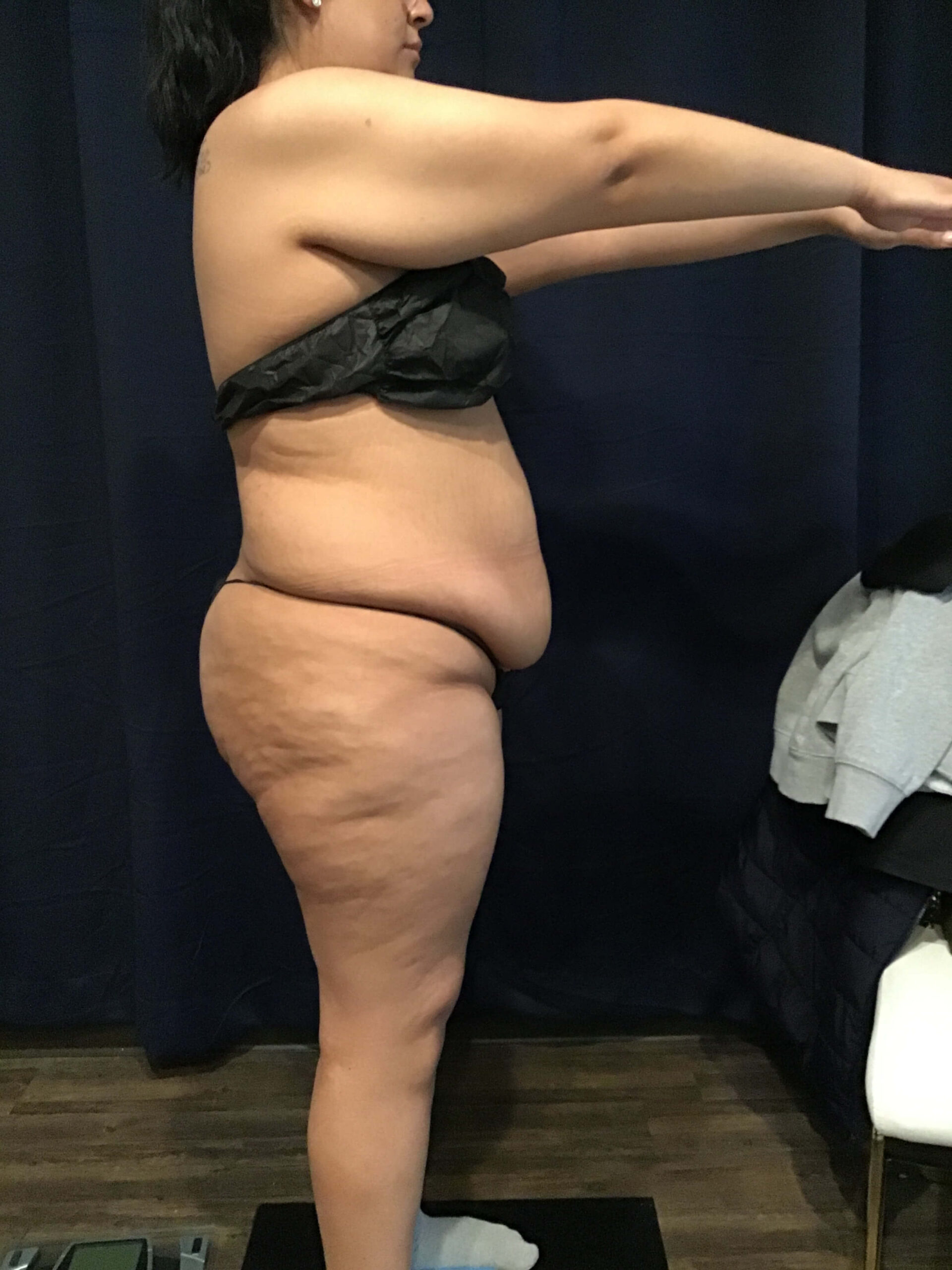
A standard tummy tuck works from a lower incision and does not reach the upper abdomen. The Reverse TickleTuck addresses the area above the navel, and it is also the answer when a previous tummy tuck left that area untreated.
The Mirror Test
"Do you find yourself pulling your skin upward - toward your chest - to see the result you want?"
If that gesture describes what you do in the mirror, you have already identified what needs to move, and in which direction. That upward pull is the vector of the Reverse TickleTuck. That is the assessment Dr. Zelko starts from at the consultation.
In-OfficeNo Hospital
Local OnlyNo General Anesthesia
Same DayHome After Procedure
Bra-HiddenComplete Scar Concealment
CurvesFlank Definition Enhanced
3-LayerTension-Free Closure
If you have done the research on tummy tucks and noticed that most procedures address the lower abdomen - you have already identified the gap this procedure closes.
The Reverse TickleTuck addresses the upper abdomen specifically: the area above the navel that a standard lower incision does not reach. It is also the right answer when a previous tummy tuck left the upper abdomen unaddressed, or when laxity is concentrated in the epigastric region. The incision is hidden entirely in the inframammary fold - in your bra. In-office, local anesthesia, same day home.
Who This Is For
Three Guests. One Procedure.
The Reverse TickleTuck addresses a specific anatomical presentation: upper abdominal skin laxity approached from above, through the inframammary fold, with the incision hidden in the bra. A standard tummy tuck, performed correctly - with thorough upper abdominal liposuction up and over the ribs and proper belly button repositioning - can address the upper abdomen as well. The Reverse TickleTuck is not a correction for a limitation of the standard procedure. It is a different approach suited to a different presentation. It serves three distinct guest profiles, each arriving at the same place from a different direction.
1
The Previous Tummy Tuck - Unfinished Business
A previous abdominoplasty was performed. The belly button was repositioned - correctly. Lower skin was removed. But the upper abdomen was not adequately addressed in the original plan, and the skin excess that remains is most visible and most bothersome above the belly button. The lower portion may look acceptable. The upper portion does not. The Reverse TickleTuck addresses the upper abdomen through a completely separate incision - the inframammary fold - without revisiting the original lower scar.
2
The Previous Lower Tuck Only - Upper Abdomen Never Addressed
A previous procedure removed lower abdominal skin - equivalent to a TickleTuck - and at the time, the upper abdomen appeared acceptable or was deliberately left alone. Over time, or on reflection, the upper abdominal laxity has become the primary concern. The previous surgery was not inadequate for what it set out to do. It simply did not set out to address the upper abdomen. The Reverse TickleTuck completes what the first procedure left unstarted.
3
No Previous Surgery - Upper Laxity Only, Never Told a Solution Existed
Post-childbearing. Upper abdominal skin laxity. Lower abdomen reasonably taut. This guest has been living with the upper looseness either because she assumed a full tummy tuck was the only option - and the recovery, cost, and hospital setting made that unrealistic - or because no surgeon she consulted identified the Reverse TickleTuck as the targeted, appropriate solution. The procedure exists. It is precisely indicated for her presentation. It is performed in-office under local anesthesia with same-day discharge.
The Lipo-First Rule Applies Here Too
Thorough TickleLipo of the upper abdomen - extending up to and over the lower rib cage - is performed before every Reverse TickleTuck. Incomplete liposuction of the upper abdomen is frequently a contributing factor in why previous tummy tucks left upper abdominal laxity unresolved. Fat that was never removed holds the skin out and makes the redundancy more visible. The lipo must be done first, thoroughly, before the true degree of skin excess can be assessed and addressed.
The Shape Argument
Not Just Flat - Actually Curved
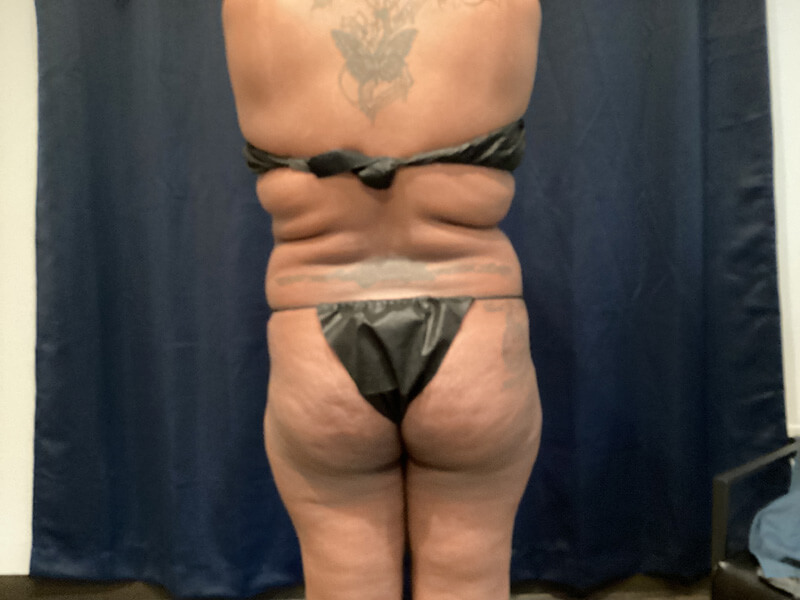
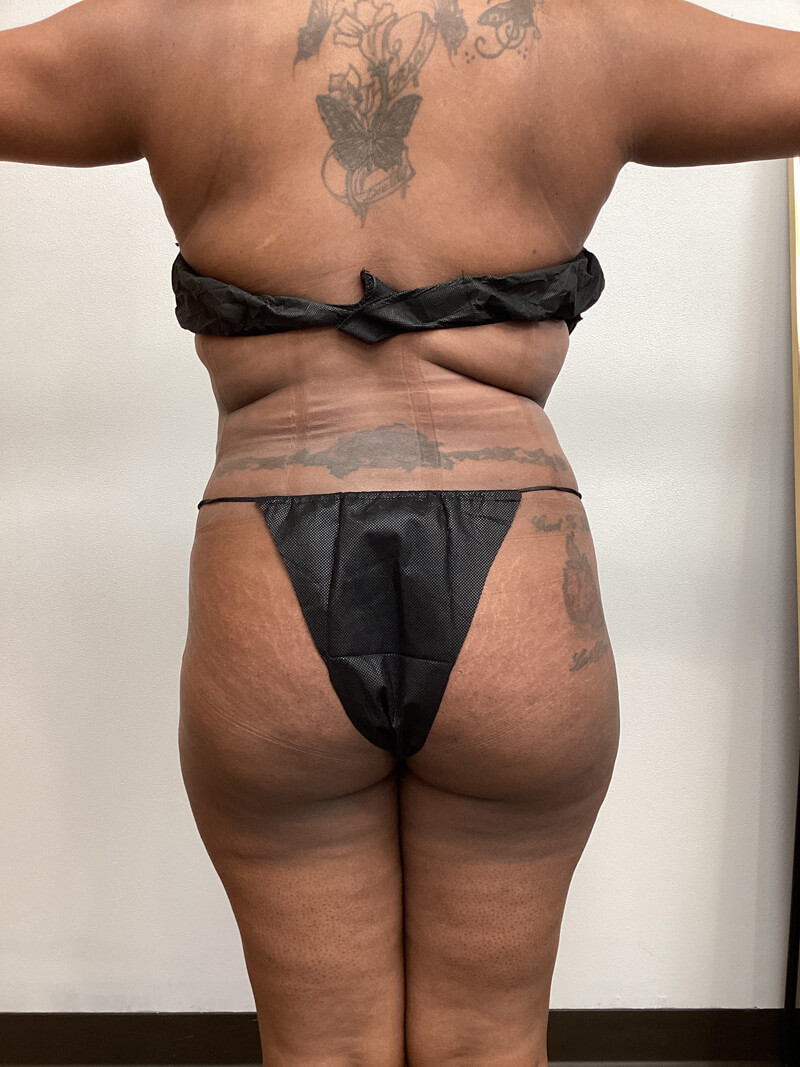
This is one of the most clinically important and least-discussed distinctions in abdominal contouring. The direction of skin pull during a tummy tuck directly determines what happens to the shape of the flanks and waist - and the conventional lower tuck and the Reverse TickleTuck produce opposite results.
Standard Lower Tummy TuckPulls Downward
Skin tension directed toward the pubic area
Lateral tension flattens and straightens the waist contour
Flanks become more linear - less defined curve
Result: flatter abdomen, but a more straight-sided, less feminine silhouette
The downward pull can produce a flatter but straighter, less curved lateral silhouette
Reverse TickleTuckPulls Upward
Skin tension directed toward the inframammary fold
Lateral tension lifts - preserving the natural waist curve
Flanks are actively accentuated - the elliptical tail defines the curve
Result: tighter upper abdomen AND a more pronounced, feminine waist-to-hip ratio
For guests whose primary goal is defined, curvy flanks - this directional difference matters as much as the amount of skin removed
"For the guest who wants curves - not just flatness - the direction of pull matters as much as the amount of skin removed."
- Dr. Timothy Zelko, D.O.Candidacy
Is the Reverse TickleTuck Right for You?
The Breast Size Consideration
The Reverse TickleTuck incision is placed in the inframammary fold - the natural crease beneath the breast. For this concealment to be complete, adequate breast volume is necessary to cover the incision. The fold needs depth for the incision to sit within it rather than below it. Guests who are very flat-chested may not have sufficient fold depth to fully conceal the incision, making them less ideal candidates for this specific approach.
This is not a disqualifying conversation - it is an honest one. Dr. Zelko assesses inframammary fold depth at consultation and provides a frank recommendation based on what will actually produce a concealed result.
The Self-Diagnosis Gesture
The most reliable screening question for Reverse TickleTuck candidacy does not require imaging or measurements. It requires a mirror. If you find yourself standing in front of a mirror and pulling your upper abdominal skin upward toward your chest to see the result you want - that gesture is your body performing its own pre-operative assessment. The direction you are pulling is the direction the procedure works. The amount of improvement you see when you pull is approximately the improvement the procedure can produce.
Post-Childbearing - The Typical Presentation
Most Reverse TickleTuck candidates are post-childbearing. Pregnancy stretches the upper abdominal skin differently than the lower - and the upper envelope is frequently overlooked in conventional tummy tuck planning, which focuses primarily on the lower abdomen and the periumbilical region. The upper abdominal laxity that results from multiple pregnancies often goes unaddressed for years simply because most guests and most surgeons default to the standard lower tuck without considering whether the upper abdomen is the primary concern.
The Procedure
Step by Step - What Actually Happens
1
TickleLipo - Upper Abdomen and Over the Lower Rib Cage
Tumescent anesthesia is infiltrated throughout the upper abdomen, extending up to and over the lower rib cage. This is a non-negotiable first step. Thorough liposuction of the upper abdomen - including over the ribs - must be completed before any excision is planned. Fat that remains in the upper abdomen and over the ribs holds the skin outward and makes the residual laxity look worse than it is. The lipo reveals the true skin excess. The tuck addresses what the lipo uncovers. A foot massage is administered during the liposuction portion - consistent with the care philosophy at Zelko Aesthetics.
2
Break and Reset
After TickleLipo, a deliberate pause. Bathroom, stretch, reset. Lunch is ordered for you and your significant other - present throughout the day - before the tuck portion begins.
3
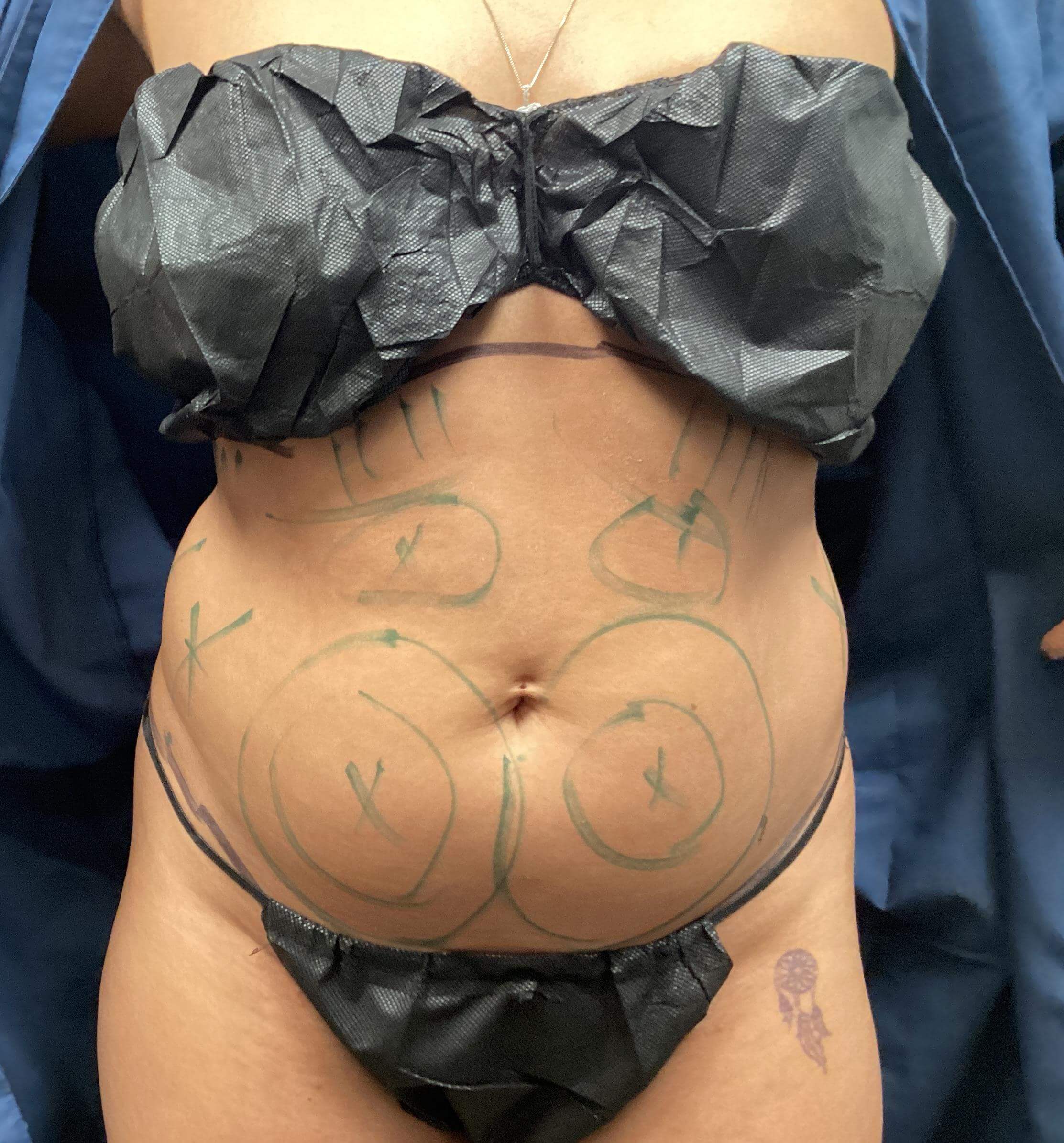
Excision Planning - The Vector and the Ellipse
Dr. Zelko draws the planned excision using a felt-tip pen. You will be warned before the pen touches your skin - the excision area is not yet anesthetized at this point. You will feel the pen. This is normal and takes moments. The planning geometry is precise and deliberate - see the section below for the full anatomical framework.
4
Excision Line Anesthesia - Double Pass
The tumescent from TickleLipo remains active subcutaneously. Direct infiltration of the excision line is added in two passes. First pass: complete anesthesia. Second pass: verification that coverage is thorough and comfort is confirmed. Nothing proceeds until the second pass is satisfied. This double-pass protocol is universal at Zelko Aesthetics - applied to every excision on every procedure.
5
Skin Excision - Upward Pull
The elliptical excision is performed along the planned lines. The upper abdominal skin is pulled upward - toward the inframammary fold - removing the excess and tightening the upper envelope. The Reverse TickleTuck is shorter in duration than the standard lower TickleTuck, and the incision location is closer to the face - so the team adjusts accordingly to keep the operative field clear and unobstructed.
The belly button is not addressed in the Reverse TickleTuck. The incision is entirely above - in and around the inframammary fold. The umbilicus is not involved.
6
Three-Layer Closure
The same three-layer closure protocol used for every procedure at Zelko Aesthetics. Layer 1: interrupted 2-0 absorbable sutures - the tension-bearing foundation. Layer 2: running 0 quill stitch, no knots required. Layer 3: running 3-0 subcuticular quill stitch, no knots required. Less tension at every level equals a smaller, thinner, less visible scar. When the closure is complete, there are no visible stitches.
7
Mastisol, Steri-Strips, Sports Bra Garment, To-Go Bag
Mastisol adhesive applied, allowed to tack, Steri-Strips bonded across the incision - the fourth external tension layer. Abdominal pads placed for tumescent absorption. The garment for the Reverse TickleTuck is a sports bra type - appropriate to the incision location and the tissue being supported. Your to-go bag contains replacement pads, replacement Steri-Strips, and a chucks pad for your car seat. Two sets of post-op instructions - one hard copy, one digital.
8
Home - Same Day
No overnight stay. No hospital. Dr. Zelko's personal cell number provided for after-hours questions.
The Planning Geometry
The Vector, the Ellipse, and the Bra Strap
The excision planning for the Reverse TickleTuck is a precise geometric decision - not a freehand estimate. Every line drawn has a specific anatomical purpose.
Excision Geometry - Confirmed Protocol
The Vector of Pull
A line is drawn from the umbilicus to each nipple. These two lines establish the vector of pull - the direction in which the upper abdominal skin will be tensioned and lifted. Everything that follows is oriented along and below these vectors.
The Elliptical Excision
The excision shape is elliptical - not a straight horizontal cut. The widest point of the ellipse sits directly under the vector line drawn from umbilicus to nipple. That line determines both the direction of pull and the location of maximum skin removal. The elliptical shape distributes tension naturally across the closure and heals with a cleaner, more refined result than a straight-line excision.
The Tail - The Curviness Tool
The ellipse has a tail extending laterally toward the flank. The length of that tail is individually determined based on the degree of flank curvature enhancement desired. A longer tail removes more lateral skin, cinches the waist, and accentuates the curve. A shorter tail focuses the correction on the upper abdomen with minimal lateral effect. This is a bespoke decision made after the lipo has revealed the true tissue picture.
The Bra Strap Alignment
As the tail of the ellipse extends laterally away from the inframammary fold, it exits the crease and is deliberately oriented to align with the bra strap. The main body of the scar hides under the breast. The tail hides under the strap. The complete scar is concealable in a standard bra - by design, not by luck.
Complete Scar Concealment Map
Main Body of Ellipse
Located in the inframammary fold - the natural crease beneath the breast. Hidden by the breast itself in any bra, bikini top, or garment with an underwire band. Requires adequate breast volume to sit fully within the fold.
The Lateral Tail
Extends laterally as the ellipse moves away from the breast crease. Deliberately oriented to align with the bra strap - covered in everyday wear. Length of tail is customized to the individual flank curvature goal.
The complete incision - main body and tail - is concealable in a standard bra. No portion of the scar is left unaccounted for. The anatomical planning of the excision is simultaneously a scar concealment map.
The Closure
"I'm Putting You Back the Way I Found You."
The same three-layer closure protocol governs every incision at Zelko Aesthetics. The Reverse TickleTuck is not an exception. When the closure is complete, there are no visible stitches. The principle is the same as everywhere else: less tension equals a smaller, thinner, less visible scar.
1
Deep Layer
Interrupted Sutures - 2-0 Absorbable
Individual, separate stitches - each tied closed independently. Needle path: lower dermis just above the subcutaneous fat junction, through subcutaneous fat, across to the opposite edge, through subcutaneous fat, then through the lower dermis of the opposite side. Each stitch bears the major load of wound tension, so layers above never have to.
Purpose: Primary tension management - the structural foundation
2
Mid Layer
Running Quill Stitch - 0 Absorbable
Continuous running stitch, end to end, in a single pass. Quill-like projections along the suture length embed into dermal tissue continuously - no knot required at either end. Dr. Zelko minimizes buried knots at every opportunity, as knots are the element most likely to be expelled by the body during healing.
Purpose: Even tension distribution - no knots required
3
Surface Layer
Running Subcuticular Quill Stitch - 3-0 Absorbable
Continuous quill stitch in the subcuticular layer - immediately beneath the visible skin surface. No knots. Precise, even approximation of skin edges without residual tension. This layer determines what the scar looks like. When placed correctly, the surface closes cleanly and stays that way.
Purpose: Final skin edge approximation - the aesthetic result layer
+ Mastisol and Steri-Strips - The Fourth Layer. Medical-grade adhesive applied, allowed to tack, then Steri-Strips bonded across the full incision length for final external tension relief. Replacement Steri-Strips are in the to-go bag for home dressing changes.
Recovery
What the First Two Weeks Actually Look Like
Recovery from the Reverse TickleTuck follows the same general arc as the standard TickleTuck - with one set of specific restrictions unique to the upper incision location.
Garment
A sports bra type garment - appropriate to the incision location and the tissue being supported. Abdominal pads placed first for tumescent absorption, then the sports bra applied over them. Minimum 2 weeks garment wear. After 2 weeks - nothing, or a garment of your choosing.
Lifting Restriction
No lifting more than 5–10 lbs for the first two weeks. This is not precautionary language - it is specific and enforced. The incision is in the upper chest region and lifting places direct tension across the closure.
Elbow Position
Elbows are kept below breast level at all times during the first two weeks. Raising the arms stretches the inframammary fold incision and places tension on the closure during the critical early healing window. Elbows below breast level - always. One exception: washing hair.
Hair Washing
The one permitted exception to the elbow restriction. Hair washing is limited to 1–2 times per week during the first two weeks - to minimize the duration of arms-elevated positioning and protect the closure.
Why the Elbow Restriction Is This Specific
Most surgeons give recovery instructions in vague terms - "limit activity," "avoid strenuous exertion." Dr. Zelko tells you what your Tuesday morning looks like: reaching for the coffee mug on the top shelf, lifting a bag of groceries, washing your hair. The elbow restriction is stated precisely because vague instructions produce vague compliance. You know exactly where the boundary is - and why it exists.
Documented Outcomes
Pain scores during the Reverse TickleTuck follow the same documented pattern as the standard TickleTuck: 0 to 2 out of 10 during the procedure. Post-operative discomfort runs 4 to 7 out of 10 for the first 3 to 5 days and then subsides. Routine return to desk work is 4 to 5 days . These are not best-case figures - they are the consistent, documented experience across hundreds of procedures.
Post-Op Instructions
Two complete sets of post-operative instructions are provided at discharge - one hard copy and one digital. Both sets are for you. Some guests prefer paper on the nightstand. Some prefer a phone at 2am. You receive both, every time, so you have what you need in whatever format you actually reach for.
Informed Consent - 6 to 8 Weeks
Suture Spitting - Recognized, Not Alarming
At approximately 6 to 8 weeks post-procedure, a small area of the incision line may become uncomfortable, with localized redness. This is not an infection. It is suture spitting - the body pushing a buried absorbable suture knot to the surface for expulsion rather than dissolving it. It is a known, expected, manageable event.
Small, Wet Lesion
Hydrogen peroxide - dries the lesion and assists expulsion. Manageable at home without an office visit.
Odorous Lesion
Vinegar and water - 50/50. Acetic acid neutralizes odor gently and effectively. Manageable at home.
Wider or Longer Area
Come in first. Examination confirms the cause. Manuka honey on Telfa non-adherent pads provided in the office for 1–2 weeks at home if appropriate.
Any healing area that is atypical, wider than expected, or concerning in any way - come in before treating it. Dr. Zelko examines it personally, confirms what is present, and prescribes the correct treatment for what is actually there. Manuka honey and Telfa pads are provided in the office after examination - not distributed as speculative take-home supplies.
Frequently Asked Questions
What Guests Ask Before They Book
Can a Reverse TickleTuck fix what my previous tummy tuck didn't?
Often yes - specifically when the previous tummy tuck addressed the lower abdomen but left the upper abdomen unaddressed, or when the upper abdomen was not the primary focus of the original plan. The Reverse TickleTuck approaches the upper abdomen from above, through the inframammary fold - a completely separate incision from the original lower scar. It does not revisit or revise the previous surgery. It addresses anatomical territory the previous procedure did not set out to reach.
Where exactly is the scar?
The main body of the incision is in the inframammary fold - the natural crease beneath the breast. It is hidden by the breast in any bra, bikini top, or underwire garment. The elliptical excision has a lateral tail that extends toward the flank. As that tail exits the fold, it is deliberately aligned with the bra strap - so that portion is covered in everyday wear. The complete scar - main body and tail - is concealable in a standard bra. This is a designed outcome, not a coincidence.
What if I want both upper and lower abdominal skin removed?
That is a different clinical question - and one worth discussing at consultation. For guests with significant laxity in both the upper and lower abdomen, a comprehensive plan may involve both approaches either simultaneously or in staged procedures. Dr. Zelko will assess the full clinical picture at consultation and provide a direct recommendation based on what will actually produce the best result for your specific anatomy.
Will the Reverse TickleTuck give me better curves than a standard tummy tuck?
Yes - and this is one of the most important reasons to consider the Reverse TickleTuck even for guests who have some lower abdominal laxity as well. The conventional lower tummy tuck pulls skin downward - which tends to flatten and straighten the lateral contour of the waist and flanks. The Reverse TickleTuck pulls upward, which preserves and actively accentuates the natural flank curve. The lateral tail of the elliptical excision can be customized in length to enhance flank definition to whatever degree is appropriate for your anatomy. For guests whose primary aesthetic goal is defined, curvy flanks - the Reverse TickleTuck is not just an alternative. It may be the superior choice.
Why is TickleLipo required before the Reverse TickleTuck?
For the same reason it is required before the standard TickleTuck - the liposuction reveals the true tissue picture. Fat that remains in the upper abdomen and over the rib cage holds the skin outward, making the laxity appear worse than it is and making it impossible to accurately determine how much skin can and should be excised. Incomplete liposuction of the upper abdomen is frequently the underlying reason why previous tummy tucks left upper abdominal laxity inadequately addressed. The lipo must be done first, and it must be thorough - up to and over the lower rib cage.
What is the sports bra garment and how long do I wear it?
The Reverse TickleTuck garment is a sports bra type - chosen because the incision is in the inframammary region rather than the lower abdomen. Abdominal pads are placed first for tumescent fluid absorption, then the sports bra is applied over them. Minimum wear is two weeks. After two weeks, nothing is required - or you may choose to continue wearing a supportive garment of your own choosing for comfort.
Am I a Good Candidate?
The three-path assessment that determines which procedure is honest for your presentation.