Health & Body
Sponsored feature · Presented by Zelko Aesthetics
They Said "Lose 30 More First," He Says Come As You Are, and the Extra Skin Comes Off Without Going Under
In this Greenfield office, the excess skin after bariatric surgery is removed awake, and awake doesn't mean feeling it: guests commonly report pain of 0 to 2 out of 10

The scale finally shows the number they fought years for, through gastric bypass, or the sleeve, or the long way, through everything. The knees stop aching. The stairs get easy. Every chair fits. And some of them are still undressing in the dark, or where a spouse can't see.
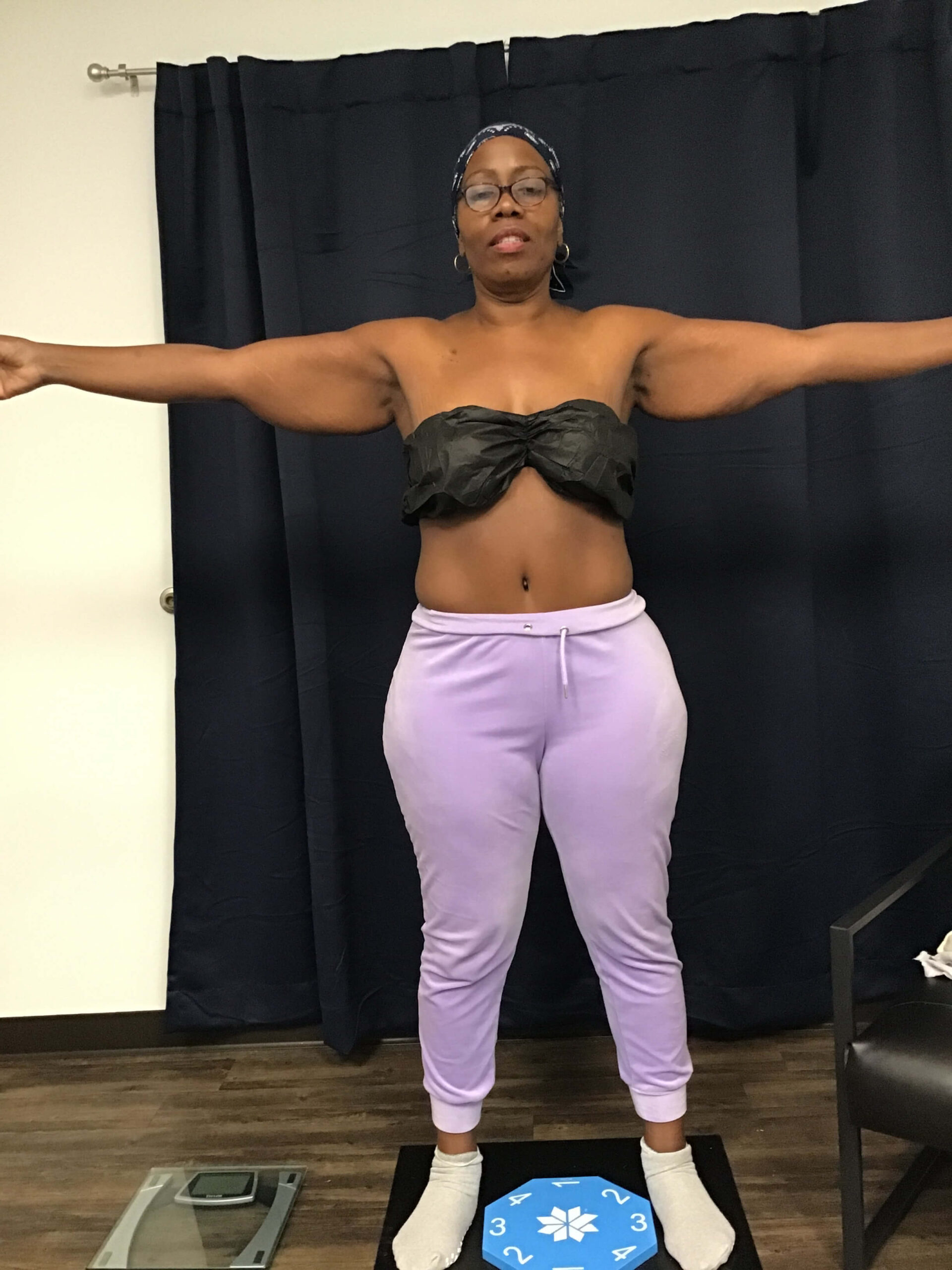
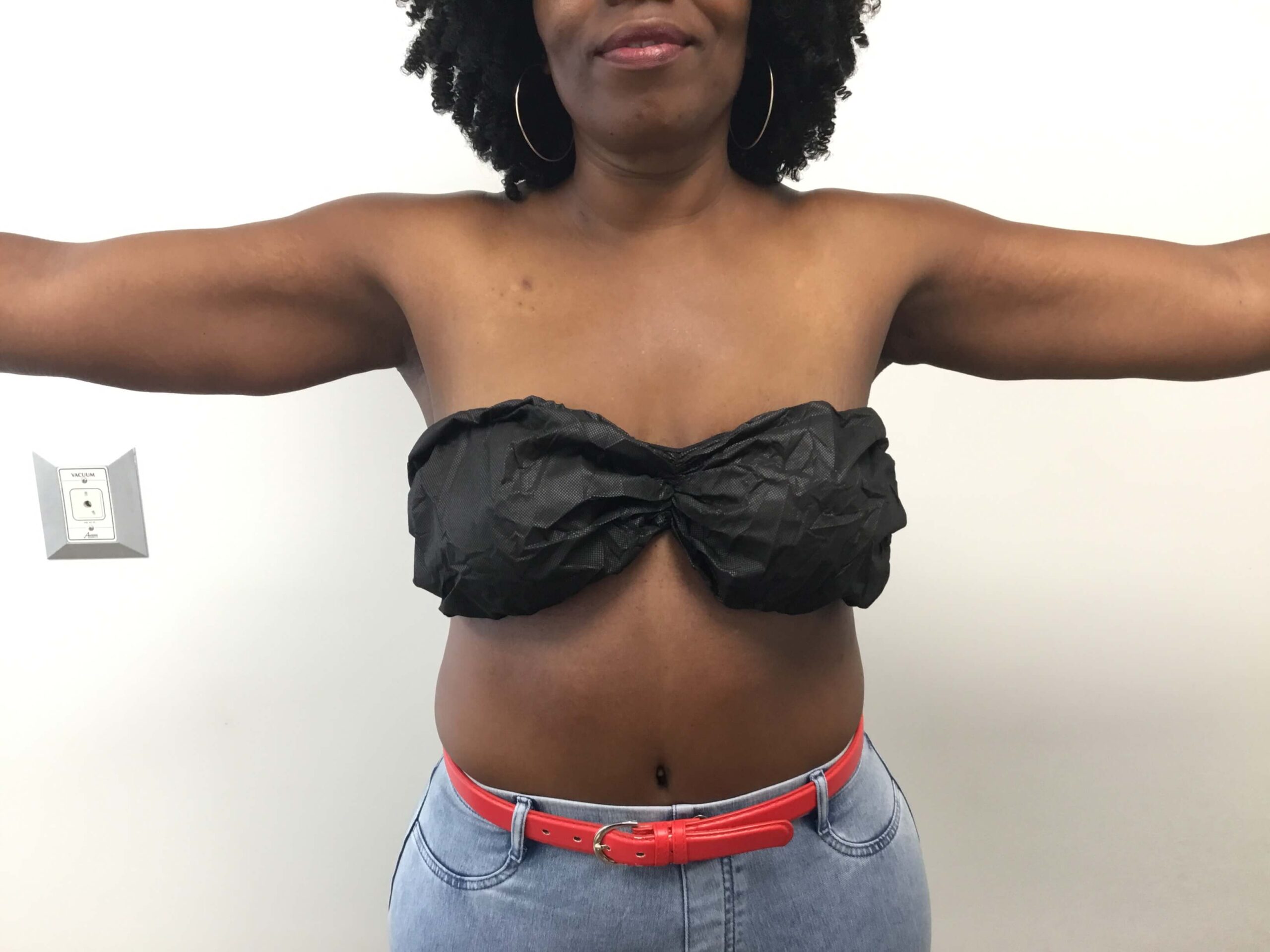
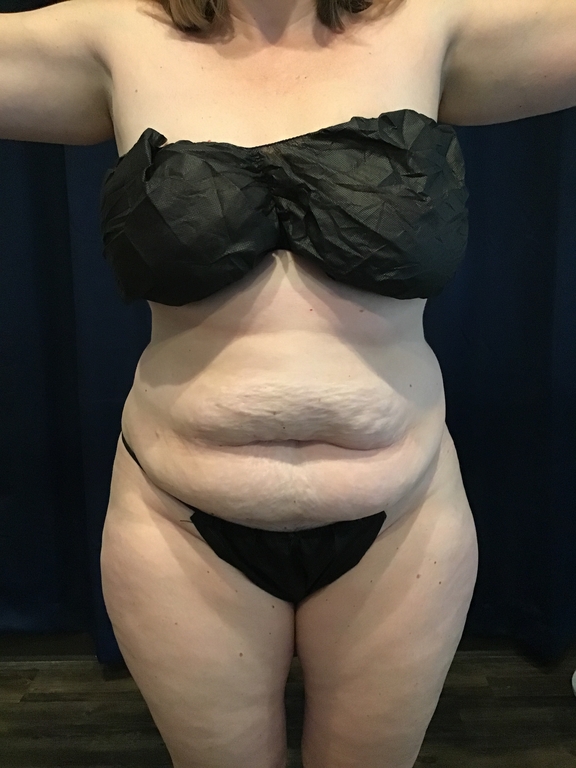
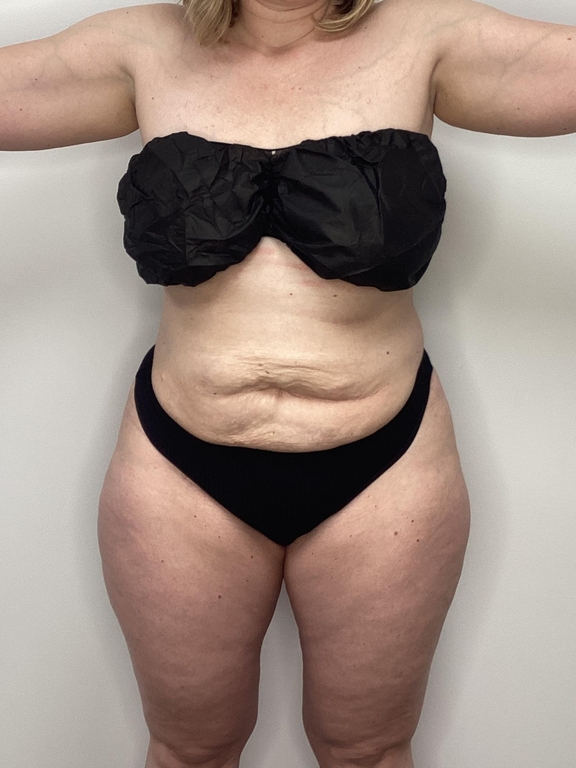
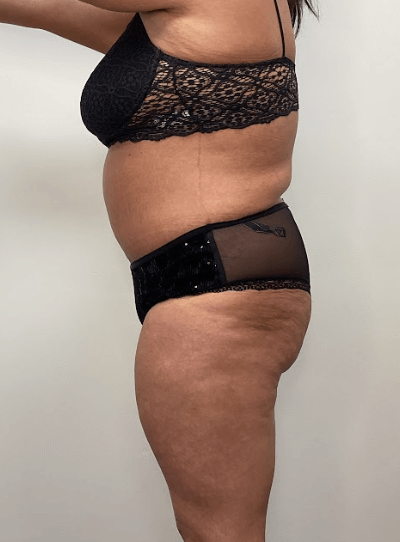
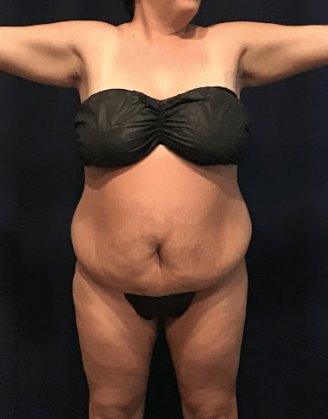
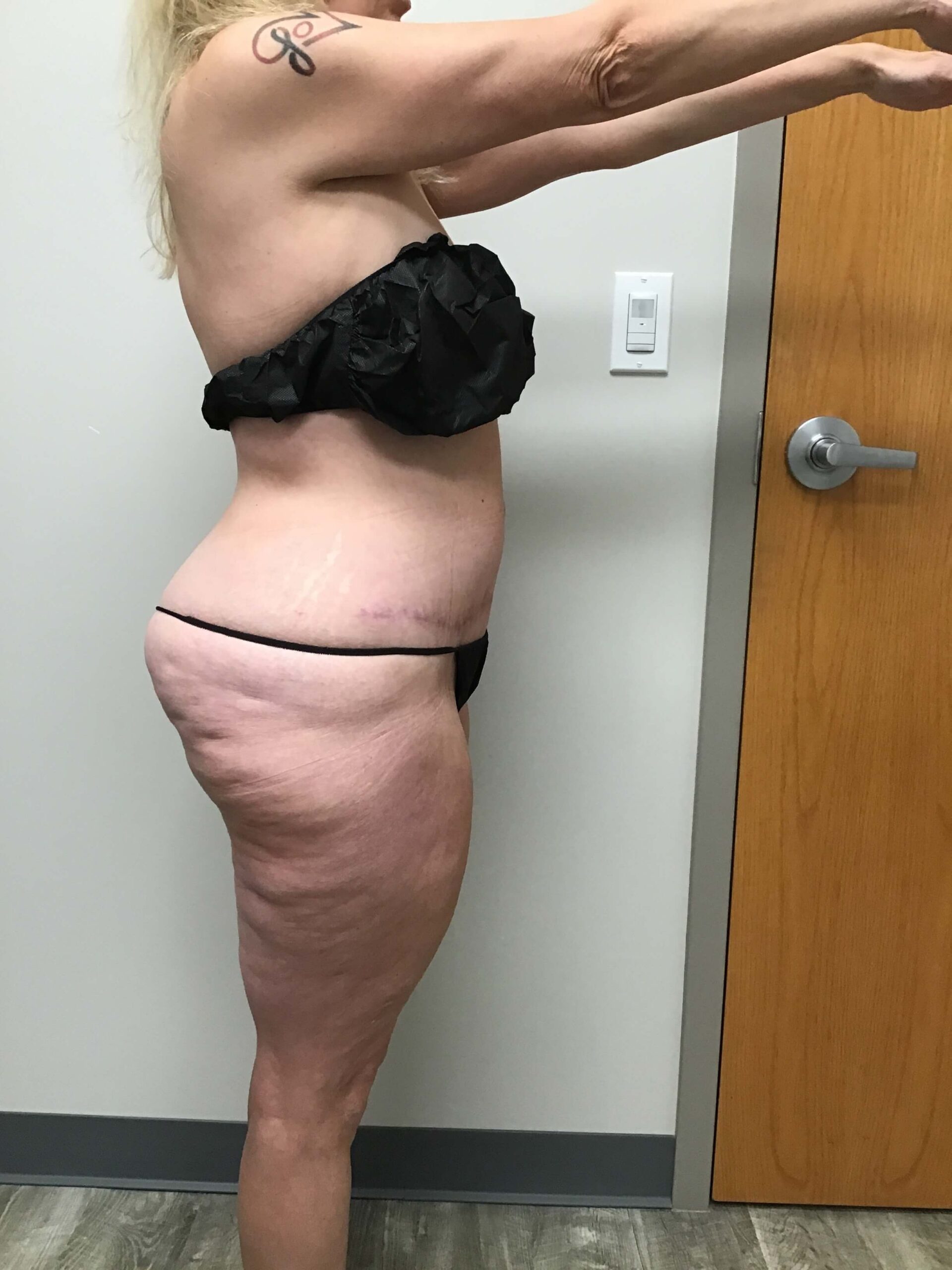
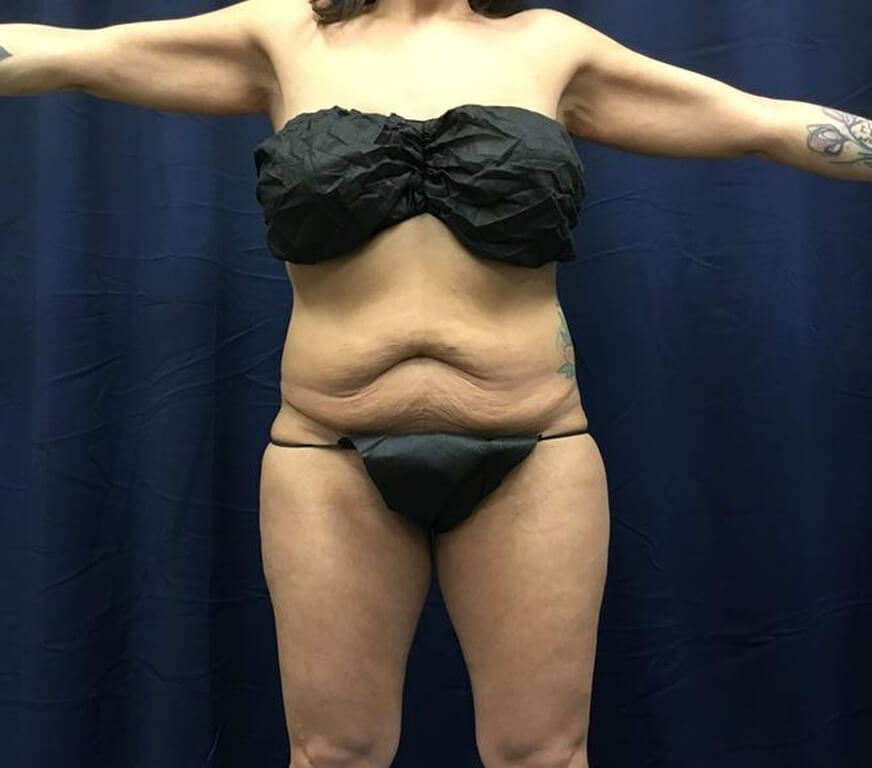
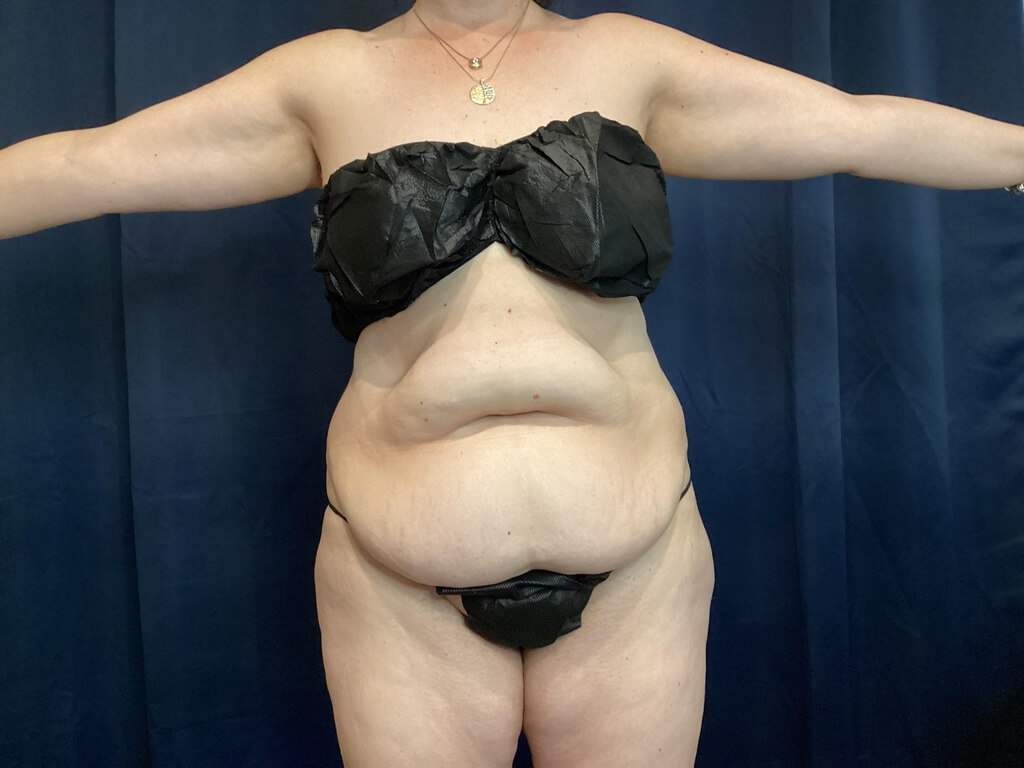
The reason is skin. The apron at the belly that chafes and stays damp. The arms that keep sleeves down in July. The daily engineering of clothes chosen for concealment instead of fit. The weight is gone. The hiding isn't.
Around Milwaukee's bariatric programs and support groups, that after-story is common enough that it keeps leading to the same Greenfield office, to a surgeon who has become known for something rarer than his technique: he's the one who tells you what he can't do.
Two Things Keep Them Stuck, and the Worse One Isn't the Skin
The first is anatomy. "Skin that has been stretched that far for that long cannot retract on its own," Zelko says. There's nothing left underneath to fill it and nothing left to tighten; no diet, exercise, or discipline shrinks it, because the problem is no longer fat. It's surplus skin, and the only fix is removing it. Guests who quietly blame themselves for it, and by his account most of them do, are blaming themselves for a law of biology.
The second is the system they run into when they finally ask for help. The standard visit ends one of two ways: "come back after you lose 30 more pounds," or a plan of staged hospital operations, each round with general anesthesia, drains, and months of recovery. Weight cutoffs around a BMI of 30 are common. For a person who's already lost 100, being told they haven't lost enough lands less like medicine and more like a door closing.
Two front desks, two answers
The consultation elsewhere
The consultation in Greenfield
"Come back after you lose 30 more""Come as you are"
Staged hospital rounds, general anesthesiaAwake, in the office, where it fits the case
Cutoffs near BMI 30No rigid weight cutoff
"The other doc in town will say, geez, your weight's too much, come back when you lose 30, 40, 50 pounds. The idea that we can help them physically change, and the mental change comes after, is a much more logical way to attack this problem. The physical change is what makes the mental change possible, not the other way around."Dr. Timothy Zelko, Zelko Aesthetics
Losing More Weight Won't Fix the Skin, Says Greenfield Surgeon
Dr. Timothy Zelko is a cosmetic surgeon in Greenfield, an OBGYN surgeon for 20 years before that, and for 17 years he has specialized in something most of his field considers heresy: body contouring performed with the guest fully awake, under local anesthesia, in his office. Every procedure done personally, first incision to final stitch.
The people living that after-story have been finding his office in growing numbers, for the awake part and for something simpler that travels through the bariatric community: the door is open at the weight you're at. He raises one caveat himself: that holds once you've reached the weight you were aiming for. If you're not there yet, he'll tell you so.
0.125%, Even Across the Guests Other Practices Turn Away
Zelko's answer to the cutoff culture is a record he states identically everywhere, because for an audience this thoroughly dismissed, numbers carry what adjectives can't.
More than 7,000 awake procedures over his career, including over 800 awake tummy tucks.
A documented infection rate of about 0.125% across that record, and that includes higher-weight guests other practices turn away entirely. The national literature, for comparison, reports roughly a 1% surgical-site infection rate and a 3 to 4% major complication rate for abdominoplasty (Winocour, 2015).
Guests commonly report pain of 0 to 2 out of 10 during the procedure itself.
No surgical drains; he closes with progressive tension sutures instead. The practice holds a 4.8 star rating across 260+ Google reviews.
7,000+Awake procedures
800+Awake tummy tucks
8×Lower infection rate vs. published
No rigidWeight cutoff for candidacy
His peers have objected to the awake approach for years, something he repeats himself, almost fondly: "You can't do it that way. That's wrong. That's bad medicine." His response hasn't changed. After more than 800 of these procedures, his infection rate is a fraction of what's published in the literature, and the approach asks more of the surgeon, not the guest, which is precisely why so few practices attempt it.
How Awake Surgery Works, and Where Its Limits Honestly Are
The awake method rests on something everyone already believes: a dentist does real work on a nerve-dense tooth without putting anyone under. Local anesthesia, delivered correctly, is enough. The surgical version is tumescent anesthesia, delivered through an instrument Zelko owns the trademark to: a technology called nutational infrasonic liposculpture, known in the practice as TickleLipo™.
A standard cannula is pushed through tissue by hand force. This one vibrates and rotates, gliding along the path of least resistance while dripping numbing fluid gently into the tissue ahead of itself. The vibration also acts on the nerves as what anesthesiologists call a gating mechanism. The gate closes on discomfort before it registers, the same reflex that makes you rub a bumped elbow. The technology runs cool, so it doesn't burn tissue, and it leaves the numbing fluid in the body where it keeps working. Less collateral damage is why recovery typically runs a week or two instead of months, with no drains.

For a post-bariatric body, the calculus matters even more. This is a body that's already been through major surgery. Sparing it another round of general anesthesia, a breathing tube, and a hospital recovery is the gentler path for a system that's already been asked to do a great deal.
And here's where Zelko departs from every advertisement this audience has ever read: he's specific about the limits. Massive weight loss is the one situation where awake contouring genuinely has them. A great deal of what these guests carry can be addressed awake, in the office. Some of it can't. Often the plan is staged, handling what's safe and high-impact to do awake now and mapping the rest. And when a case truly belongs in a full surgical setting, he says so and points the guest to it.
In a field not known for talking people out of procedures, that candor has become its own credential. The surgeon willing to tell you where the limits are is the one you can believe about what's genuinely possible.
The plan gets matched to the person
Which parts can be handled awake, which should wait: that sorting starts with a conversation.
Schedule a Conversation3.5 Feet of Skin in a Single Procedure
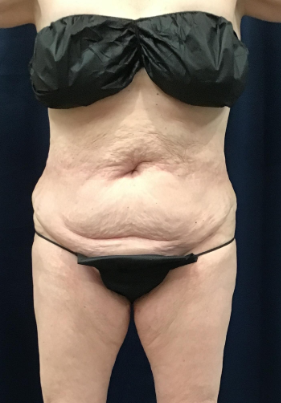
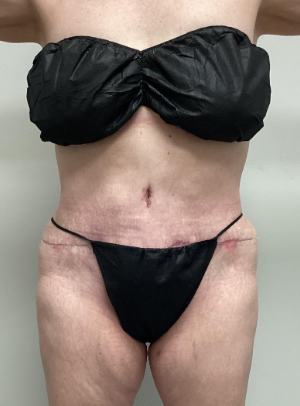
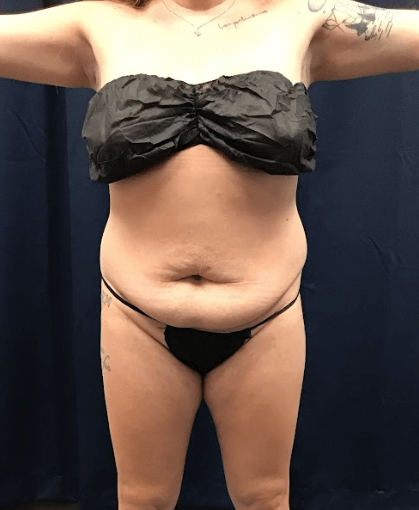
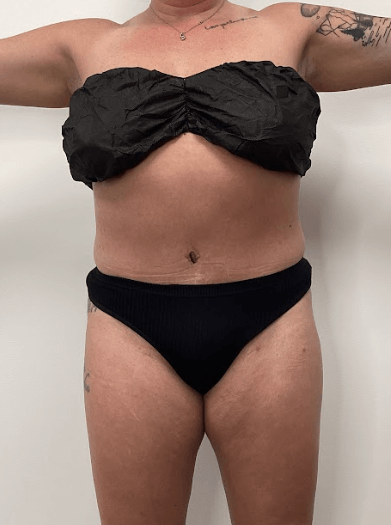
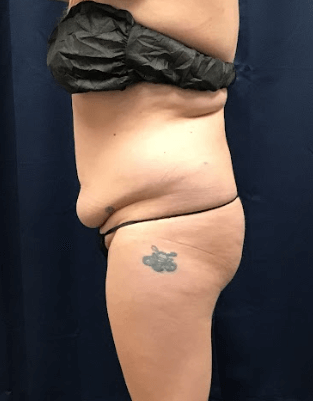
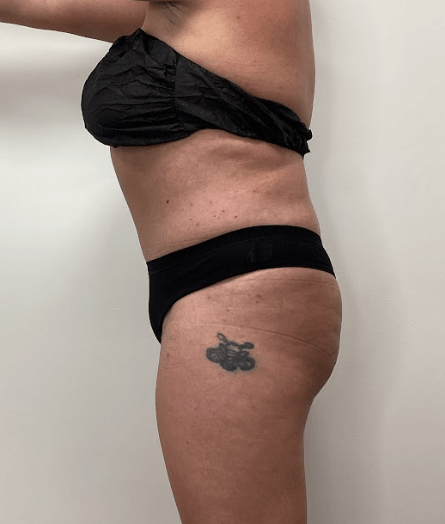
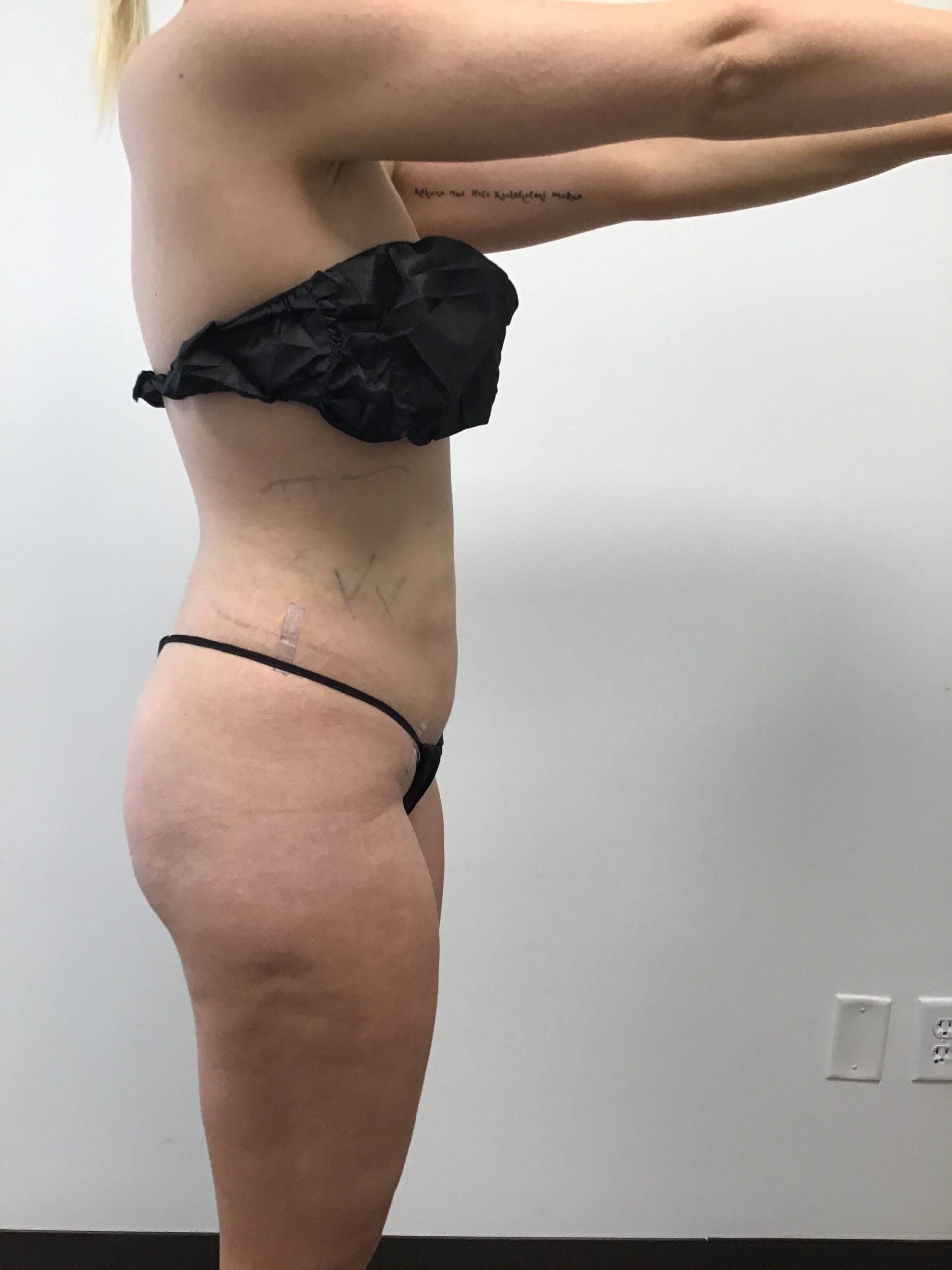
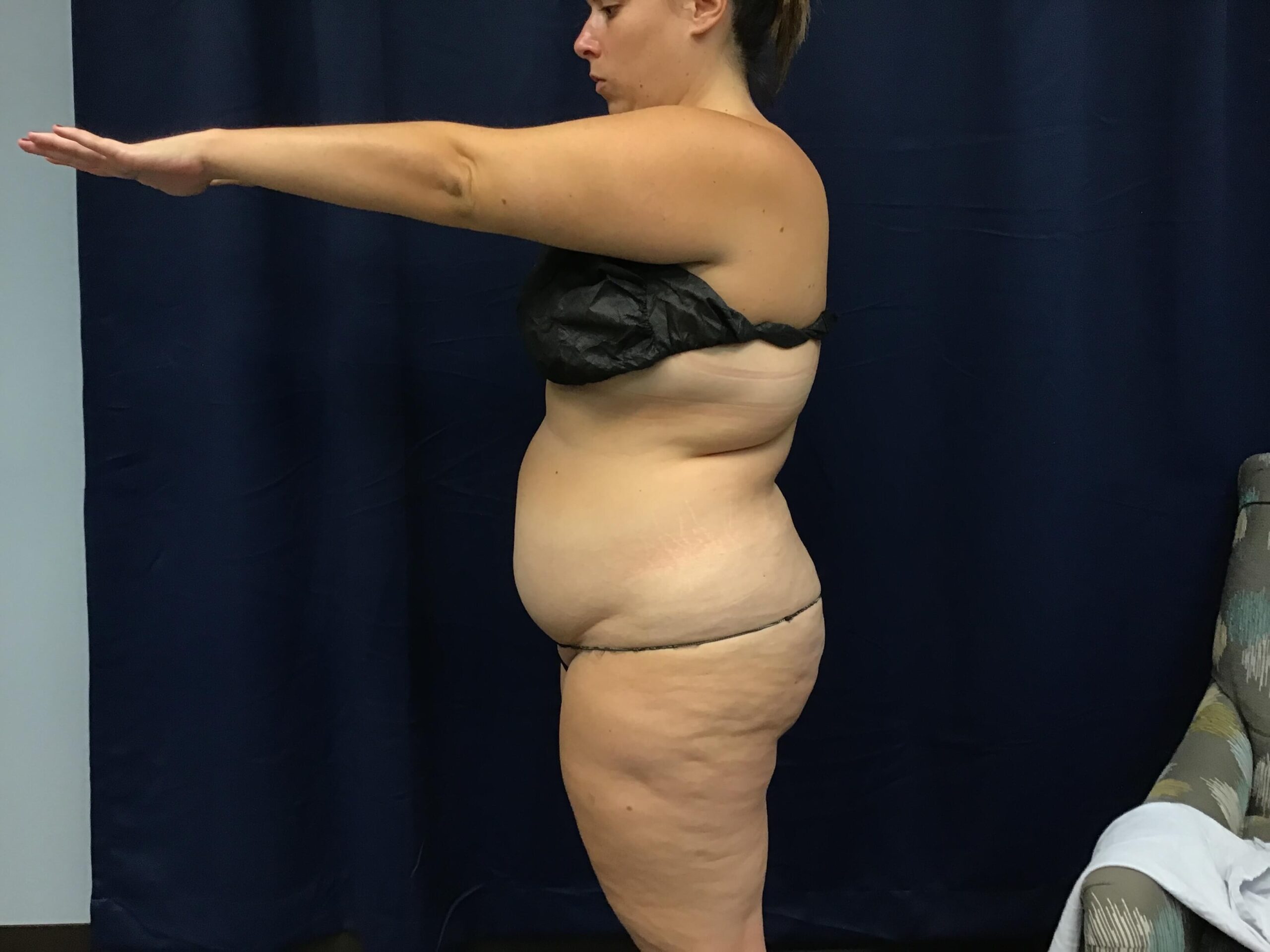
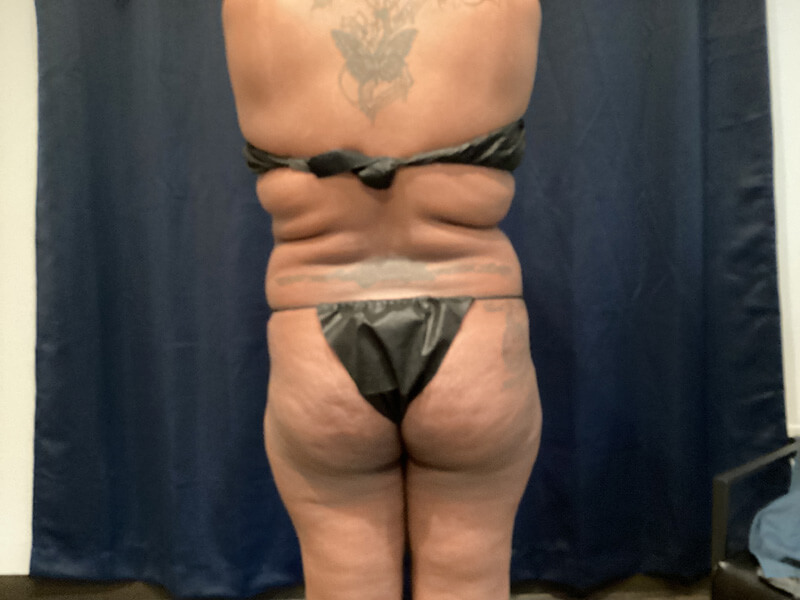
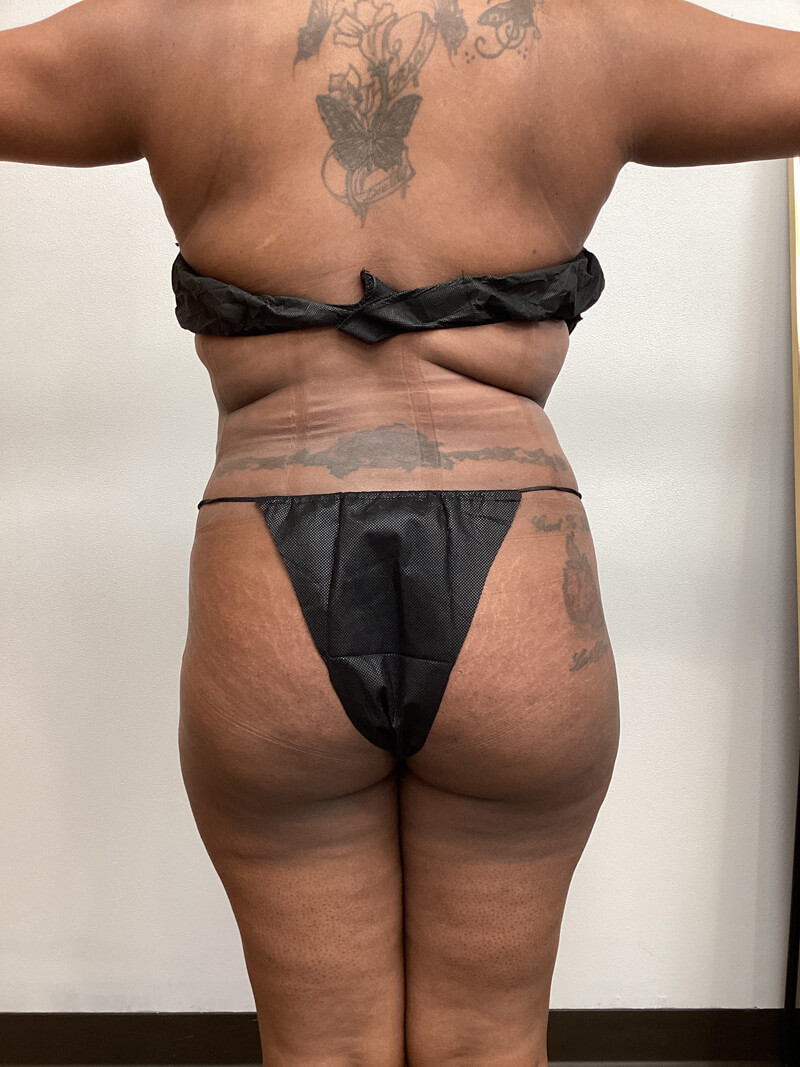
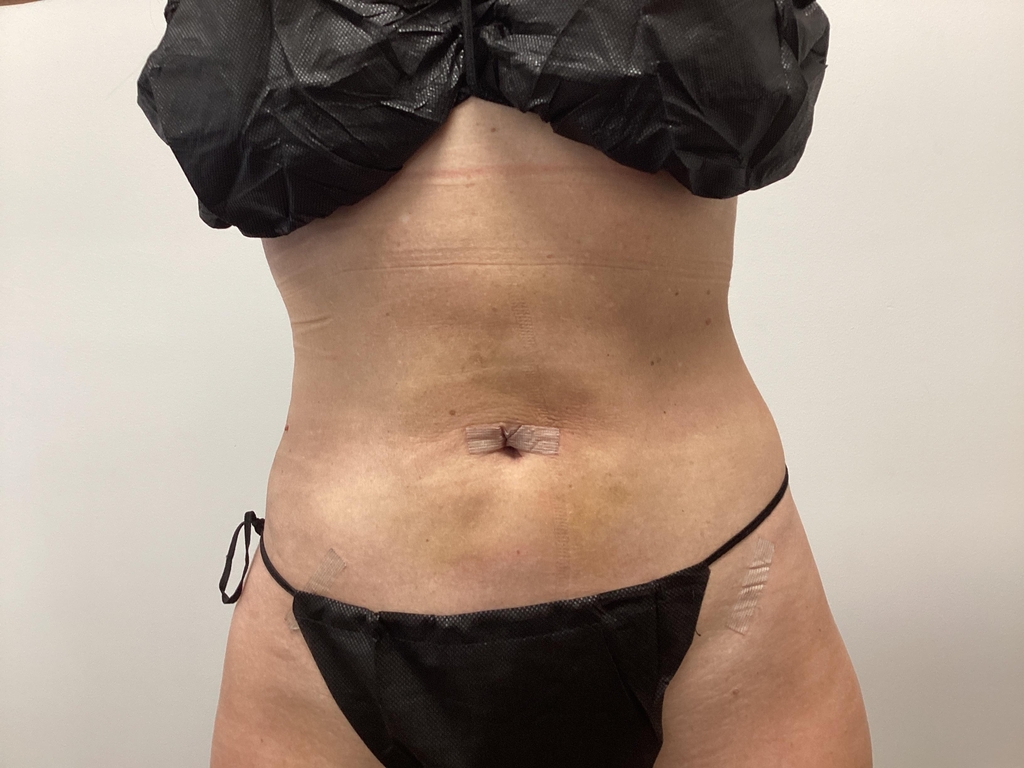
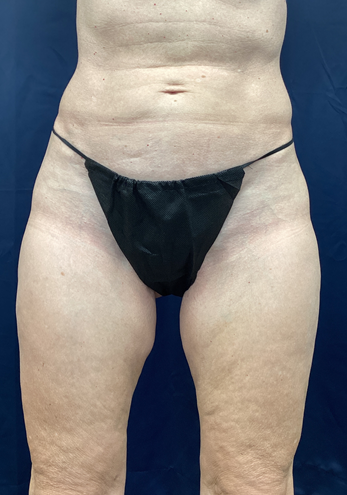
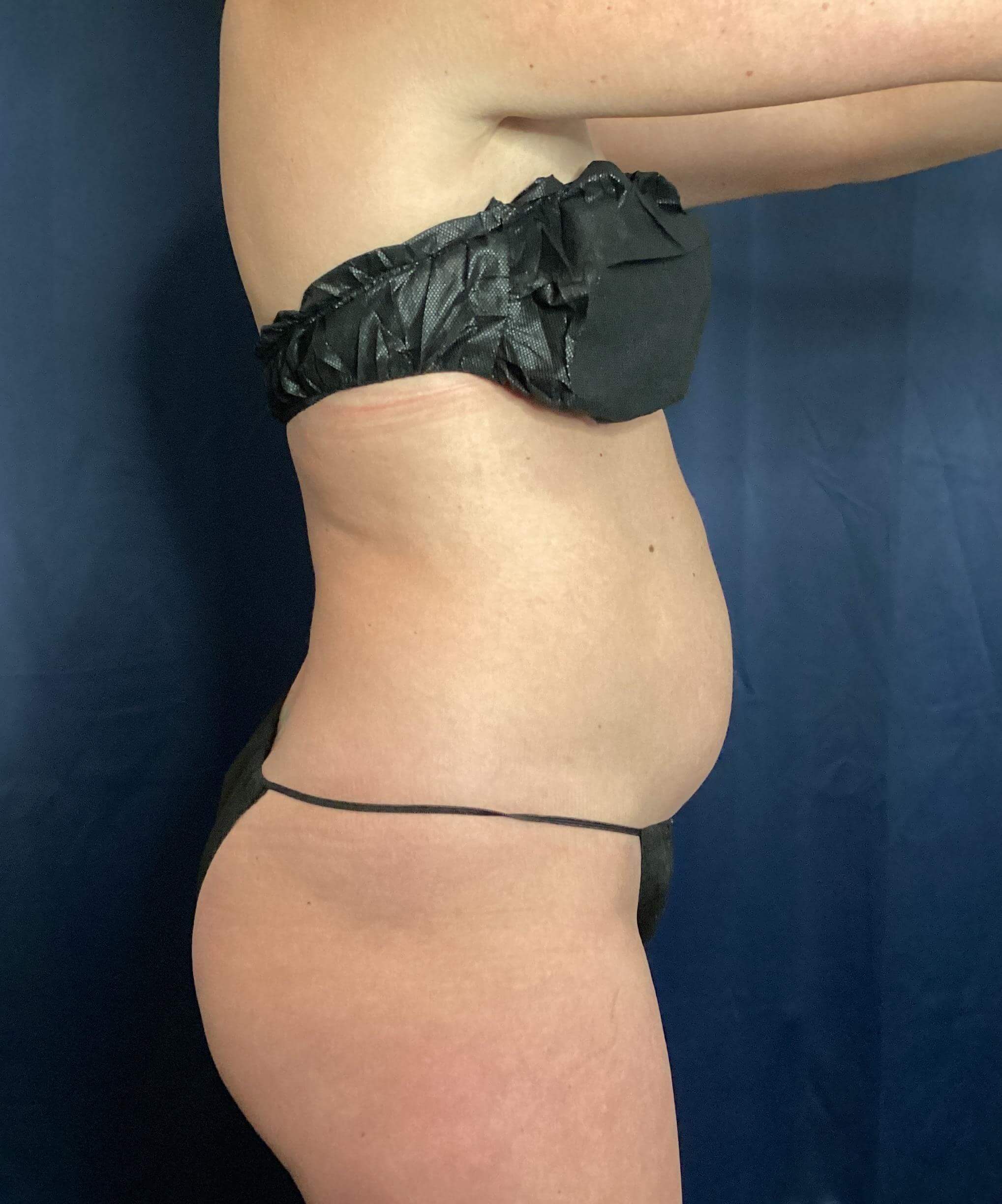
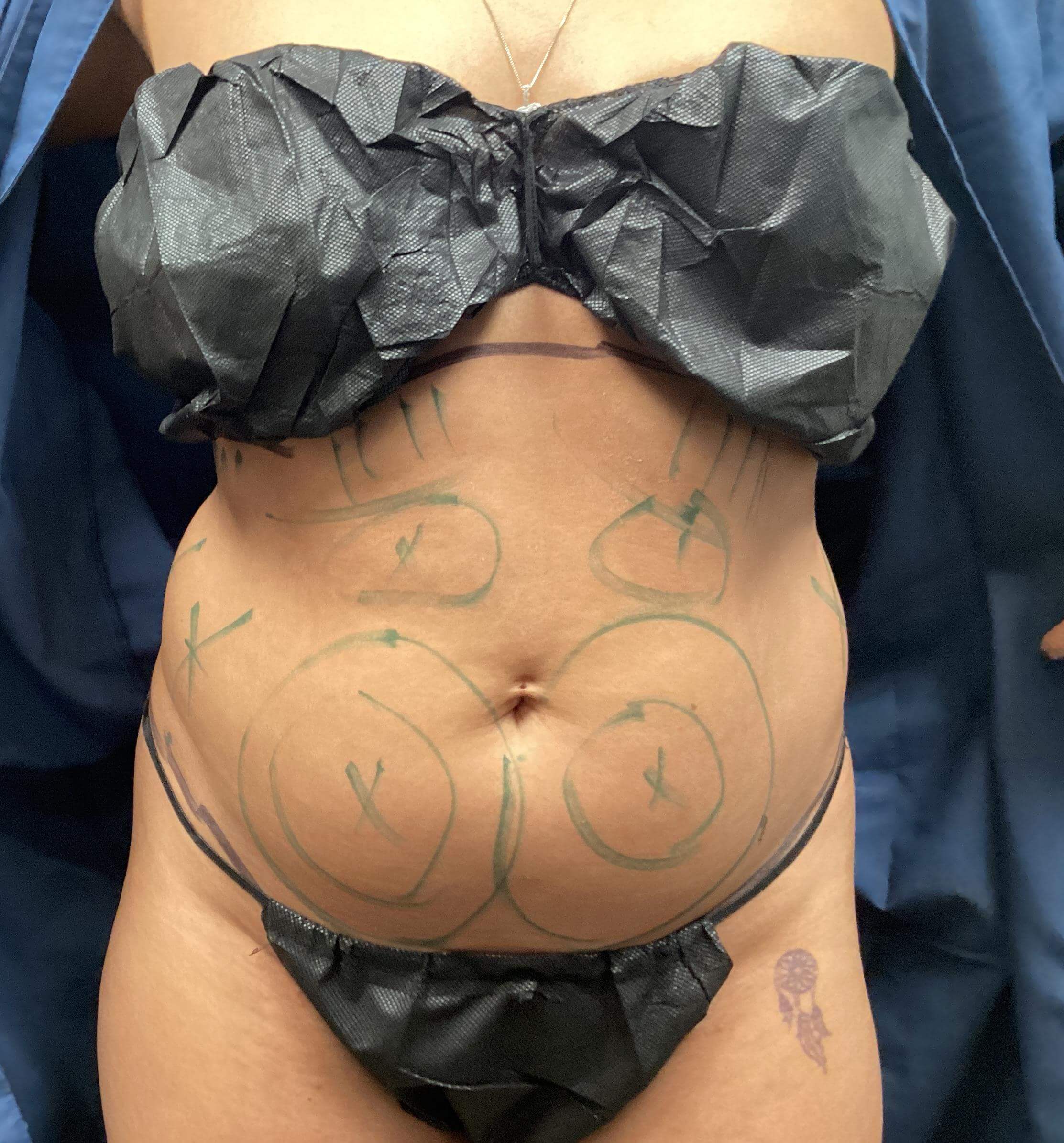
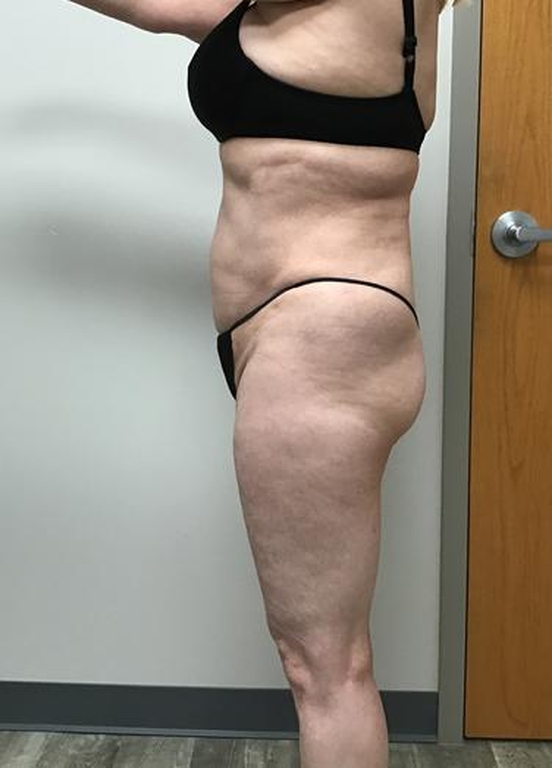
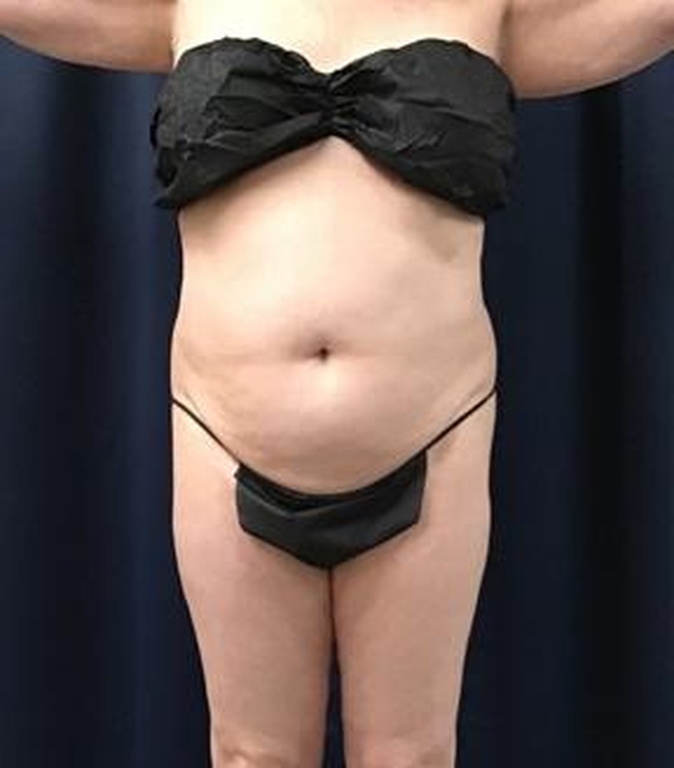
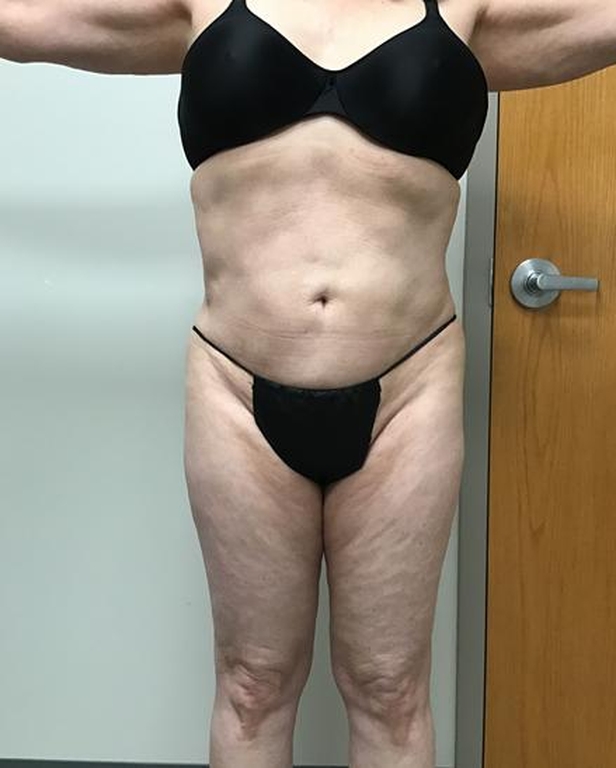
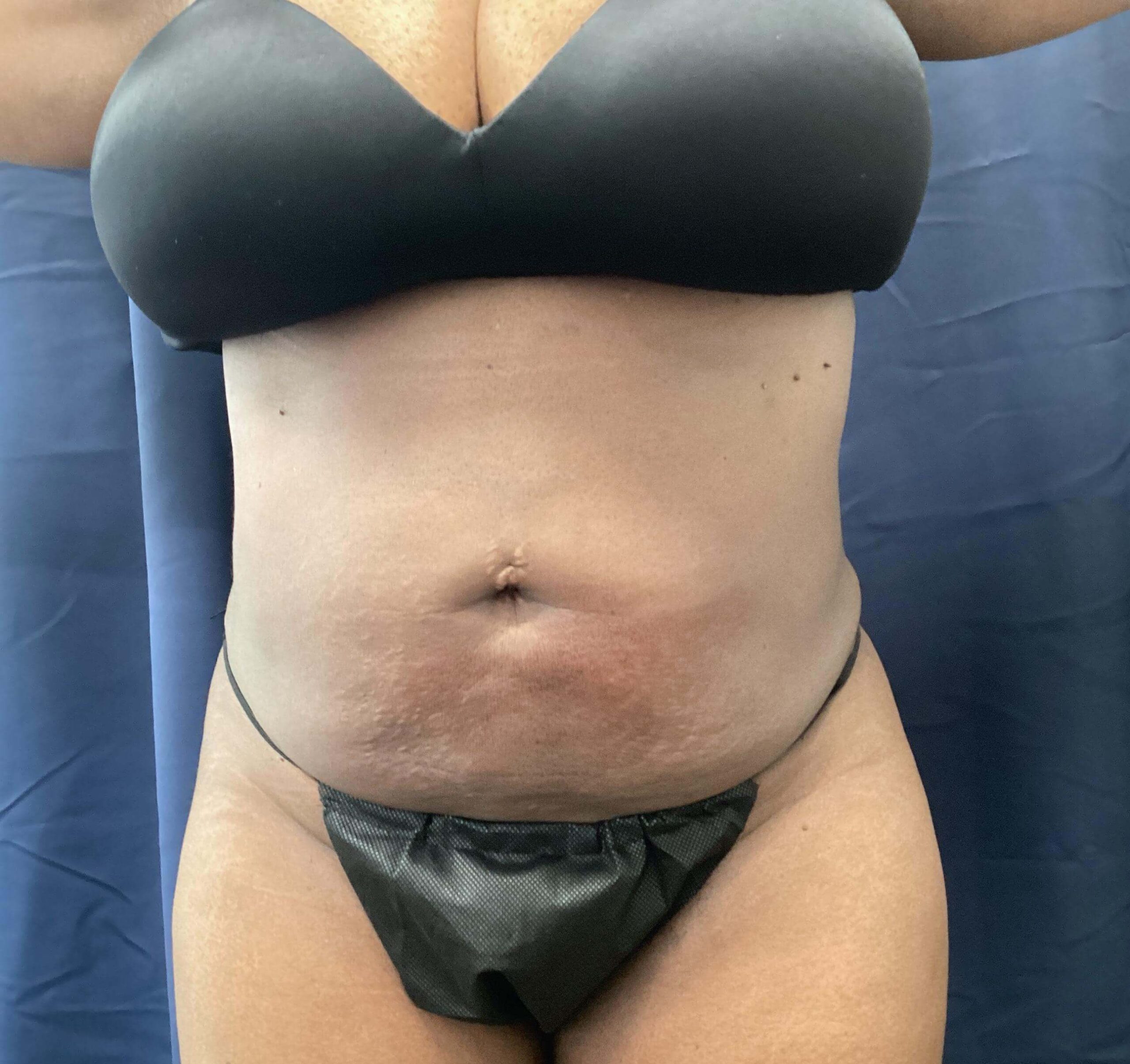
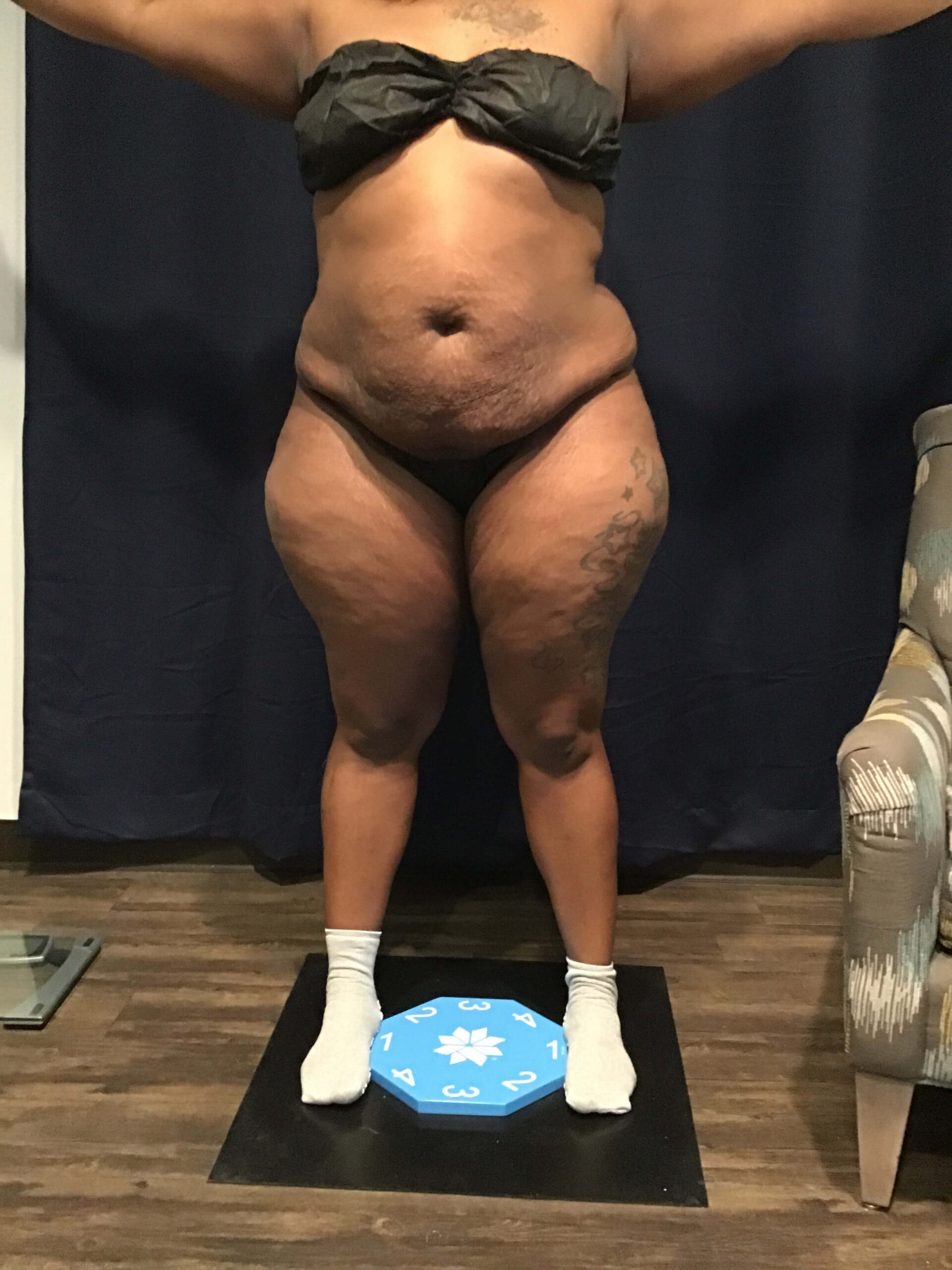
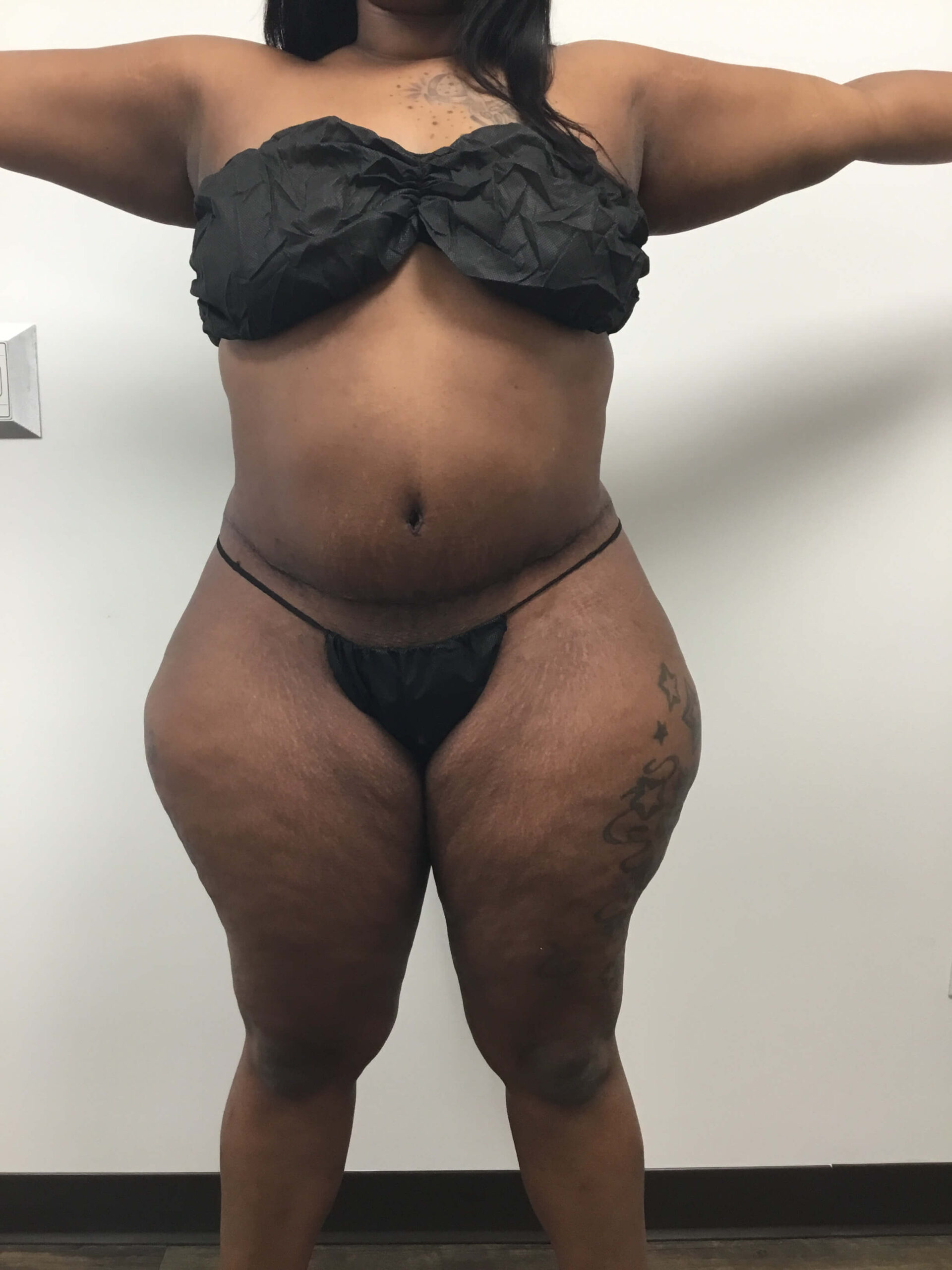
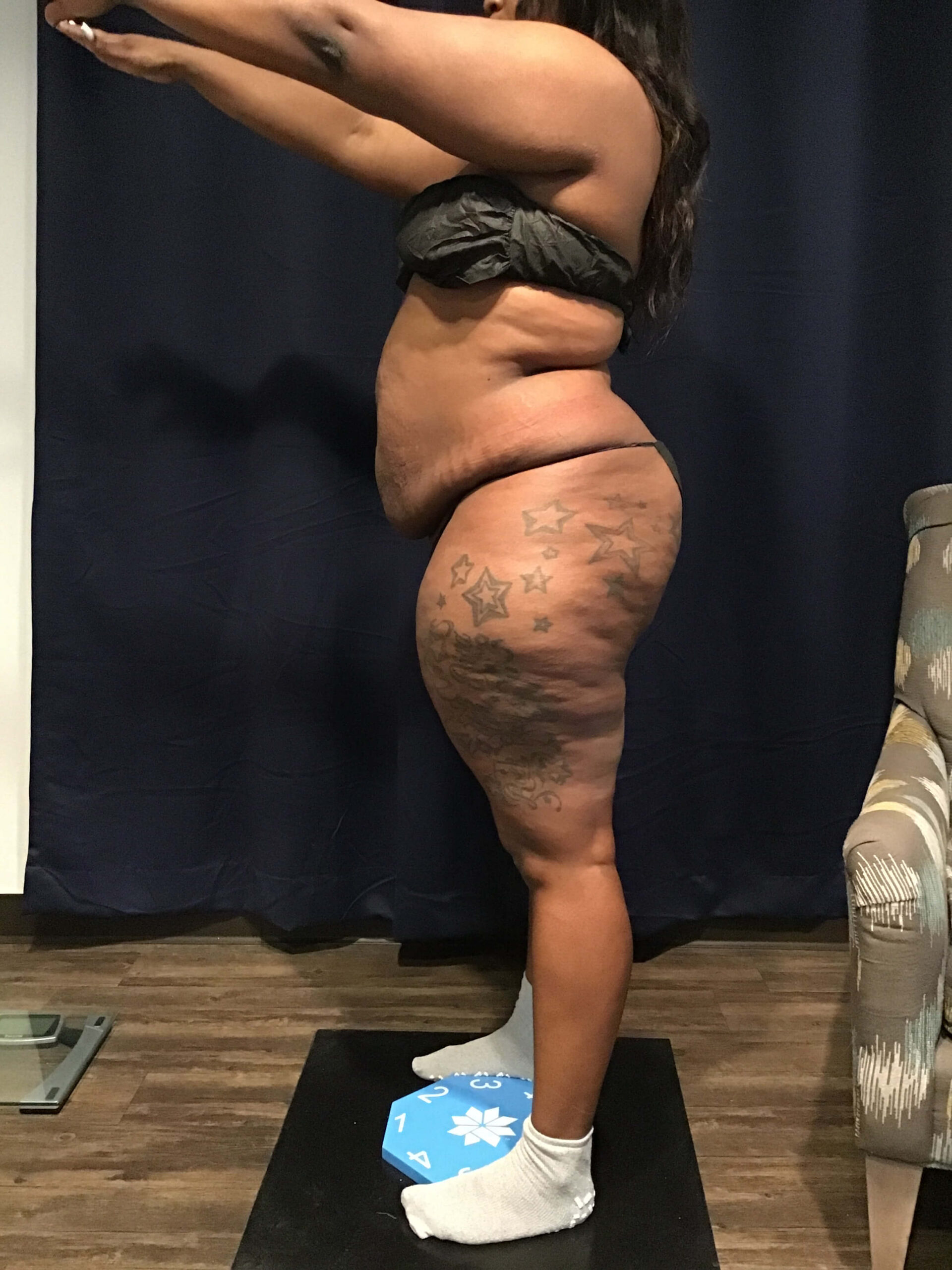
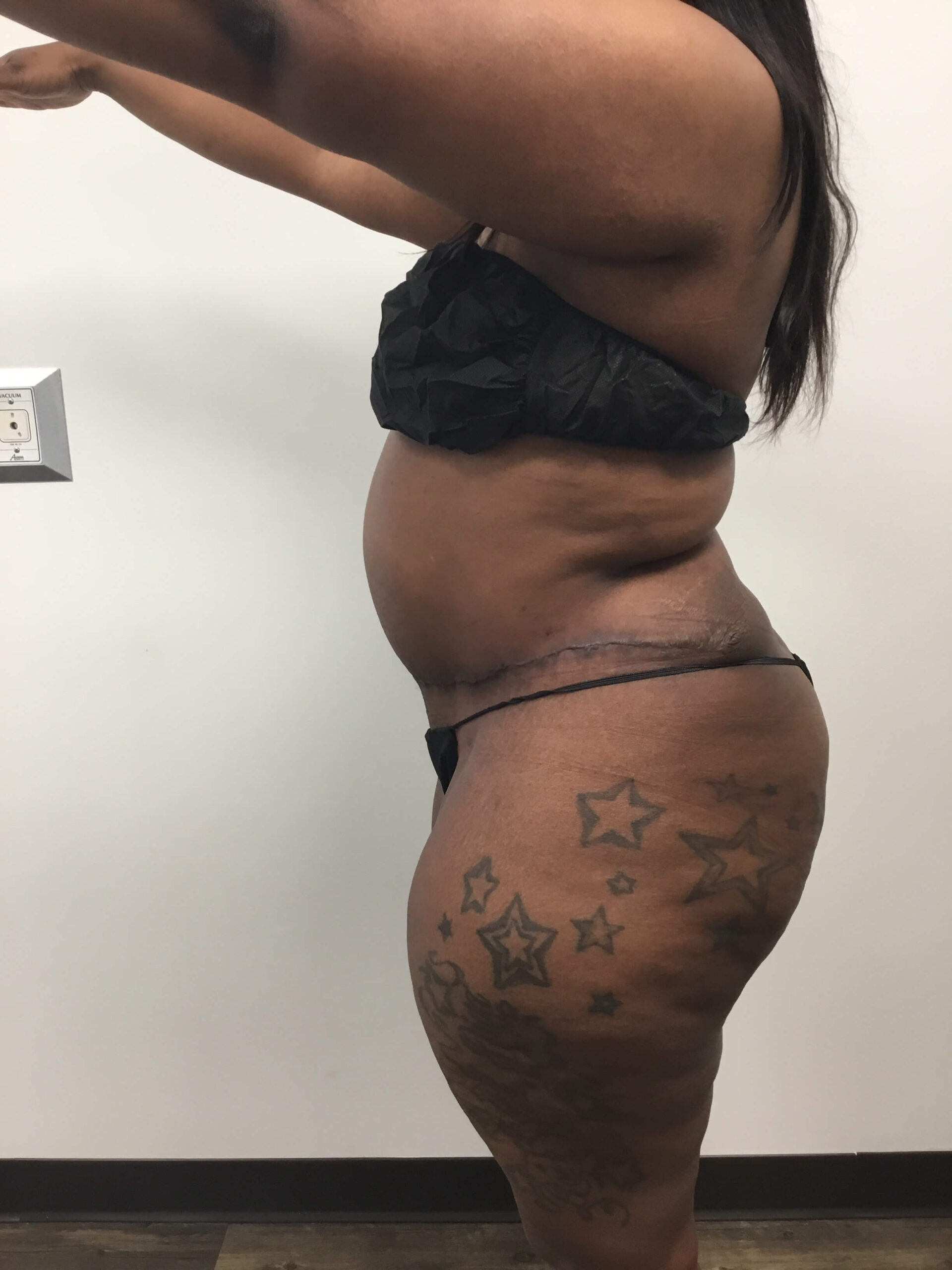
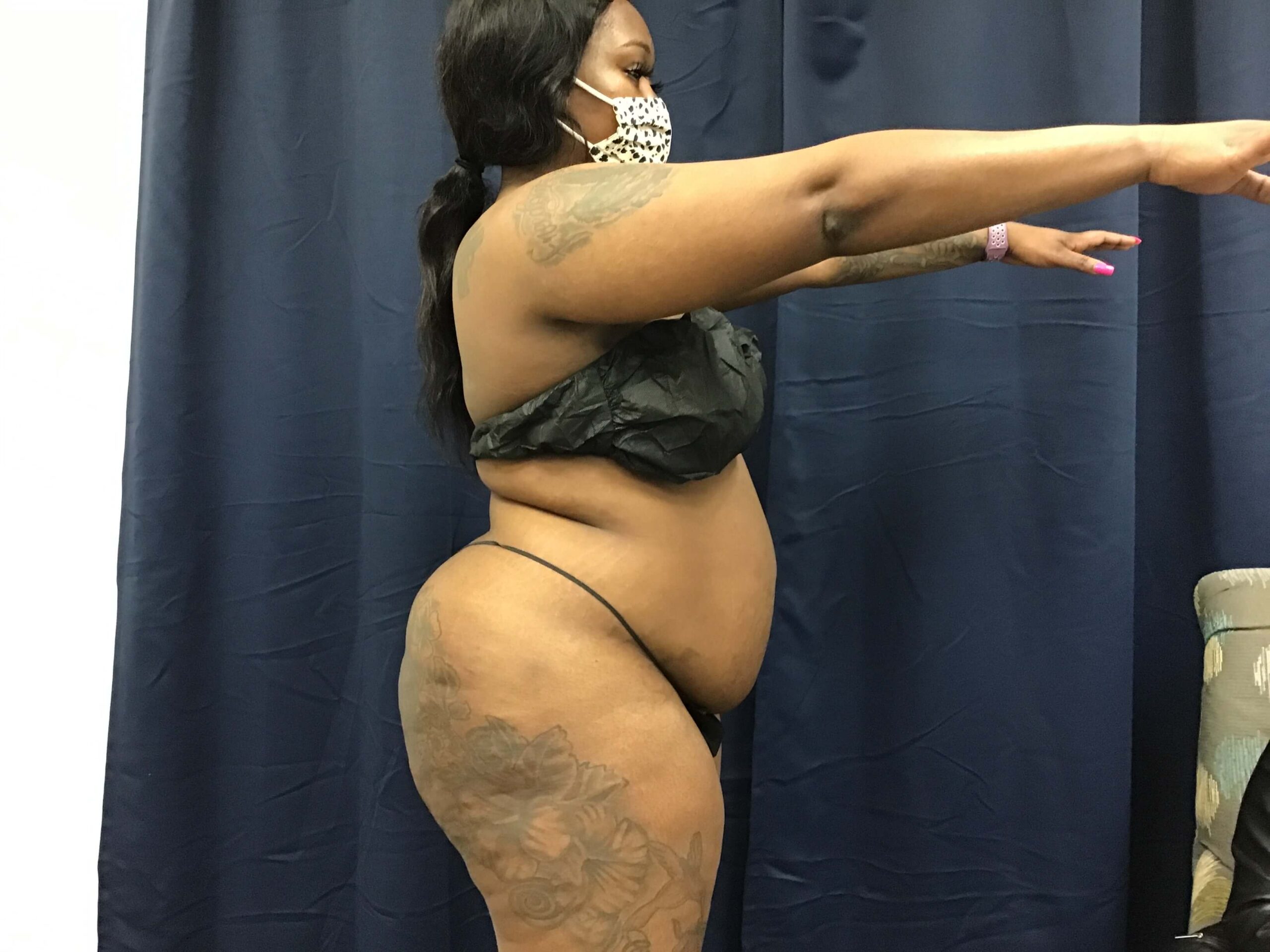
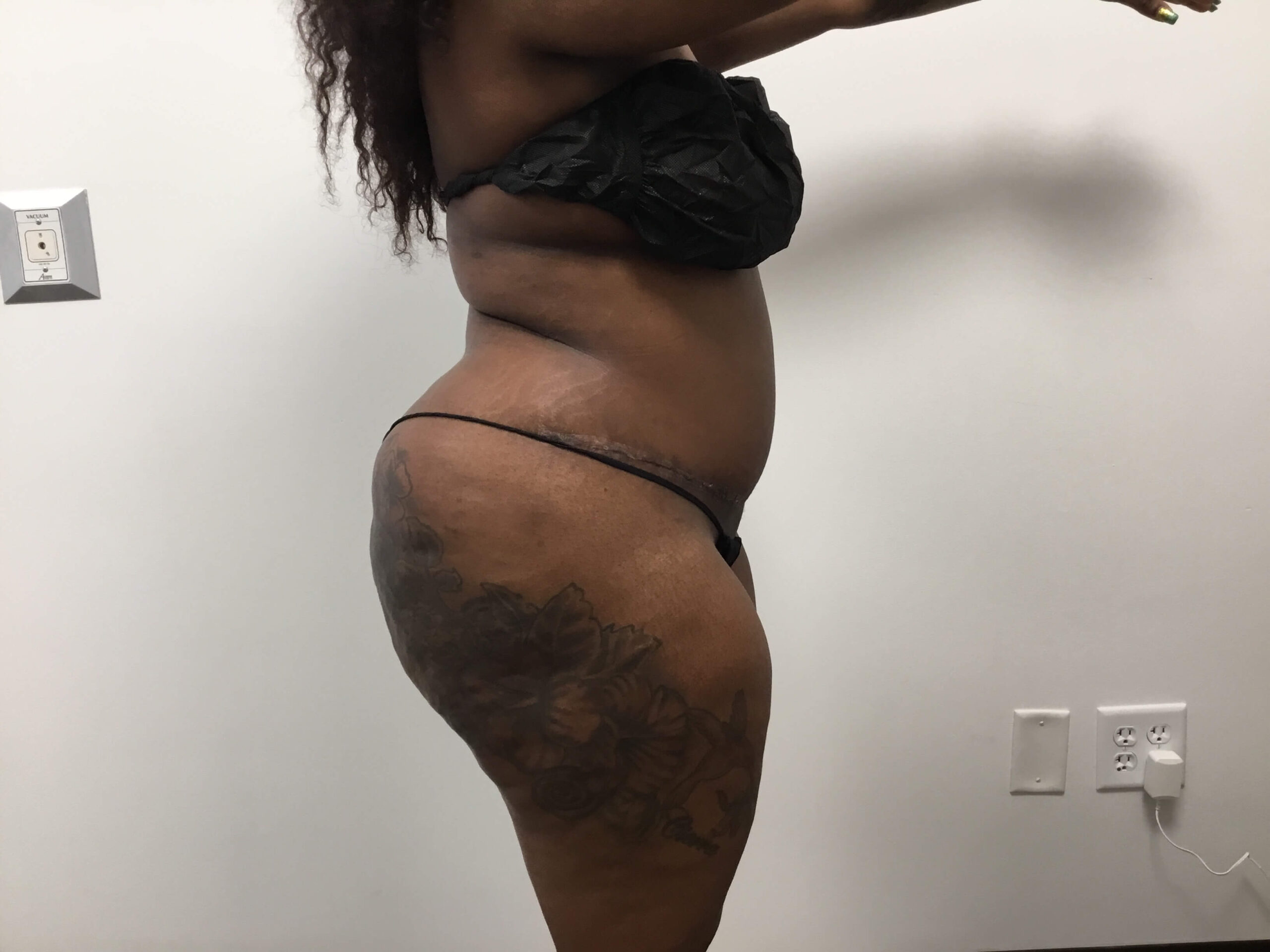
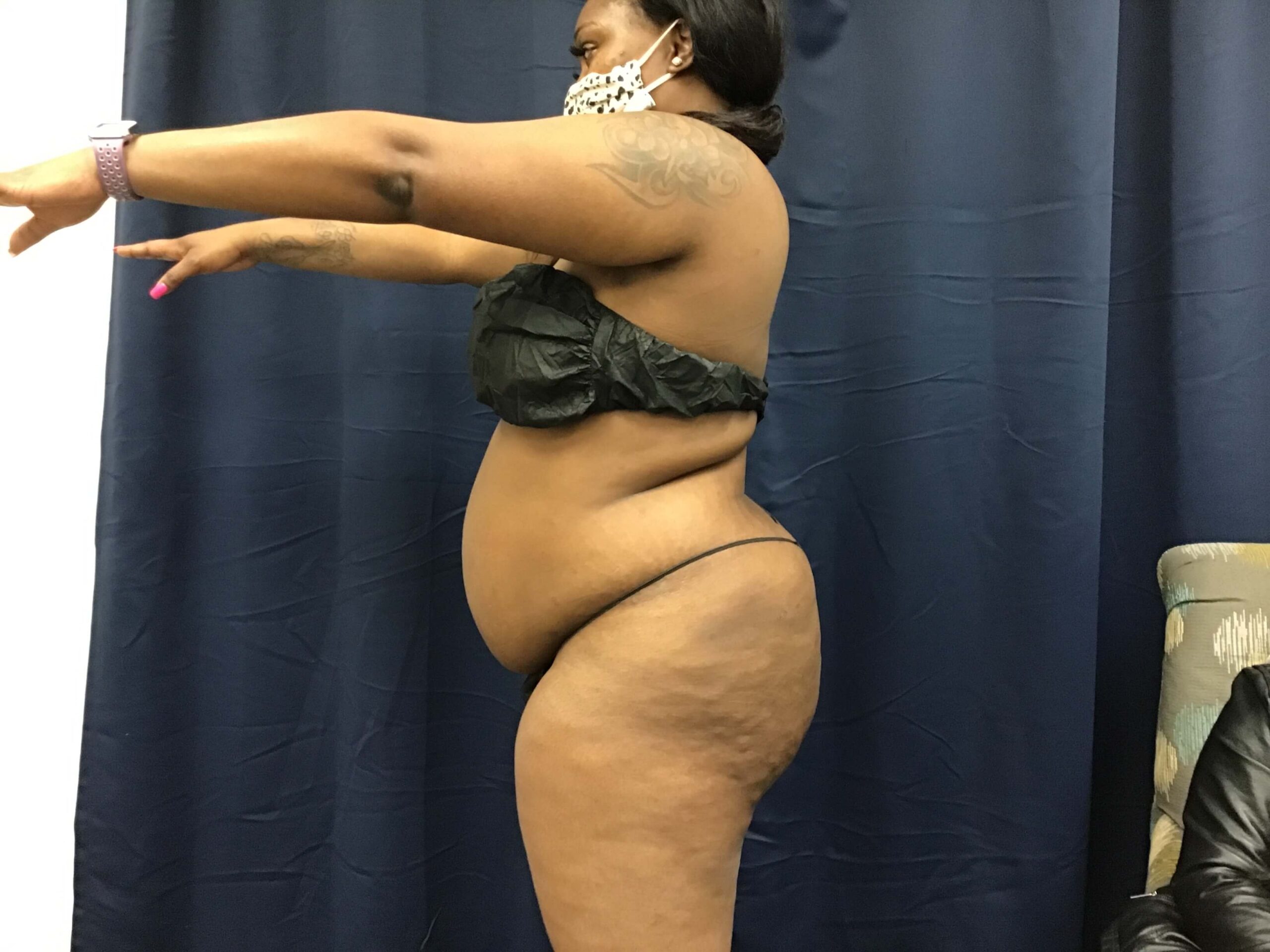
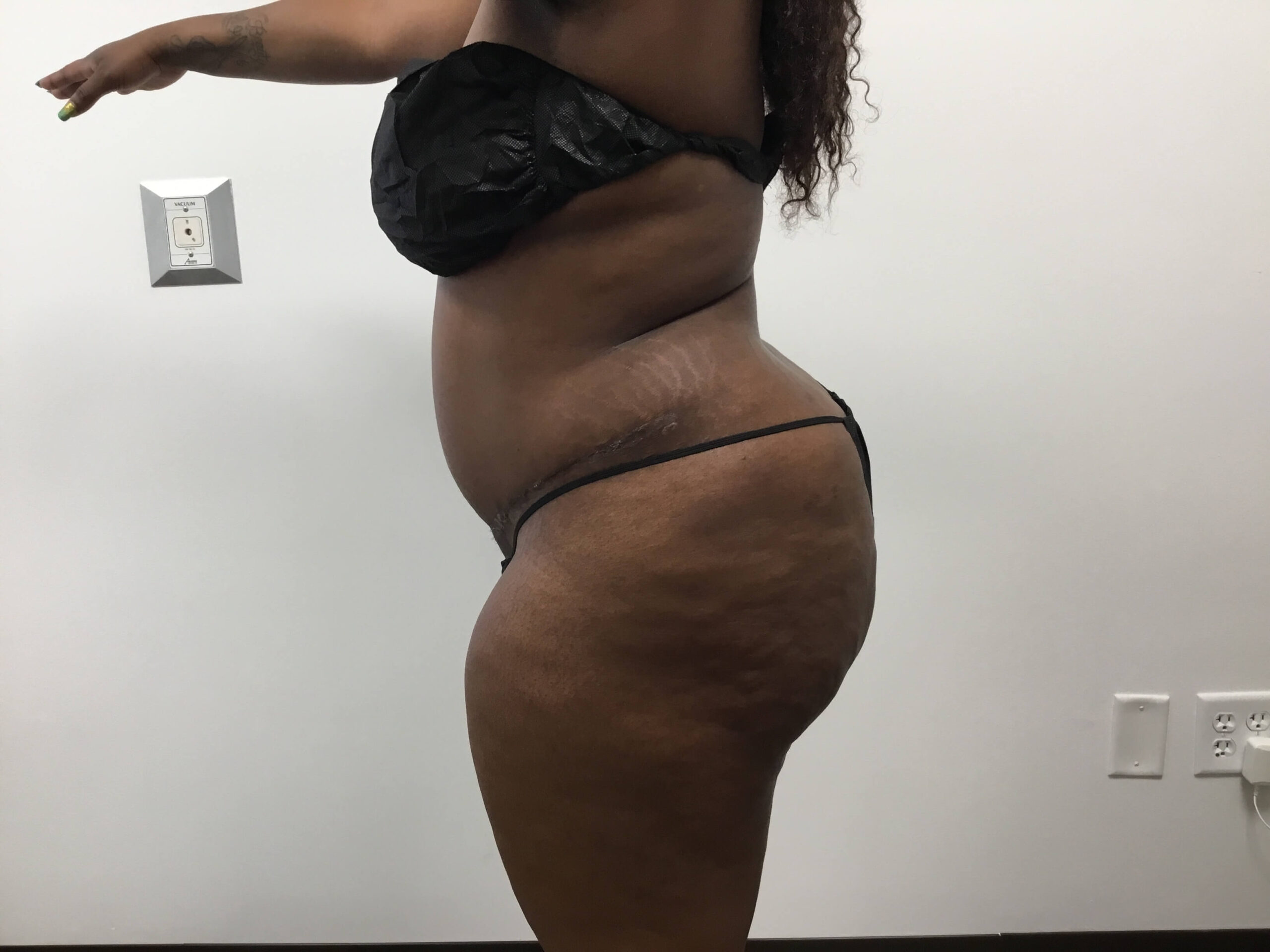
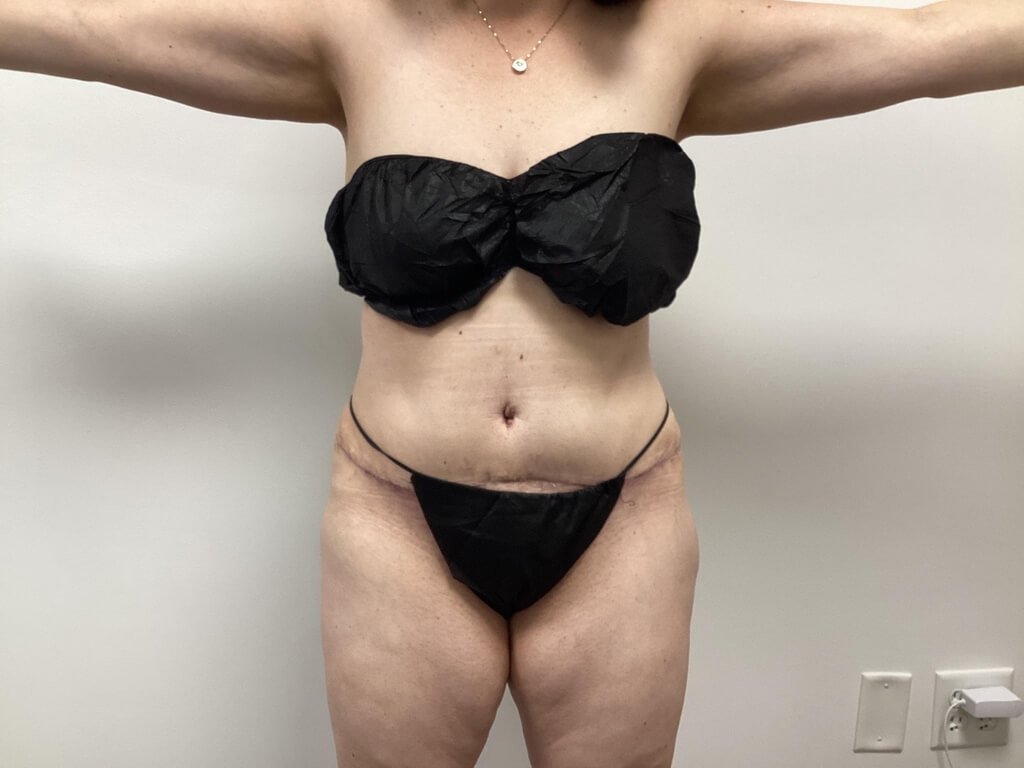
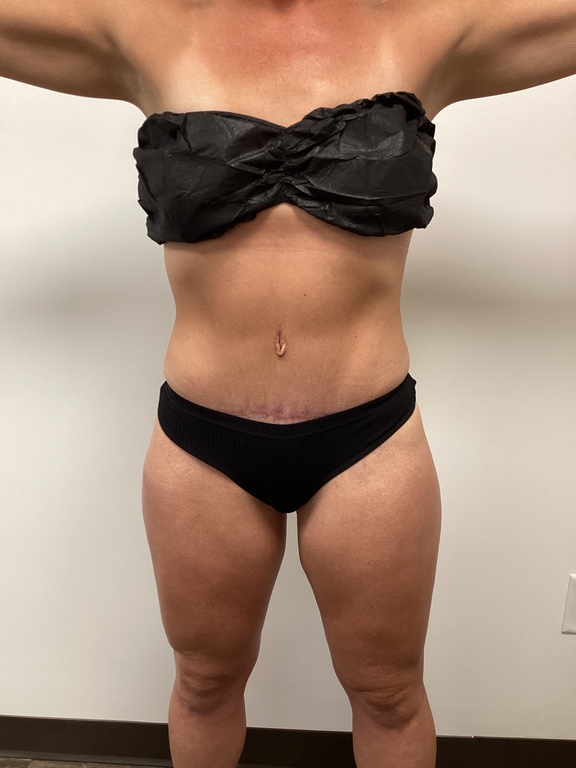
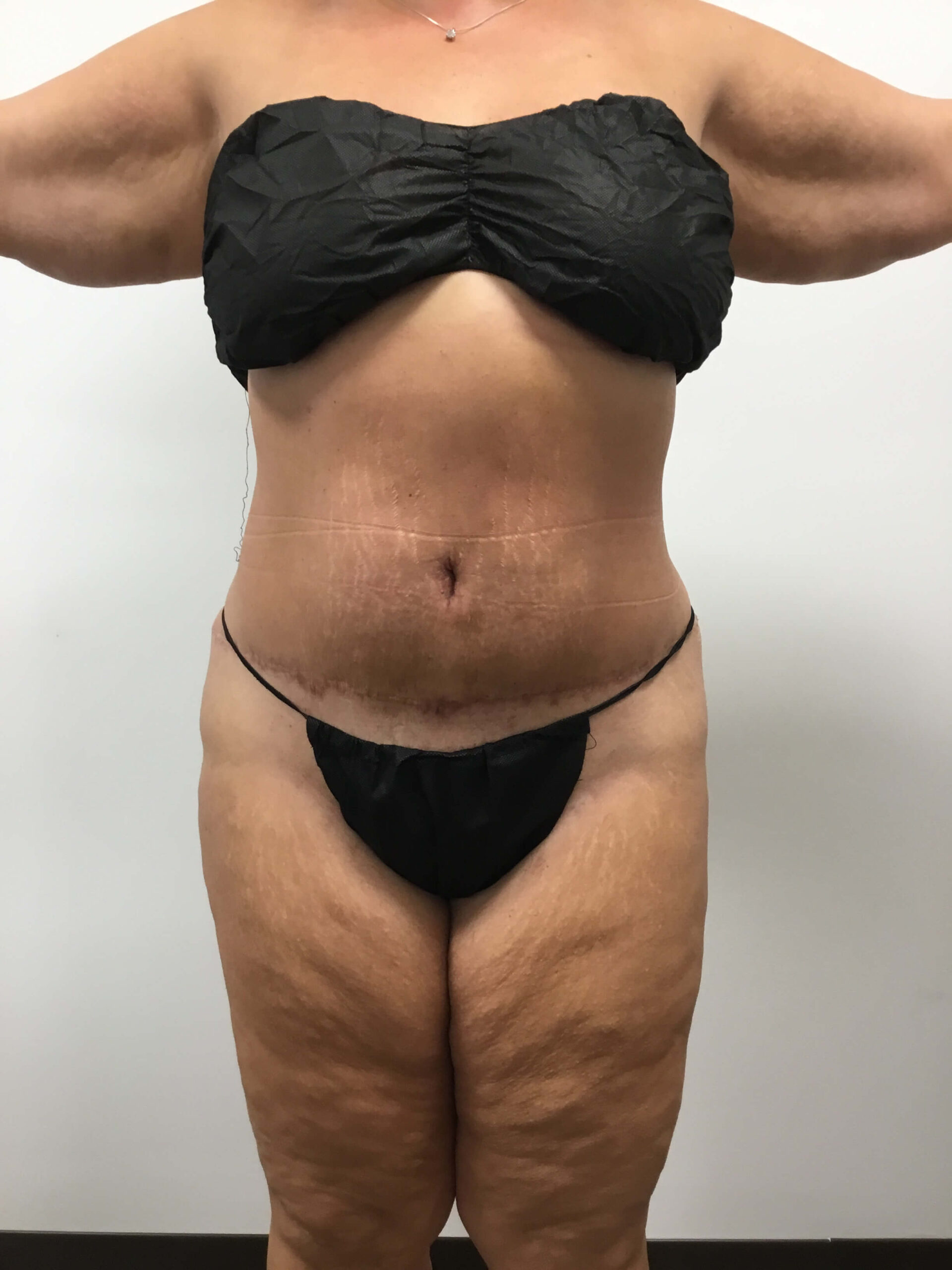
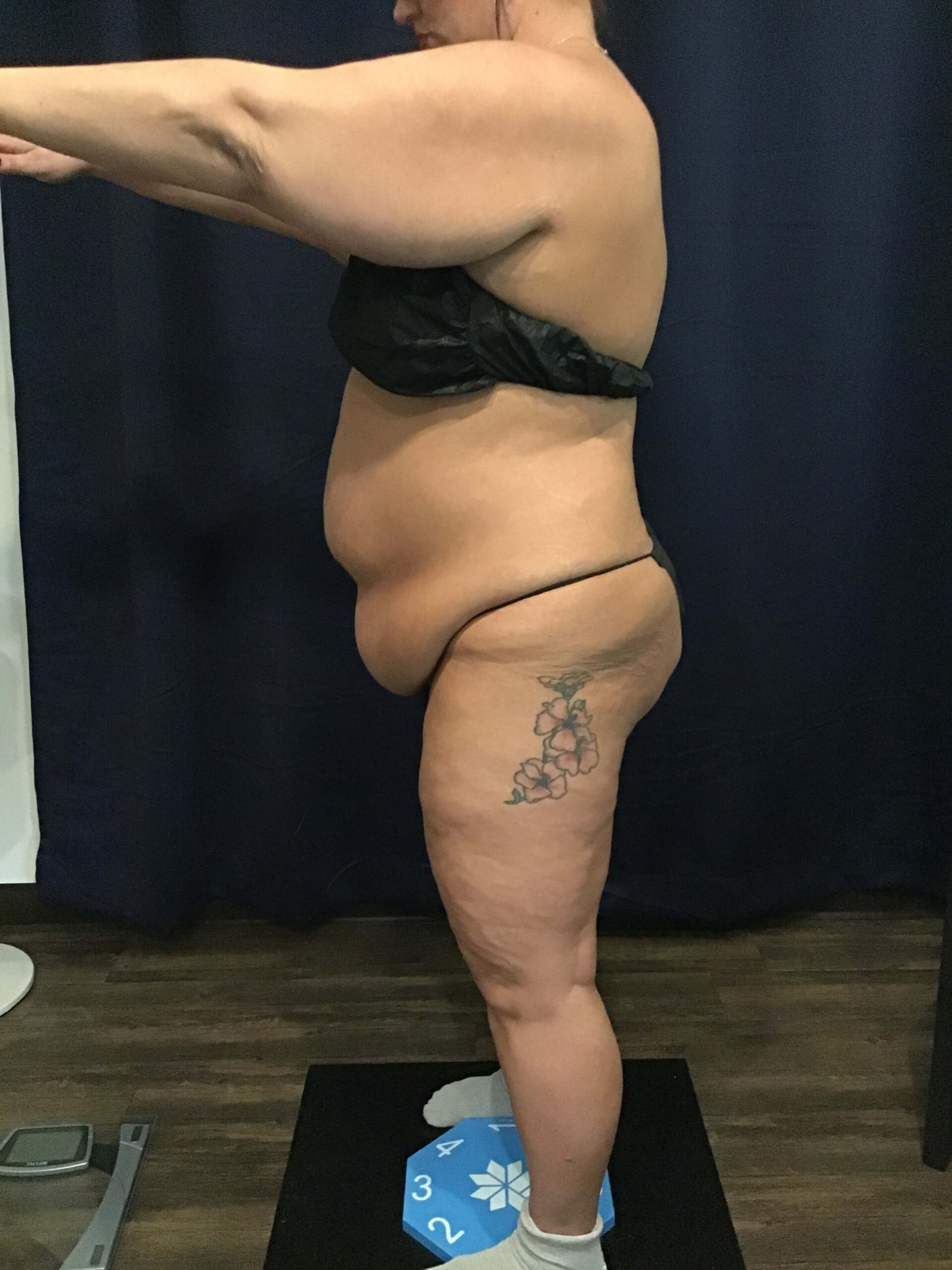
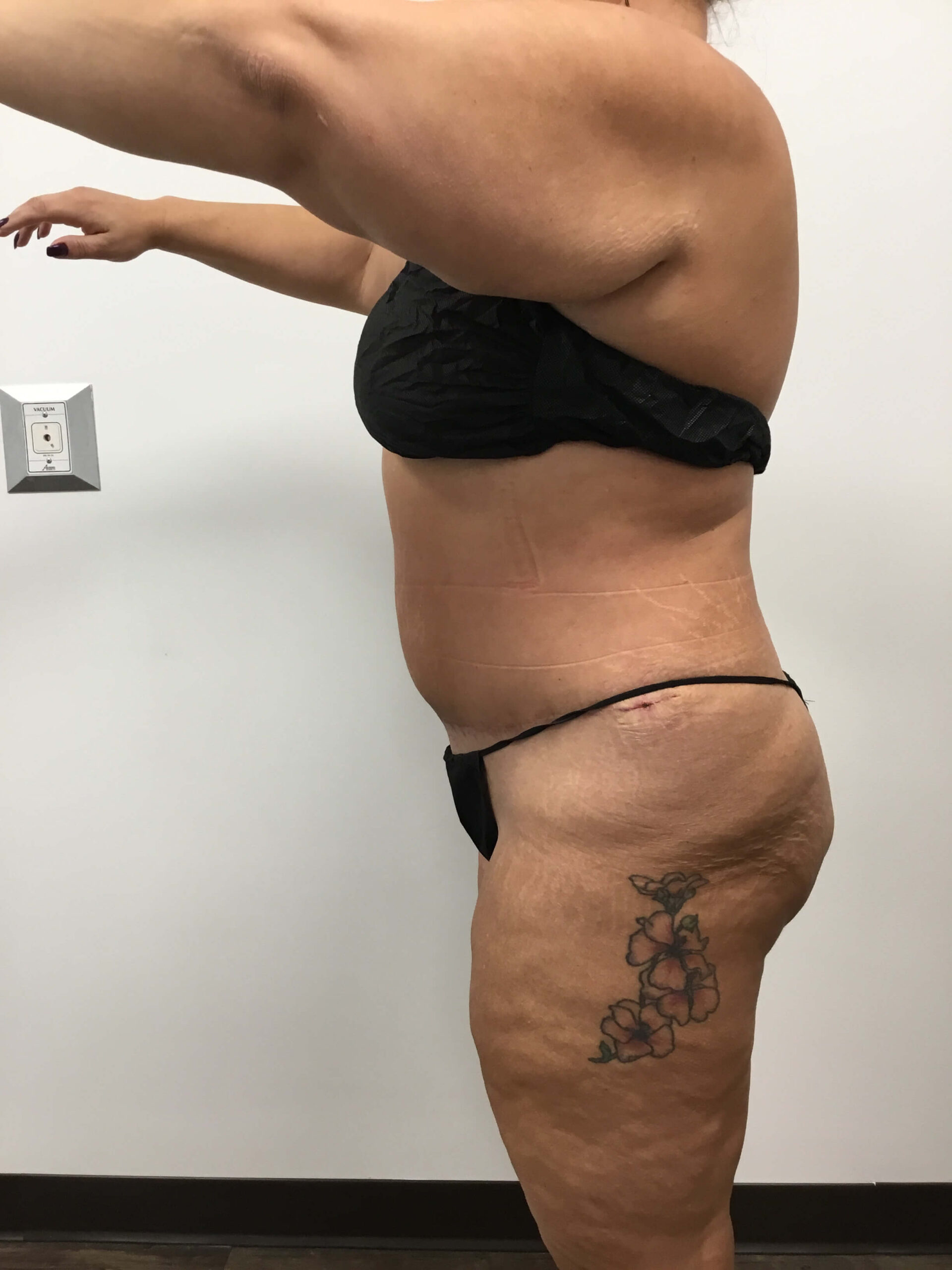
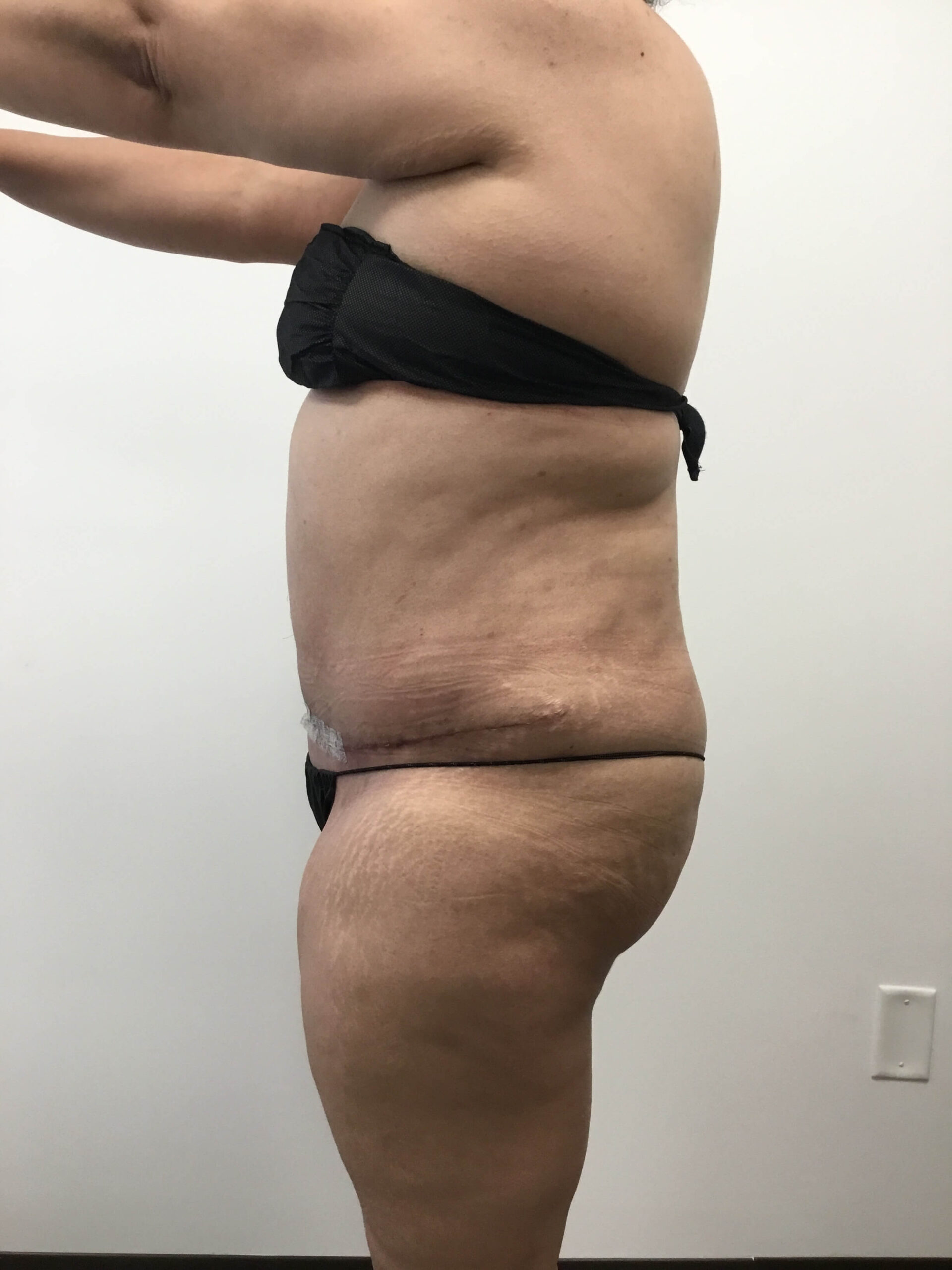
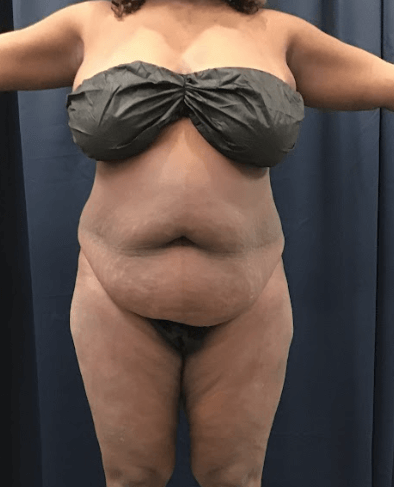
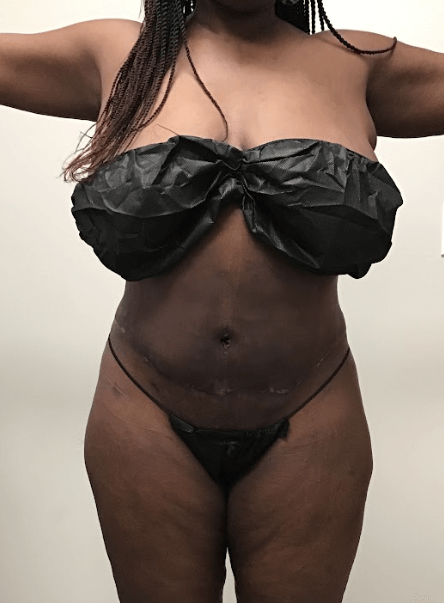
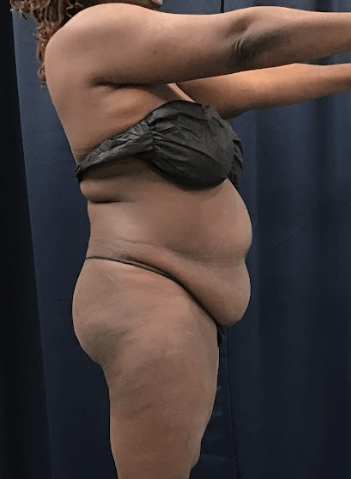
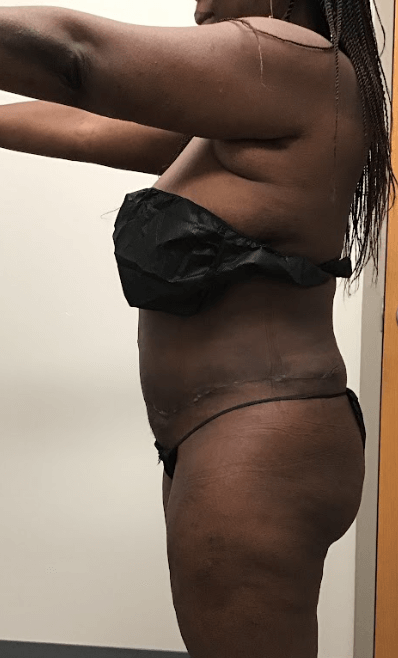
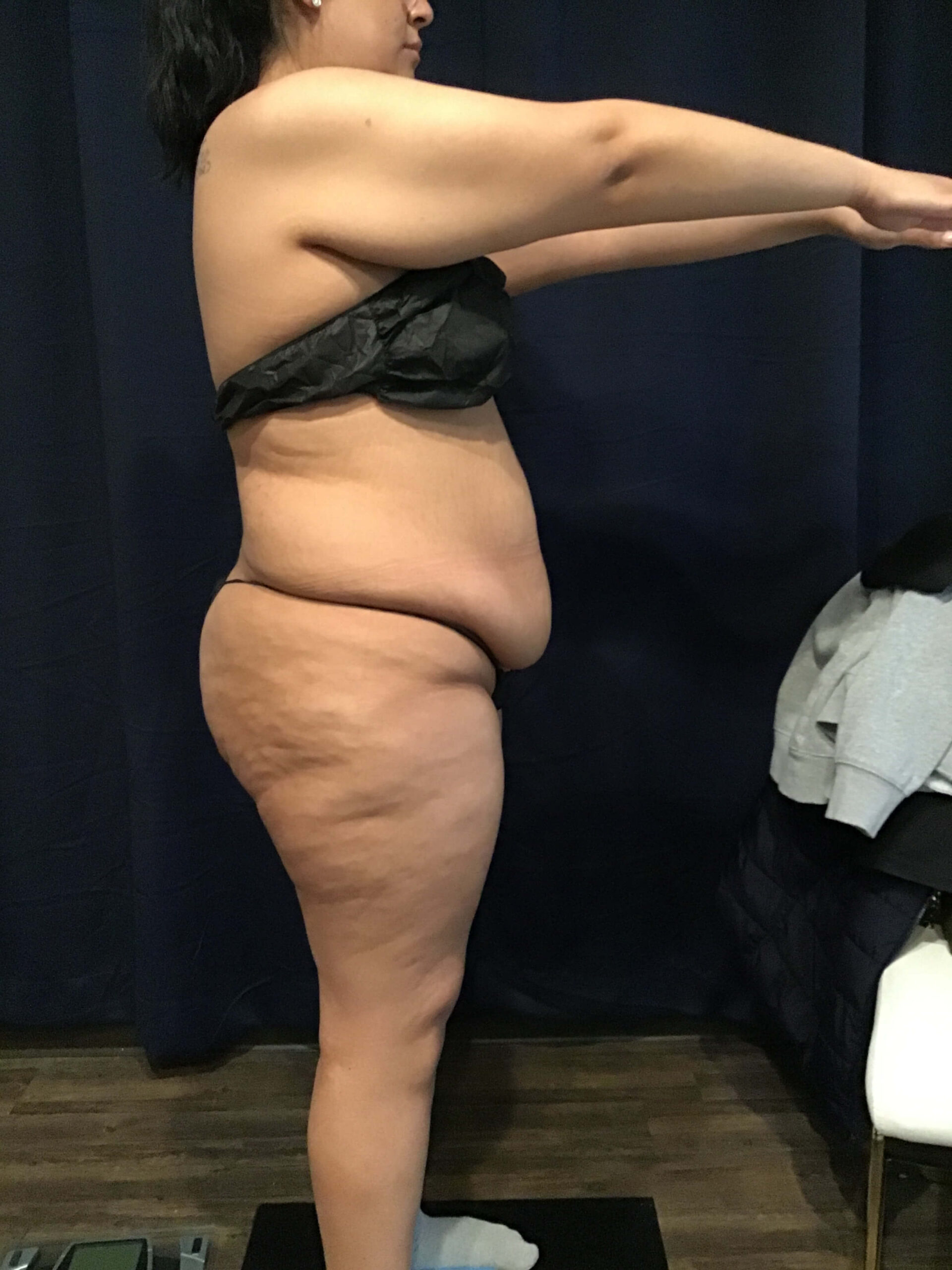
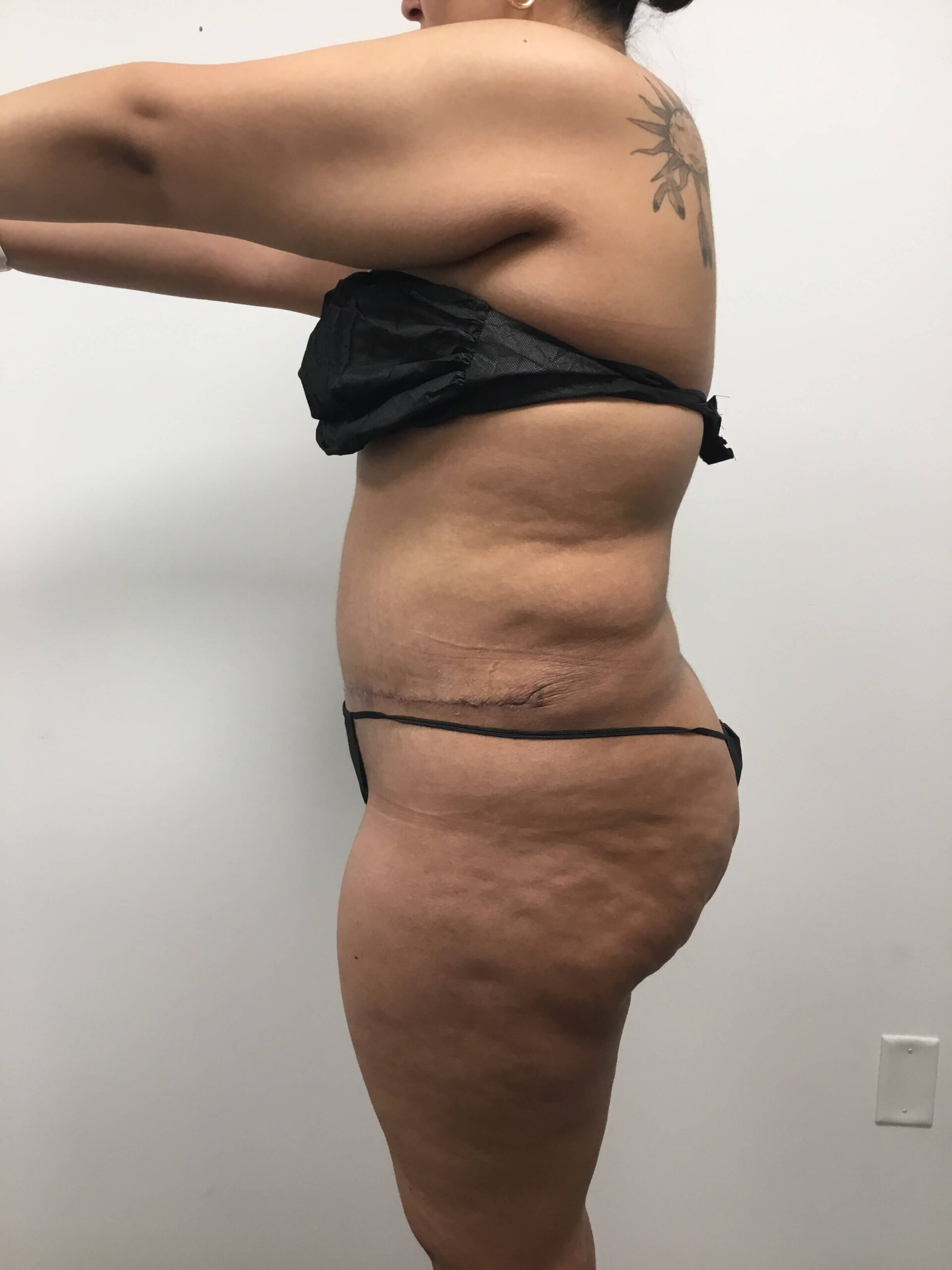
The cases behind the record aren't hypothetical. Zelko has removed as much as 109 centimeters of skin in a single tummy tuck. He's operated on guests in the low-40s BMI range, people who wouldn't get past the front desk at most practices, and describes the results in unremarkable clinical terms: she did well, she's happy, and she's a lot smaller.
"These people are so appreciative that someone took the time to help them achieve some kind of physical change that they just couldn't do on their own."Dr. Timothy Zelko
The procedure-day reports have their own texture. Guests awake and talking through the entire operation. Their own music playing, a spouse or a sister or a best friend in the room, the bed heated. During the liposuction portion, guests are offered a hand or foot massage; during the skin-removal portion, a facial; between the two, lunch for the guest and their significant other. One guest, mid-procedure, summed up what's become the practice's signature contradiction: "This is like being in a spa." The comfort has a clinical job: keeping a guest calm keeps stress hormones down, which is part of how the day is engineered.
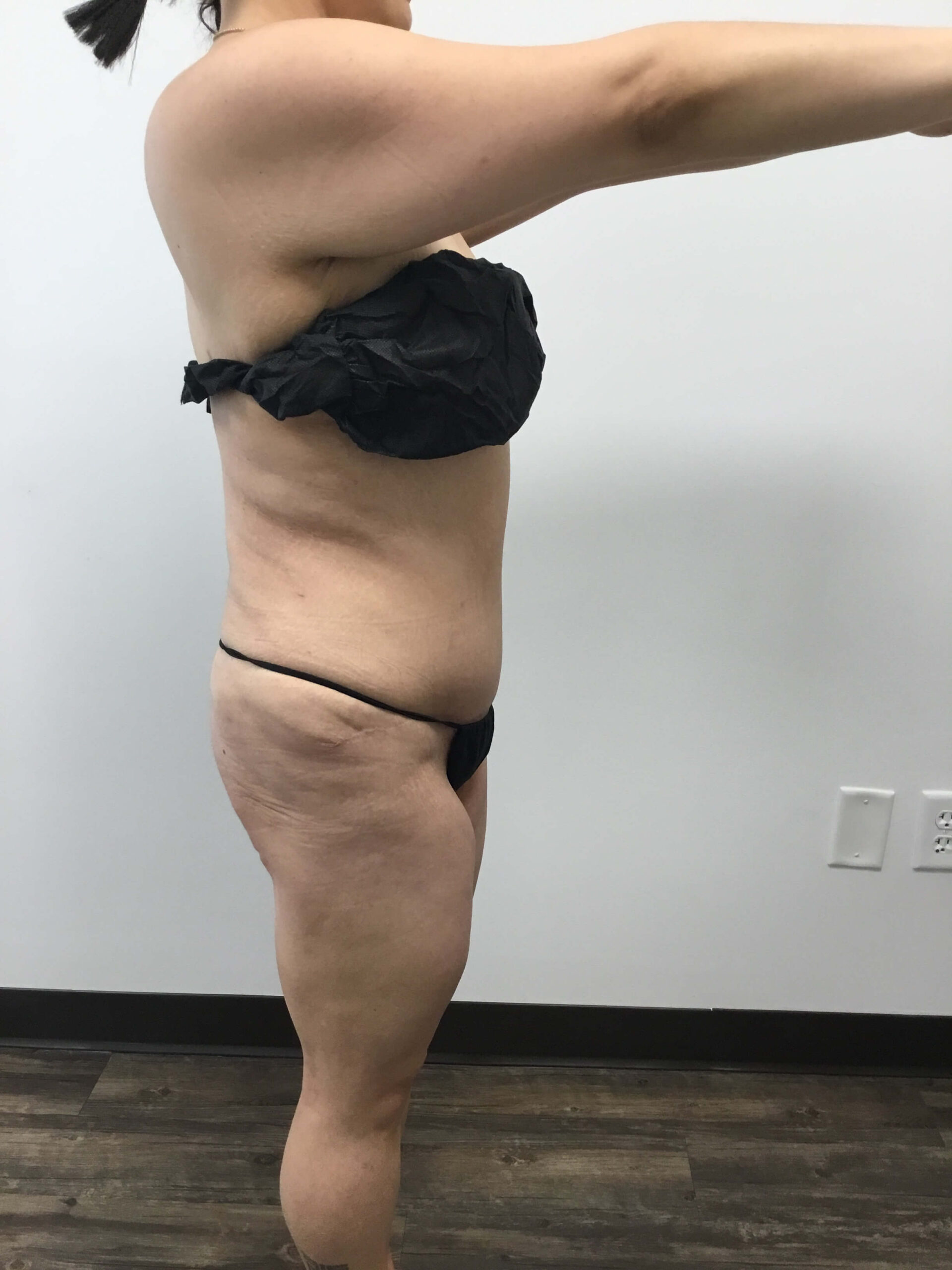
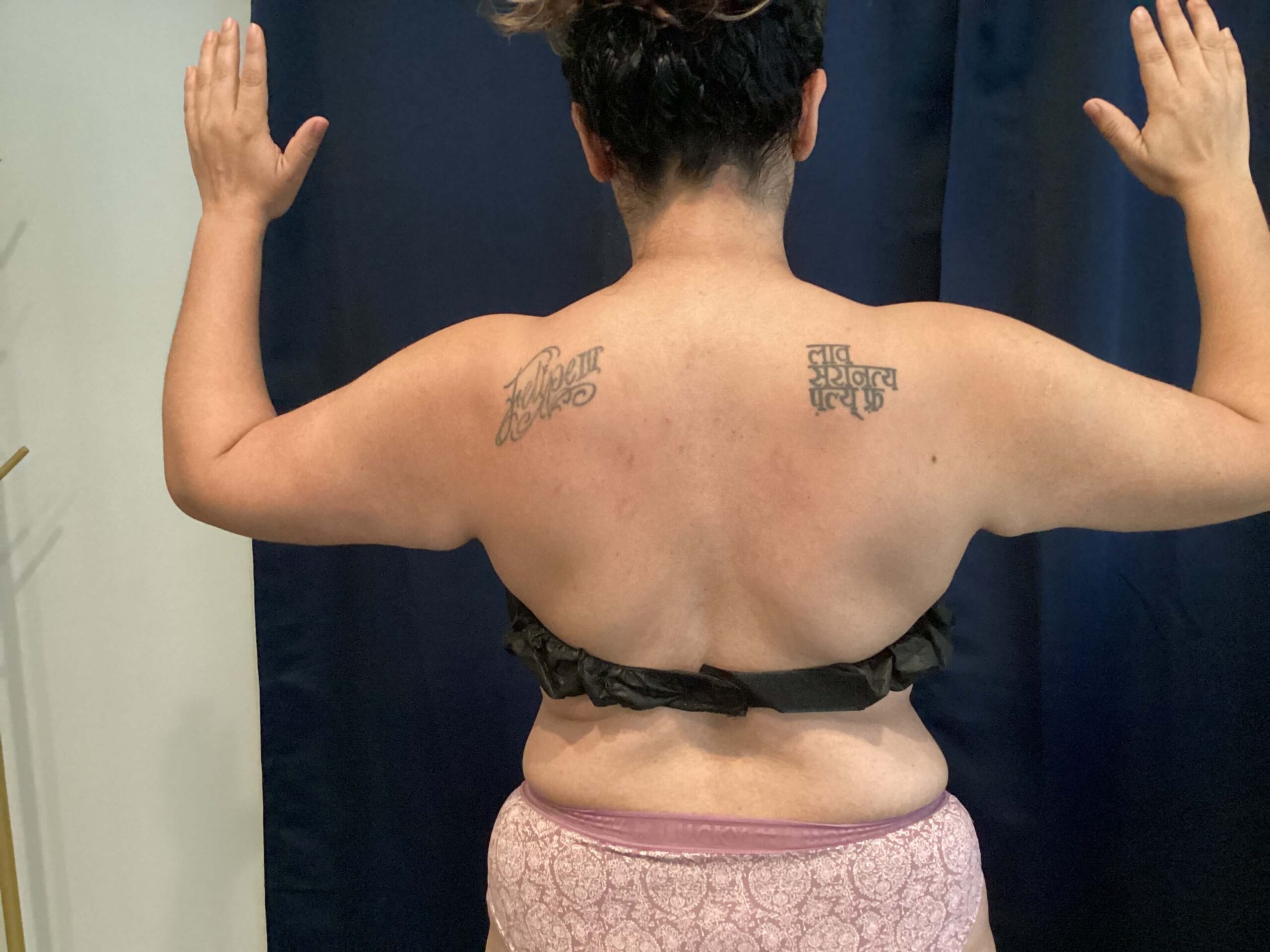
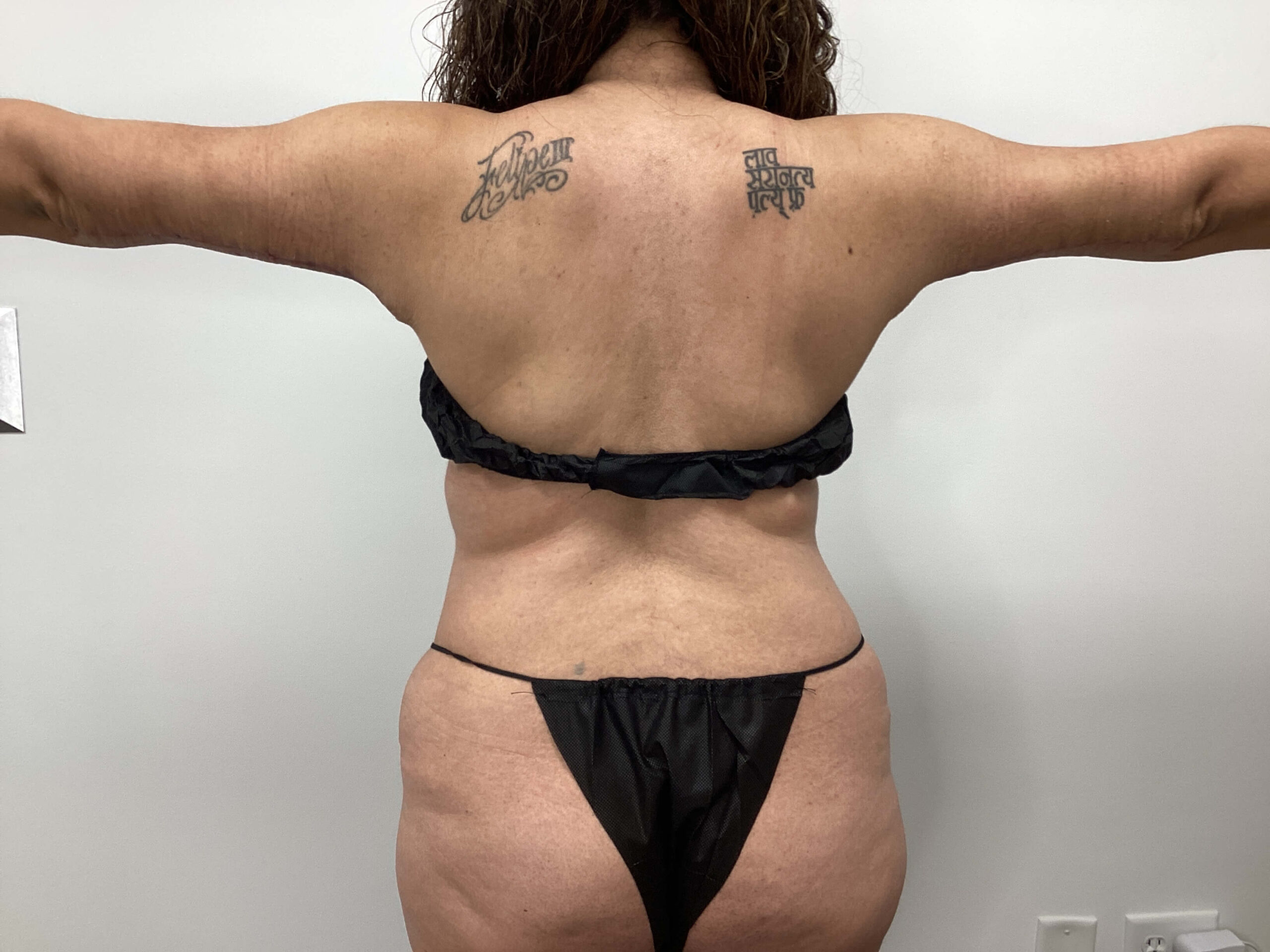
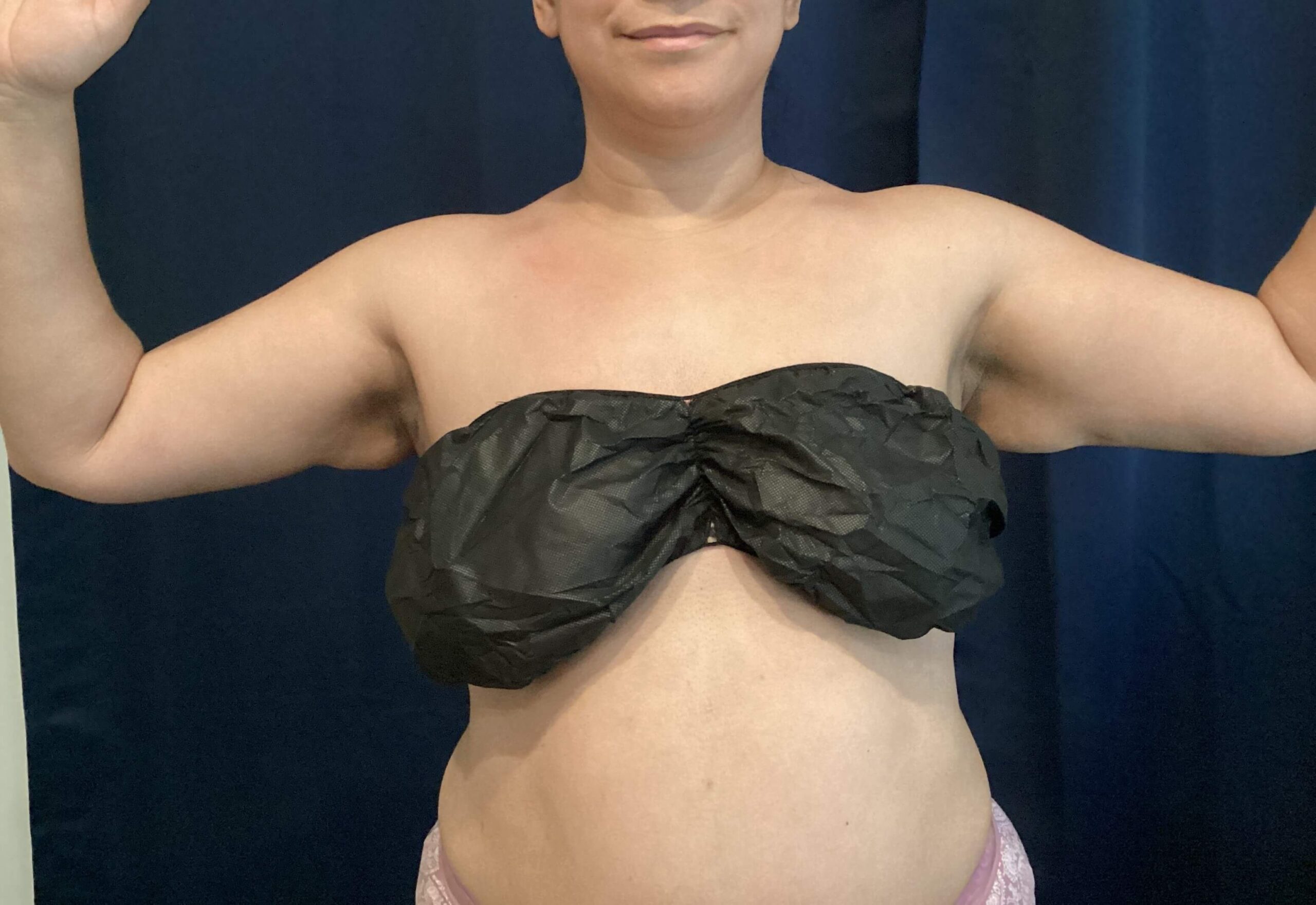
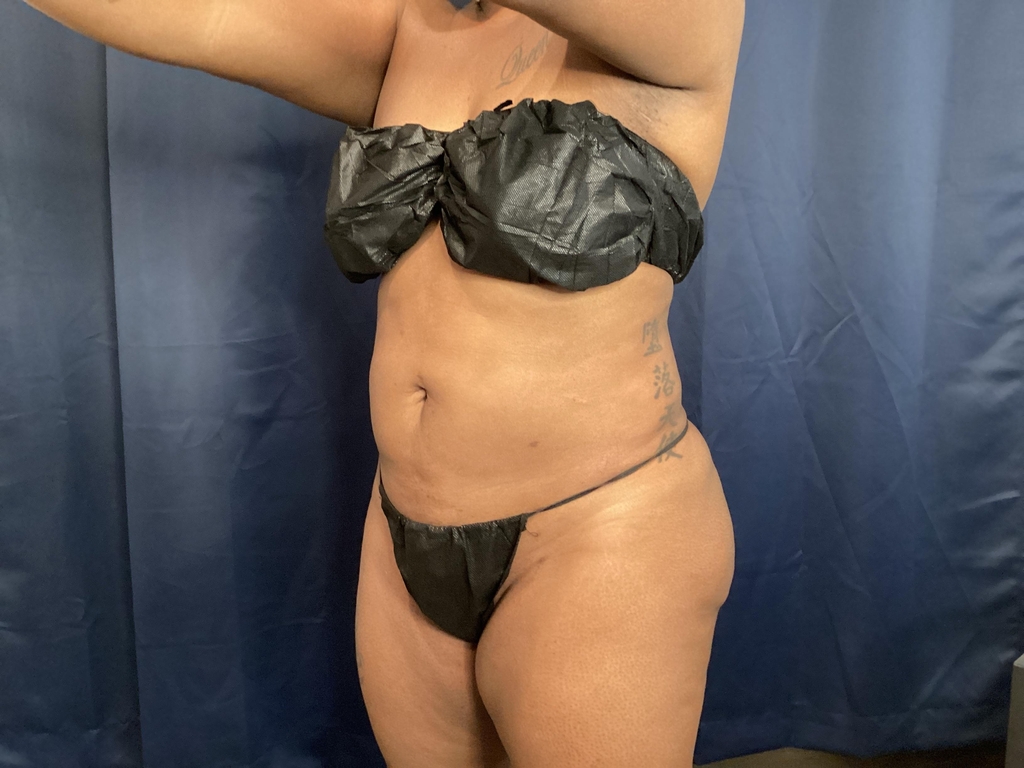
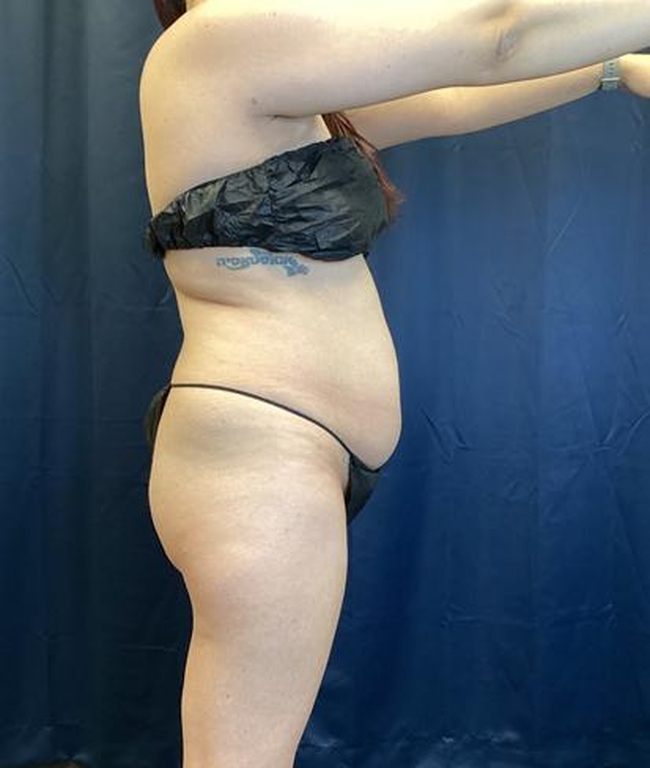
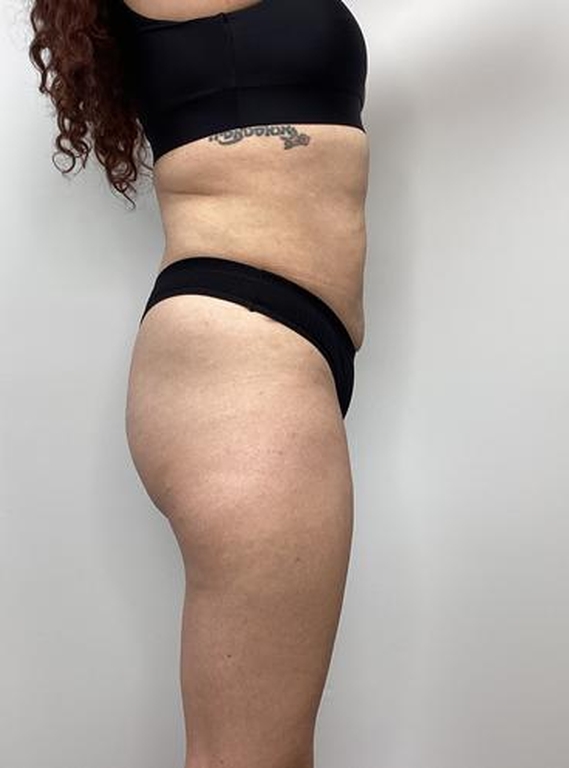
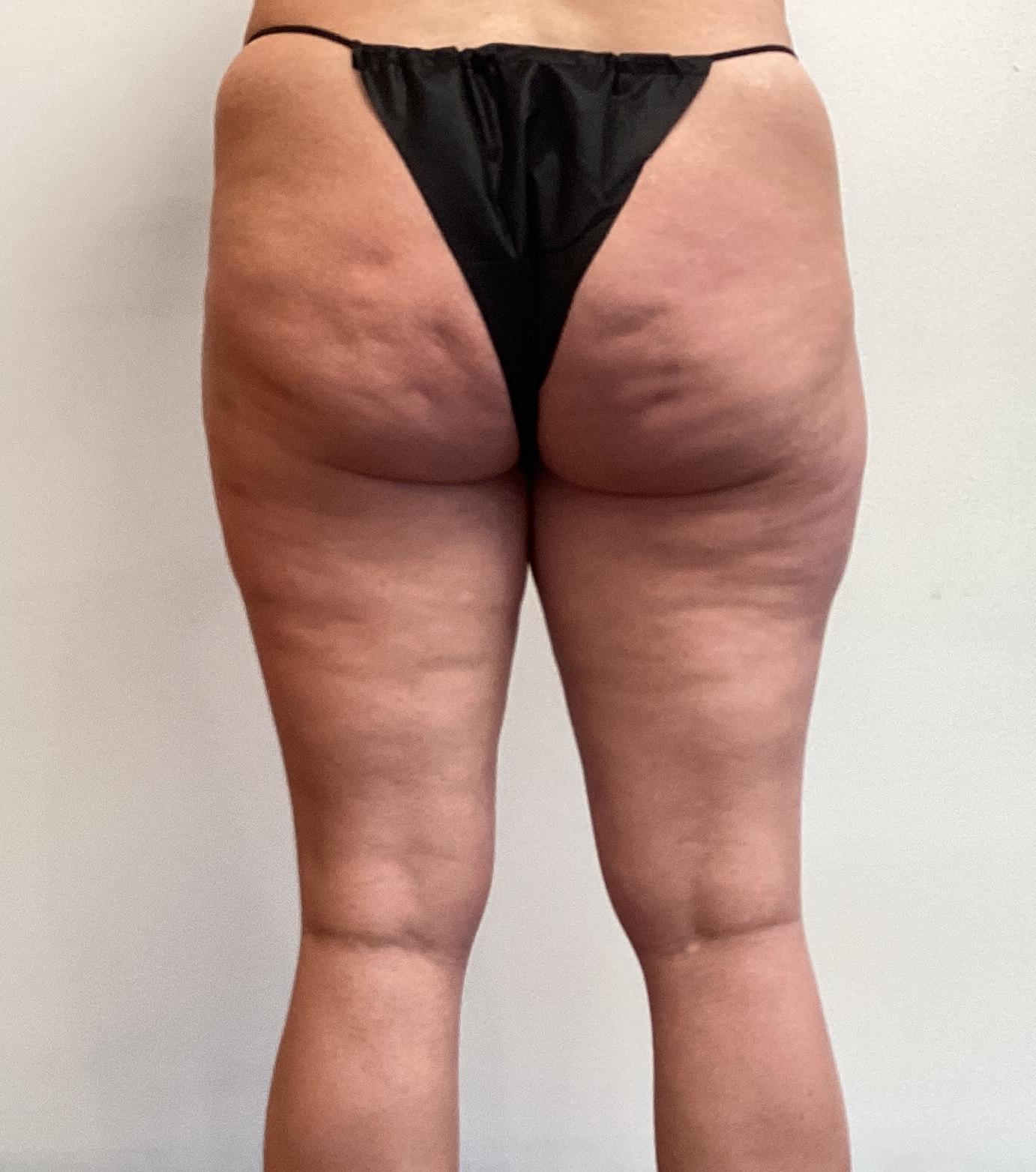
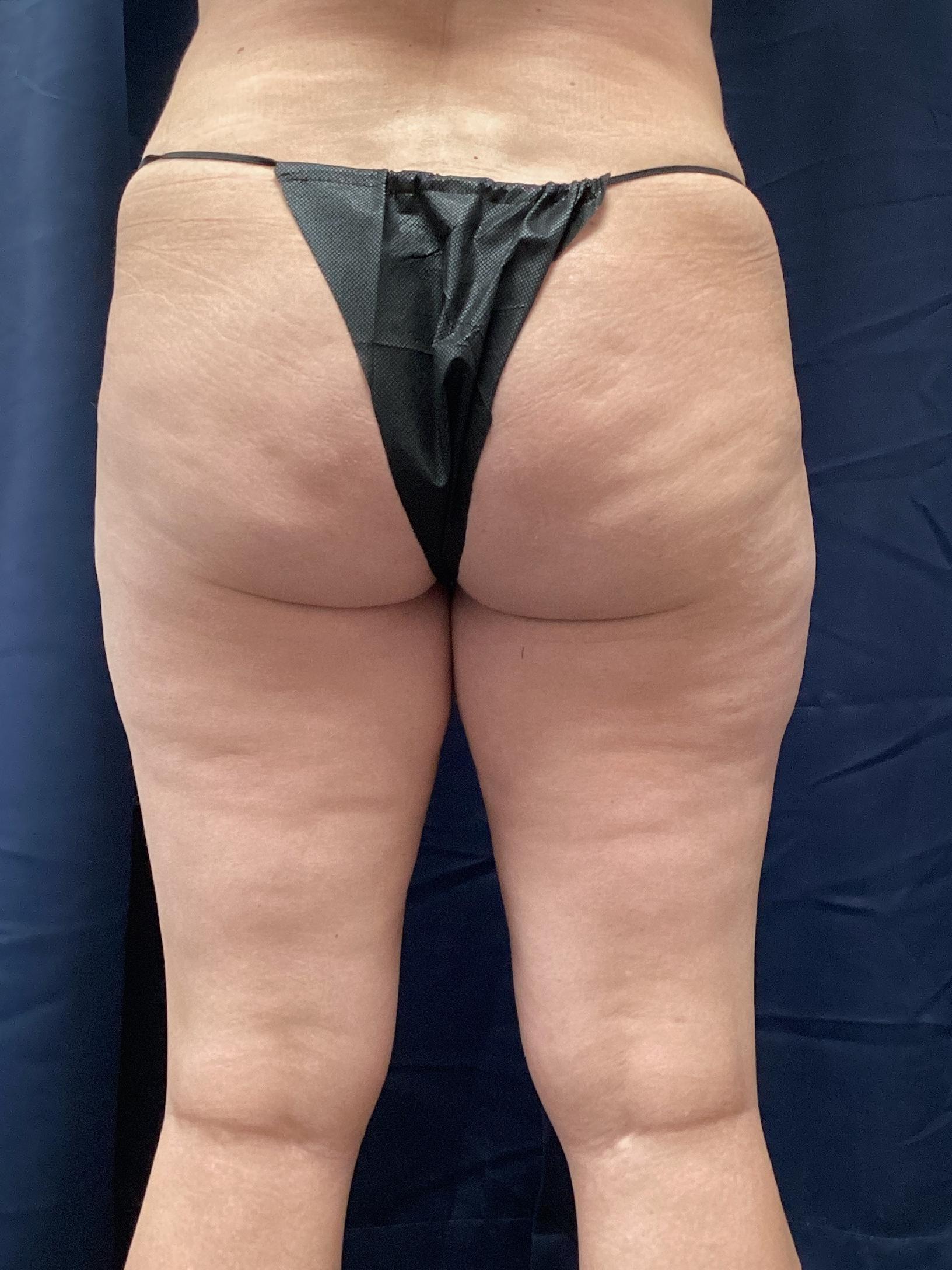
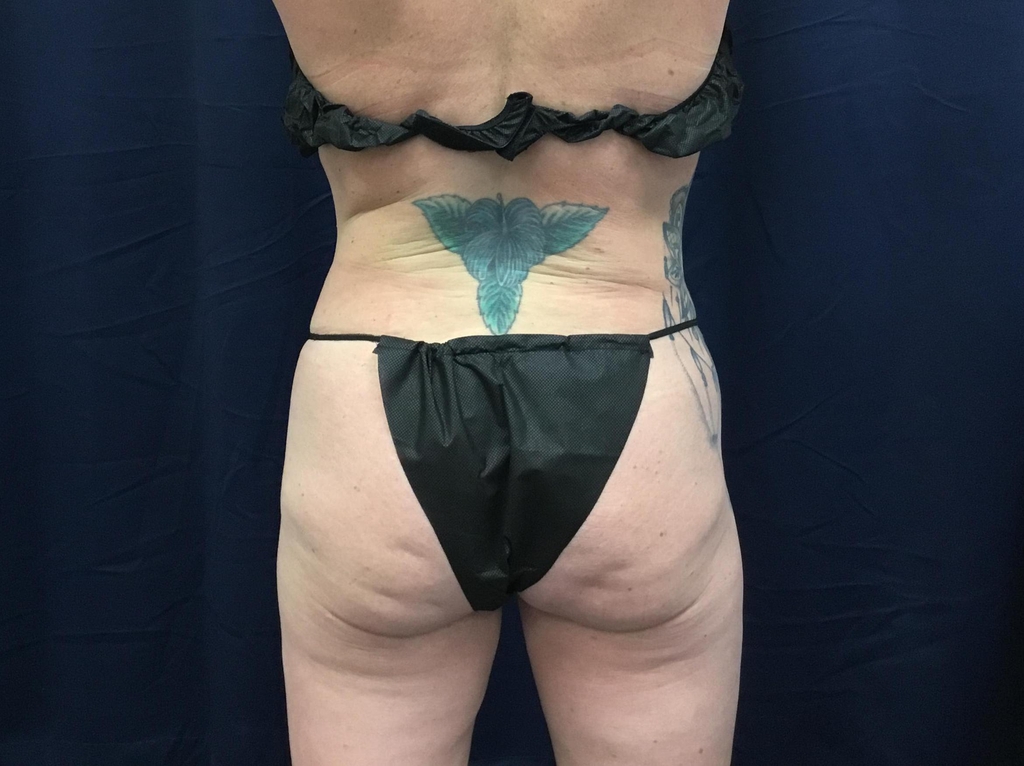
And afterward, the outcomes this audience actually dreams about, none of which involve magazine covers: the apron that chafed and stayed damp, gone. The rash cycle, over. Sleeves in July, optional. They describe it less as a new body and more as the hiding being over.
Come As You Are
Ask Zelko for his recommendation to this audience and what comes back is the consult itself, compressed. Not 30 pounds from now. As you are, today, at the goal you set for yourself.
The practice sets no rigid weight cutoffs, because in his view demanding more loss before offering help gets the psychology backwards. He won't promise outcomes, because no one credibly can. He treats the people in his chairs as guests, not patients, a distinction his staff repeats like a creed: a patient is processed, a guest is served. For people whose entire weight loss was conducted in rooms where they were weighed, measured, and lectured, that distinction carries the whole point.

The Question That Has an Answer
Which leaves the question every one of these guests carries into the room, usually before cost, before scheduling, before anything: after losing what I've lost, how much of this can actually be fixed?
The answer is individual, and it includes the plain parts: the limits, the staging and, rarely, the referral. But it exists, it's one conversation away, and it doesn't require another round of general anesthesia to hear. The consultation is free, there's no judgment waiting in it, and the surgeon on the other side of it takes people as they are and gives them the truth either way.
You already did the hardest thing a body can be asked to do. What remains is letting yourself enjoy it. The answer costs one conversation.
Get the honest answer, including the limits
Come as you are: a free conversation with Dr. Zelko.
Schedule a Conversation Greenfield, WI · (414) 525-5200 · Hablamos Español