Every Question · Answered Directly
Frequently Asked Questions
These are the questions guests ask most often about pain, recovery, candidacy, anesthesia and cost. Every procedure here is performed awake under tumescent local anesthesia, and Dr. Zelko has performed more than 7,000 awake procedures.
If you have questions before you are ready to call, this page is for you. These are the questions guests ask most often, about pain, recovery, candidacy, anesthesia, cost, and what happens if something goes wrong. They are answered directly, in plain language, without softening the parts that are genuinely important to know. There are no questions we avoid.
The #1 Fear - Addressed
6 questionsBeing Awake
Is it really possible to have a tummy tuck while fully awake?
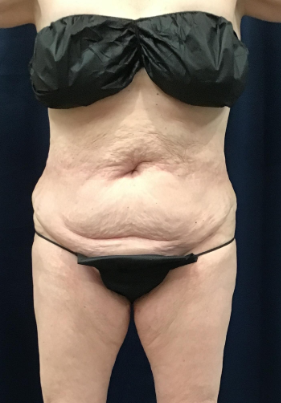
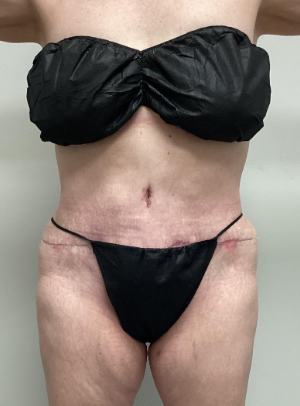
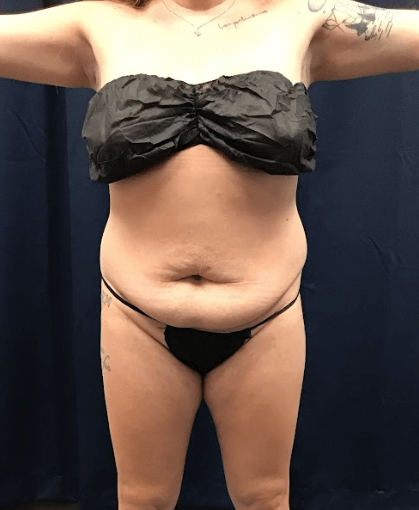
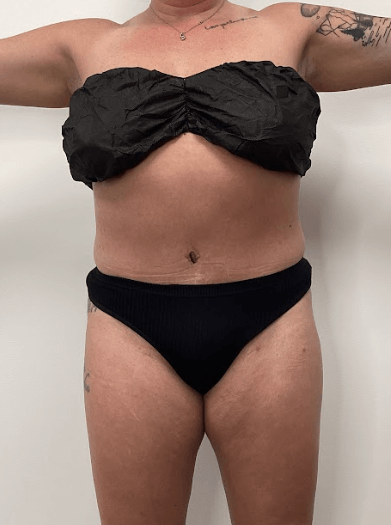
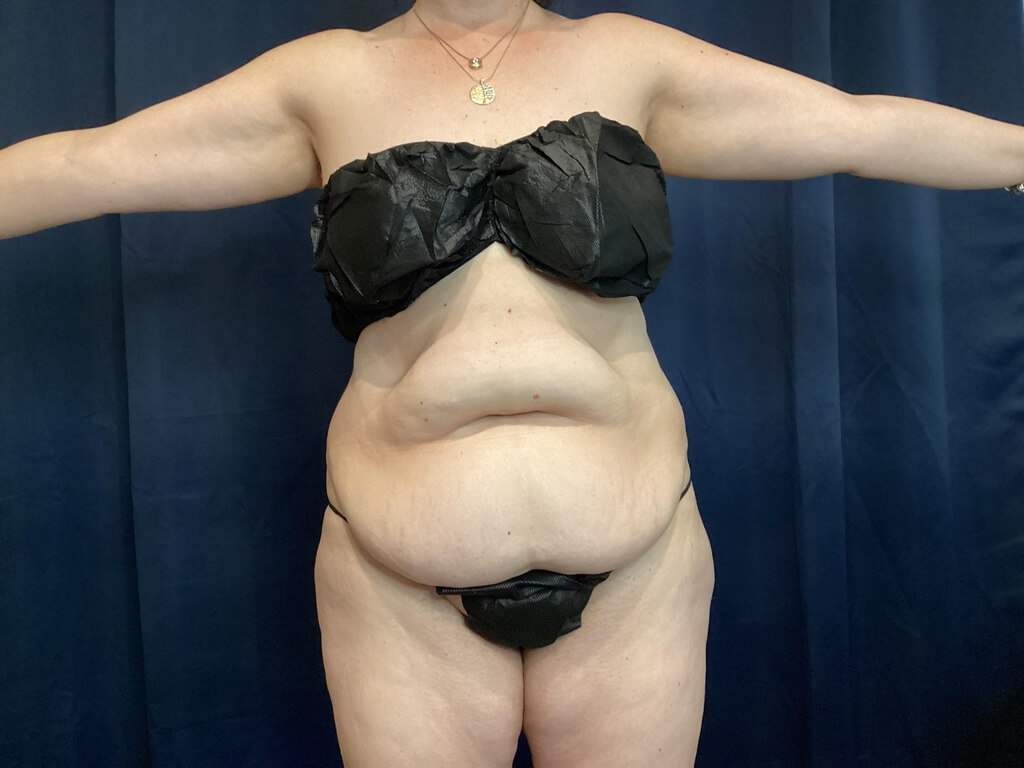
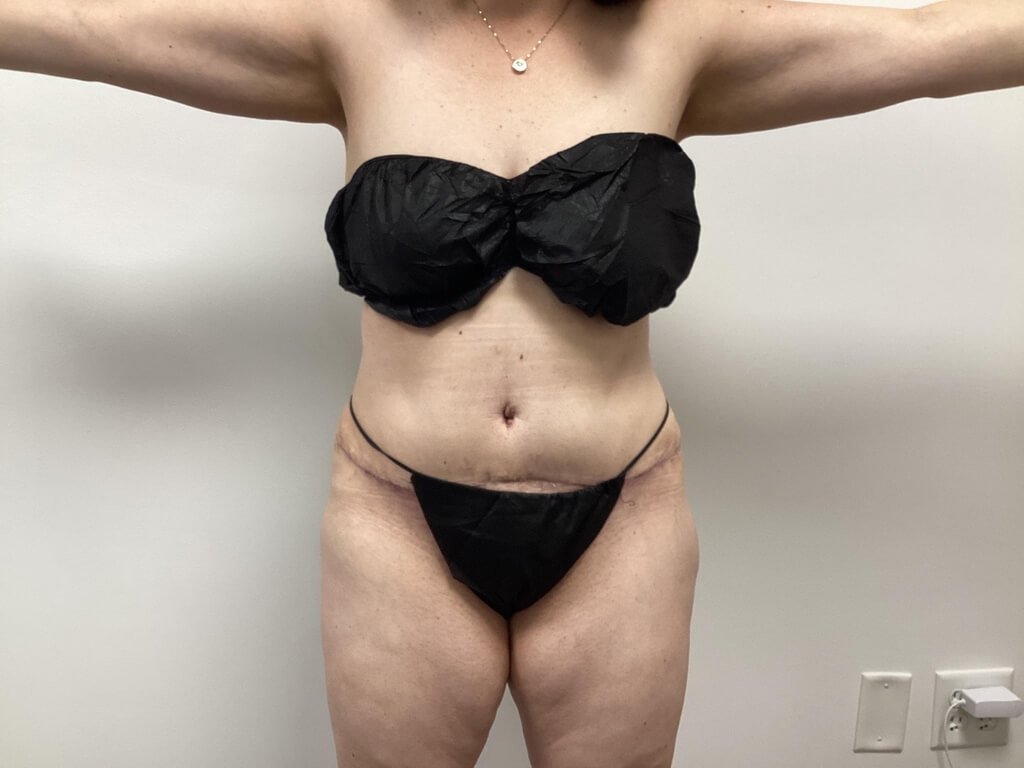
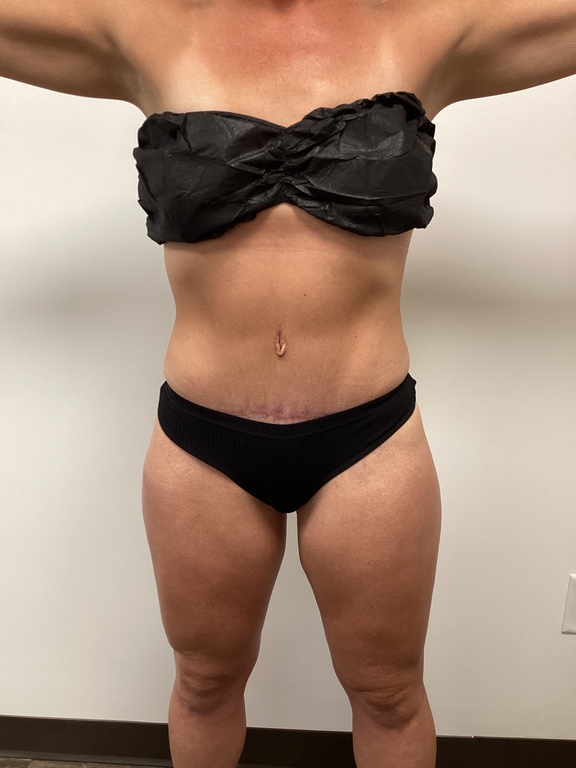
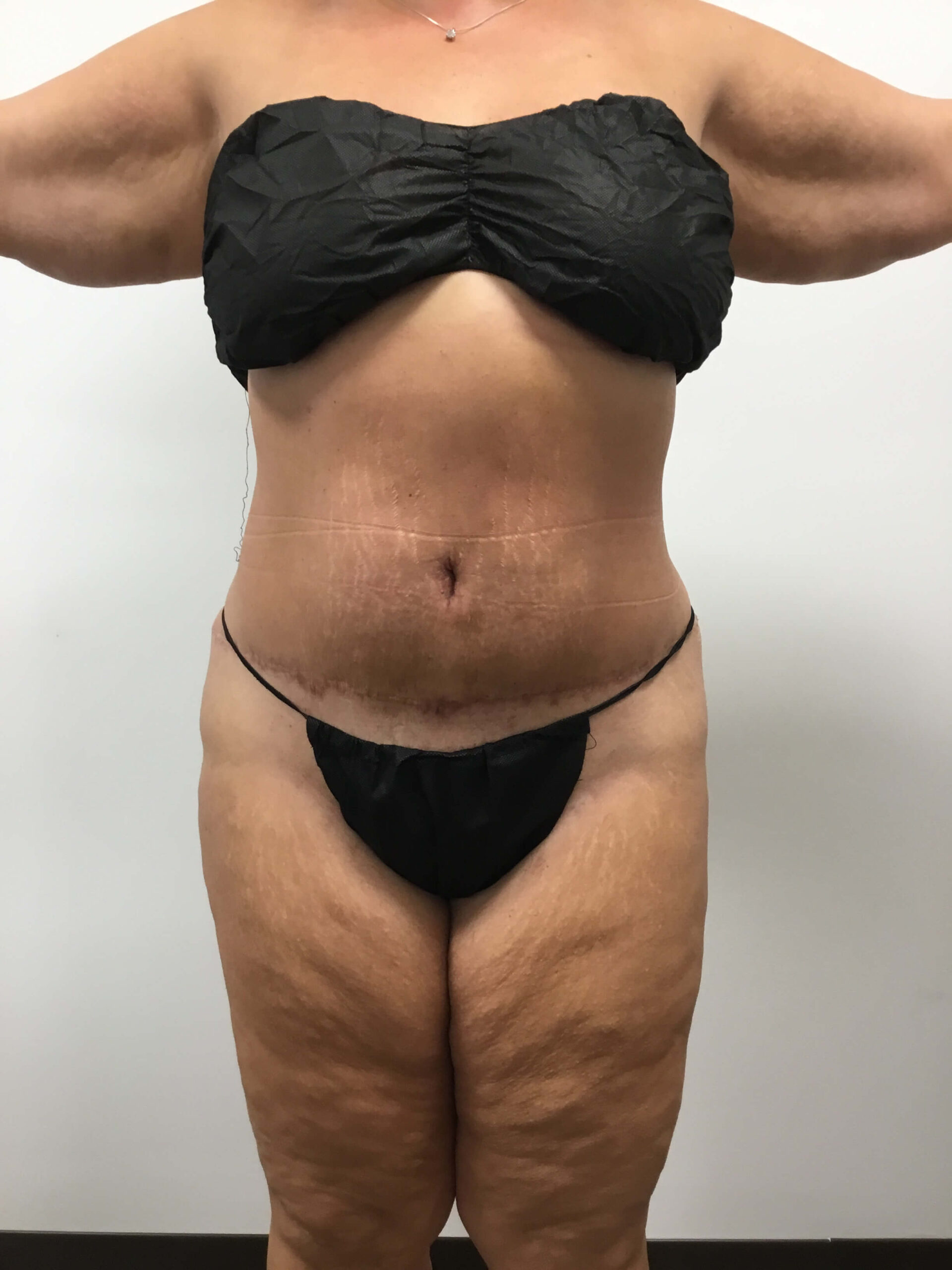
Yes - and Dr. Timothy Zelko has performed over 800 of them. The TickleTuck (awake tummy tuck) is performed entirely under tumescent local anesthesia in an in-office setting, with no general anesthesia, no hospital, and no sedation required. Guests are fully conscious throughout. Most describe the experience as far more comfortable than they expected. The combination of tumescent anesthesia and the TickleLipo vibration mechanism means pain is not a significant feature of this procedure.
Full answer: Awake vs. General Anesthesia
Will I feel pain during the procedure?
The treatment area is fully numbed with tumescent local anesthesia before any procedure begins. Pain scores during the procedure are consistently documented at 0 to 2 out of 10. You will feel vibration and pressure - but not pain. Before any liposuction or excision begins, Dr. Timothy Zelko performs an anesthesia check, passing through every zone at the suctioning vibration rate. If you feel anything beyond vibration at any point, we stop and wait until it resolves completely. By the time the procedure starts, you have already experienced what it feels like and found it manageable.
Full answer: Tumescent Local Anesthesia
What if I'm too anxious to stay awake?
Anxiety before a procedure is completely normal and anticipated. For guests who want something to take the edge off, a mild oral anxiolytic (Ativan) is available as an optional comfort measure before the procedure - not required, but offered. Most guests find that once tumescent administration begins and they realize how comfortable it is, the anxiety resolves naturally. The goal is to show you within the first few minutes how comfortable this procedure is and will continue to be. That early experience is the most effective anxiety management available.
Dr. Timothy Zelko's personal cell number is provided at consultation. Questions can be asked before, during, and after - at any hour.
Why is being awake actually better than being under general anesthesia?
General anesthesia carries specific, documented risks: cardiac events, respiratory depression, anesthesia awareness (being conscious while paralyzed), and post-anesthesia nausea. Tumescent local anesthesia eliminates all of these. Beyond risk elimination, being awake offers a genuine clinical advantage: you can verify in real time that every area promised at consultation is actually being treated. Dr. Timothy Zelko shows guests their results before they leave the table. When you are under general anesthesia, you have to trust that everything was delivered as promised. When you are awake, you can confirm it yourself.
The practice also holds a documented infection rate of 0.125% - versus the roughly 1% published rate (Winocour, 2015) - which is directly attributable in part to the in-office awake environment rather than a hospital setting.
Full answer: Awake vs. General Anesthesia
Can I communicate with Dr. Zelko during the procedure?
Yes - fully and at any time. This is one of the underappreciated advantages of the awake approach. You can ask questions, share feedback, report any sensation, and have a normal conversation throughout. Dr. Zelko explains what he is doing as he works. Your significant other is welcome to be present in the room throughout the entire procedure - this is not optional access, it is standard practice at Zelko Aesthetics.
What does the spa environment during the procedure actually look like?
The procedure room at Zelko Aesthetics is designed around comfort, not clinical sterility for its own sake. Heated bed. Mood lighting. Aromatherapy. Music of your choice. Your significant other present in the room. Lunch is ordered for both of you during the break between the liposuction and excision portions of a TickleTuck. A foot massage is administered during the liposuction phase. These are not marketing claims - they are the consistent, documented experience of guests across hundreds of procedures. The environment is part of the clinical protocol, not a decoration around it.
Awake Abdominoplasty
6 questionsTickleTuck
How long does a TickleTuck take?
A full TickleTuck - including TickleLipo of the abdomen, the break, and the skin excision - takes approximately 4 to 8 hours depending on the extent of liposuction and whether plication is performed. This is a same-day procedure: you arrive, the full procedure is performed, and you go home. There is no overnight stay.
What is plication and do I need it?
Plication is the internal repair of separated abdominal muscles - the rectus abdominis muscles that run vertically and can separate during pregnancy (diastasis recti). When separated, they create a central bulge that liposuction and skin removal cannot address. Plication stitches these muscles back together along the midline, restoring the internal structural foundation before skin is removed.
Whether you need plication is assessed at consultation. Dr. Timothy Zelko checks for diastasis recti as part of every tummy tuck evaluation. If present and contributing to the abdominal profile, plication is recommended. If not present or not contributing, it is not performed unnecessarily - plication adds both procedure time and recovery intensity.
When can I return to work after a TickleTuck?
Return to desk work is typically 4 to 5 days after a TickleTuck. Physical or demanding work takes longer - generally 2 to 4 weeks depending on the nature of the work. Post-operative discomfort runs 4 to 7 out of 10 for the first 3 to 5 days and then subsides substantially. Most guests are surprised by how manageable the recovery is relative to their expectations coming from research on hospital-based general anesthesia tummy tucks.
What is the drainage like after a TickleTuck?
Tumescent fluid drains through the small access incisions for the first 24 hours, with most drainage occurring in the first 4 to 6 hours. The drainage looks like diluted blood - a light cherry-red color. This is expected, normal, and actually beneficial: the drainage carries residual anesthetic and debris out of the treatment area, reducing bruising and swelling. Absorbent pads, a chucks pad for your car seat, and a full to-go bag with replacement supplies are provided at discharge.
What is a Reverse TickleTuck?
The Reverse TickleTuck addresses upper abdominal skin laxity - the area above the navel that a standard lower tummy tuck does not reach. The incision is placed in the inframammary fold (the natural crease beneath the breast), hidden entirely in a bra. It is performed in-office under local anesthesia with same-day discharge. It is the correct procedure when upper abdominal laxity is the primary concern, when a previous tummy tuck left the upper abdomen unaddressed, or when post-childbearing upper laxity exists with a reasonably taut lower abdomen. The self-diagnosis test: if you find yourself pulling your upper abdominal skin upward in the mirror to see the result you want - that upward pull is the direction the Reverse TickleTuck works.
Full answer: Reverse TickleTuck: For the Upper Abdomen Nobody Addressed
What about lightheadedness when removing the garment?
When the compression garment is removed - particularly in the first days after a TickleTuck - some guests experience lightheadedness or a brief sense of faintness. This is a vasovagal response caused by the sudden redistribution of blood flow when abdominal pressure is released. It is not dangerous and resolves quickly. The management is simple: remove the garment slowly, sit or lie down immediately if lightheadedness begins, and have someone present when removing the garment in the early days. This is communicated at discharge so it is expected and not alarming if it occurs.
Awake Liposuction
4 questionsTickleLipo
What makes TickleLipo different from other liposuction methods?
TickleLipo uses infrasonic vibration and rotation - not heat, not laser energy, not ultrasound. The vibrational mechanism does several things simultaneously: it mechanically loosens fat for removal, it activates a pain-gating neurological response that blocks pain signals and makes the procedure more comfortable, and it disperses the tumescent anesthesia more thoroughly throughout the treatment area during infusion.
The result is an 80 to 95% fat-to-fluid ratio in the aspirate - meaning most of what is removed is fat, not anesthetic fluid. Competing heat-based technologies like laser lipo achieve 50 to 65% fat ratios. Every milliliter of fluid removed is anesthesia no longer keeping you comfortable - which is why the fat-to-fluid ratio is a meaningful clinical metric, not just a marketing number. No heat means no burning of adjacent structures, no extended compression garment requirements (1 to 2 weeks vs 4 to 6 weeks for laser lipo), and faster return to normal activity.
Full answer: TickleLipo vs. Every Other Lipo Technology
Does Dr. Zelko own the TickleLipo trademark?
Yes. Dr. Timothy Zelko owns the TickleLipo brand and trademark, purchased over 10 years ago after personally trialing every major available liposuction technology and finding the infrasonic vibration platform superior for both guest comfort and clinical outcomes. The trademark ownership reflects a long-term commitment to this specific technology - not simply a brand affiliation or marketing arrangement.
How long is recovery after TickleLipo?
Return to desk work and driving: 1 to 2 days. Compression garment: 1 to 2 weeks. Strenuous exercise: 2 to 3 weeks. These timelines are significantly shorter than heat-based alternatives because no adjacent tissue damage occurs. The most common description from guests after TickleLipo alone is that they feel better faster than they expected and wish they had done it sooner.
Can TickleLipo treat all areas of the body?
Anywhere you can pinch a handful of fat is a treatable area. Abdomen, flanks, back, arms, thighs, inner knees, neck, and chin are all commonly treated. The same in-office tumescent approach is used regardless of the treatment area. Areas with primarily skin excess rather than fat - where you can grab a fold of skin but no fat beneath it - are better addressed with a skin removal procedure rather than liposuction alone. This assessment is made at consultation based on your specific presentation.
Lipo + Skin Tightening
5 questionsTickleTite & Renuvion
What exactly is Renuvion and how does it tighten skin?
Renuvion is a subdermal technology that uses helium plasma and radiofrequency energy delivered beneath the skin - not applied to the surface. A helium gas cloud is created in the subdermal space through the same small access points used for liposuction. A monopolar RF current is released into that helium cloud, energizing it into a plasma state and generating precise, calibrated heat directly at the fibrous support structures beneath the skin. This heat causes those structures to denature, shorten, and contract - and triggers new collagen production in the treated zone. The result is progressive tightening that builds over 3 to 6 months.
The key distinction from surface RF devices: the energy is delivered at the target structures, not aimed at them from the outside through layers of skin. This is why subdermal Renuvion produces results meaningfully superior to surface RF for the same indication.
Is Renuvion the same as BodyTite?
No. Both use radiofrequency energy for subdermal tissue treatment, but the mechanisms are different. Renuvion uses helium plasma as the energy medium - creating a precise plasma cloud in the subdermal space. BodyTite uses bipolar RF delivered through electrodes in contact with tissue. The helium plasma delivery of Renuvion allows a more precise, controlled energy distribution in the subdermal plane. At Zelko Aesthetics, Renuvion is the technology used for subdermal skin tightening.
When will I see TickleTite results?
A good portion of guests begin to see a definitive mild to moderate change within the first 4 weeks - as inflammatory swelling resolves and the hardened proliferative tissue begins to soften. This is a genuine early look at the result, not the final outcome. Two tightening processes are running in parallel: dermal collagen from TickleLipo and Secret RF completes at approximately 90 to 100 days, and subdermal Renuvion remodeling continues past that, reaching its maximum at 5 to 6 months. The recommendation: photograph consistently, and compare month one to month six - not day one to week two.
What is Secret RF and when is it added to a TickleTite procedure?
Secret RF is a microneedling device that delivers radiofrequency energy directly into the dermis through microneedles - stimulating collagen production from the surface inward. When combined with TickleLipo and Renuvion, it creates a dual-direction collagen stimulus: Renuvion works from beneath the skin outward (subdermal plane), and Secret RF works from the skin surface inward (dermal plane). These are complementary mechanisms in different tissue planes, each completing on its own timeline.
Secret RF is particularly indicated for delicate zones - neck, inner arms, inner thighs - where thin skin requires tightening stimulus from both directions. Whether Secret RF is added to a TickleTite procedure is determined at consultation based on the treatment area and the degree of skin laxity.
Can TickleTite replace a tummy tuck?
No - and any practice suggesting otherwise is not being honest. Renuvion and a tummy tuck address fundamentally different degrees of laxity. Renuvion can reduce measurable skin laxity by up to half - which is a real, visible, meaningful result for mild to moderate laxity. A tummy tuck surgically removes excess skin - it is the appropriate procedure when laxity exceeds what any tightening technology can address.
At consultation, Dr. Timothy Zelko physically measures laxity by pulling the skin away from the body and measuring the distance in centimeters. That measurement determines the recommendation. If reducing your laxity by half will satisfy your goal - Renuvion is the right conversation. If you want to be tight as a drum - that conversation is a tuck.
Arm Lift
4 questionsBrachioplasty
What is the circumferential arm technique?
The circumferential brachioplasty at Zelko Aesthetics addresses all four surfaces of the upper arm - anterior, posterior, medial, and lateral - from elbow to axilla. Most conventional arm lifts address primarily the medial (inner) surface, leaving the other surfaces undertreated. The circumferential approach produces a soft, toned result that accentuates the deltoid edge without a masculine appearance, because the entire arm circumference is addressed rather than one surface in isolation. This technique is performed in-office under tumescent local anesthesia with same-day discharge.
Why are Ace wraps used instead of a compression sleeve after Brachioplasty?
Ace wraps are used for the first two weeks rather than a compression sleeve because they allow precise, adjustable compression that can be customized to the specific contour of the arm and the surgical result. A standard sleeve applies uniform pressure that may not distribute appropriately across the post-operative tissue. The Ace wrap protocol is reviewed at discharge so you know exactly how to apply and adjust it.
How long does a Brachioplasty take?
A circumferential brachioplasty at Zelko Aesthetics - including the TickleLipo of the upper arms performed first - takes approximately 3 to 5 hours for both arms. It is a same-day procedure with no hospital stay. Return to desk work is typically 3 to 5 days. The Ace wrap compression is worn for 2 weeks. Strenuous arm use is restricted for 3 to 4 weeks as the closure heals.
What is knot spitting and how should it be handled?
At approximately 6 to 8 weeks post-procedure, a small area of the incision line may become uncomfortable with localized redness. This is suture spitting - the body pushing a buried absorbable suture knot to the surface for expulsion rather than dissolving it internally. It is not an infection. It is a known, expected, manageable event that occurs across all procedures using absorbable sutures.
Small wet lesion: Hydrogen peroxide dries the lesion and assists expulsion. Manageable at home. Odorous lesion: Vinegar and water 50/50 - acetic acid neutralizes odor effectively. Wider or longer area, or anything atypical: Come in first. Dr. Timothy Zelko examines it personally before any treatment is applied.
What to Expect
5 questionsRecovery & Healing
What are the three healing stages and what does each feel like?
Stage 1 - Inflammatory (Days 1–14 approximately): Swelling, redness, warmth, and tenderness. The tissue is reactive. This is healing working correctly. Compression garment worn continuously. Activity restricted. Most guests feel significantly better by the end of week two than they did at day three.
Stage 2 - Proliferative (Weeks 2–6 approximately): The tissue hardens and feels firm, sometimes board-like. This alarms guests who do not expect it - but it is the body laying down new collagen. The hardness is evidence of healing, not a complication. It is normal, expected, and temporary. Massage can help mobilize the tissue as directed.
Stage 3 - Remodeling (Weeks 6 through 12+ months): The tissue softens progressively as the new collagen matures and organizes. Tightening becomes visible. The scar fades and softens. This stage runs longest and produces the final result. Patience during this phase is the most important thing a guest can bring to their recovery.
Why does the tissue feel so hard and lumpy after the procedure?
This is the proliferative phase of healing - the body laying down new collagen to repair the treated area. It is completely normal after liposuction and feels more pronounced than most guests expect. The hardness and lumpiness is evidence that healing is active and progressing correctly. It typically peaks around weeks 3 to 6 and then progressively softens over the following months. Scar massage and lymphatic drainage massage (when cleared by Dr. Zelko) can help the tissue mobilize and soften more efficiently.
Can I take ibuprofen after my procedure?
No - ibuprofen and other NSAIDs (aspirin, naproxen) should be avoided after procedures that involve bleeding and tissue repair. NSAIDs interfere with platelet function and reduce the body's ability to manage post-operative bleeding. Tylenol (acetaminophen) is the appropriate over-the-counter pain management. Any prescription pain management will be discussed and prescribed at discharge. If you have questions about a specific medication, call before taking it. Dr. Zelko's personal cell number is provided at consultation and at discharge.
When does scar cream begin?
Scar treatment begins once the incision is fully closed and dry - typically around 4 to 6 weeks post-procedure, once Steri-Strips have been removed and the surface is healed. Starting scar cream before the incision is fully closed can introduce moisture and bacteria to a healing wound. The specific timing and product recommendation is reviewed at your post-operative appointments.
When will I see my final results?
It depends on what was performed. TickleLipo alone: the majority of the result is visible at 6 to 8 weeks, with continued softening through 3 to 4 months. TickleTuck: meaningful improvement visible by week 4, full result at 3 to 6 months as swelling completely resolves. skin-tightening/Renuvion: early tightening visible around week 4, dermal tightening from combined liposuction and Secret RF completes at 90 to 100 days, subdermal Renuvion remodeling reaches its maximum at 5 to 6 months. The consistent principle: compare your 6-month photos to your pre-procedure photos - not your week-2 photos to day one.
Is This Right for You
4 questionsCandidacy
How do I know if I need a tummy tuck vs TickleTite vs TickleLipo only?
The assessment is tactile and measurable, not a questionnaire. At consultation, Dr. Timothy Zelko physically examines your abdomen, pinches and pulls the skin to measure laxity in centimeters, checks for diastasis recti, and assesses the fat-to-skin ratio of what is present. The recommendation comes from that specific examination - not from a general profile or BMI.
The general framework: if you have fat but good skin elasticity, TickleLipo may be sufficient. If you have fat plus mild to moderate laxity where a 50% reduction would satisfy your goal, TickleTite is the conversation. If you have significant laxity, excess skin, or diastasis recti, a TickleTuck is likely indicated. These are not rigid categories - the consultation is where the specific answer lives.
Full answer: Choosing a Body Contouring Procedure
Do I need to be at my goal weight before surgery?
You do not need to be at a specific goal weight, but weight stability matters more than the number. Significant weight loss after a procedure can change the result - particularly after a tummy tuck where skin has been removed and the architecture has been set. The general guidance is to be within 10 to 15 pounds of a stable, realistic maintenance weight - a weight you can consistently maintain rather than a goal you are working toward. Weight that is still actively changing in either direction is not the right time to plan a surgical procedure.
Full answer: Who Qualifies for Awake Body Contouring and Body Contouring vs Weight Loss
Am I too old for these procedures?
Age itself is not a disqualifying factor. The relevant considerations are cardiovascular health, skin quality, healing capacity, and realistic expectations - none of which are directly determined by age. Dr. Timothy Zelko has performed procedures on guests in their 70s with excellent outcomes. The consultation assesses your individual health picture. If there are specific health considerations that would affect candidacy, they are addressed honestly at that appointment.
Full answer: Who Qualifies for Awake Body Contouring
Should I wait until I'm done having children?
For a tummy tuck - yes, ideally. Pregnancy after abdominoplasty can reverse the surgical correction of the abdominal wall and skin. If pregnancy is a realistic possibility in the near future, the honest advice is to wait. For TickleLipo alone - the implications are less significant, as fat removal does not affect abdominal wall integrity in the same way. This is a conversation worth having directly at consultation based on your specific situation and family planning timeline.
Full answer: Who Qualifies for Awake Body Contouring
Outcomes & Evidence
3 questionsSafety & Infection
What is the infection rate at Zelko Aesthetics?
The documented infection rate at Zelko Aesthetics is 0.125% - compared to the roughly 1% surgical-site infection rate published for abdominoplasty (Winocour, 2015). This is not a claimed figure. It is a tracked, documented outcome across thousands of procedures. The primary contributors are the in-office environment rather than a hospital setting (hospitals carry inherent bacterial load), the awake tumescent technique, and the precision of the procedure itself. A guest who is awake can report discomfort, confirm treatment areas, and participate actively in their care - all of which contribute to better outcomes.
Full answer: Awake vs. General Anesthesia
Is tumescent local anesthesia safe?
Tumescent local anesthesia has an exceptional safety profile - specifically because of its high dilution. The lidocaine concentration in tumescent solution is so dilute that systemic toxicity risk is dramatically lower than with conventional local anesthesia injections. The epinephrine in the formula slows absorption, extending the duration and adding an additional safety margin. Dr. Timothy Zelko has performed over 7,000 procedures under this formula without a single lidocaine toxicity event.
The relevant comparison is to general anesthesia, which carries specific documented risks - cardiac events, respiratory depression, anesthesia awareness - that tumescent technique eliminates entirely. The choice to use tumescent anesthesia exclusively is a clinical decision based on this safety calculus, made at the start of the practice and confirmed across 17 years of outcomes.
Full answer: Tumescent Local Anesthesia
What if something goes wrong during the procedure?
The in-office setting at Zelko Aesthetics is equipped with emergency resuscitation equipment and the protocol for any acute event. Dr. Timothy Zelko's surgical background and training includes emergency management. The fact that guests are fully awake throughout the procedure is a significant safety feature - an awake guest can report symptoms, respond to questions, and provide real-time feedback that an anesthetized patient cannot.
The honest answer about surgical risk is that no procedure is completely without risk. The tumescent awake approach eliminates the largest category of serious risk (general anesthesia complications) and places procedures in an environment where the physician is solely focused on one guest's outcome rather than coordinating across a hospital system. The 0.125% infection rate reflects the result of this approach in practice.
Getting Started
4 questionsThe Consultation
Is the consultation free?
Yes. The consultation is complimentary, carries no obligation, and can be conducted in person at the Greenfield location, or by Zoom if you are not local. The consultation runs 60 to 90 minutes and is always with Dr. Timothy Zelko directly - never a patient coordinator, sales representative, or anyone other than the physician who would perform your procedure.
Can I do a Zoom consultation if I'm not in Wisconsin?
Yes. Zoom consultations are offered for guests who are not local or who prefer an initial conversation before traveling. A Zoom consultation covers the same ground as an in-person consultation - goals, anatomy as you can describe and show it, realistic expectations, procedure options, and cost. Some physical assessments (laxity measurement, tissue examination) are best done in person, so many out-of-state guests do a Zoom consultation first and then schedule an in-person visit before confirming their procedure date.
Will pricing be discussed at the consultation?
Yes. Pricing is discussed directly at the consultation once the recommended procedure is determined. Pricing at Zelko Aesthetics is based on the specific procedure recommended for your anatomy and goals - not a standard menu. Financing options are available and are discussed at the same time. No one will be asked to make a financial commitment at the consultation appointment itself.
What if Dr. Zelko says I'm not a good candidate?
Then he says so - directly, and with a specific explanation of why. This happens. Not every guest presenting for a tummy tuck is best served by a tummy tuck. Not every guest requesting TickleLipo will get the result they are expecting from liposuction alone. An honest consultation that tells you the wrong answer is the right procedure is worth more than one that tells you what you want to hear. Guests who receive honest candidacy assessments - including the ones that redirect them - consistently describe those consultations as the most valuable part of their experience with this practice.
About the Practice
Who is Dr. Ian Zelko and when is he joining?
Dr. Ian Zelko, D.O. is Dr. Timothy Zelko's son, currently completing plastic surgery training at the Cleveland Clinic - one of the leading plastic surgery training programs in the country. He is joining the Zelko Aesthetics practice in 2027. His arrival will expand the scope of procedures available at the practice and brings Cleveland Clinic-trained plastic surgery expertise into the same building as the awake body contouring practice his father has built over 17 years.
Why does the practice limit the number of guests it sees?
Every procedure at Zelko Aesthetics is performed personally by Dr. Timothy Zelko. Every consultation is with Dr. Zelko directly. There are no associate physicians, no fellows performing procedures under supervision, no volume-based scheduling that dilutes personal attention. The practice is deliberately sized around what one physician can do well - not around maximum revenue. The consequence is that scheduling lead times can be meaningful, particularly for more complex procedures. The tradeoff is a level of personal attention and accountability that a high-volume practice cannot provide.