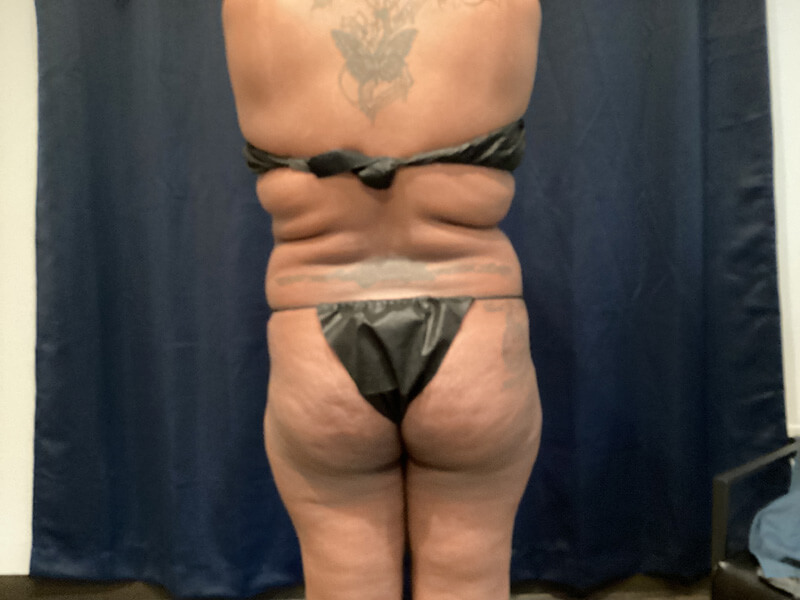
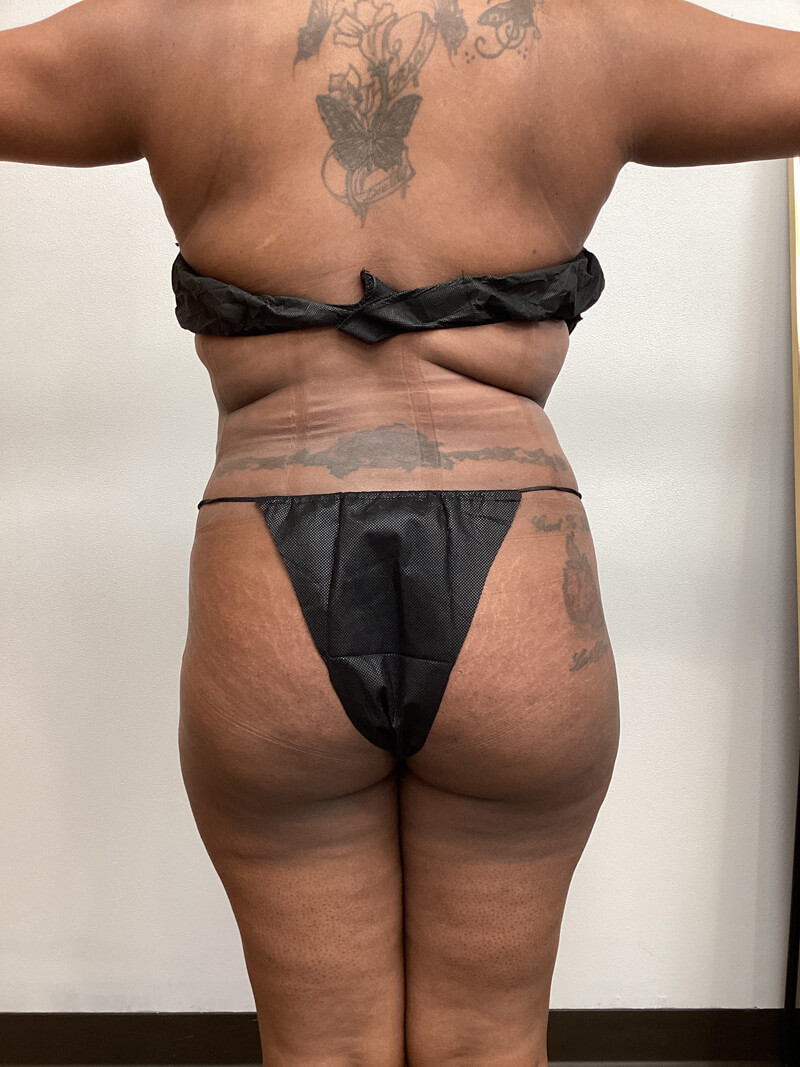
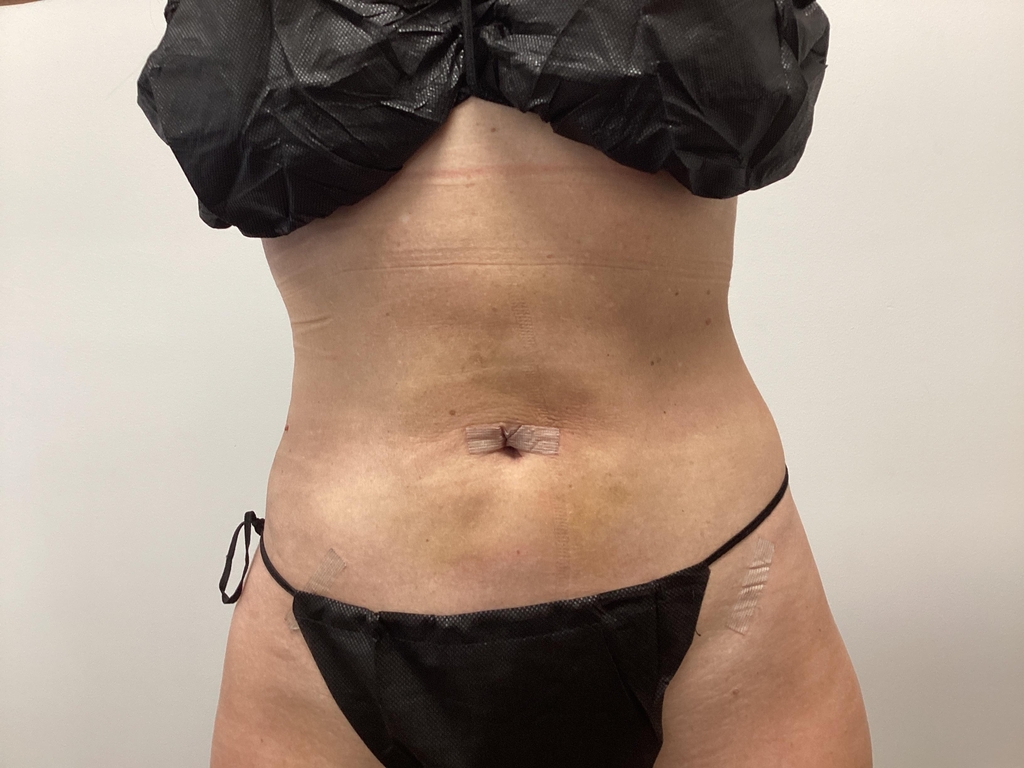
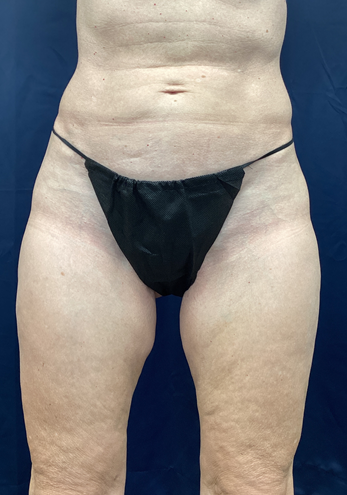
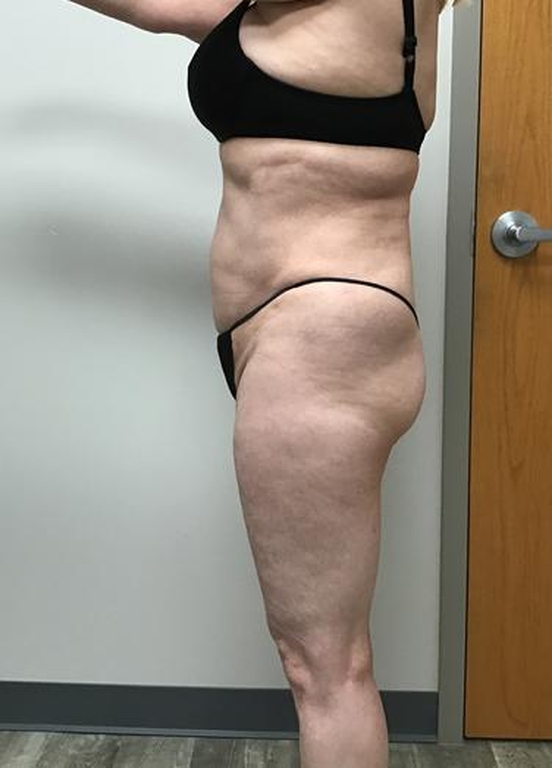
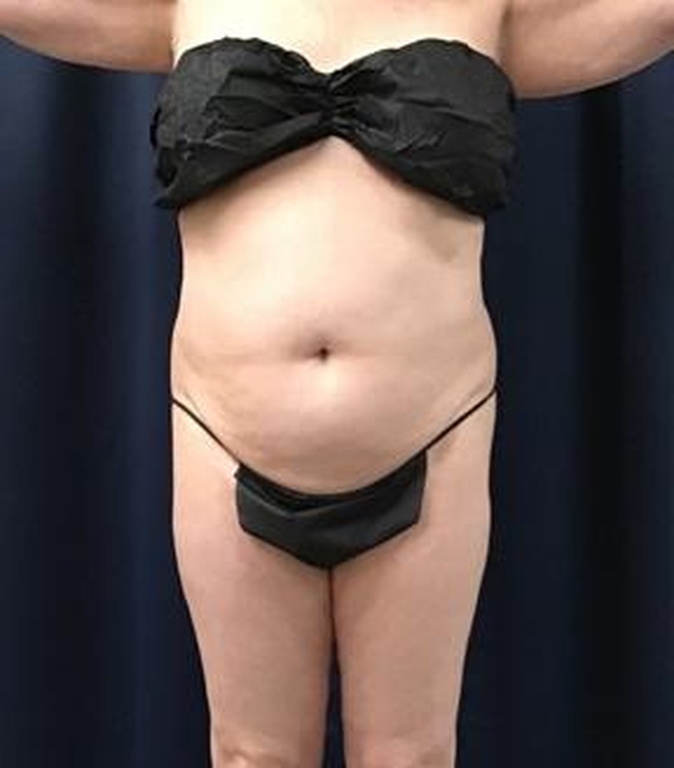
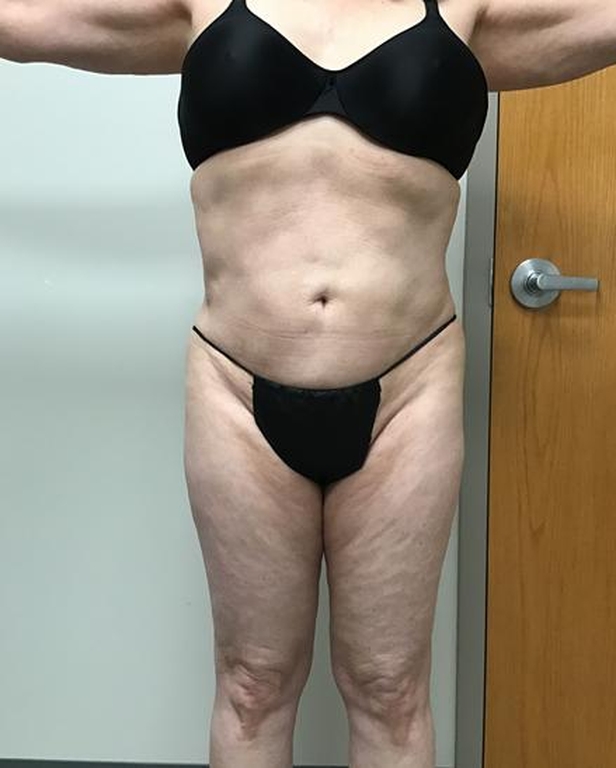
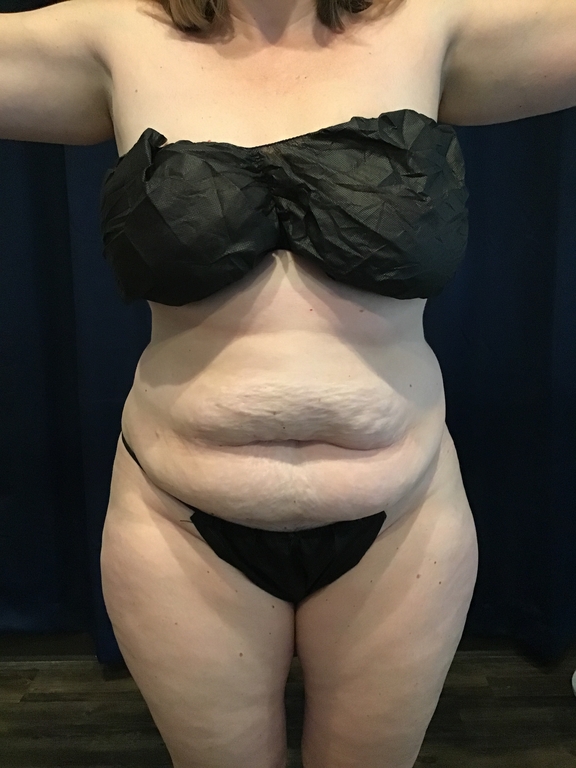
Guest Guide · Contouring vs. Weight Loss
Body Contouring vs Weight Loss
Weight loss reduces overall mass. Body contouring changes shape and removes excess skin. They solve different problems, so the question is not which is better, but which one matches what is actually bothering you.
The order matters. Weight loss comes first, because operating at or near goal weight produces a more accurate result. Contouring addresses what stays behind after the weight is off.
What surgery can, and cannot, do
Weight Loss Addresses
- Total body mass
- Metabolic health
- Fat volume broadly
- Cardiovascular risk
Body Contouring Addresses
- Localized fat deposits
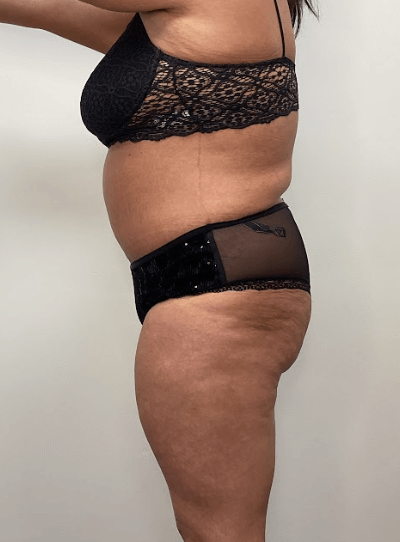
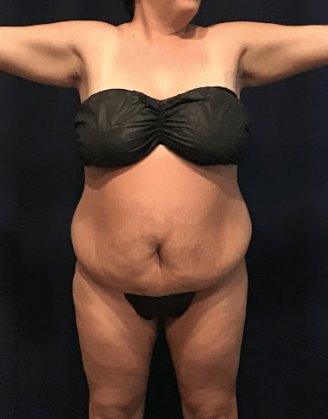
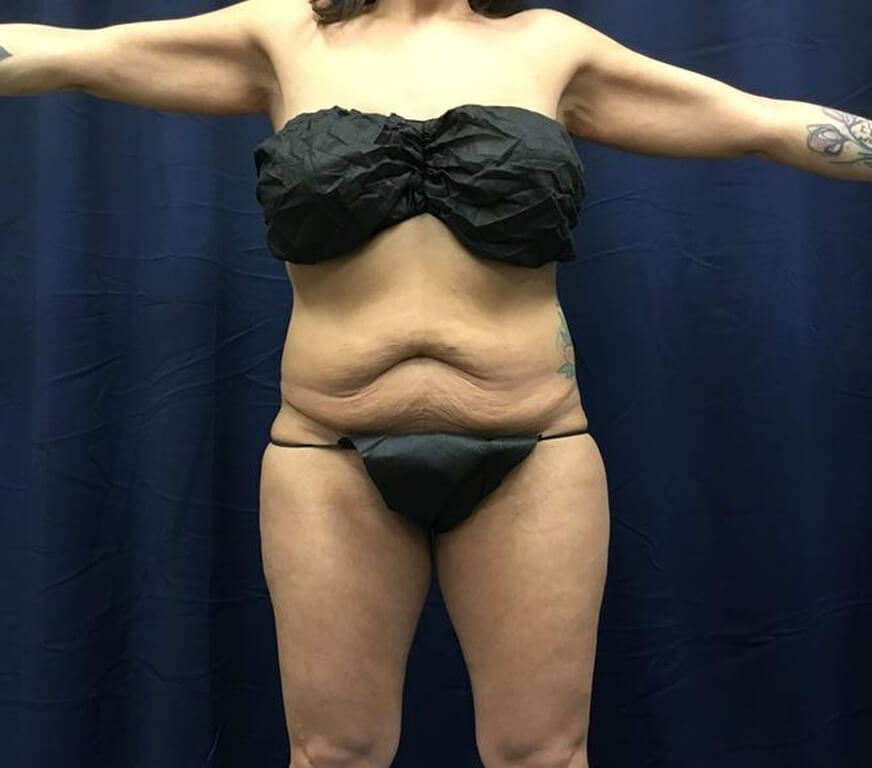
- Skin laxity
- Post-pregnancy changes
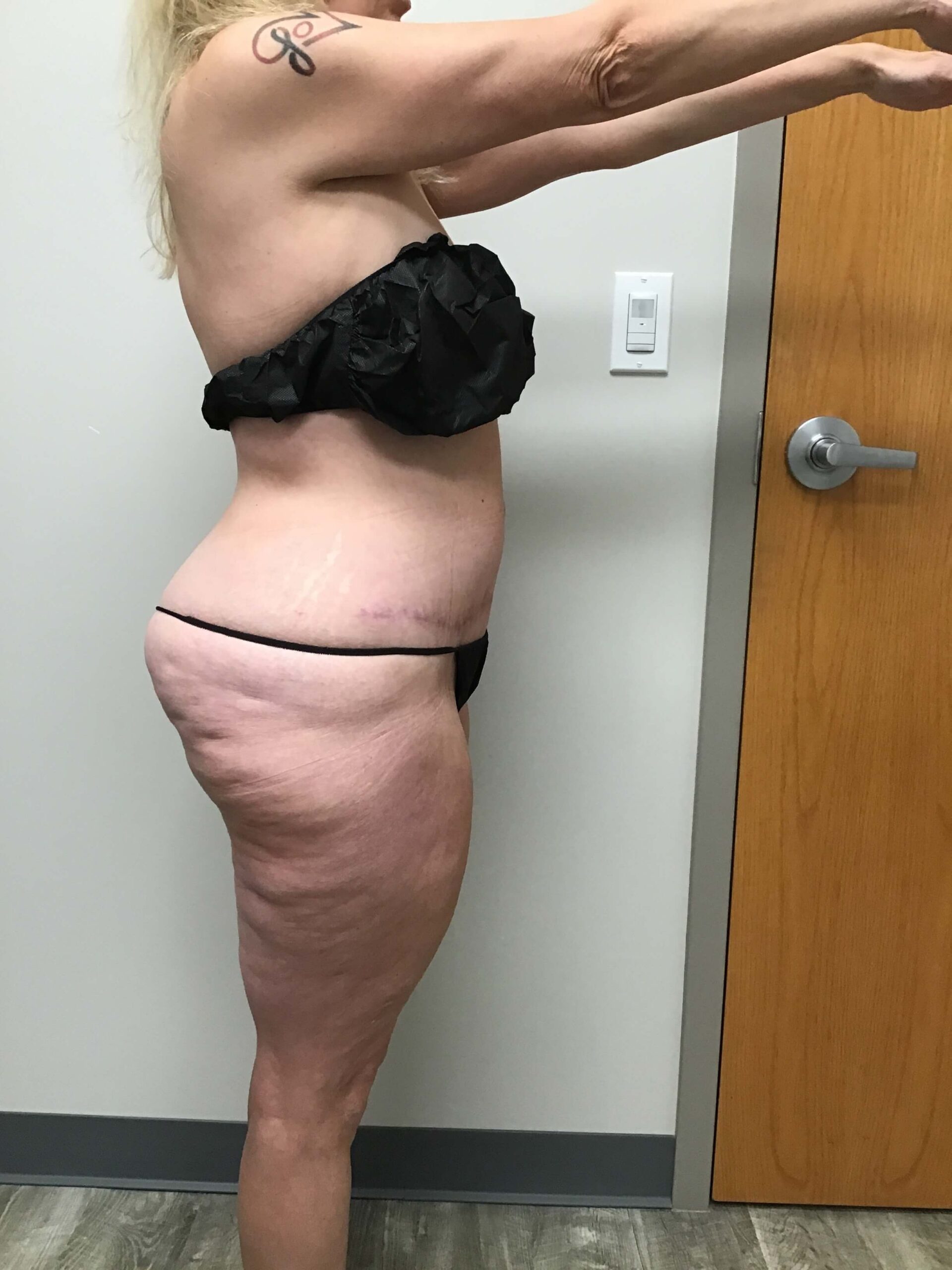
- C-section shelf
- Shape and silhouette
The Core Distinction
Different Problems Require Different Tools
The most common misunderstanding guests bring to a body contouring consultation is the idea that surgery and weight loss are competing options, that one is the disciplined choice and the other is the shortcut. That framing is incorrect, and it leads women who are ideal surgical candidates to delay or avoid the solution that is actually appropriate for their problem.
Weight loss is the correct tool when the problem is excess mass. Body contouring surgery is the correct tool when the problem is shape, skin, and structure, things that weight loss does not reach. Applying the wrong tool does not mean you are not working hard enough. It means you are using a hammer where you need a scalpel.
| What You Want to Address | Weight Loss / Exercise | Body Contouring Surgery |
|---|---|---|
| Reduce overall body weight | Yes | No |
| Remove localized fat deposits | ◐ Sometimes Results vary by individual | Yes Precise and targeted |
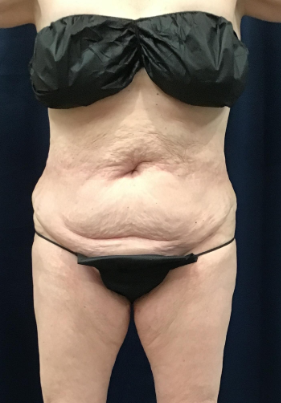
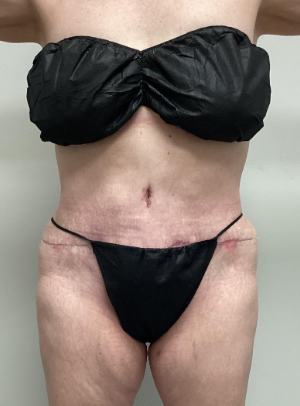
| Address skin laxity | No Exercise builds muscle, not skin | Yes TickleTuck, Reverse TickleTuck |
| Fix C-section shelf | No Scar tissue is permanent | Yes Skin excision addresses the drape |
| Improve metabolic health | Yes | Not directly |
| Tighten abdominal muscles | Yes Core exercise is effective | ◐ If indicated Plication when diastasis >3cm |
| Address post-pregnancy skin | No Stretched skin does not retract | Yes The defining indication |
| Same-day procedure, fast return | Months to years | Yes In-office, home same day |
Scope of Surgery
What Body Contouring Does and Doesn’t Address
Being clear about this, with every guest, at every consultation, is one of the principles Dr. Timothy Zelko holds most firmly. Body contouring surgery is powerful within its scope. Outside its scope, it is the wrong tool.
Surgery Addresses
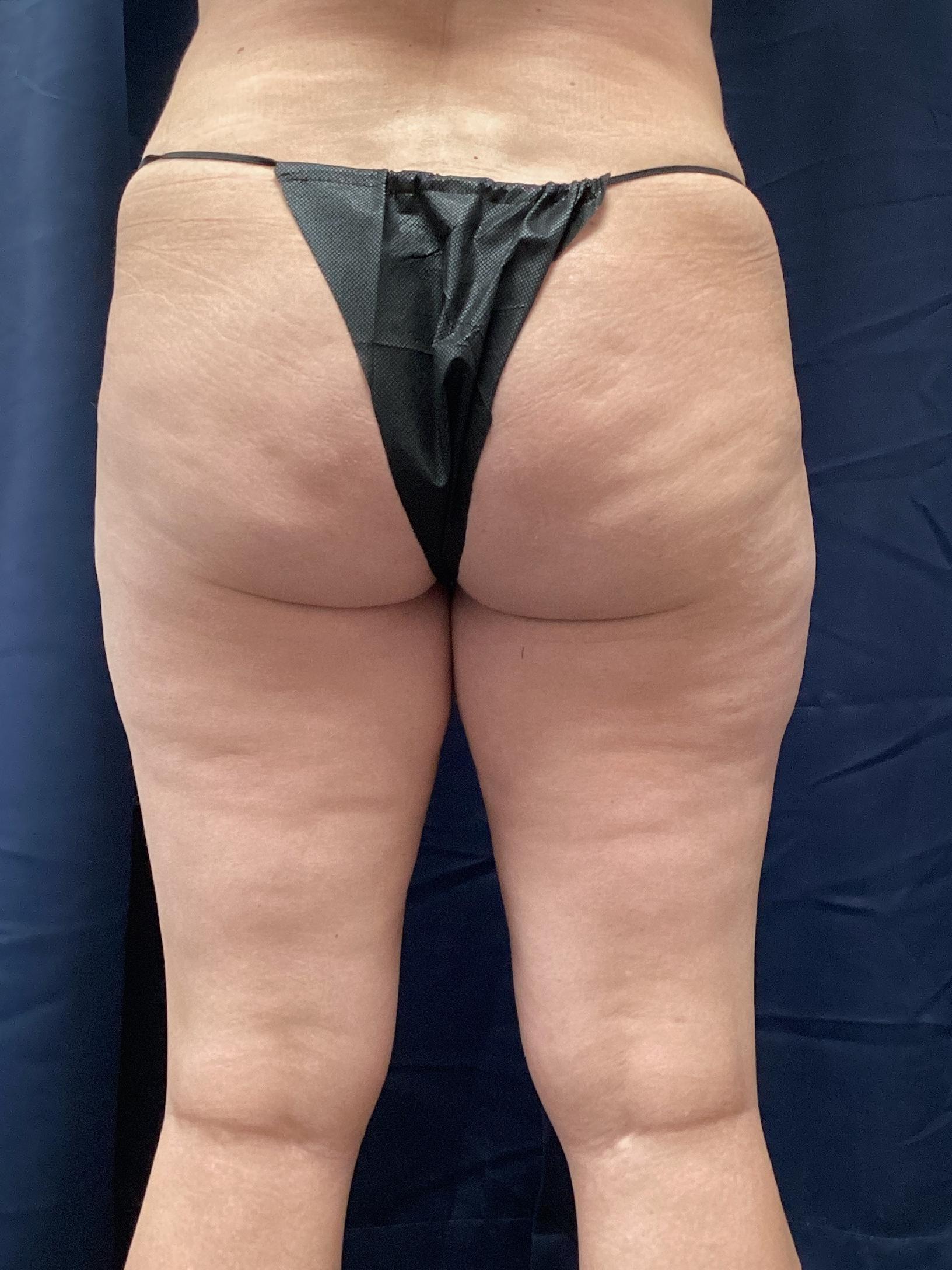
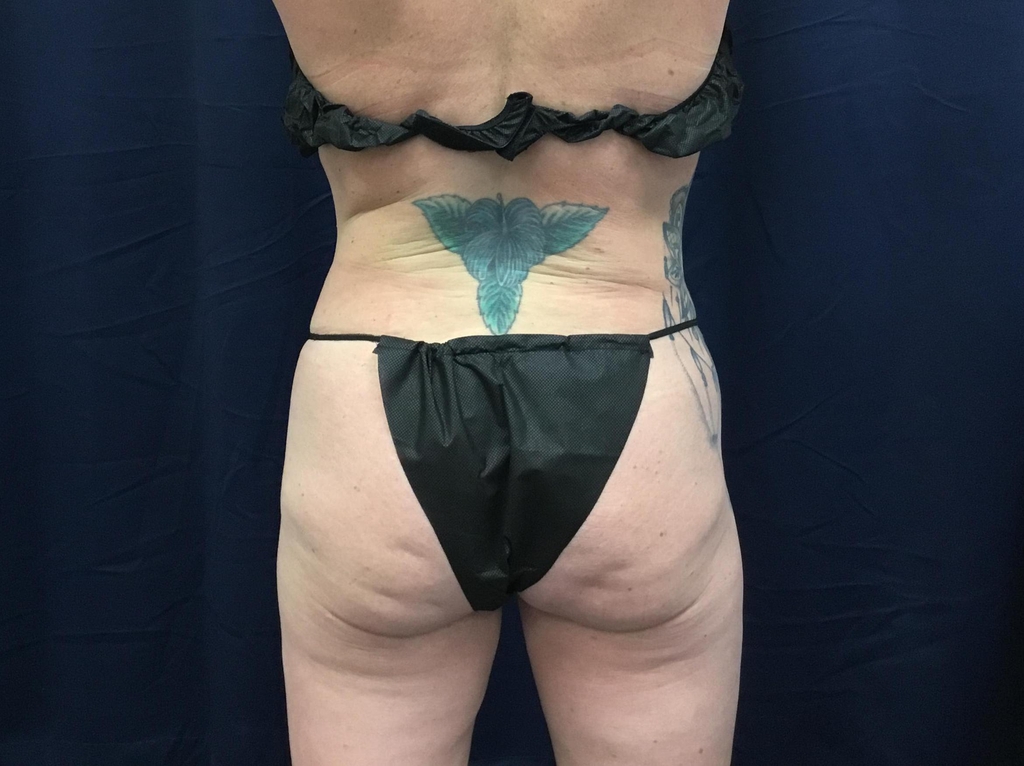
Localized fat deposits resistant to diet and exercise, flanks, abdomen, inner thighs, under the chin
Loose, redundant abdominal skin after pregnancy or significant weight loss
The C-section shelf, skin that drapes over a permanent lower transverse scar
Upper abdominal laxity unaddressed by previous surgery or not reached by lower tuck
Skin quality and surface tightness through Renuvion skin tightening
Silhouette, waist definition, flank curvature, overall contour
Surgery Does Not Address
Overall body weight, contouring is not a weight loss procedure
Visceral fat, the deep fat surrounding organs, which only responds to weight loss and exercise
Metabolic health, blood sugar, cholesterol, cardiovascular risk
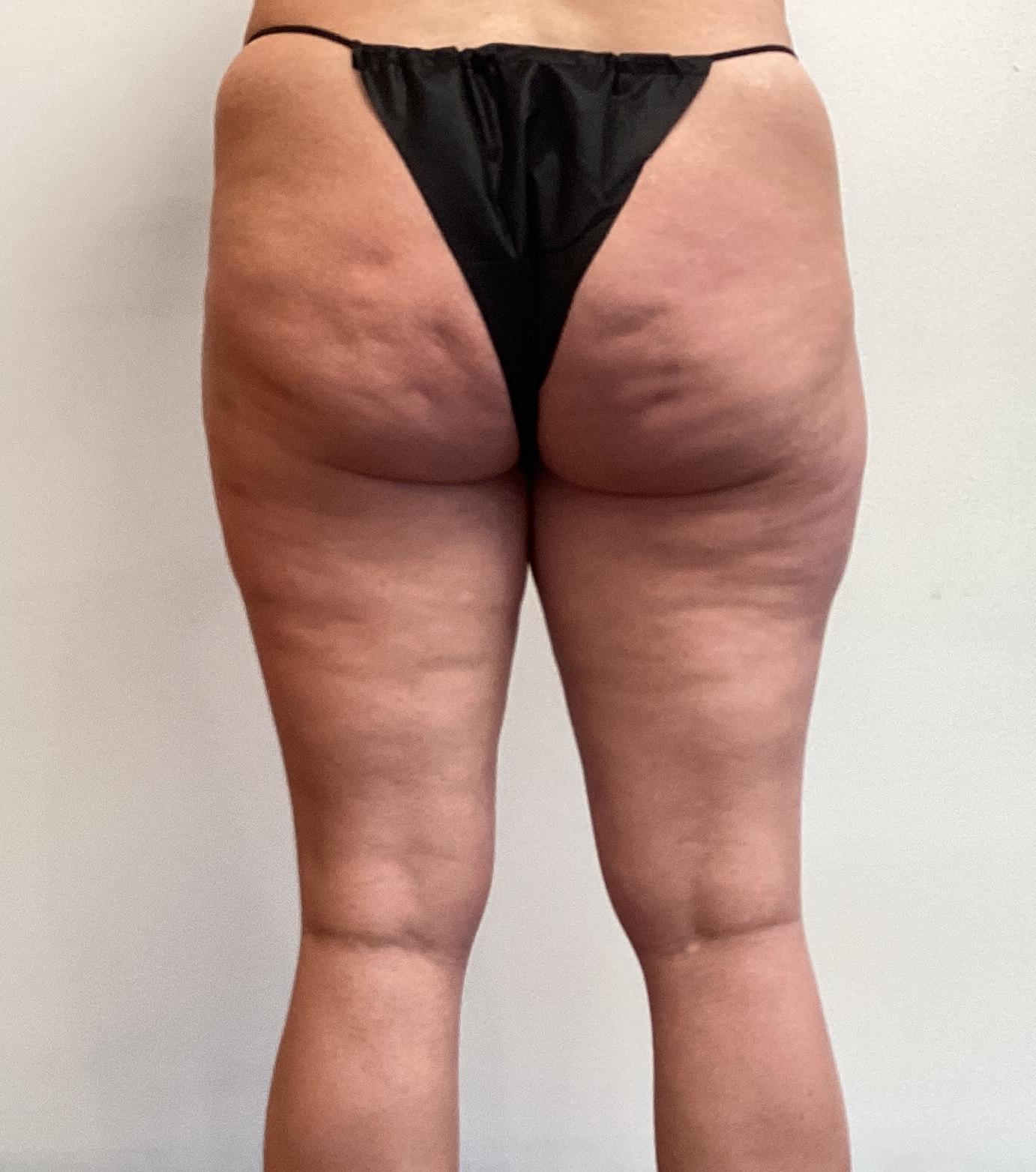
Cellulite, surface texture that exists independently of fat volume or skin tightness
Future pregnancy, results will be altered by subsequent pregnancy
Significant future weight gain, results can be compromised by substantial weight changes
The Surgical Problem Nobody Tells You About
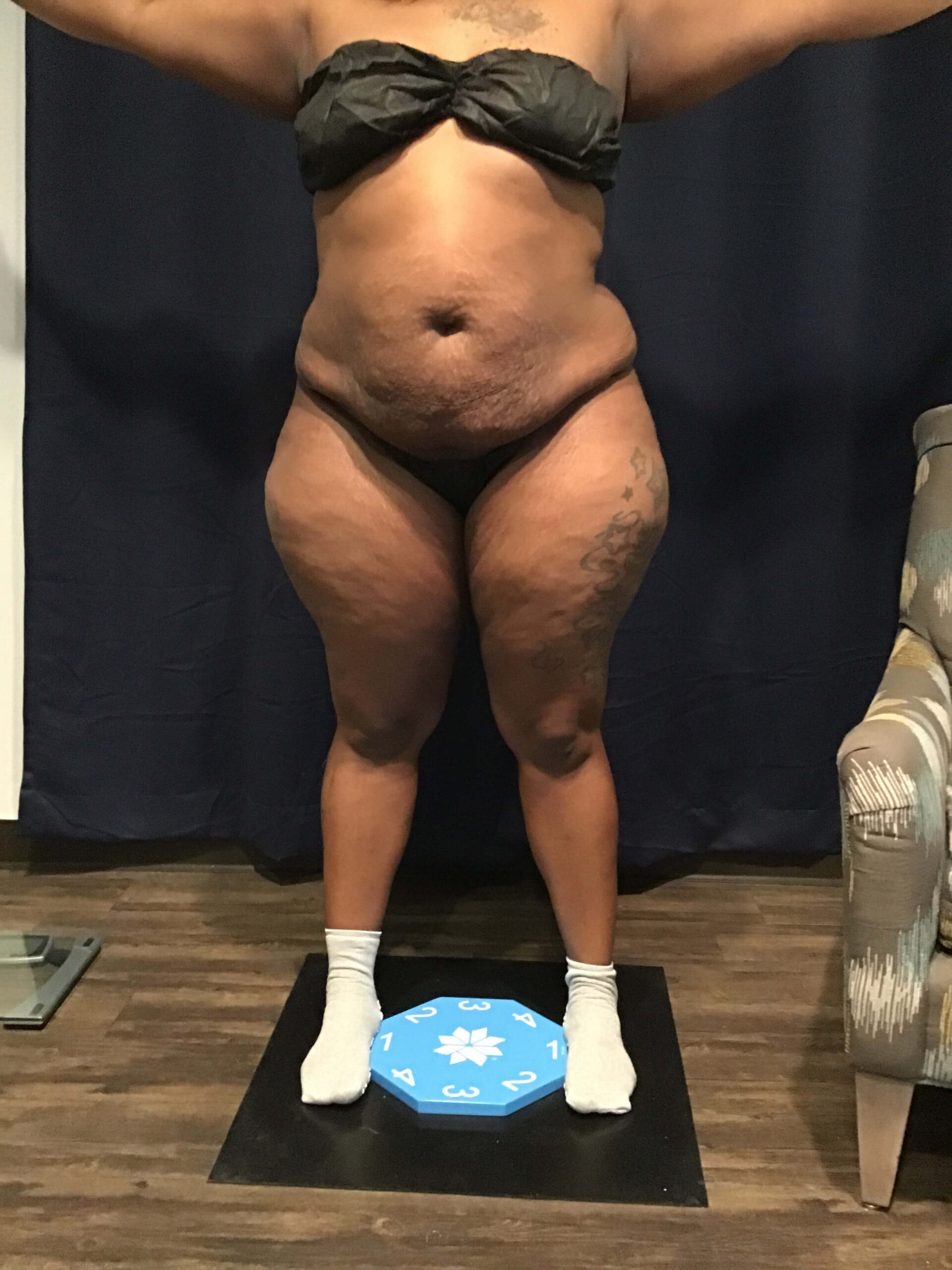
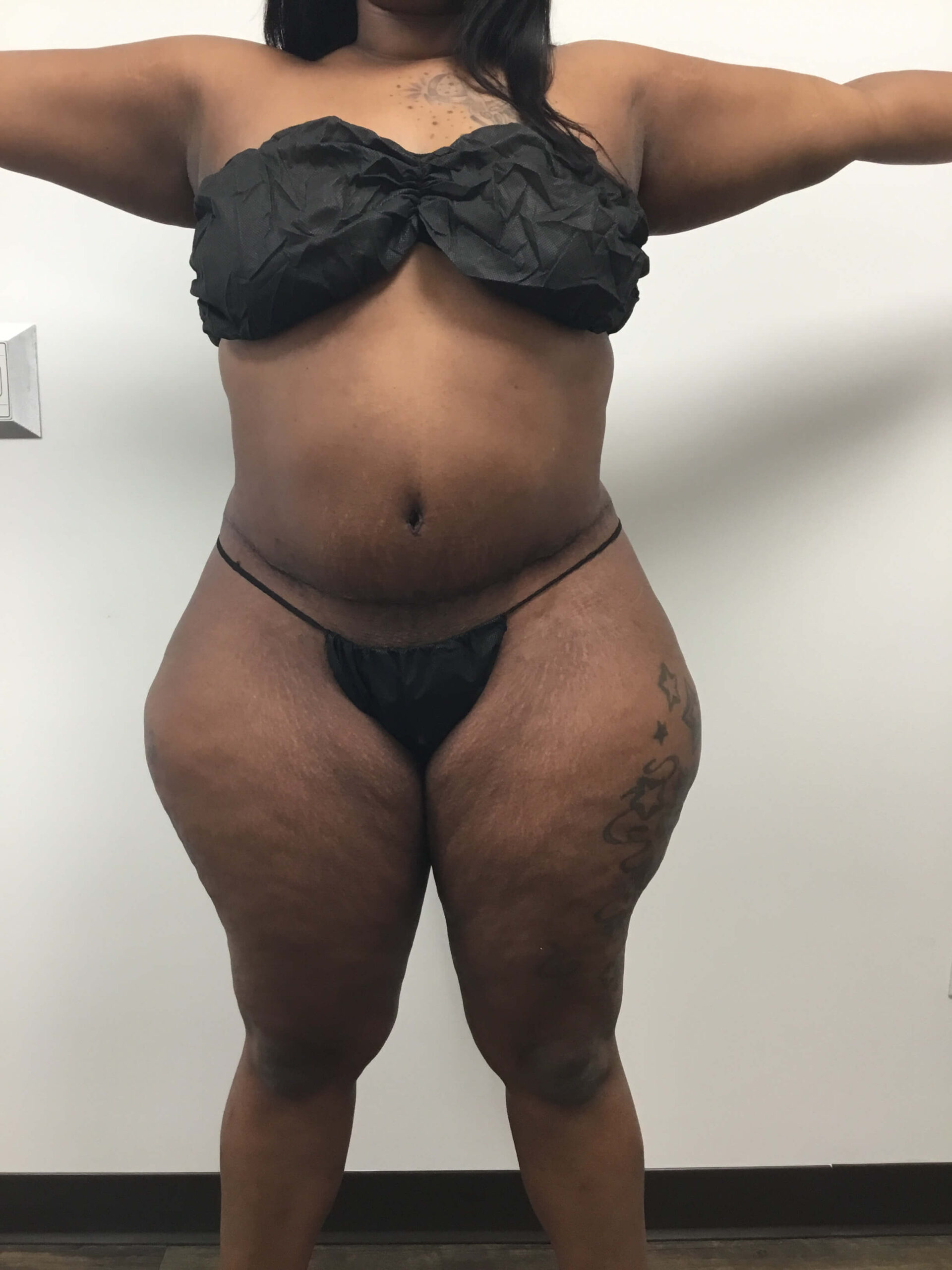
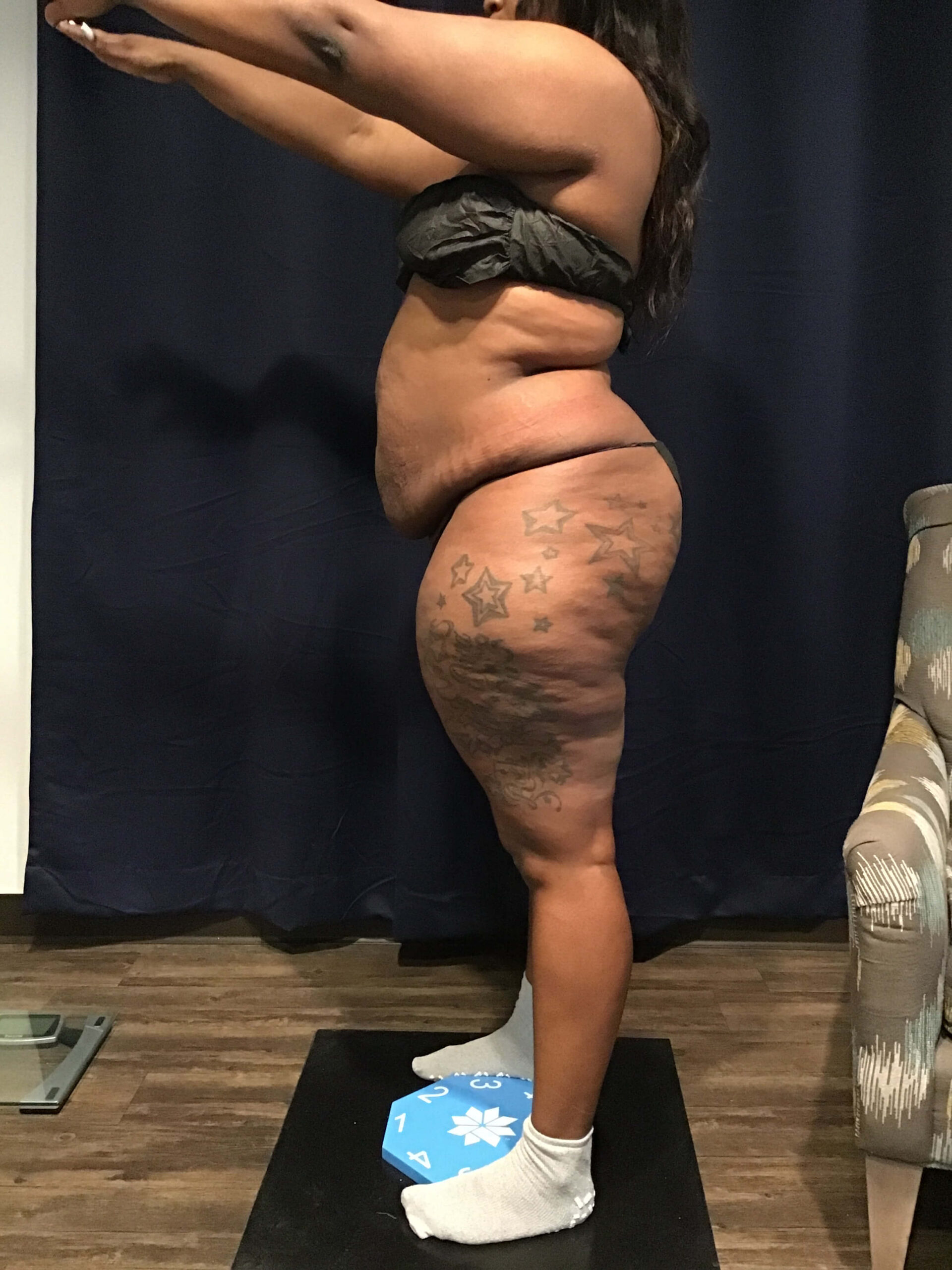
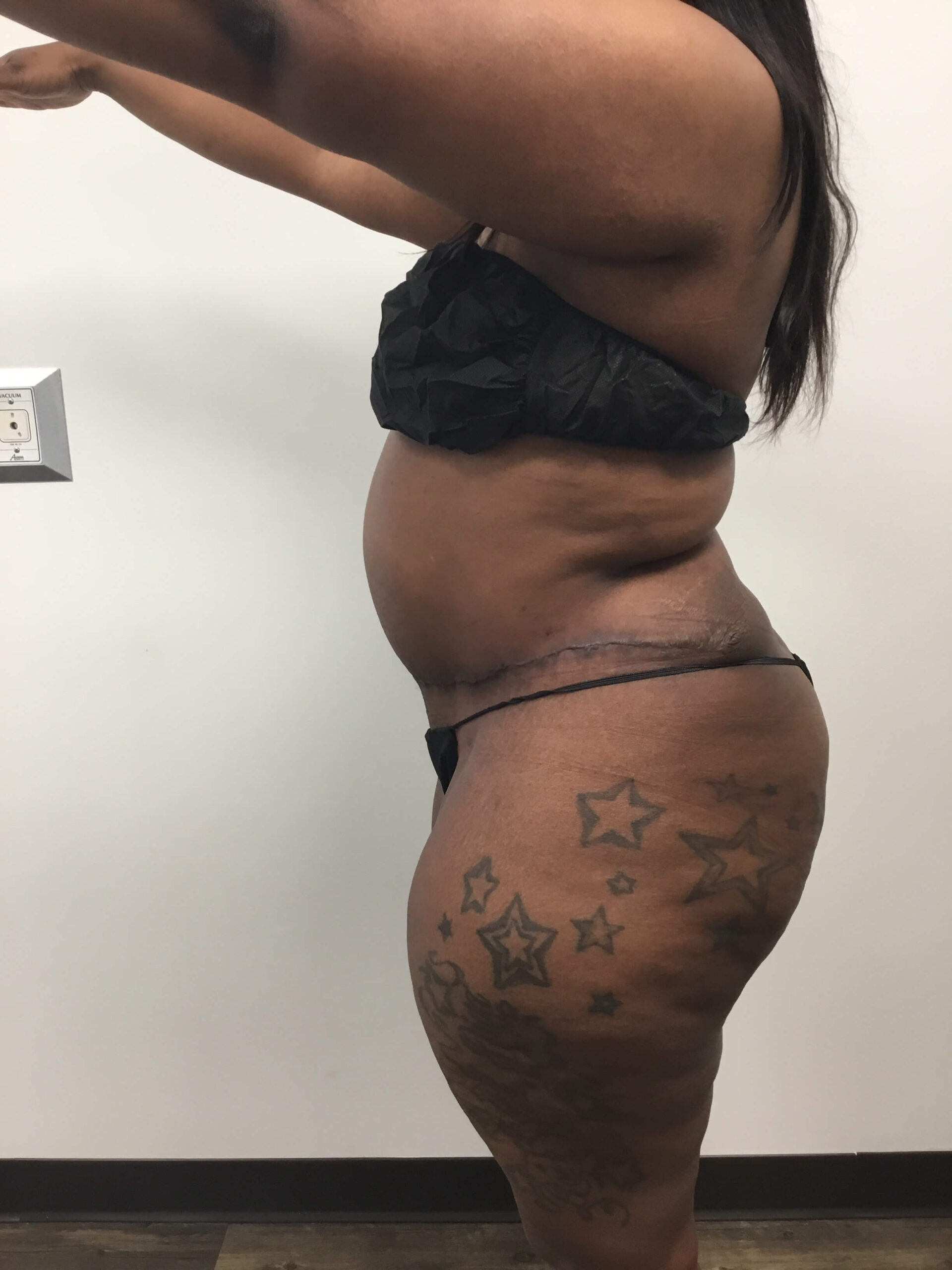
The C-Section Shelf: Why No Amount of Exercise Fixes It
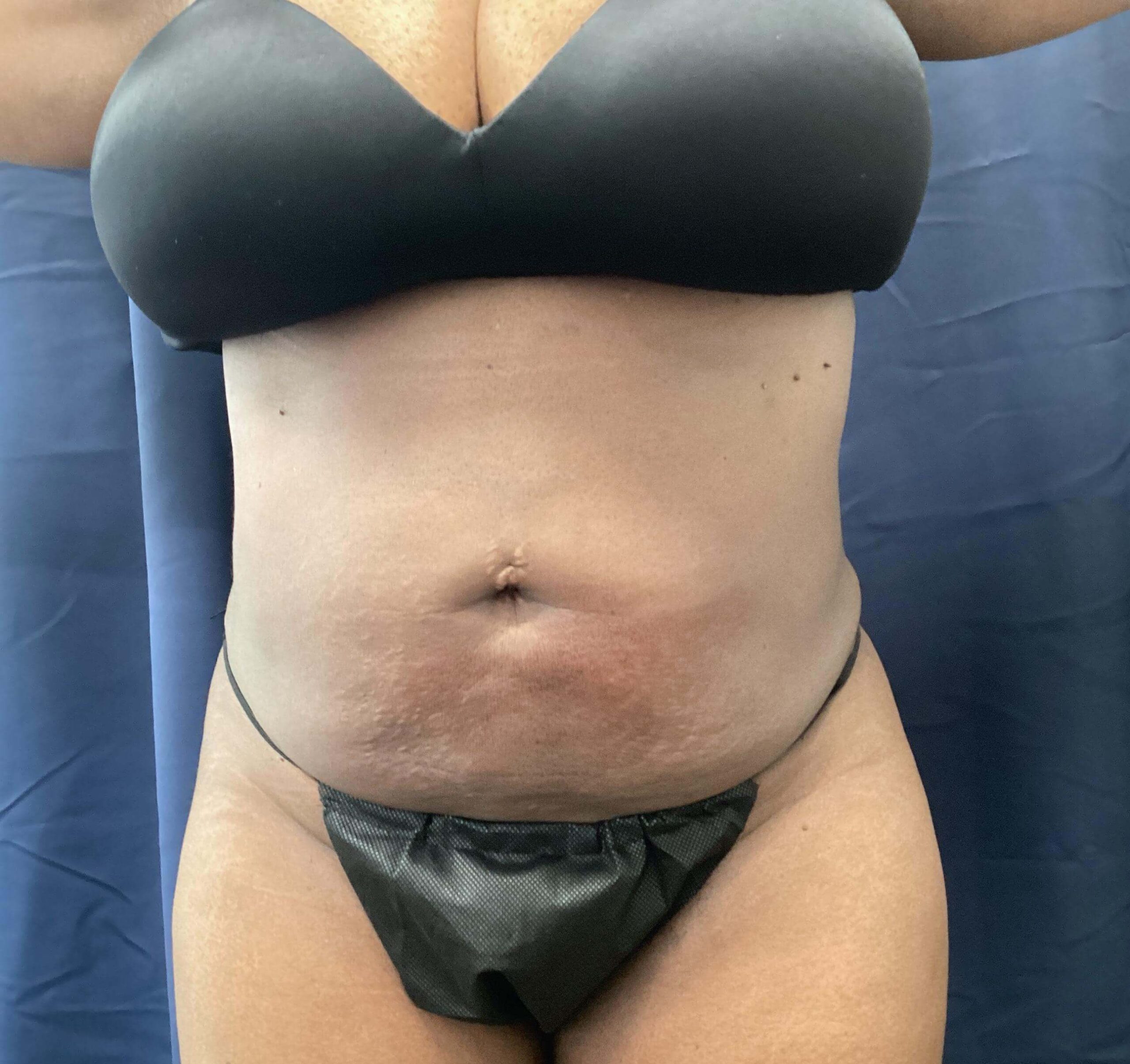
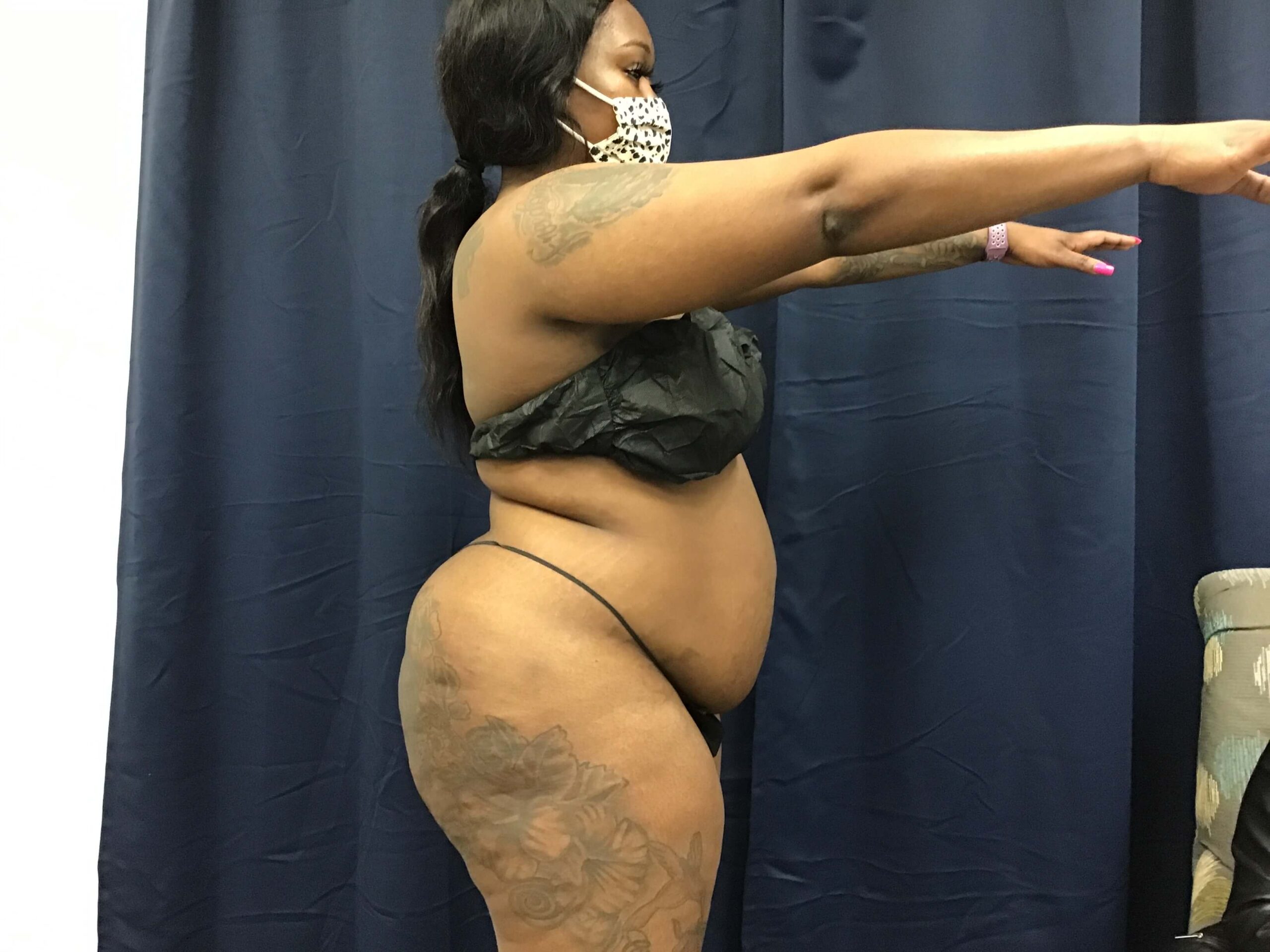
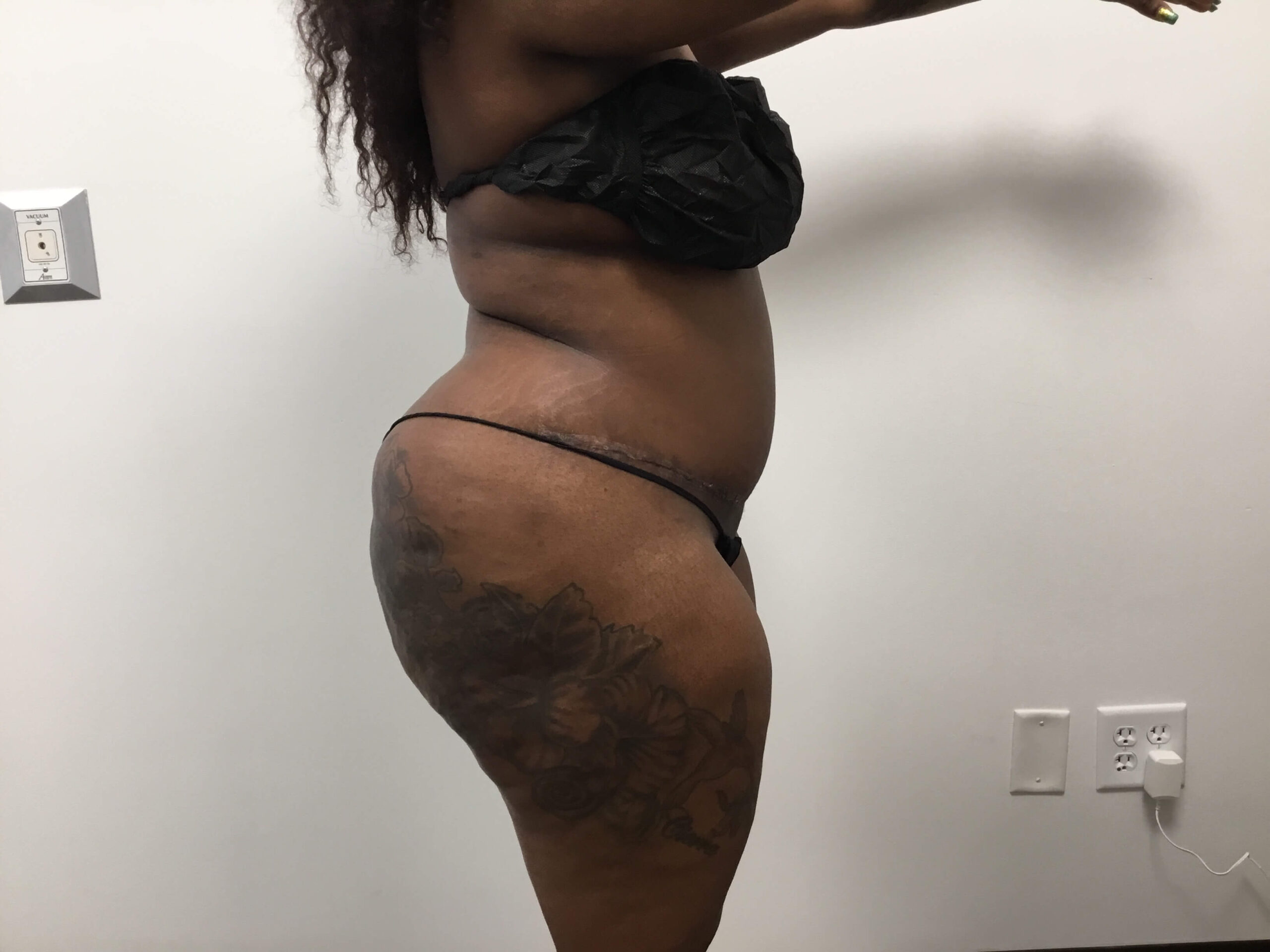
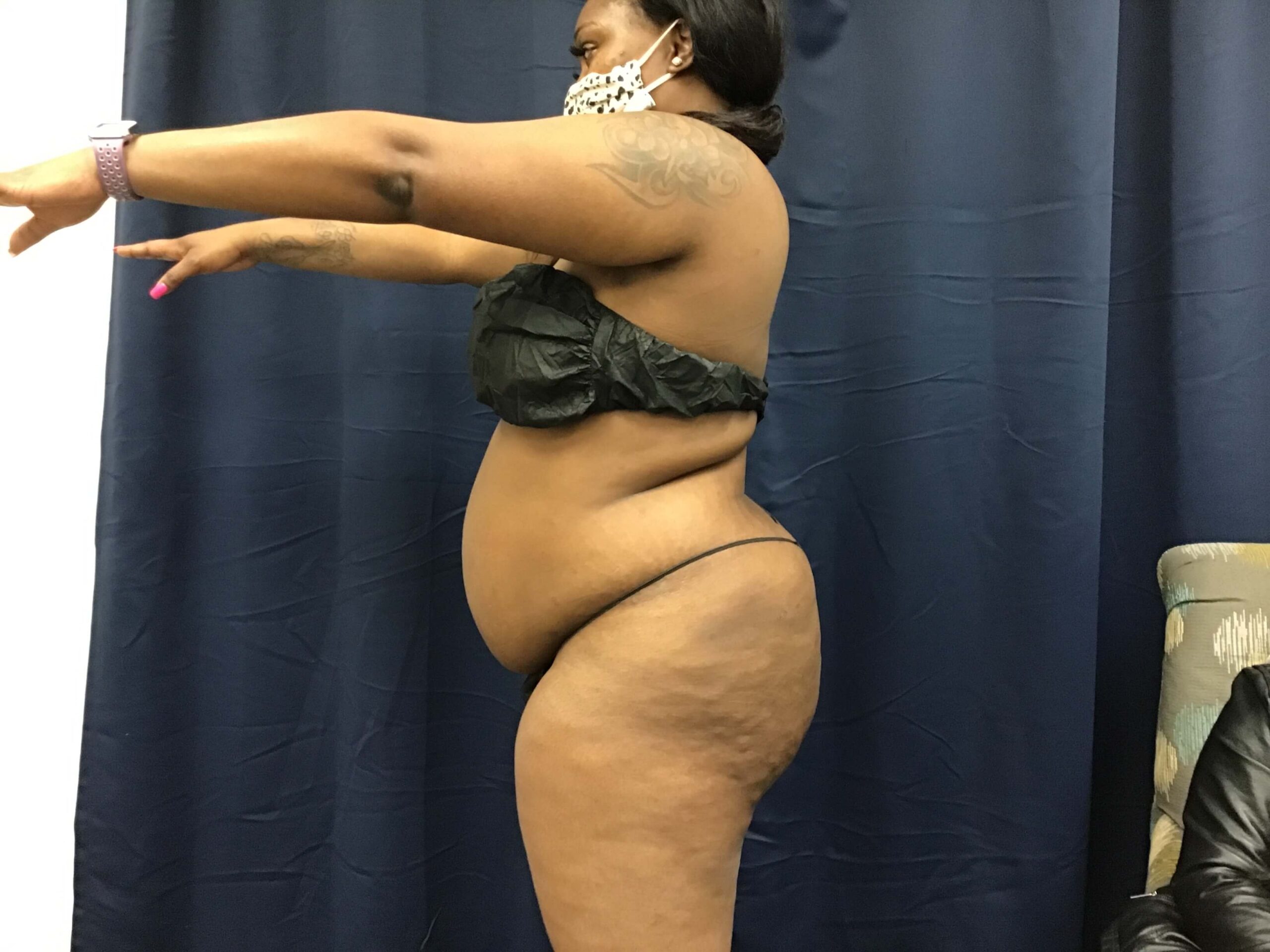
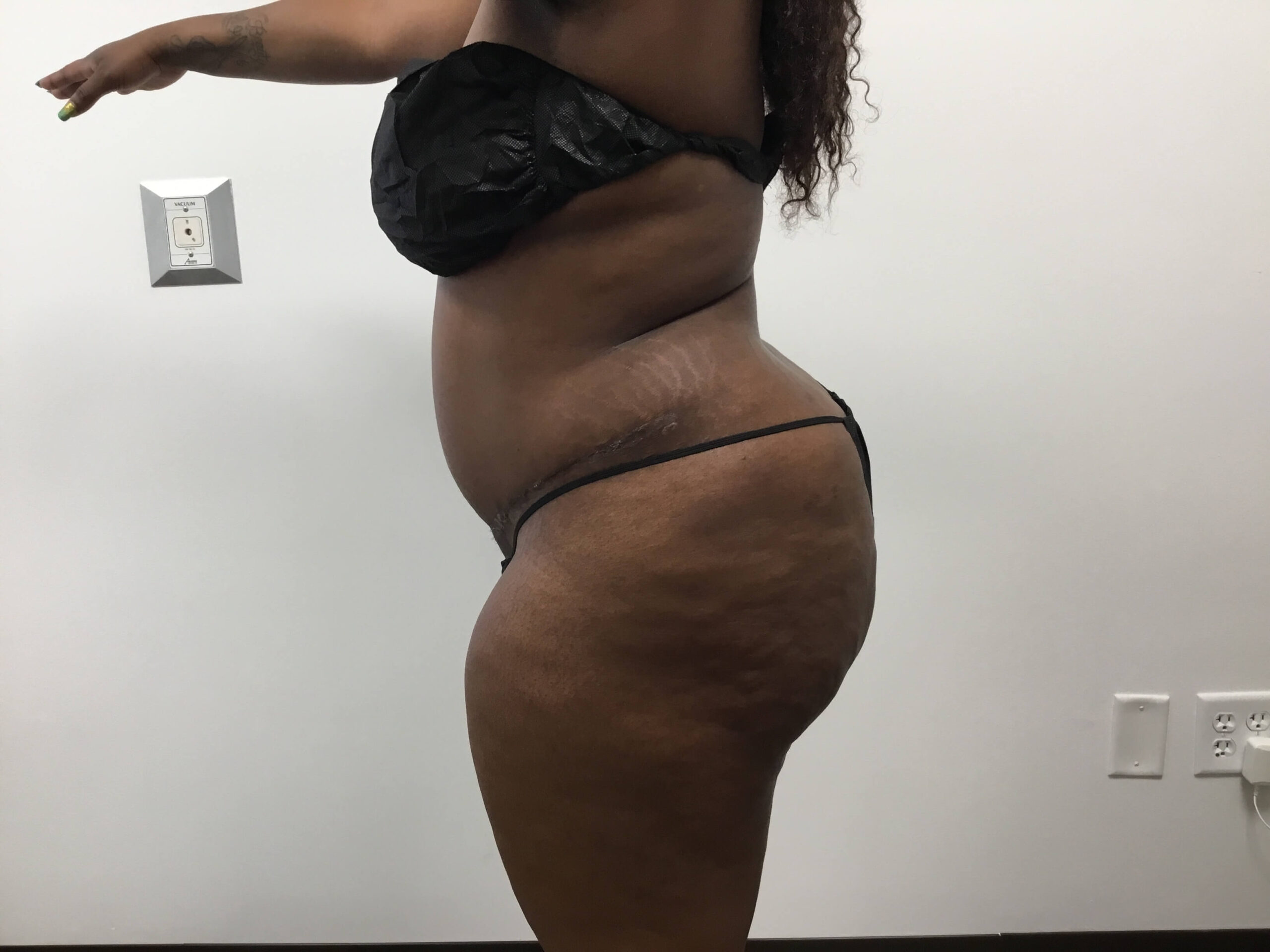
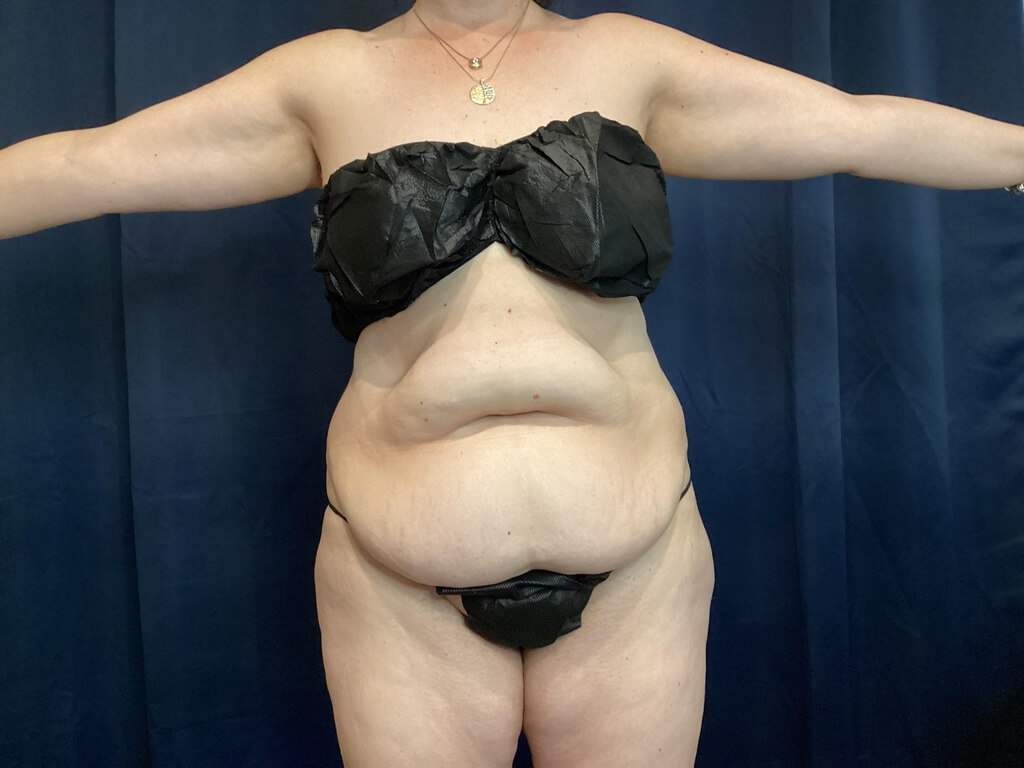
Of all the presentations that bring guests to Zelko Aesthetics, the C-section shelf is among the most frustrating, because it is caused by a permanent anatomical change that has nothing to do with fitness, discipline, or effort, and yet is almost universally misattributed to both.
What Actually Happens
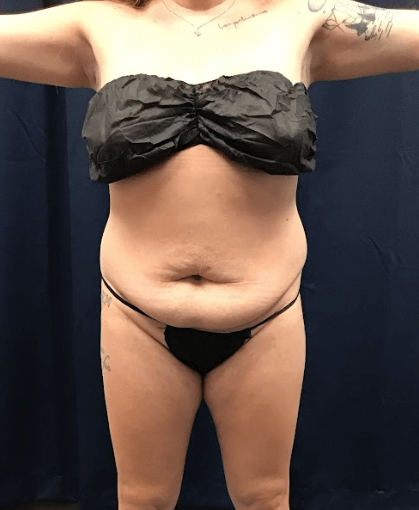
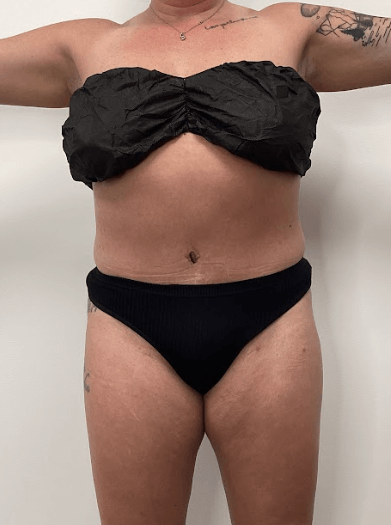
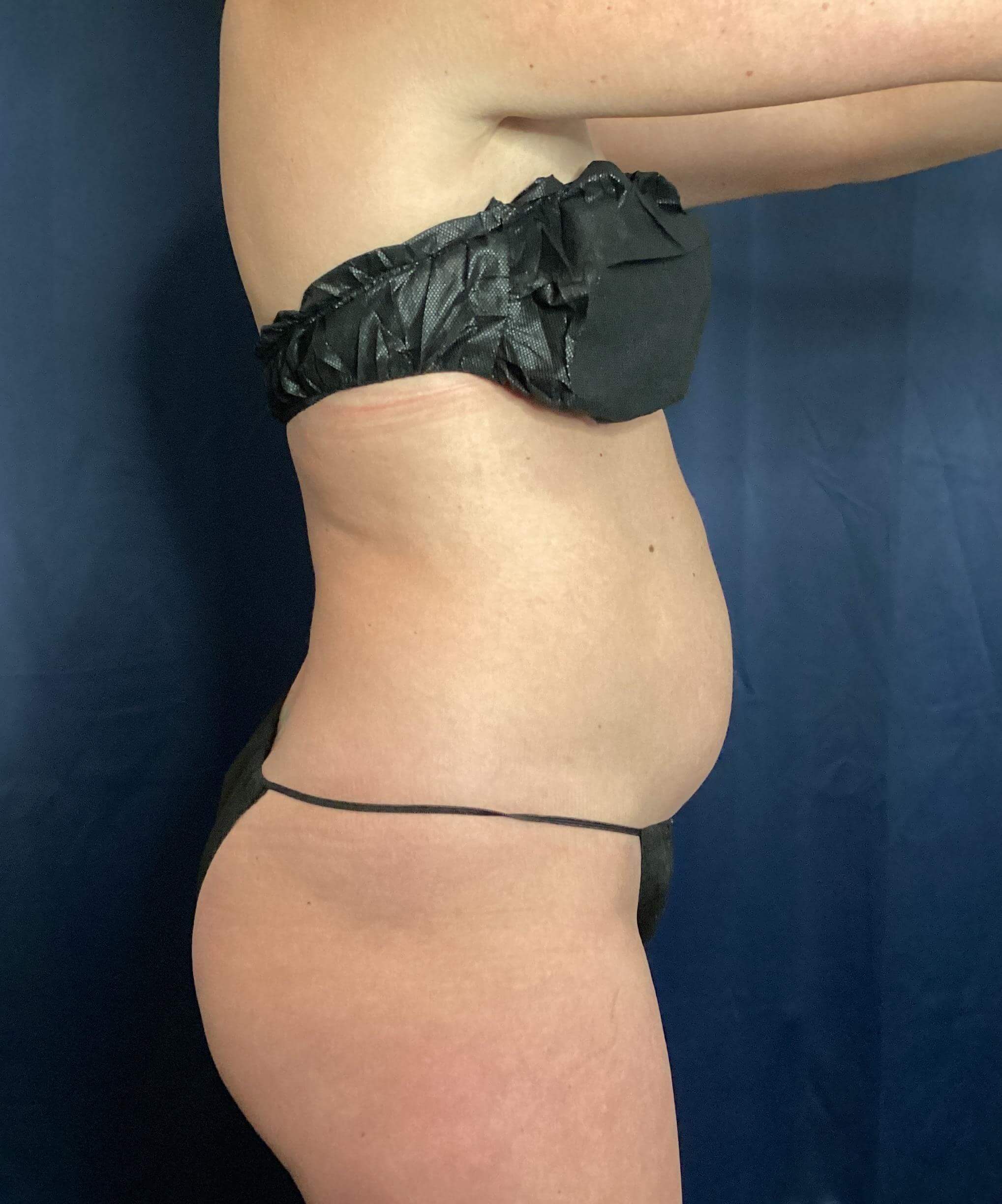
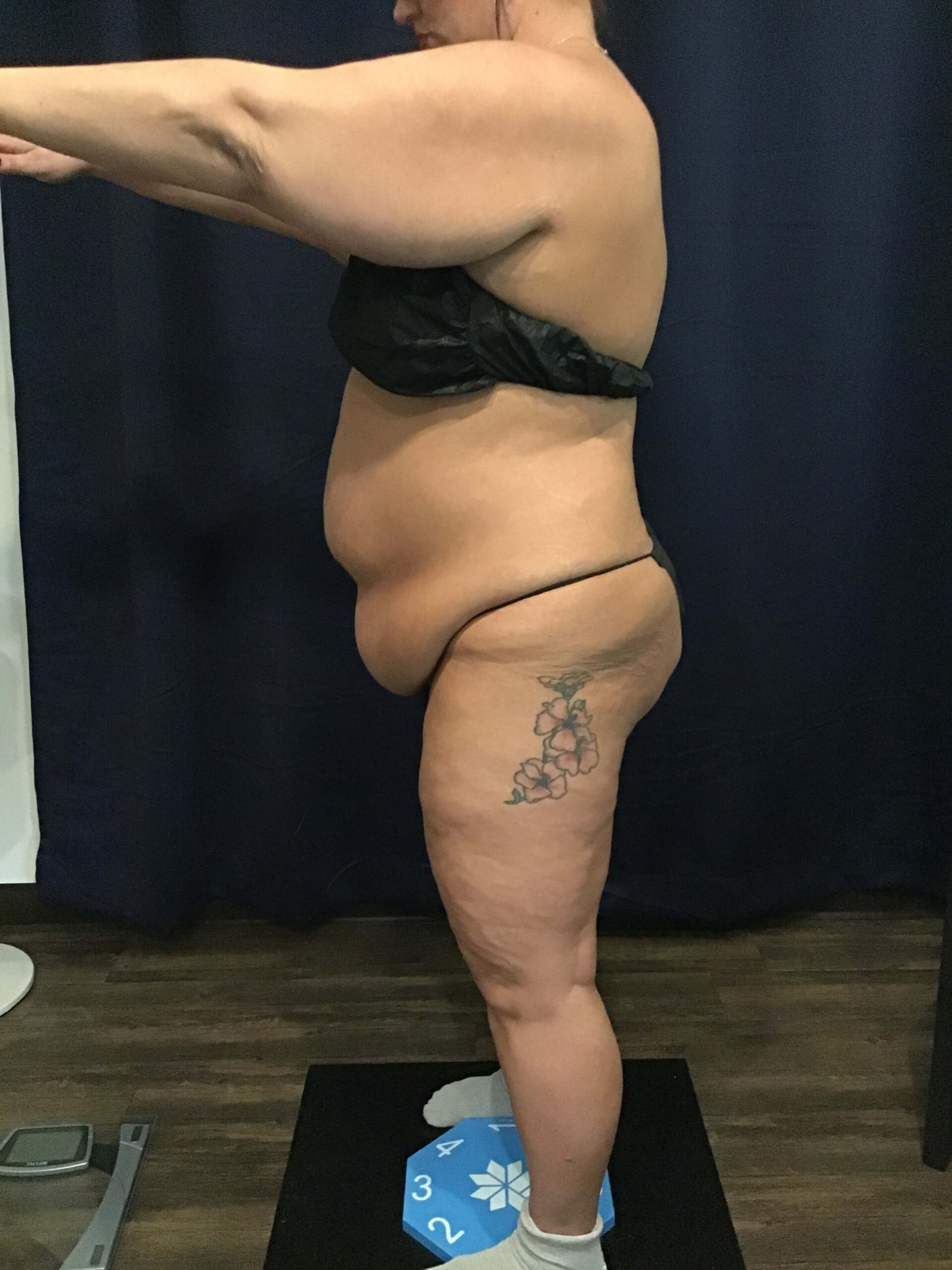
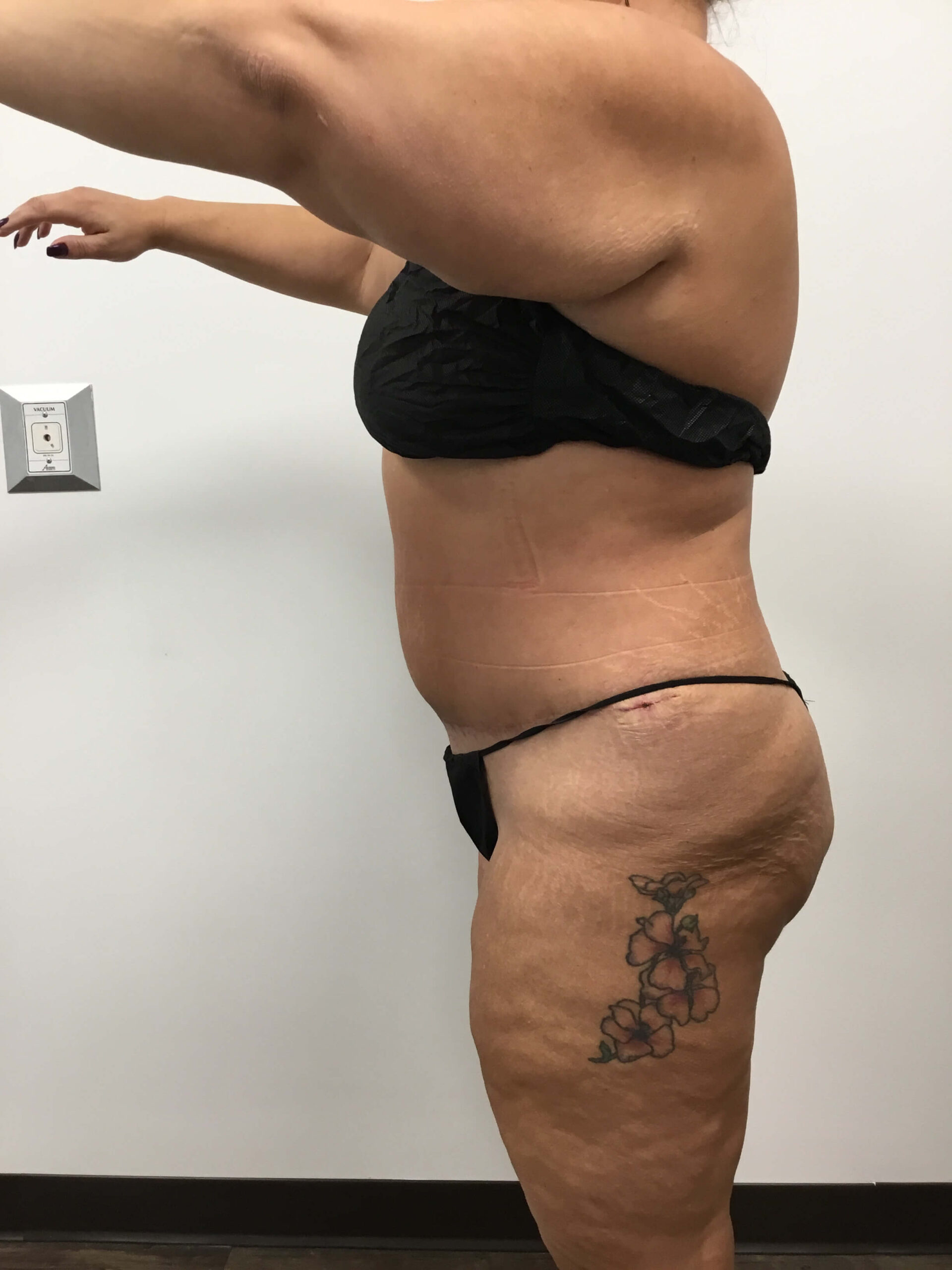
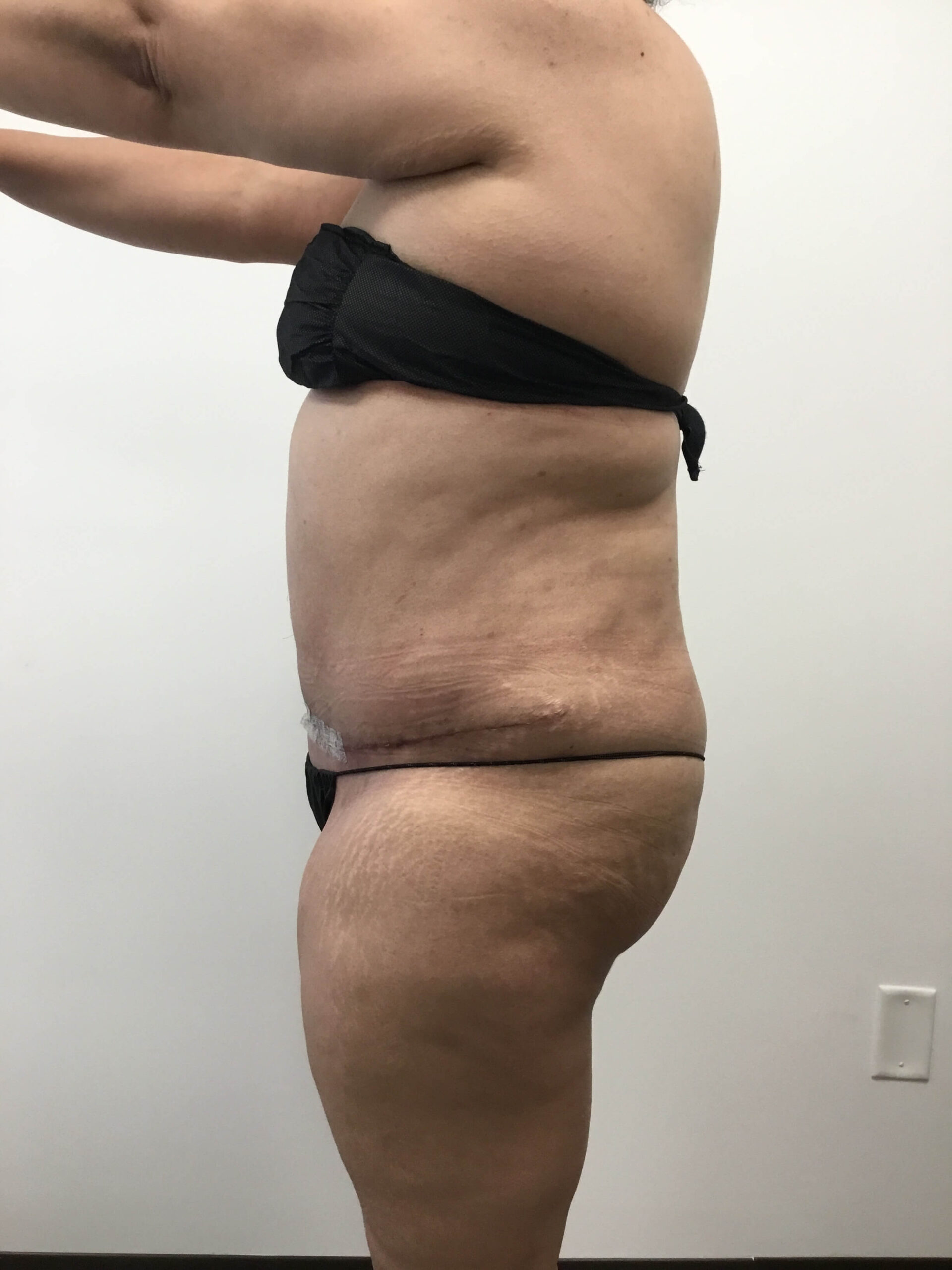
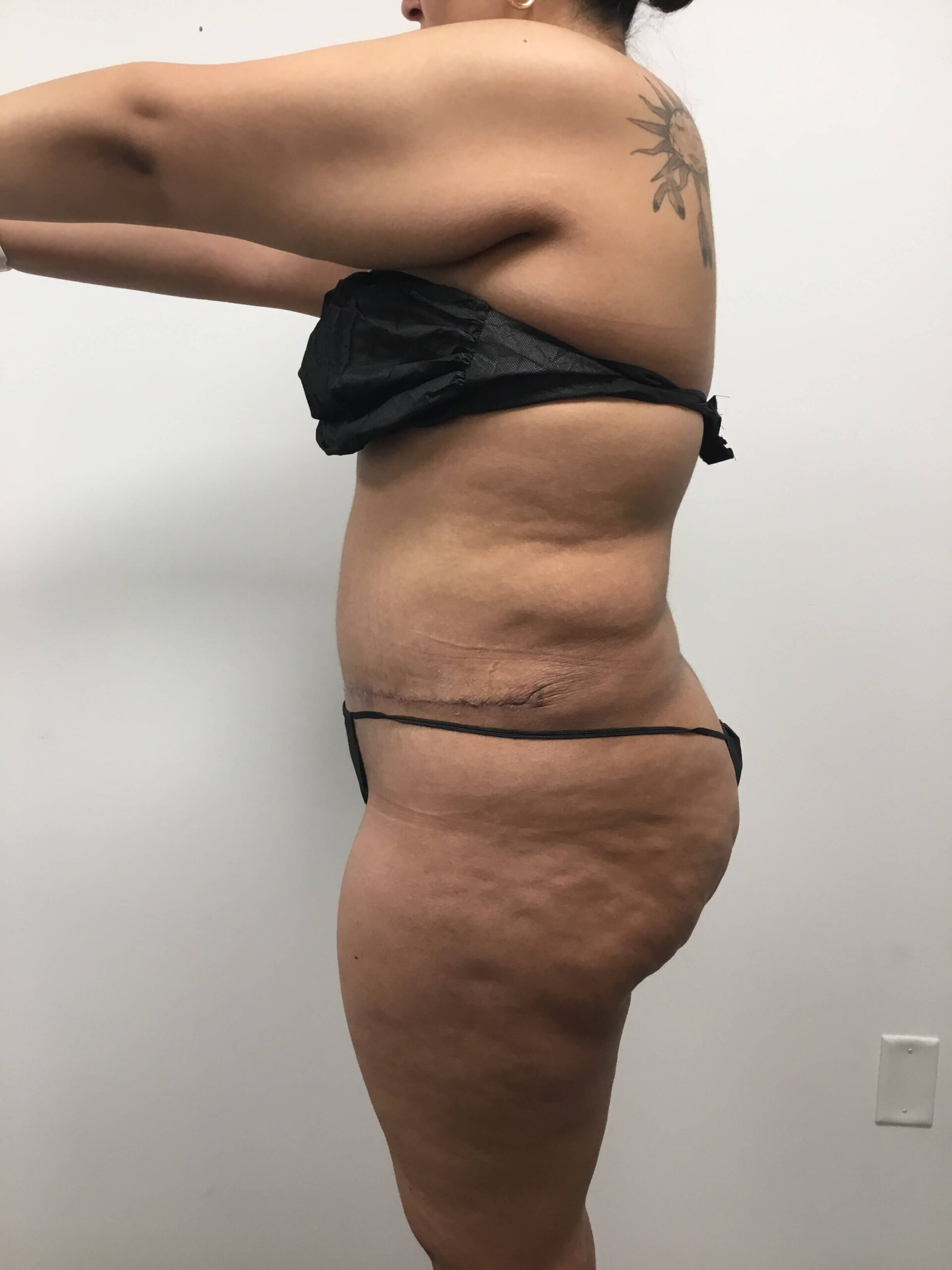
A C-section creates a permanent lower transverse scar. That scar is fixed to the underlying tissue. As time passes, skin above the scar has nowhere to go, it folds over it and drapes.
The Anatomy
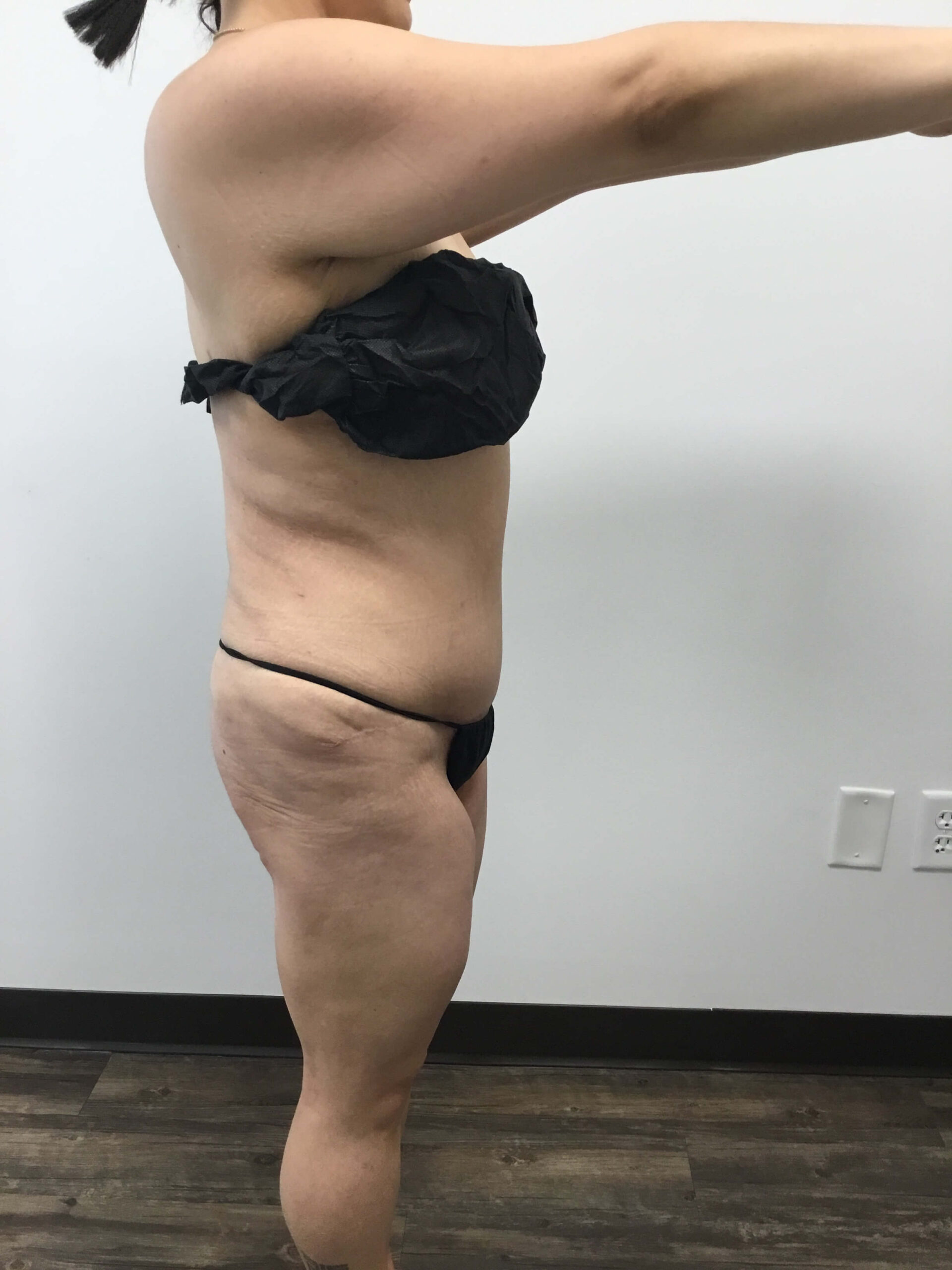
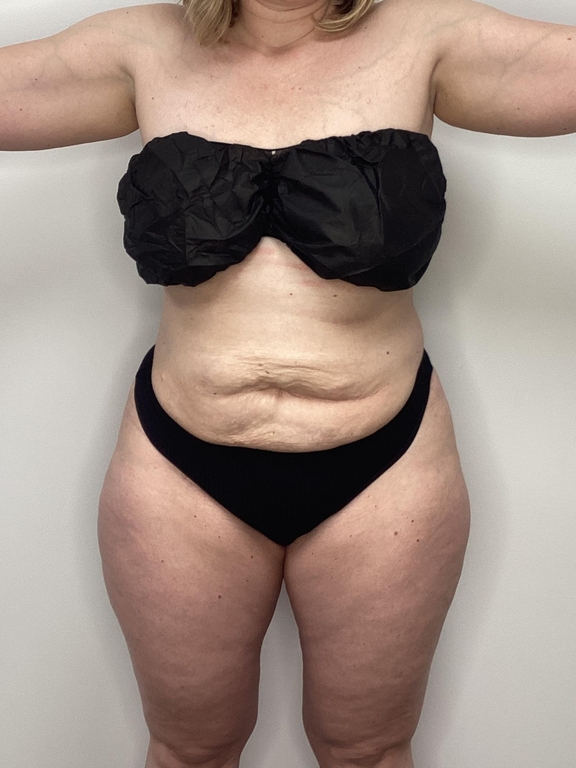
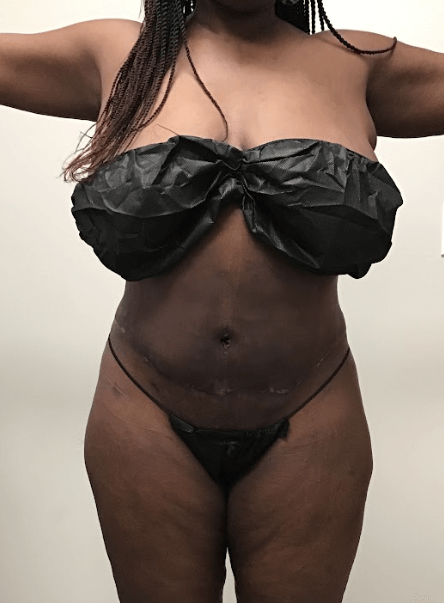
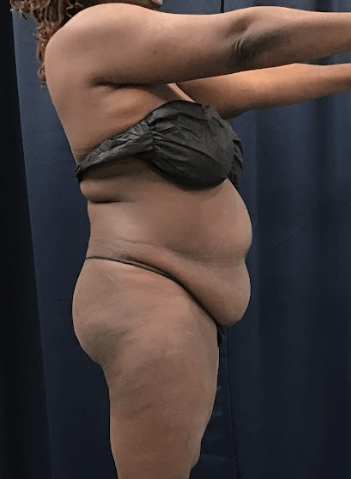
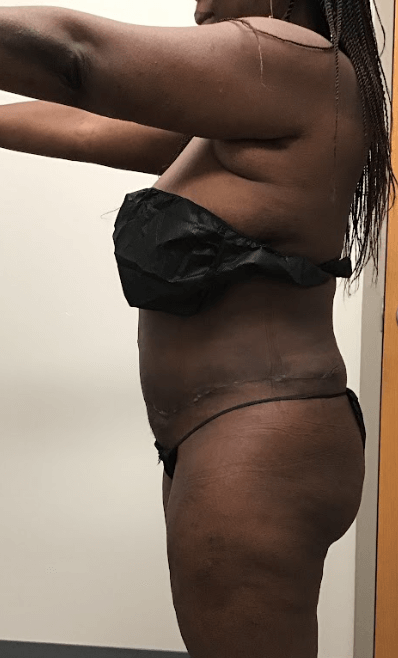
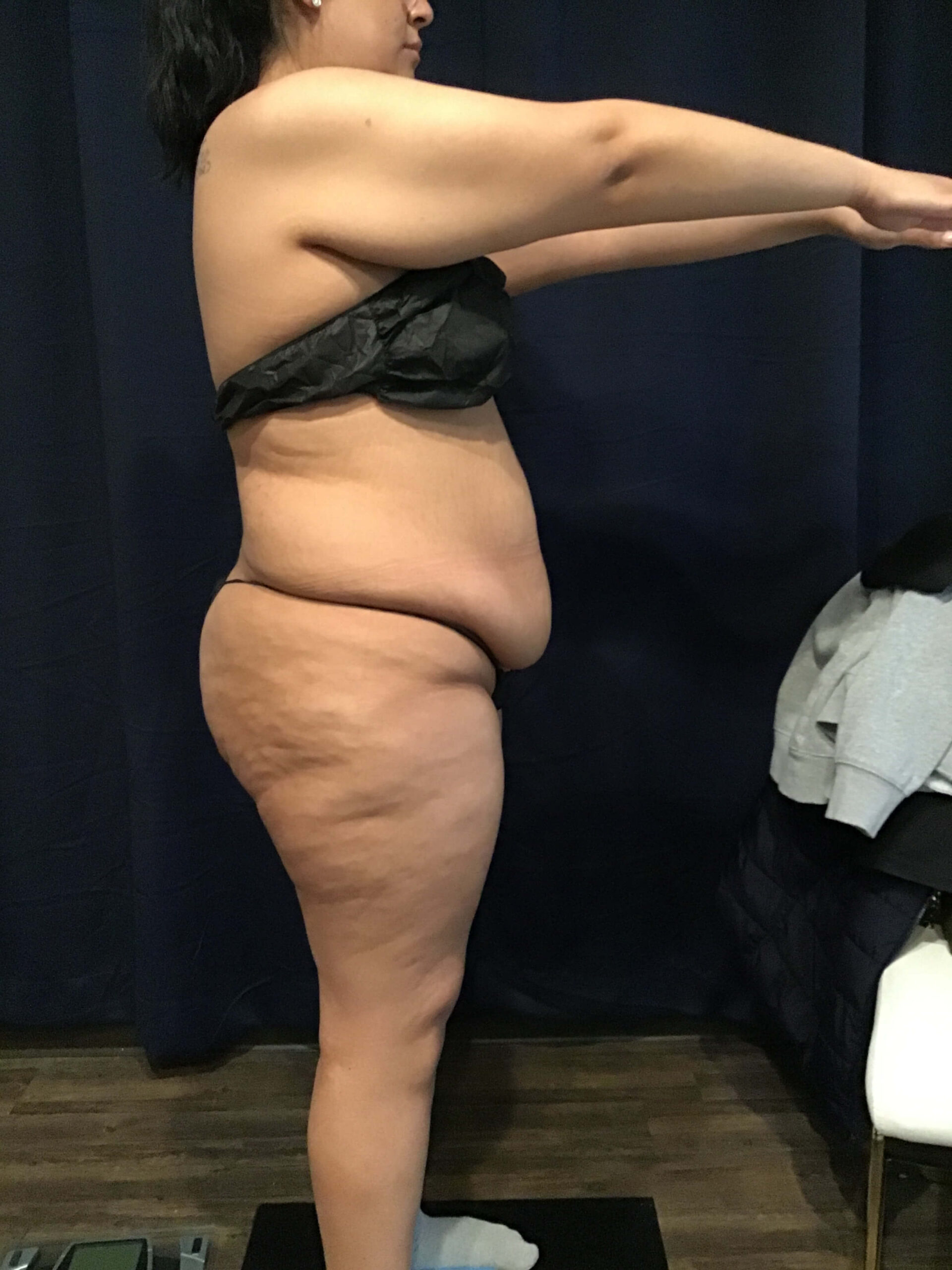
The fold is not fat. It is not loose muscle. It is not a consequence of not trying hard enough. It is skin draping over a scar that is anchored to the tissue beneath it. The only way to address it is to excise the skin above the scar line, which is precisely what a TickleTuck accomplishes. The C-section scar is removed as part of that excision, it falls within the skin being taken. The guest leaves without the shelf and without the scar that created it. No amount of core work reaches it. No diet changes the anatomy. The problem is structural. The solution is surgical.
Women who present with this concern have frequently been told by trainers, nutritionists, and sometimes physicians that more effort will resolve it. That advice is well-intentioned and wrong. The anatomy of a healed C-section scar is not responsive to lifestyle intervention. Identifying this clearly, and telling guests the truth about it, is part of what the consultation at Zelko Aesthetics is for.
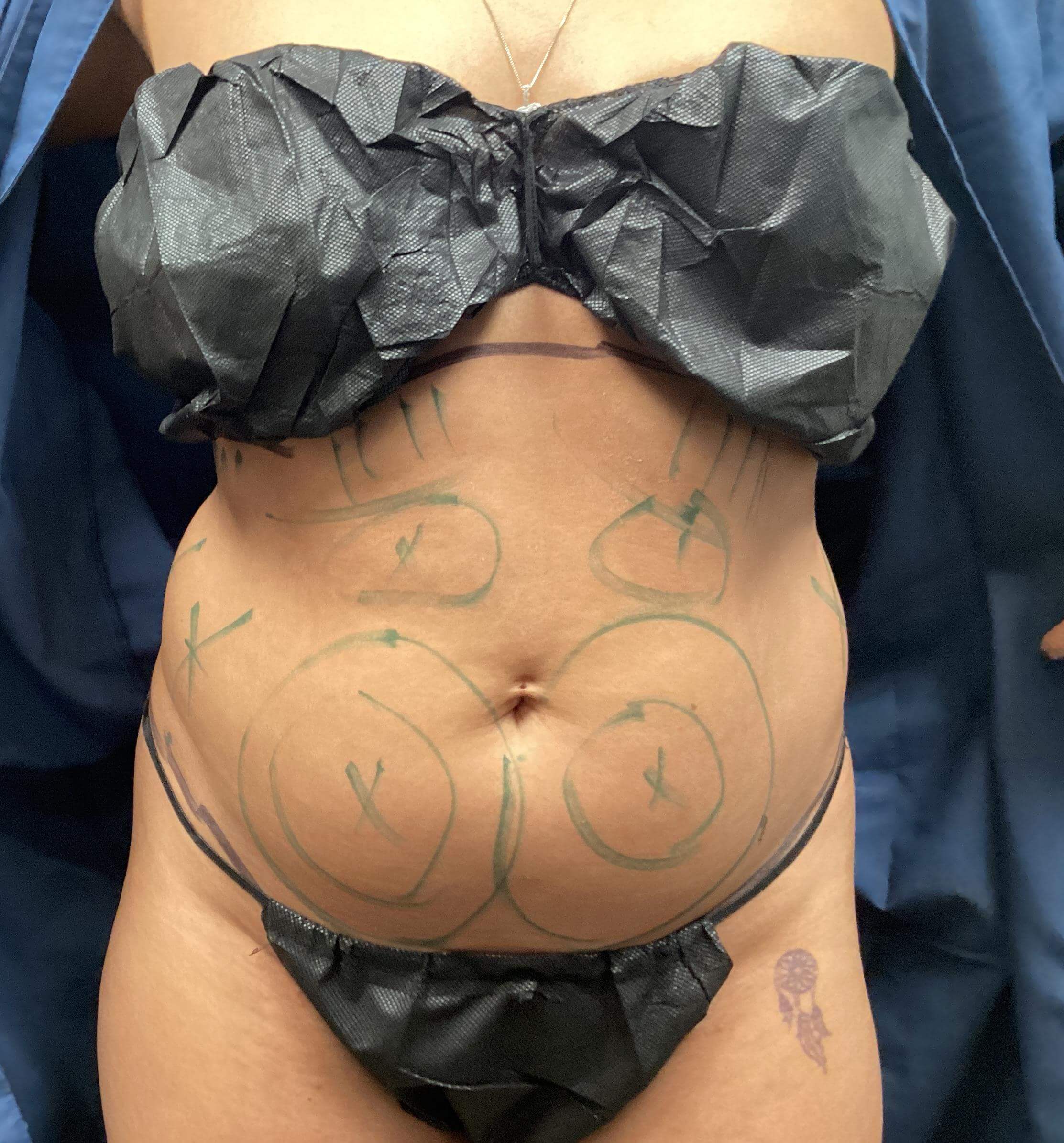
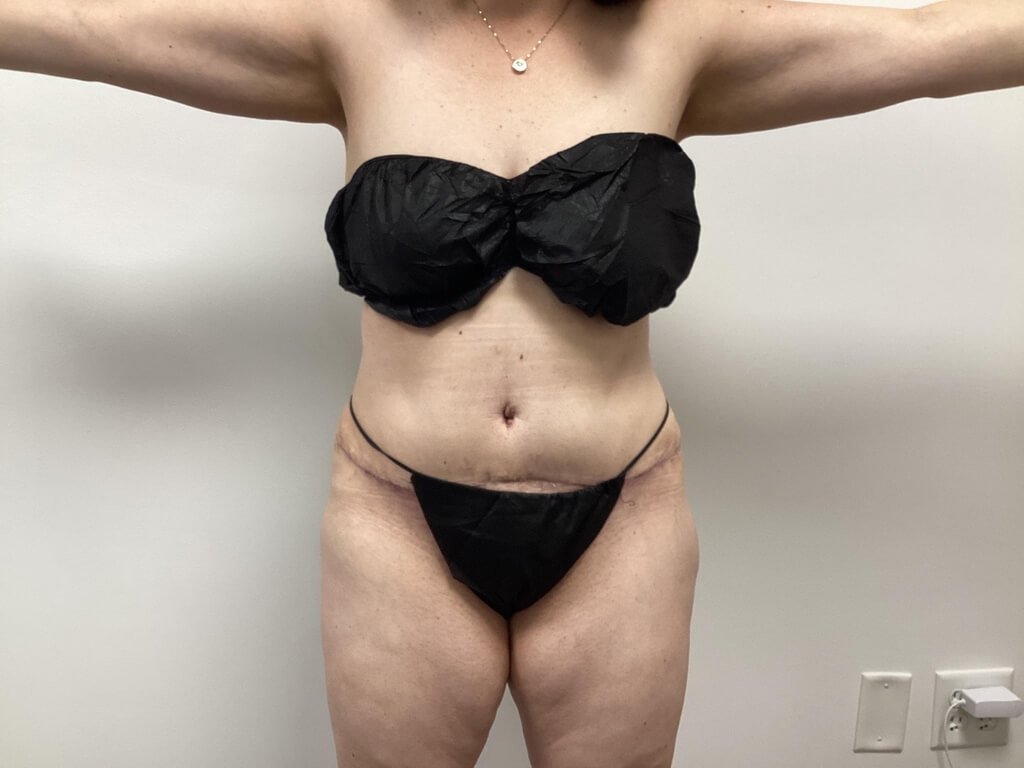
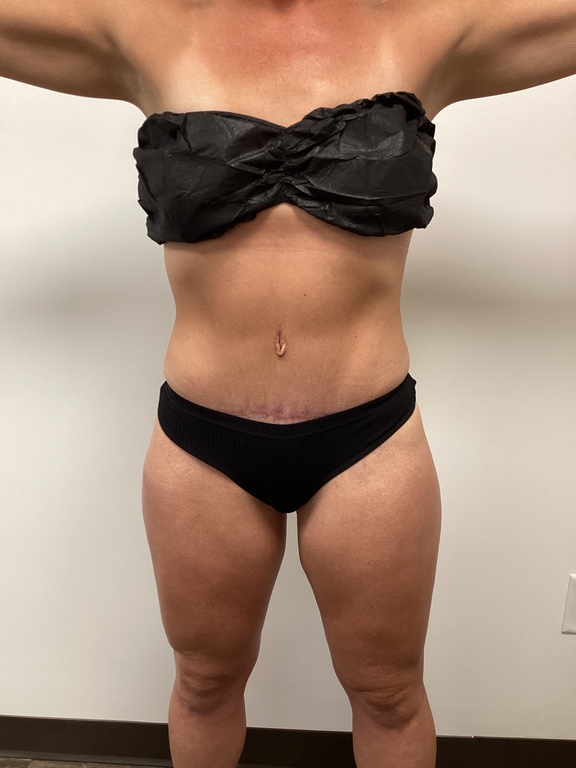
The TickleTuck is the primary surgical solution for the C-section shelf. TickleLipo of the upper abdomen is performed first, thoroughly, extending up and over the lower rib cage, to reveal the true skin excess by removing the fat that was holding the skin outward. The tuck then excises the skin above the scar line, eliminating the drape entirely. The C-section scar itself is removed as part of the excision, it falls within the skin that is taken. The guest leaves without the shelf and without the scar that caused it, replaced by a single clean lower incision in a better position.
Why Exercise Cannot Fix Skin
Skin Is Not Muscle: It Does Not Respond to Training
Exercise is extraordinarily effective at building and toning muscle. It reduces fat volume, to varying degrees depending on the individual. It improves posture, cardiovascular health, and metabolic function. What it cannot do, at any intensity, with any consistency, is reverse skin laxity.
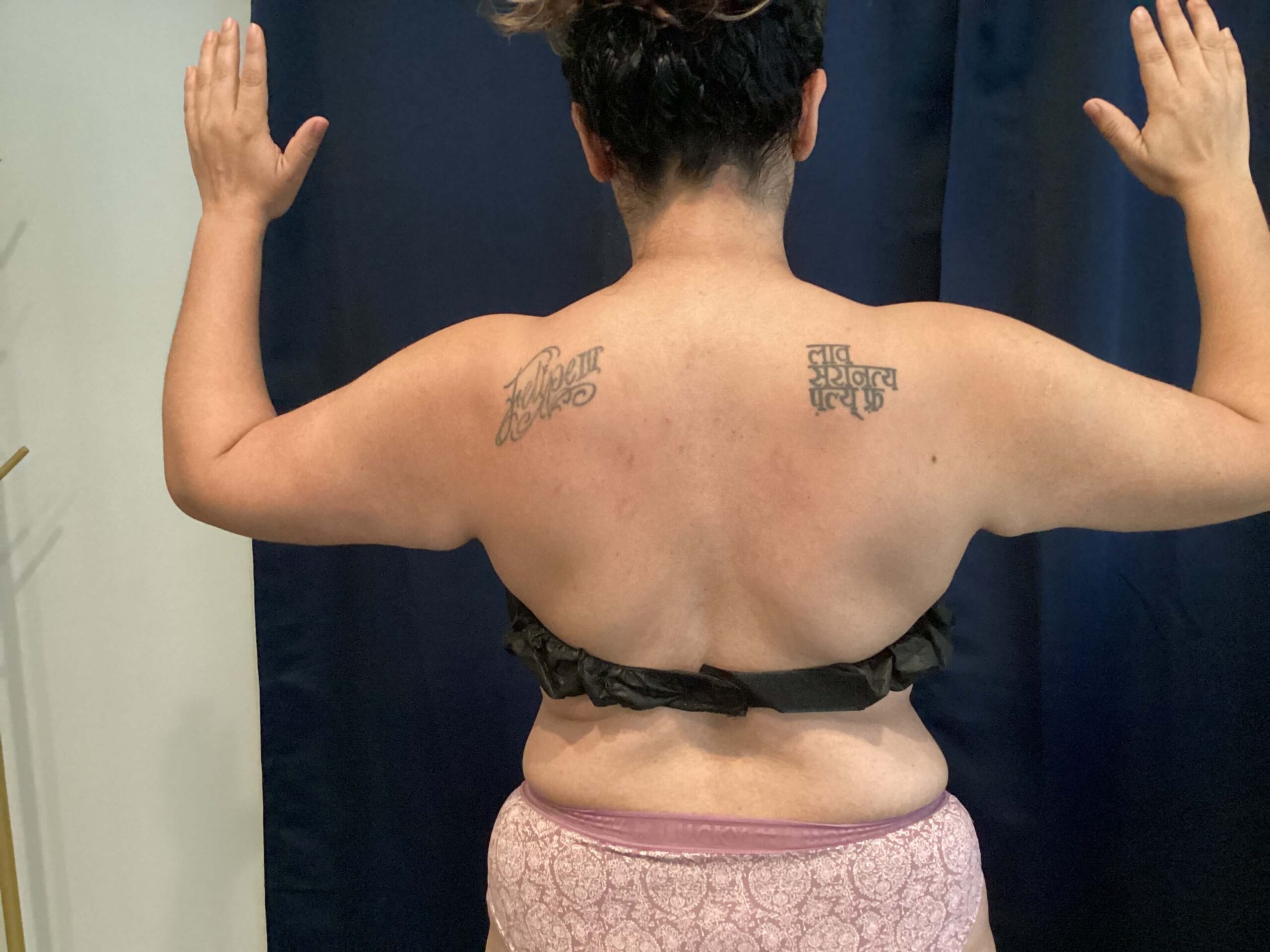
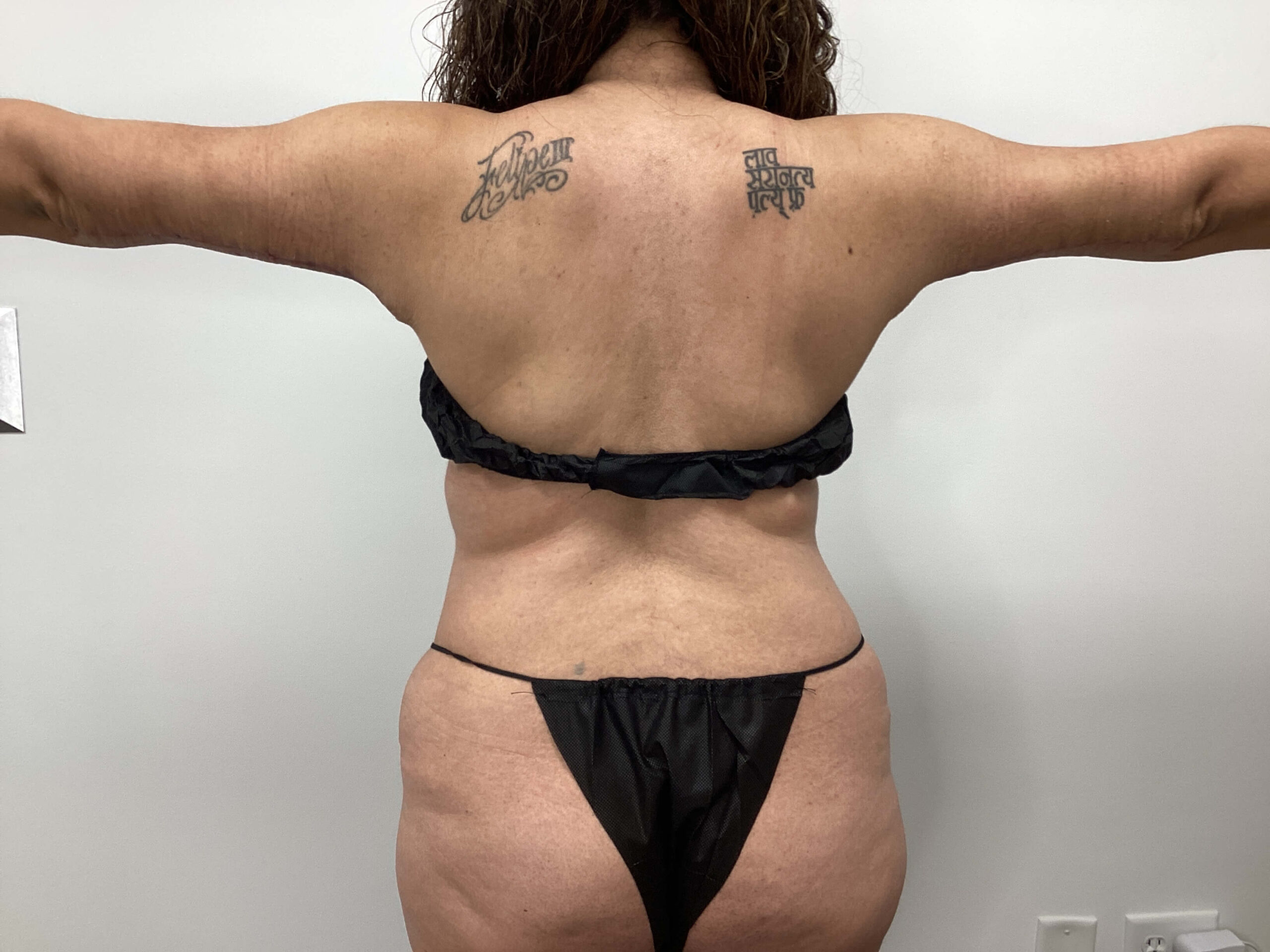
Skin that was stretched beyond its elastic capacity by pregnancy, by significant weight gain, or by the passage of time does not retract when the underlying volume is reduced. In fact, significant weight loss frequently makes skin laxity more visible, because the fat that previously filled the stretched envelope is gone, and the excess skin that remains has nowhere to sit except in folds.
The abdominal wall muscles respond to exercise. The skin envelope above them does not. These are different tissues with different properties. A guest who has done years of dedicated core work and still has loose abdominal skin has not failed. She has correctly identified a surgical problem by exhausting every non-surgical alternative. That is exactly the clarity of understanding that makes an ideal candidate.
The Three Surgical Solutions: Matched to the Problem
The right procedure is determined by the degree of laxity and what the skin actually requires, not by preference or by what sounds less aggressive.
TickleTite (TickleLipo + Renuvion), The Less Aggressive Option. For guests with mild to moderate skin laxity where a 50% reduction will satisfy the goal. Renuvion delivers subdermal helium plasma energy that contracts the fibrous support structures beneath the skin. Combined with the collagen stimulation that liposuction itself initiates from below, and Secret RF from above, TickleTite addresses laxity through mechanism rather than excision. It is the less aggressive path, no skin removal, no extended recovery, and it is the right choice when the laxity falls within its ceiling.
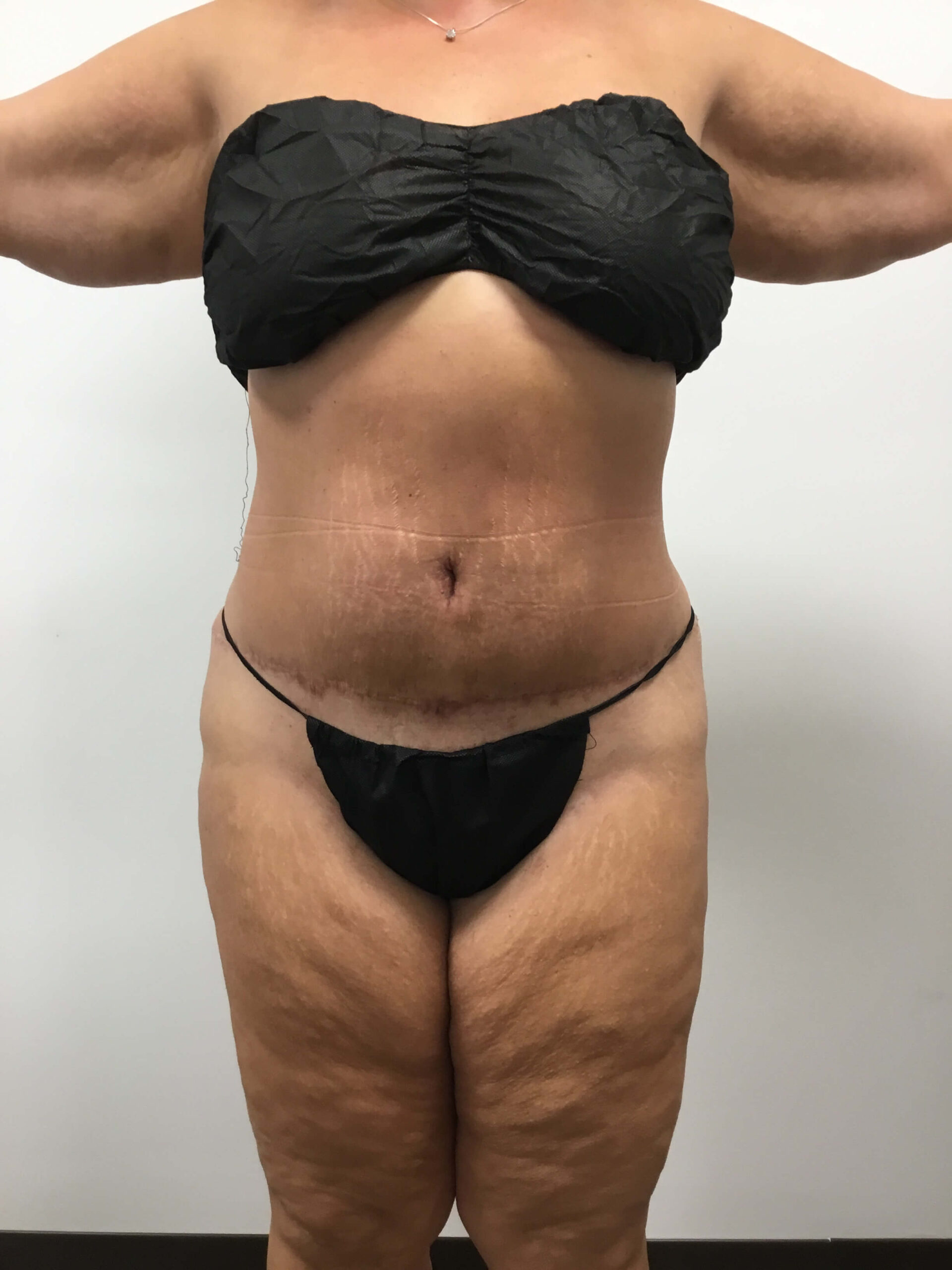
TickleTuck: When Excision Is the Honest Answer. When skin laxity exceeds what tightening can address, when the pull distance at consultation tells Dr. Timothy Zelko that no tightening technology will satisfy the goal, the TickleTuck is the appropriate procedure. Skin is surgically removed. The belly button is repositioned. Plication of the abdominal muscles is performed if diastasis recti is present. This is a real surgical procedure with a real recovery, performed entirely awake under tumescent local anesthesia with same-day home discharge. For significant laxity, it is not the aggressive option. It is the correct one.
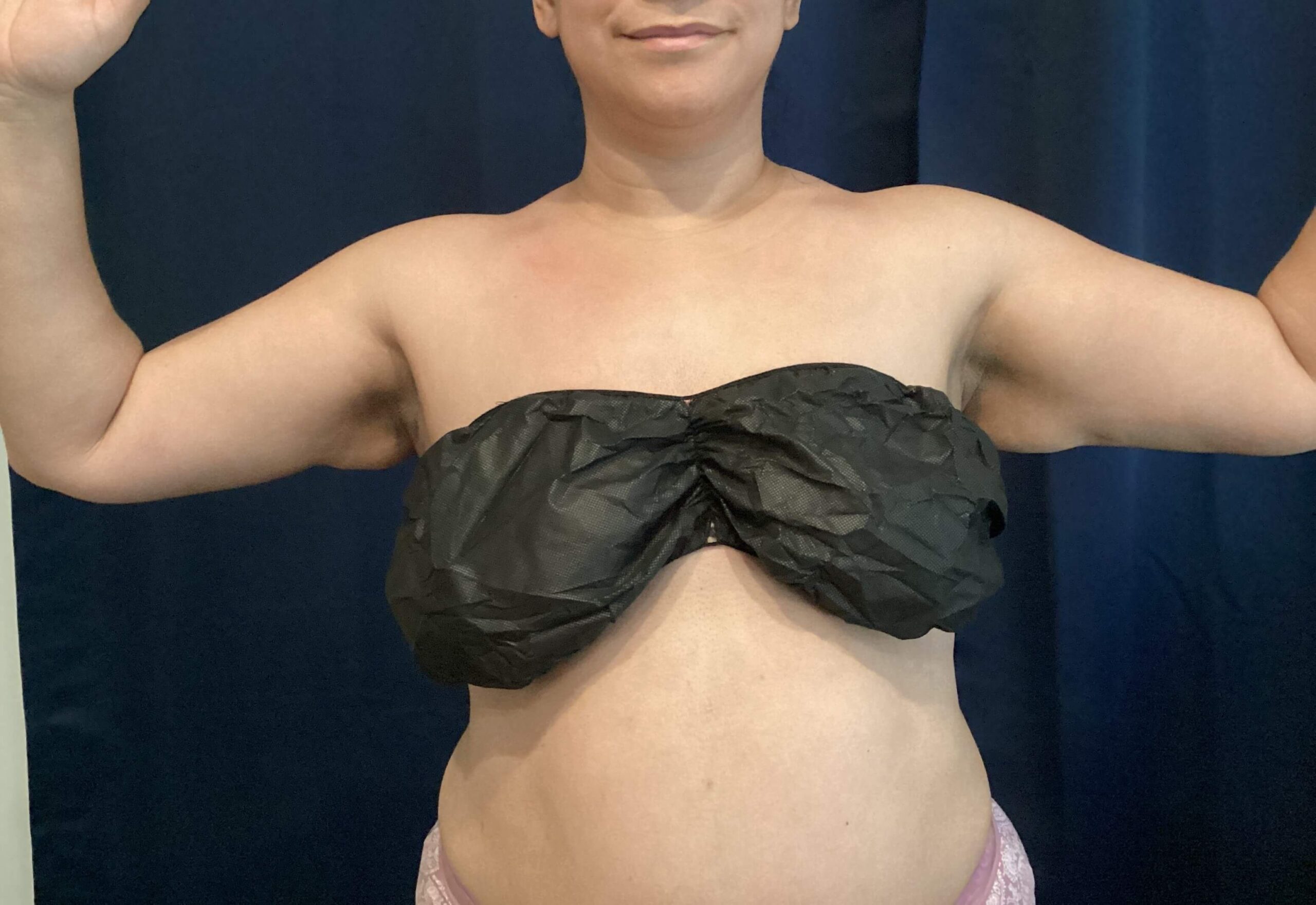
Reverse TickleTuck: Upper Abdomen Specifically. For guests whose laxity is concentrated above the navel, the area a standard lower tuck does not reach. This is a separate procedure with its own indication: skin excess above the belly button, approached through an incision hidden in the inframammary fold and concealed entirely in a bra. It is not related to the C-section shelf, which is a lower abdominal problem. It is performed when the upper abdomen is the primary concern, either as a standalone procedure or when the upper and lower abdomen each independently warrant their own surgical plan.
Myth vs. Reality
What People Get Wrong: Set Straight
The Myth
“If I just lose a few more pounds, my stomach will look the way I want it to.”
The Reality
If the concern is loose skin or a C-section shelf, weight loss will not change it, and may make it more visible. The scale and the mirror measure different things. Skin laxity is a structural issue, not a mass issue.
The Myth
“Getting liposuction means I don’t have to watch what I eat.”
The Reality
TickleLipo removes specific localized fat deposits. It does not change metabolism, prevent weight gain, or address visceral fat. Guests who maintain a healthy lifestyle after their procedure preserve and build on their result. Those who don’t, don’t.
The Myth
“Surgery is the easy way out, I should be able to fix this on my own.”
The Reality
The typical Zelko Aesthetics guest has already done the work. Years of it. She is not choosing surgery instead of trying. She is choosing surgery because she has already tried everything appropriate and arrived at the honest conclusion that her remaining concern is a surgical problem. That is not the easy way. That is the correct way.
The Myth
“A tummy tuck will help me lose weight.”
The Reality
Not meaningfully. Some tissue is removed, but weight is not the measure of the outcome. The measure is shape, contour, and how the abdomen looks and feels. Guests who approach a TickleTuck as a weight loss tool have a misalignment in expectations that Dr. Zelko addresses directly at consultation.
What Happens After
The Mirror Moment, and What It Starts
The guests who do best after body contouring procedures are the ones who use the result as a beginning, not an ending. The mirror moment, stepping out of the shower and genuinely liking the person looking back, does something to motivation that years of unrewarded effort cannot. It makes the next steps feel possible. It makes longevity feel worth pursuing.
“They want to step out of the shower and really like, or genuinely love, the person looking back at them. Once that happens, once that mirror moment is real, longevity and health span become realistic goals. The surgery is the jumping-off point. Not the destination.”
Dr. Timothy Zelko, D.O. · On the relationship between body contouring and long-term healthThis is why the weight and lifestyle conversation at Zelko Aesthetics is never about judgment. For some guests, surgery comes after the weight loss journey. For others, it starts the journey. Both paths lead to the same place, a person who feels genuinely good about herself and is motivated to take care of herself accordingly.
The Guest Who Has Already Done the Work
She is not looking for a shortcut. She has already taken the long road.
The ideal Zelko Aesthetics candidate has dieted. She has exercised. She has tried what was suggested and done what was recommended. What remains, the loose skin, the C-section shelf, the localized deposits that didn’t move, is not a reflection of her effort. It is a surgical problem that always was going to require a surgical solution. Recognizing that clearly, without guilt and without confusion about what tools address what problems, is the beginning of the right conversation.
Frequently Asked Questions
What Guests Ask About This Distinction
Should I lose weight before having a TickleTuck or TickleLipo?
For TickleTuck: ideally yes, operating at or near goal weight produces more accurate skin excision, more meaningful liposuction, and a more complete result. For TickleLipo alone: not necessarily. The key question is whether you are actively making real, sustained progress. If yes, completing the journey first produces a better result. If you have genuinely hit a wall and lost momentum entirely, a procedure may be exactly what restarts the engine. Dr. Timothy Zelko discusses both paths honestly based on where you actually are at the time of consultation.
If I gain weight after liposuction, will the fat come back in the treated area?
The fat cells removed by TickleLipo are permanently gone, they do not regenerate. However, remaining fat cells in the treated area and throughout the body can still enlarge with weight gain. Significant weight gain after liposuction can compromise results, though the relative improvement compared to the pre-procedure baseline is typically maintained. The practical answer: guests who maintain a healthy lifestyle after their procedure preserve and build on their result. Those who do not, do not. The permanent removal of fat cells creates a structural advantage that is maintained with weight stability.
I have a C-section shelf but I’m not overweight. Will that matter?
No, and this is precisely the point. The C-section shelf is not a weight problem. It is an anatomical problem caused by a permanent scar anchored to the underlying tissue, with skin draping over it. Your weight is irrelevant to its cause and irrelevant to its solution. A TickleTuck on a guest who is at a healthy weight and has a C-section shelf addresses exactly what needs to be addressed. The TickleLipo that precedes the tuck thoroughly addresses the upper abdomen to reveal the true skin excess, and the excision addresses the draping. Weight is not part of this equation.
Can core exercises tighten the skin on my abdomen?
No. Core exercises build and strengthen the rectus abdominis and supporting muscle groups. They can improve posture, reduce the appearance of minor laxity by improving underlying muscle tone, and contribute to overall abdominal appearance. They do not, and cannot, tighten or retract skin that was stretched beyond its elastic capacity. The muscles and the skin are different tissues with different properties and different responses to training. If you have done dedicated core work for an extended period and the skin looseness you are concerned about has not changed, that is not a failure of effort, it is a confirmation that the problem is in the skin, not the muscle.
Is body contouring surgery a substitute for a healthy lifestyle?
No. Body contouring surgery addresses localized fat deposits, skin laxity, and structural changes that lifestyle cannot reach. It does not change metabolism, prevent weight gain, address visceral fat, or substitute for the metabolic and cardiovascular benefits of diet and exercise. What it does, for the right guest, with accurate expectations, is address the specific structural problems that lifestyle intervention cannot reach, and in doing so, create a mirror moment that becomes the motivation for sustained healthy living. The surgery and the lifestyle are not competing. They work together.