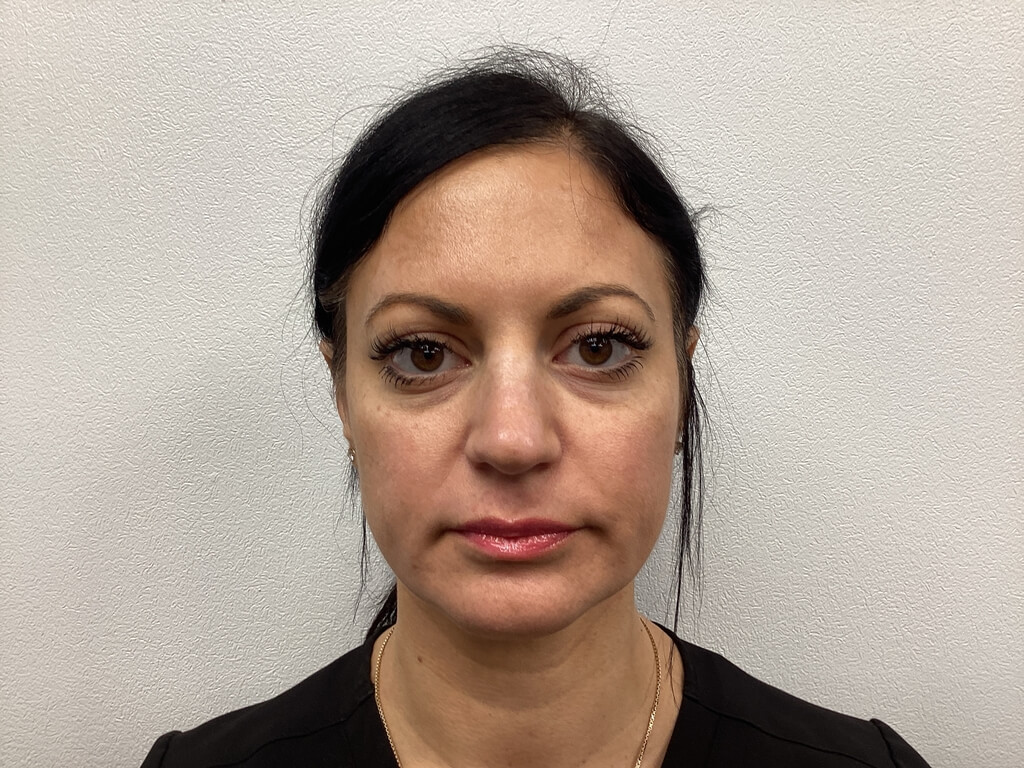
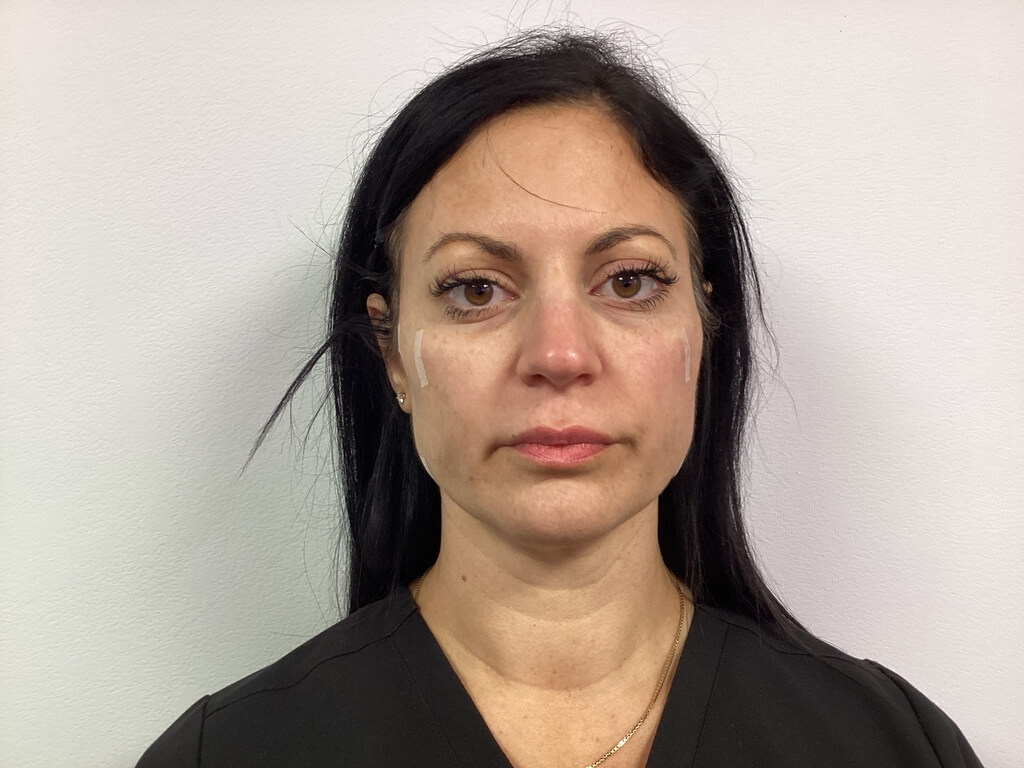
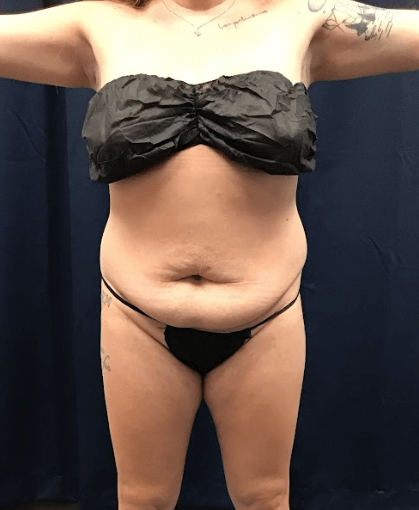
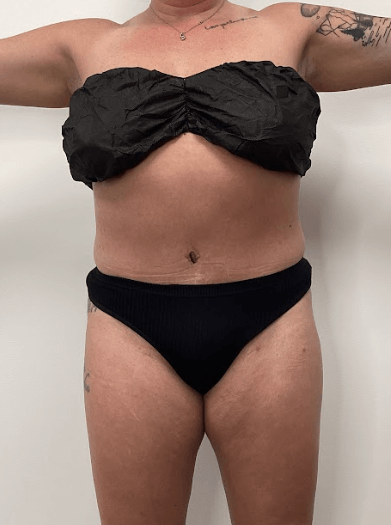
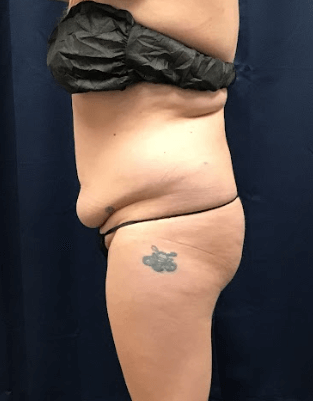
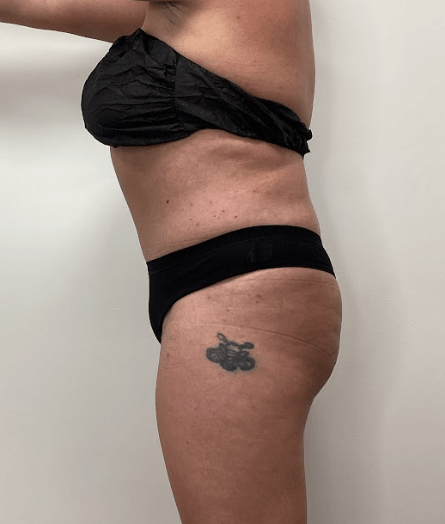
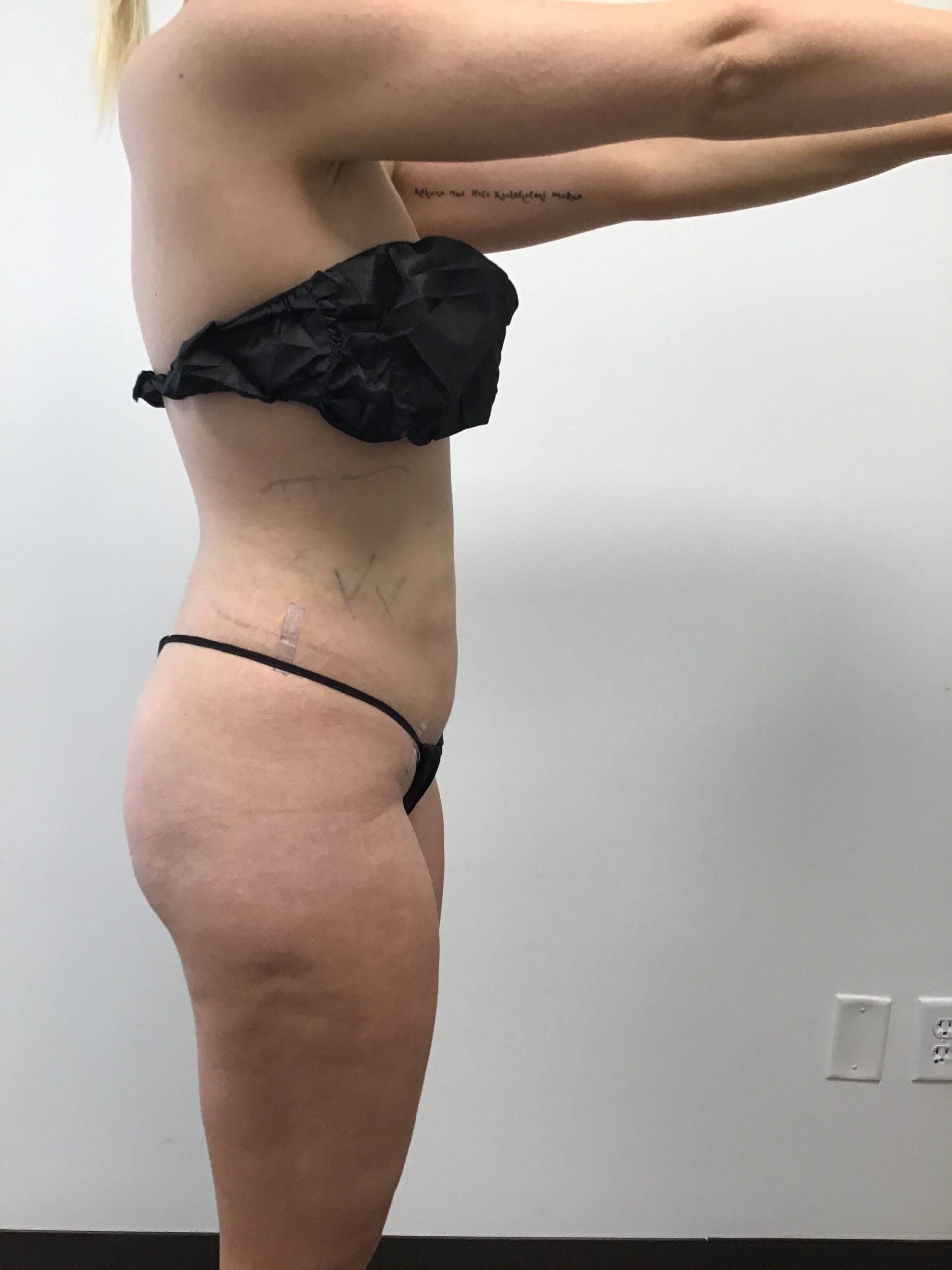
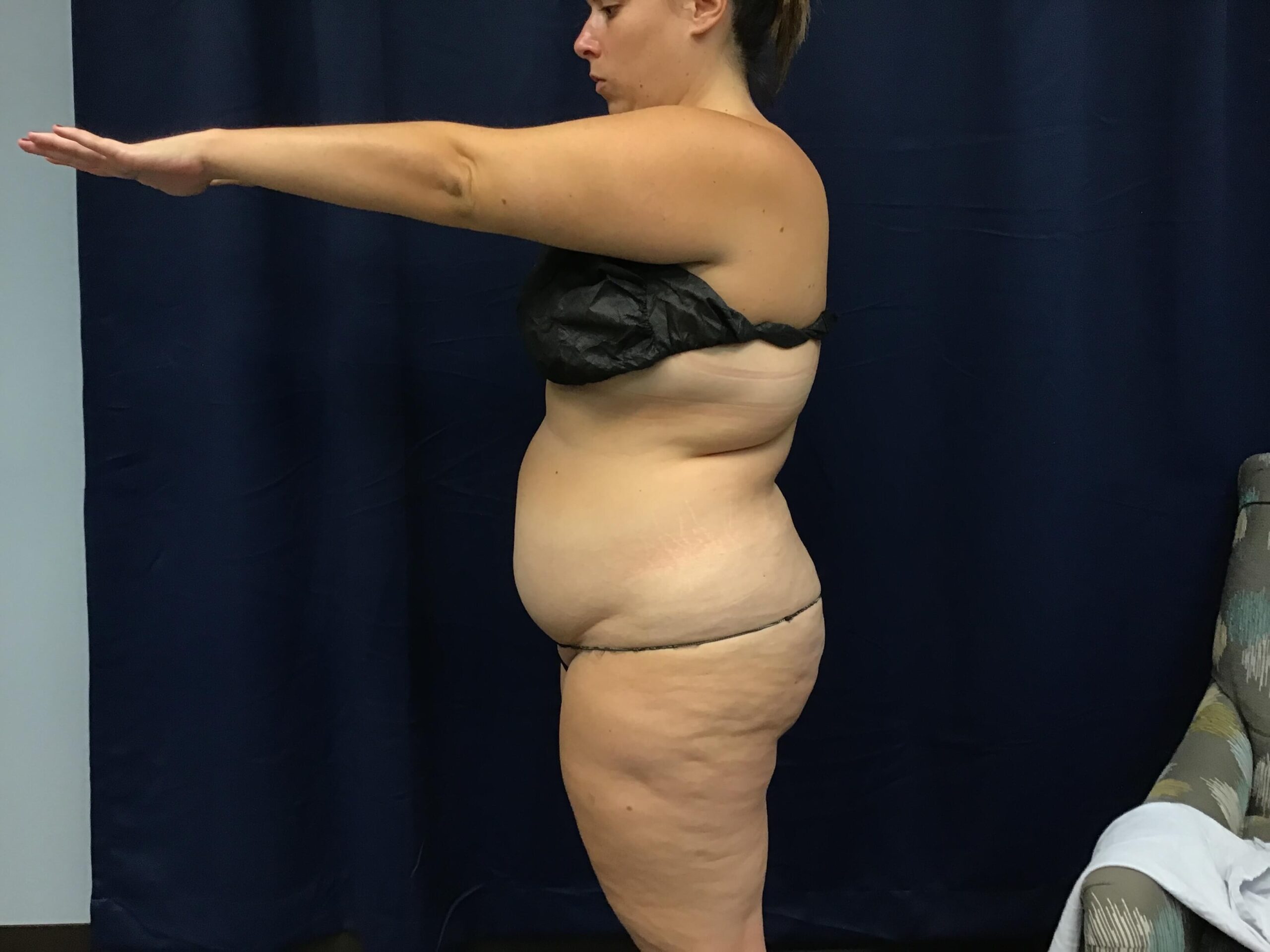
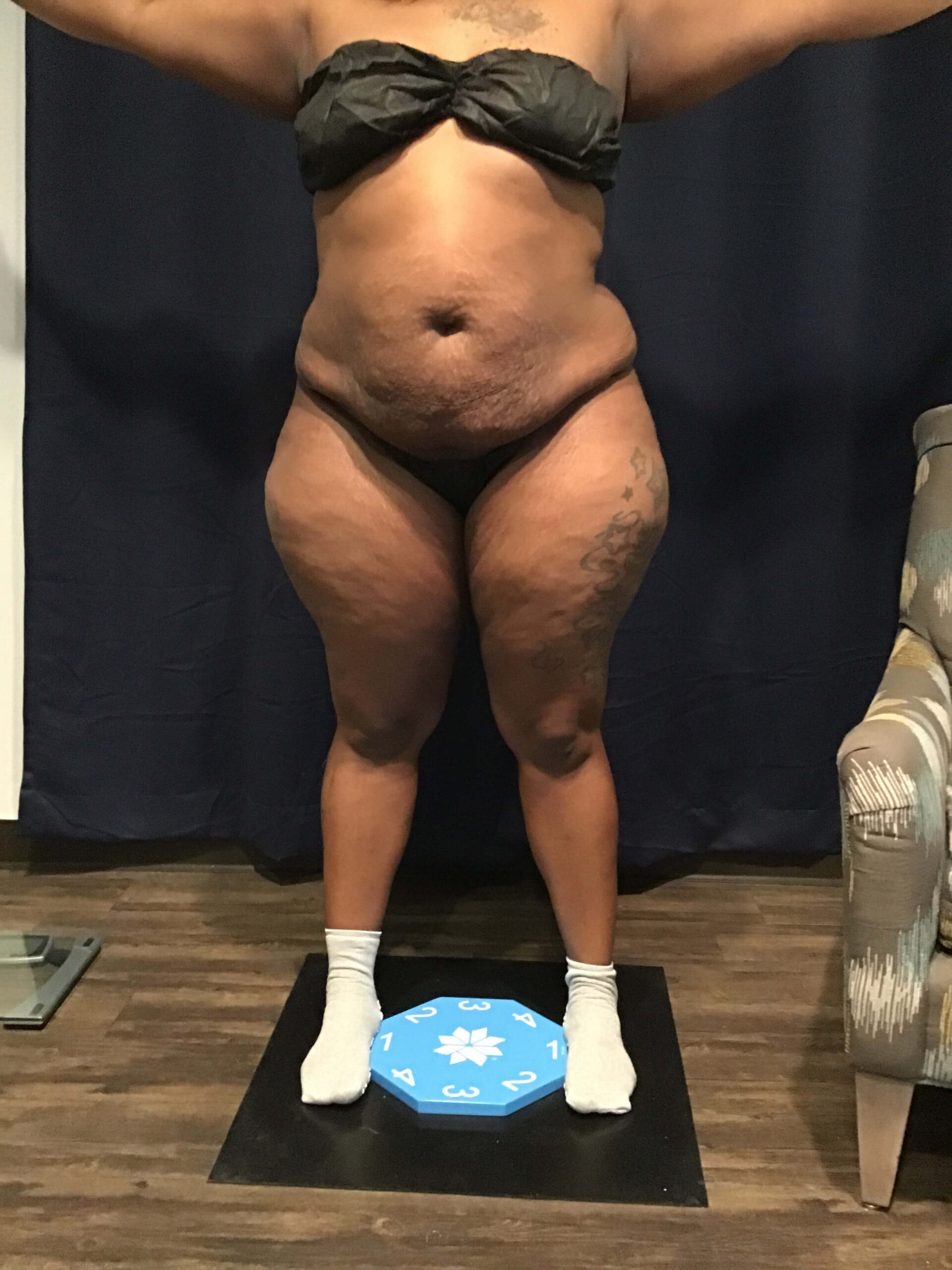
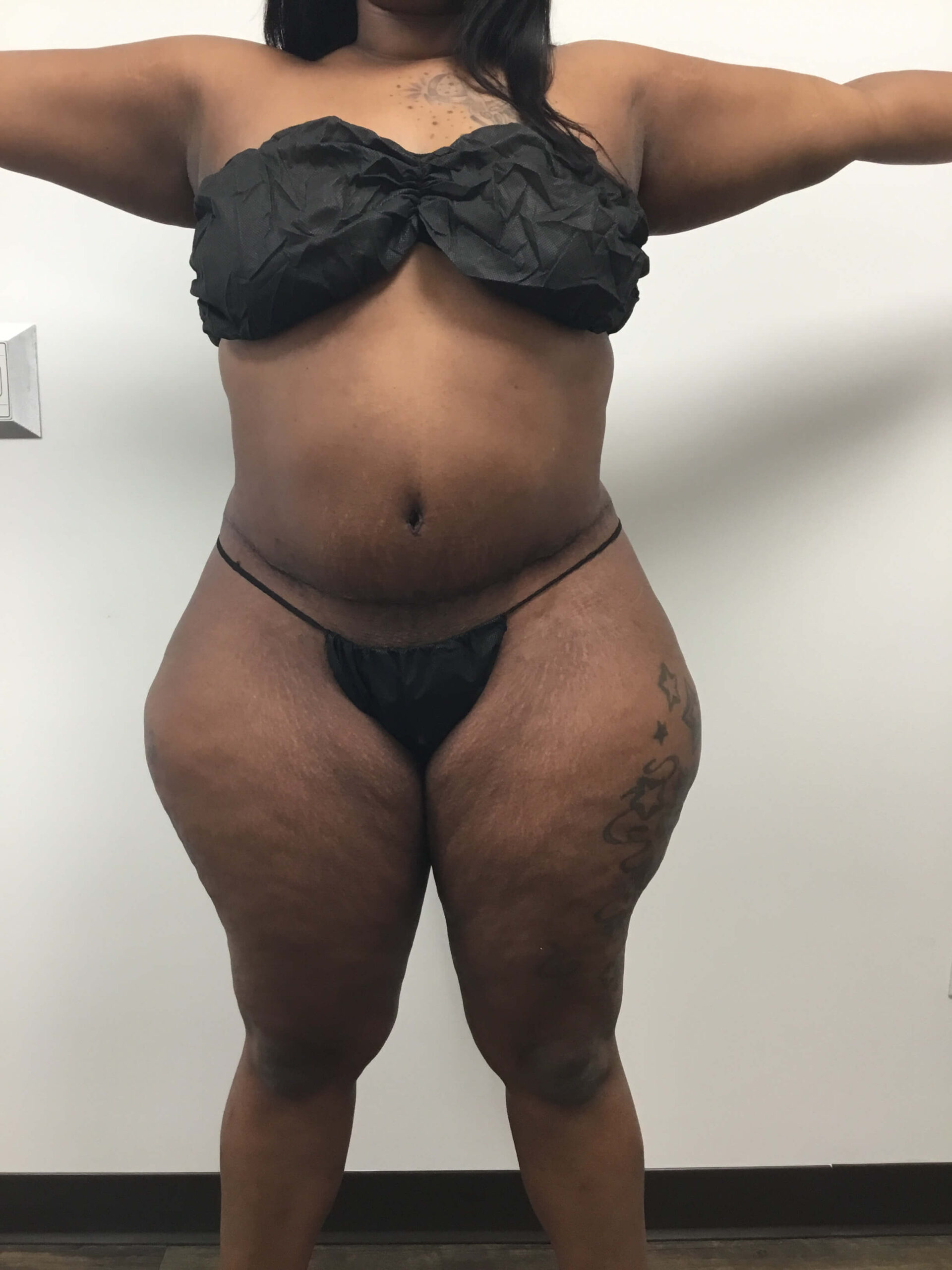
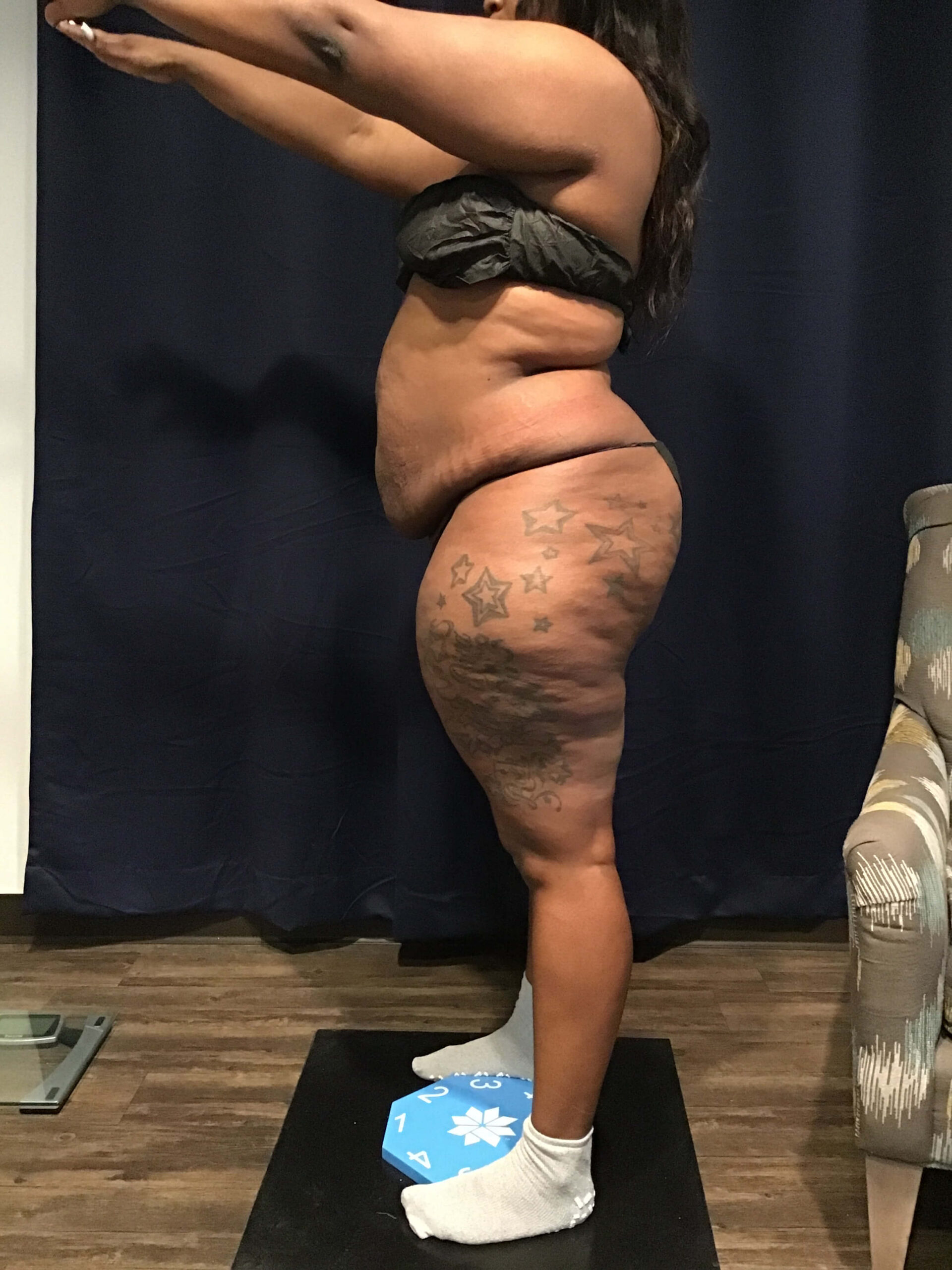
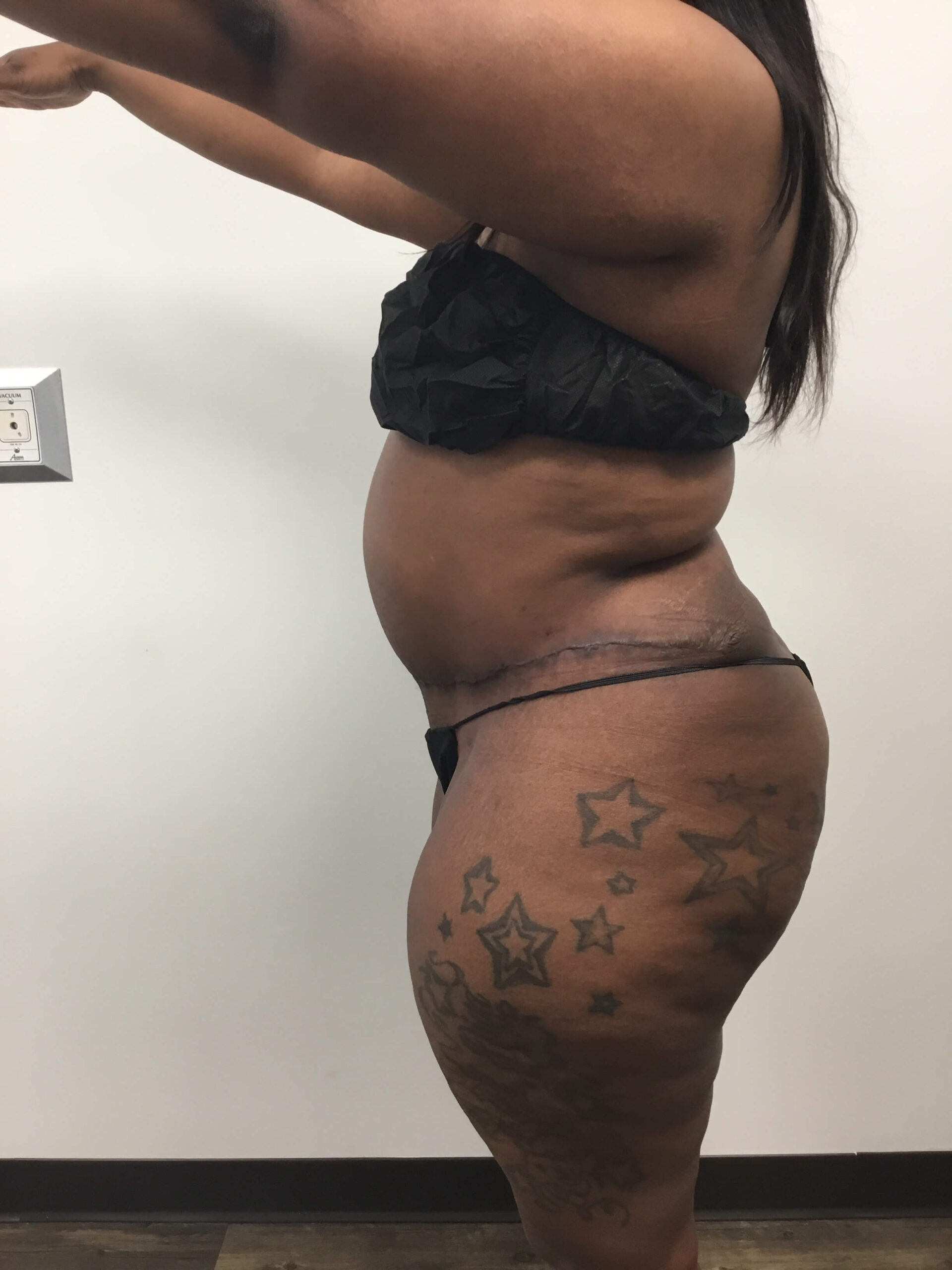
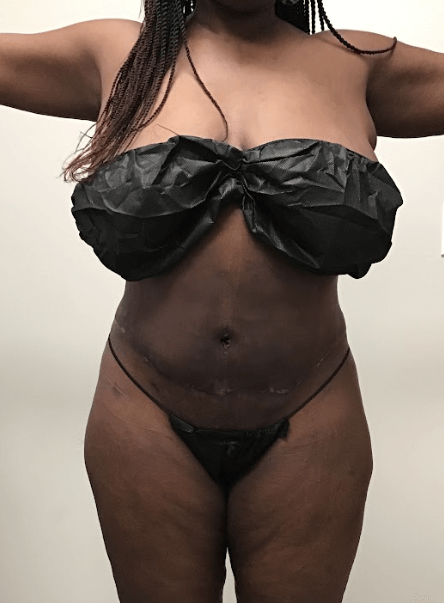
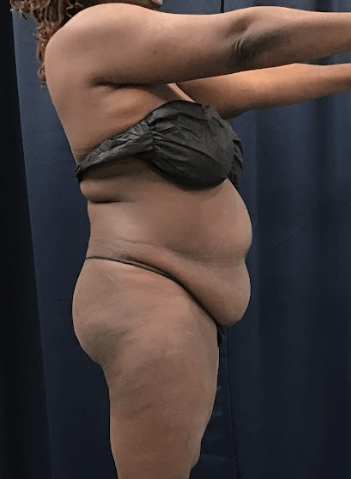
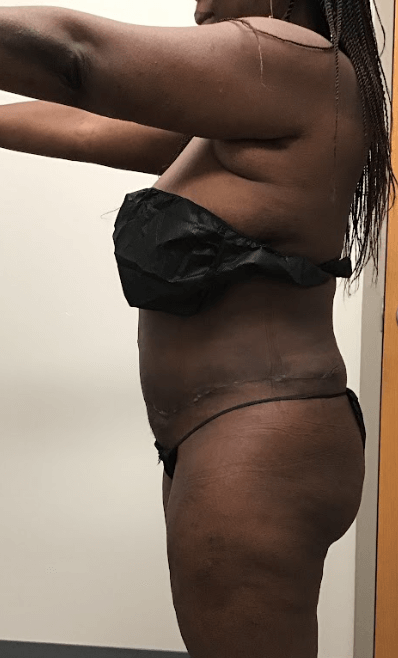
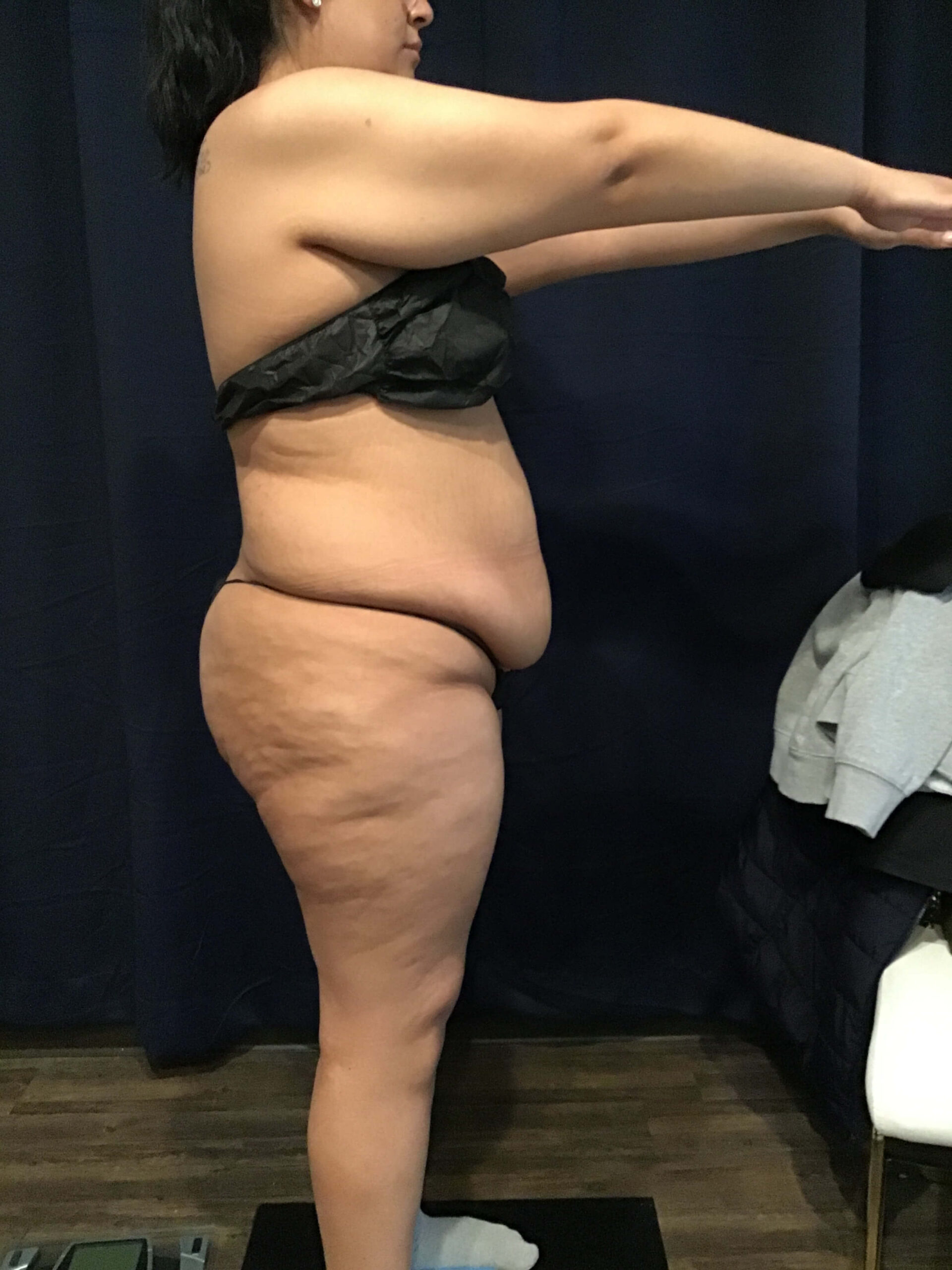
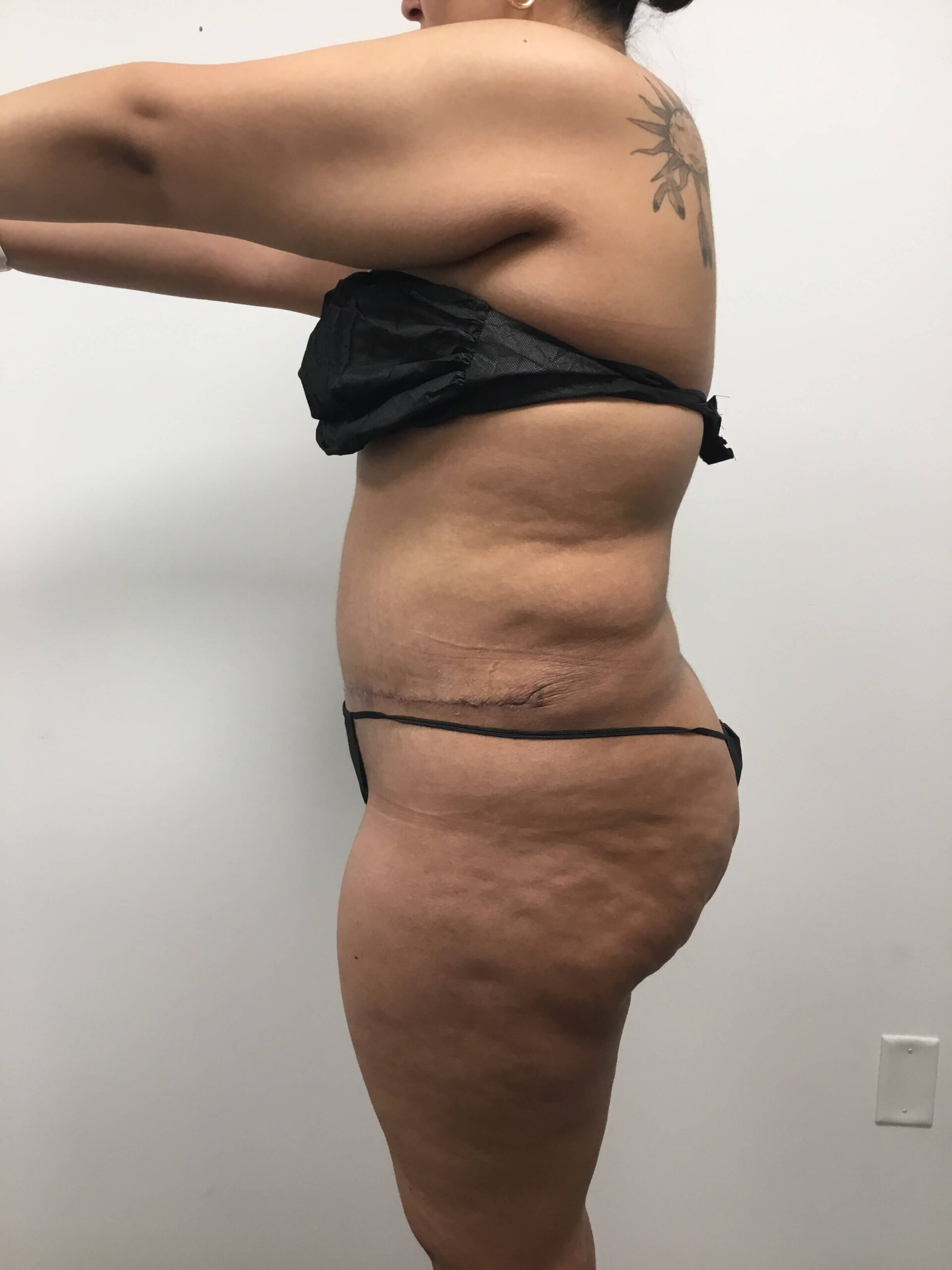
Clinical Comparison
Awake vs. General Anesthesia
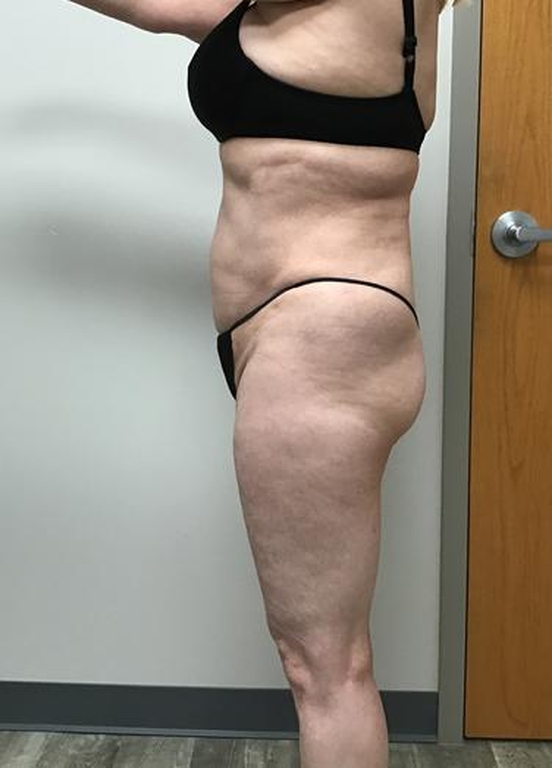
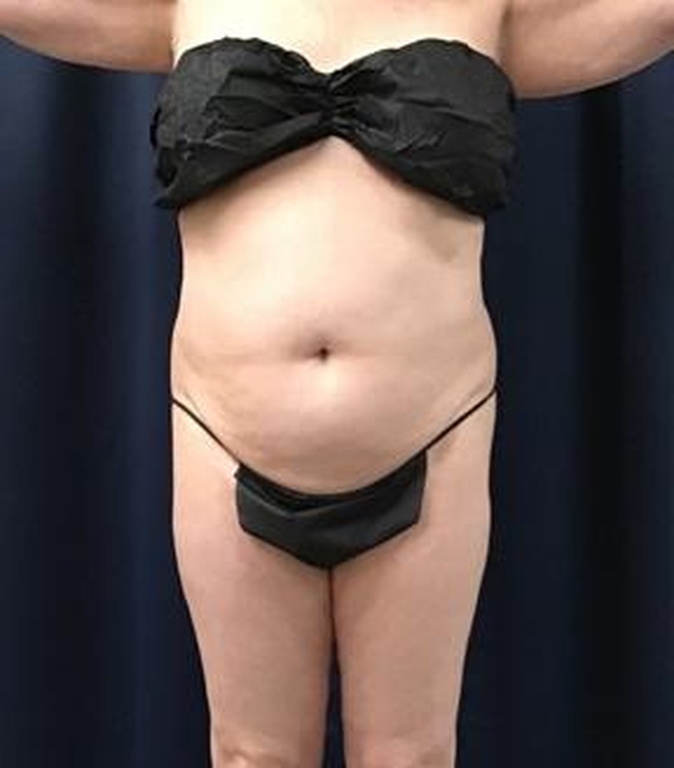
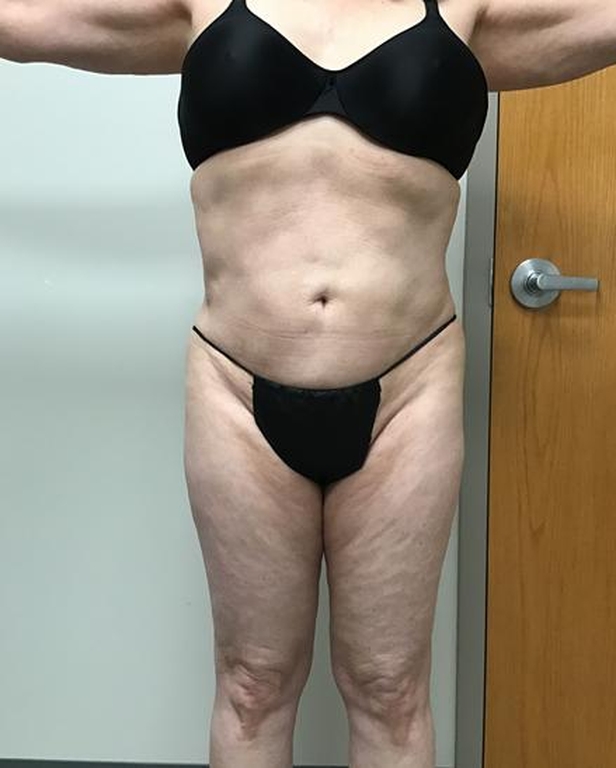
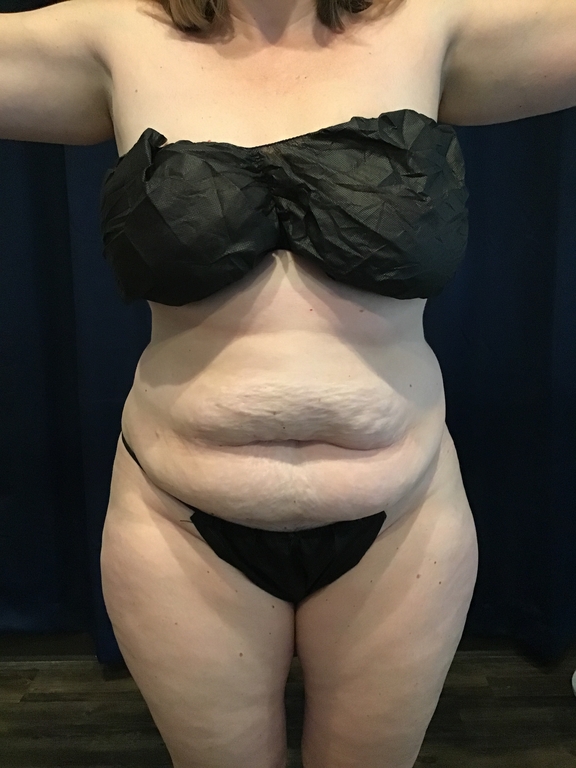
Awake procedures use tumescent local anesthesia only. General anesthesia elevates cortisol during recovery, impairing collagen synthesis, wound healing and immune function. Awake surgery avoids that entirely, and guests go home the same day.
Tumescent Local AnesthesiaAwake. Aware. In Control.
General AnesthesiaUnconscious. Cortisol Surging.
The choice between awake and general anesthesia is not just a matter of preference. It is a clinical decision with real physiological consequences - and the evidence for awake procedures under tumescent local anesthesia is stronger than most people realize.
General anesthesia suppresses the stress response acutely but elevates cortisol systemically in the recovery period, impairing collagen synthesis, wound healing, and immune function. Awake procedures in a calm, spa-like environment maintain significantly lower cortisol levels throughout the perioperative period. This matters not just for how you feel during recovery. It matters for the quality of your result.
The Mechanism
Unconscious Is Not the Same as Unstressed
The assumption buried inside the preference for general anesthesia is that unconsciousness equals protection: that being put under shields the body from the stress of the operation. It is an understandable assumption. It is also wrong, and the reason it is wrong is worth understanding before you choose.
Surgery produces a measurable neuroendocrine stress response.1,2 Cortisol rises. Catecholamines rise. Inflammatory signaling rises.3 Blood glucose rises. What drives that response is not fear, and it is not consciousness. It is traffic: a steady stream of nerve signals traveling from cut tissue, up the spinal cord, to the hypothalamus, which reads them as injury and instructs the adrenal glands to respond accordingly.
General anesthesia acts on the brain. It removes the experience of pain. It does not remove the transmission of the signal that produces it. The traffic still arrives. You are simply not present for it. Your adrenal glands are.
Tumescent local anesthesia acts at the opposite end of the same pathway. The anesthetic bathes the tissue before any instrument is introduced, and the nerve endings in the surgical field stop conducting. There is no signal to travel, no message for the hypothalamus to interpret, and far less for the adrenal glands to answer. This is not a novel theory. It is the same principle behind decades of anesthesia research showing that regional and local blockade blunts the surgical stress response in a way that general anesthesia alone does not.4 The mechanism has its own page: how tumescent anesthesia works.
Tumescent local: where it actsAt the tissue. Before the signal starts.
The nerve endings in the operative field are anesthetized directly. Nothing is transmitted, so there is nothing upstream to interpret as injury.
Tissue → blocked here → no signal → attenuated cortisol response
General anesthesia: where it actsAt the brain. After the signal arrives.
Awareness is suspended, but the pathway from the wound to the hypothalamus stays open. The message is delivered and answered while you are unconscious.
Tissue → signal travels → hypothalamus → full adrenal response → awareness blocked here
The distinction that matters
General anesthesia blocks your perception of the injury. Local anesthesia blocks the message about it. Only one of those changes what your body actually does in response.
Neither approach eliminates the stress response entirely. Surgery is injury, and injury generates signal. But interrupting that signal at its origin is a categorically different intervention from interrupting your awareness of it, and the difference shows up in the days after you go home rather than during the hour on the table.
That is the first half of the argument. The second half is what a guest who is awake can be given that an unconscious guest cannot.
Why It Matters After You Go Home
What Cortisol Does to a Healing Wound
Cortisol is not a villain. It is a survival hormone, and in a genuine emergency it does precisely what it should: mobilize fuel, raise blood pressure, and quiet inflammation so the body can act. The difficulty is that nearly every one of those actions is subtracted directly from the work of healing.
Collagen synthesis slows down
Glucocorticoids suppress fibroblast activity and reduce production of type I and type III collagen, the two proteins that give a healing incision its tensile strength.5 For an abdominoplasty this is not an abstraction. The scar is the visible result of the entire operation, and collagen is what the scar is made of.
Immune defense at the wound edge drops
Cortisol impairs the function of neutrophils and macrophages, the cells that clear bacteria in the first days, when a fresh incision is most vulnerable. This is one plausible contributor to the gap between an in-office awake infection rate and a hospital one. It is not the only one, and we would not claim it is.
Blood sugar rises
Cortisol drives gluconeogenesis and insulin resistance. Perioperative hyperglycemia is independently associated with surgical site infection, in patients without diabetes as well as those with it. A stress response is, among other things, a blood sugar event.
The body turns catabolic
Cortisol breaks down muscle protein for fuel and pushes the body into negative nitrogen balance. It consumes the raw material that tissue repair requires, at the exact moment repair is supposed to be the priority.
Sleep fragments
Elevated cortisol disrupts deep sleep, and deep sleep is when growth hormone pulses and the bulk of tissue repair happens. A guest experiences this as a rough first week of sleep. The body experiences it as slower healing.
None of this is theoretical. In controlled human research, volunteers were given identical standardized wounds and followed to closure. The psychologically stressed groups healed meaningfully more slowly, on the order of a quarter to two-thirds longer, with measurably lower immune signaling at the wound itself.6,7,8 The stressors in those studies were ordinary: caregiving for a family member, an exam period, a hostile conversation with a spouse. Surgery under general anesthesia is a considerably larger physiological event than an exam.
Which reframes the whole question. Stress is not a soft variable that affects how the week feels. It is a hormonal input into collagen, immunity, glucose and sleep: the four systems your result is built out of. If that is true, then the conditions in the room stop being hospitality and start being clinical.
The Room as a Clinical Variable
Why the Music, the Blanket, and the Foot Massage Are Medicine
There is an idea in hospitality called the critical non-essential: the small deliberate detail that nobody requires and everybody remembers. In a restaurant it is the way the coffee arrives. In a surgical suite under local anesthesia, it becomes something else entirely.
Each of these turns out to be a lever on a specific, named component of the human stress response. And each one shares a requirement that is easy to miss: it can only be delivered to a guest who is awake. You cannot give control, reassurance, warning, music, or conversation to someone who is unconscious. Those interventions are not withheld under general anesthesia. They are simply unavailable.
ControllabilityThe largest single amplifier
She can stop it, and she knows she can
Across a large body of stress research, the factor that most reliably enlarges a cortisol response is not intensity and not novelty. It is uncontrollability. The identical stressor, delivered to the identical person, produces a substantially bigger endocrine response when that person has no ability to influence it.
So the guest is given influence. She has a word that stops everything, and it works the first time she uses it, and every time after. She can ask for a pause, ask what is happening, ask to sit up, ask for the room warmer. She can decide she wants five minutes before we continue, and she gets five minutes. Most guests use this authority once or twice, some never use it at all. But knowing it is there is what does the physiological work.
Delivered by: the stop word, the unhurried schedule, permission given out loud at the start rather than assumed.
PredictabilityA separate axis from control
Nothing in the room is a surprise
An unpredictable stressor produces a larger response than a predictable one of the same magnitude. This is a distinct effect from control, and it is addressable at almost no cost: by talking.
She knows what the day looks like before she arrives. During the procedure she is told what is coming a moment before it comes: you will feel pressure here, this next part vibrates, this is the part that feels strange and it lasts about a minute. Narration is not bedside manner and it is not filler. It is a dose, given continuously, at exactly the moments it is needed.
Delivered by: the pre-procedure walkthrough, the Welcome Book, and continuous narration from the surgeon during the case.
Sensory environmentAutonomic input, continuous
Her music, her temperature, her lighting
Music she chose, not music we chose. Randomized trials of music during surgical procedures show reduced anxiety, reduced reported pain, and reduced pain medication use. It is one of the better-supported non-pharmacologic interventions in perioperative care, and the effect appears to be larger when the patient selects the music herself.
Warm blankets do double duty. They are comfort, and they are normothermia, and maintaining normothermia through a procedure is independently associated with lower surgical site infection rates and better wound healing. Dimmed lighting if she wants it. Aromatherapy, where the evidence is honestly the thinnest of anything on this page. We offer it because some guests genuinely love it, not because we are claiming a mechanism for it.
Delivered by: guest-selected playlist, warm blankets throughout, adjustable lighting, aromatherapy on request.
TouchParasympathetic input
A foot massage during a tummy tuck
It sounds like an indulgence. Physiologically it is vagal input. Slow, predictable, pleasant touch raises parasympathetic tone and lowers measured physiological arousal. It moves the body toward the rest-and-digest side of the autonomic ledger while the procedure is underway on the other side of the drape.
A hand to hold does the same job. There is a well-replicated body of work showing that simple hand-holding measurably reduces the brain's threat response, with the effect strongest when the hand belongs to someone the person trusts. This is why we do not treat the person at the head of the bed as optional staffing.
Delivered by: foot massage during the case, a hand available at the head of the bed, warm compresses.
Human presenceThe best-documented buffer
She is talked to, by name, the entire time
Social support is among the most consistently documented buffers of the cortisol response in human research. In practice that means the guest is not lying alone in a room while strangers do things to her body. She is in a room with people who are talking to her, using her name, checking in, and answering questions.
She can ask her surgeon a question during her own operation and get an answer from the person performing it. She can say that felt strange and hear what it was. There is no version of that available under general anesthesia, not because anyone is unwilling, but because there is no one there to talk to.
Delivered by: continuous conversation, first-name address, a team member whose job is the guest rather than the procedure.
Put those five together and the argument shifts. The spa environment at Zelko Aesthetics is not a luxury layer wrapped around the clinical work. It is a set of deliberate interventions acting on the same stress axis the anesthetic is acting on, approaching it from the psychological side while the tumescent fluid approaches it from the neurological side. The two are doing the same job.
And all of it depends on the same precondition. The guest has to be awake to receive any of it.
The Other Direction
What an Awake Guest Gives the Surgeon
The benefits do not run only one way. An awake guest is a better surgical partner than an unconscious one, and after 17 years I would not want to go back.
Symmetry can be checked with the guest sitting up, in the position she will actually live in, rather than estimated from a supine body and confirmed weeks later. Muscle can be engaged on request. An area that has not taken the anesthetic fully gets reported the moment it is felt, instead of discovered afterward. Repositioning happens because she moves, not because a team lifts her. And she walks to the bathroom within an hour of the procedure ending, which does more for clot prevention than any compression device.
None of that is a reason to choose awake surgery on its own. It is worth saying because it points at the same thing the rest of this page does: a conscious, comfortable, communicating guest is not a compromise we accept in exchange for avoiding general anesthesia. She is the better operating condition. Which procedure that partnership applies to is its own decision, and which procedure matches your anatomy walks through it.
What We Can and Cannot Claim
Where This Argument Is Strong, and Where It Isn't
A page like this is only useful if it tells you where the ground is firm and where it is softer.
The firm ground: surgical injury drives a neuroendocrine stress response. Local and regional blockade attenuate that response more effectively than general anesthesia alone. Sustained cortisol elevation impairs collagen synthesis, immune function, and glucose control. Psychological stress measurably slows the healing of standardized wounds in humans. Music, warmth, control, predictability and social support each have supporting evidence as stress-reducing interventions. All of that is ordinary physiology, and none of it is controversial.
The softer ground: nobody, us included, has run a randomized trial comparing serum cortisol in awake tumescent abdominoplasty against the identical operation under general anesthesia, with healing outcomes tracked alongside. We do not draw cortisol levels on our guests, and we are not going to quote numbers we have not measured. What we have is a well-supported mechanism, an outcome record we do document, and 17 years of watching how guests recover. We believe the mechanism explains the record. We are not going to pretend it proves it.
And one thing you should hear before the day rather than during it: tumescent fluid contains epinephrine, and epinephrine is a stimulant. Some guests feel their heart speed up, or feel a little shaky, in the early part of the procedure. That is expected, it is not a complication, and it passes. Saying so in advance is itself one of the levers on this page. A sensation you were warned about is a smaller stressor than the same sensation arriving unannounced. And none of this answers whether awake surgery is right for you specifically. Who qualifies for awake body contouring does.
Side by Side
Every Clinical Variable - Compared Honestly
| Tumescent Local - Awake | General Anesthesia | |
|---|---|---|
| Cortisol response | Suppressed - parasympathetic state maintained throughout | Significant surge - HPA axis activation, impaired immune function |
| DVT / blood clot risk | Baseline only - guest remains mobile, no sedation-related immobility | Elevated - surgical sedation significantly increases deep vein thrombosis risk |
| Post-op nausea | Minimal - no emergence from sedation, no volatile anesthetic agents | Common - post-operative nausea and vomiting affect significant percentage of patients |
| Hospital stay | None - in-office procedure, same-day home | Required - hospital setting, recovery room, monitoring until emergence complete |
| Communication during procedure | Full - guest can reposition, report discomfort, confirm symmetry | None - unconscious, surgeon works without real-time feedback |
| Sense of control | Retained - can pause, reposition, question, or stop at any point | Forfeited - no ability to influence anything for the duration |
| Comfort measures | Available - music, warmth, touch, narration, conversation | Unavailable - cannot be delivered to an unconscious guest |
| Infection rate | 0.125% - documented across 7,000+ procedures at Zelko Aesthetics | Roughly 1% surgical-site infection rate published for abdominoplasty (Winocour, 2015) |
| Return to desk work | 1–5 days - depending on procedure, without anesthesia recovery burden | Several days to weeks - anesthesia emergence adds to procedure recovery |
| Pain during procedure | 0–2 out of 10 - documented across hundreds of procedures | None perceived - but cortisol storm occurring regardless |
The Documented Record
17 Years of Awake Procedures
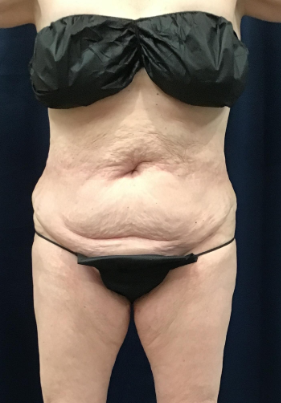
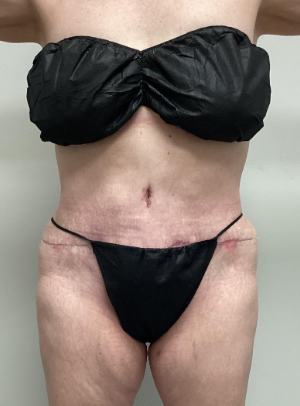
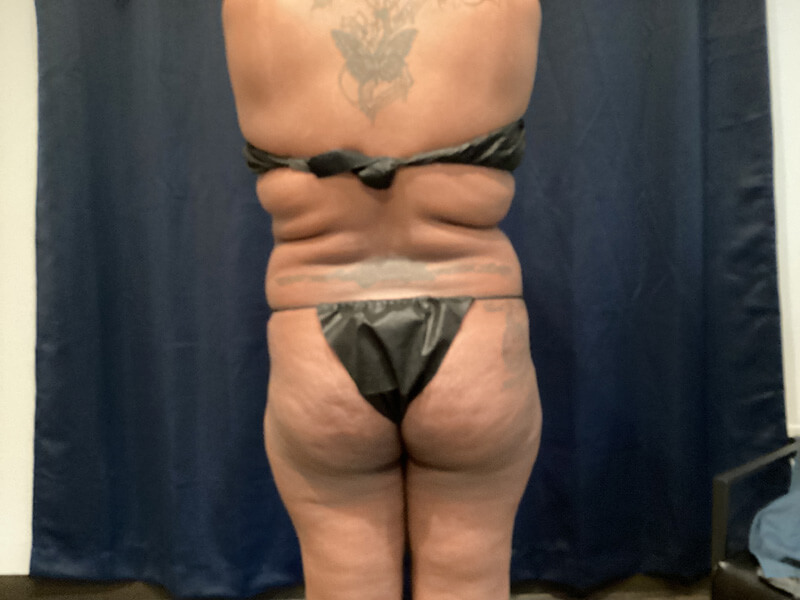
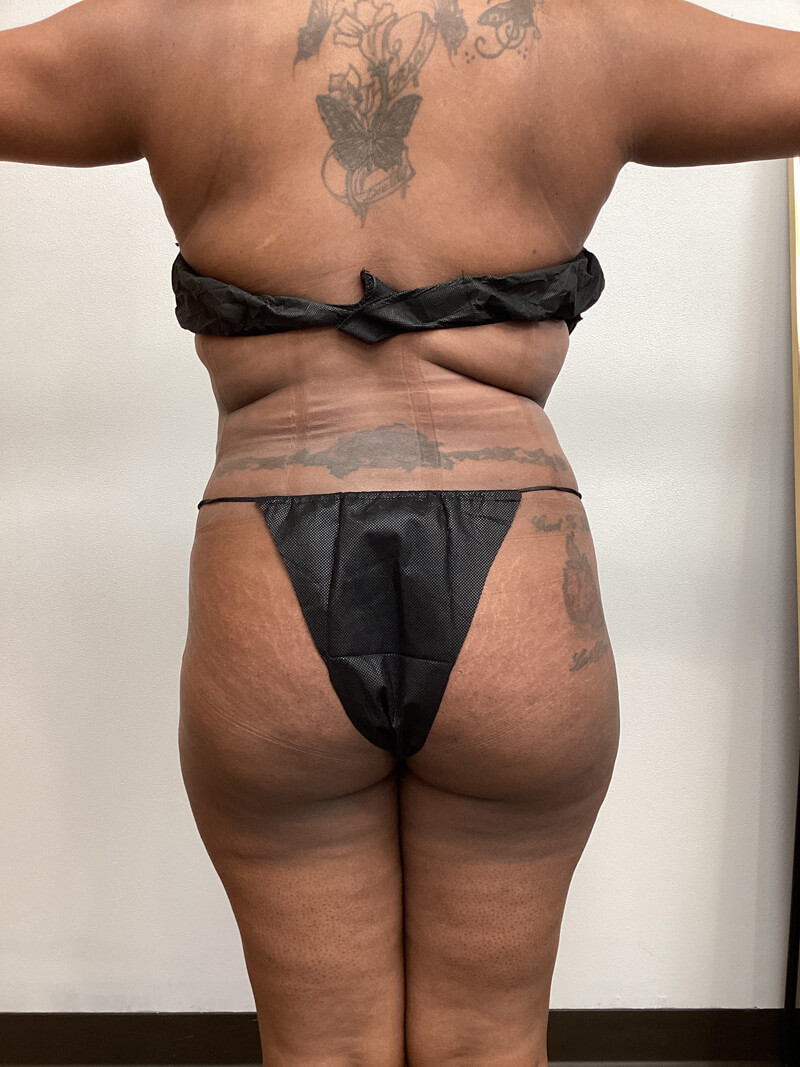
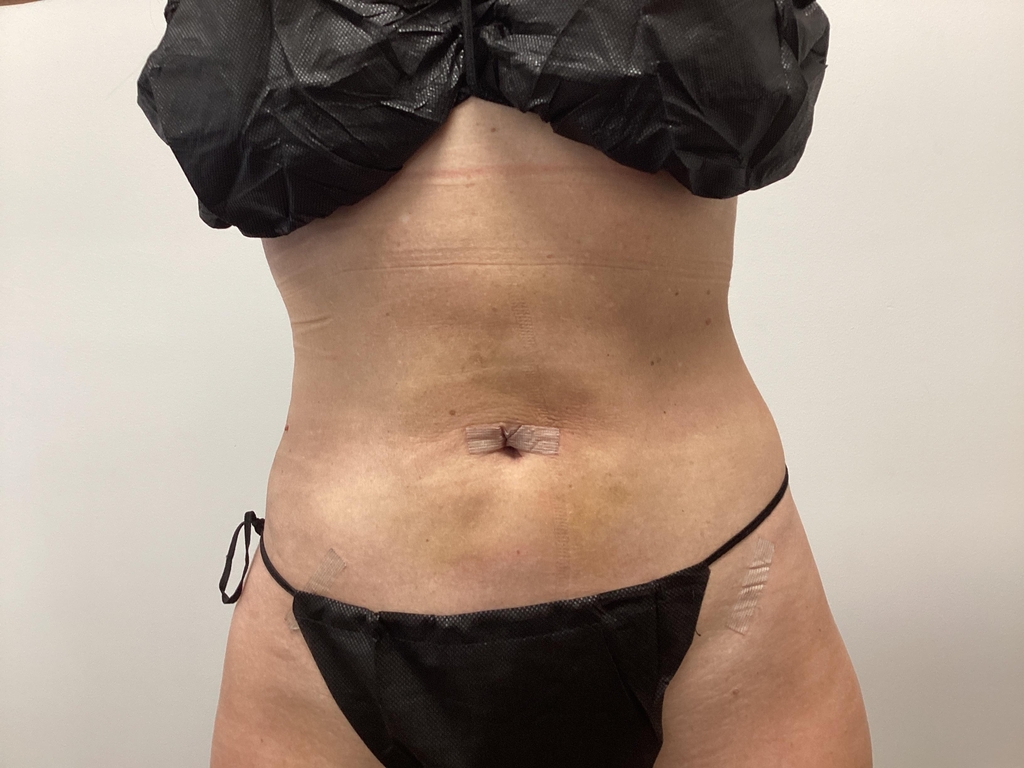
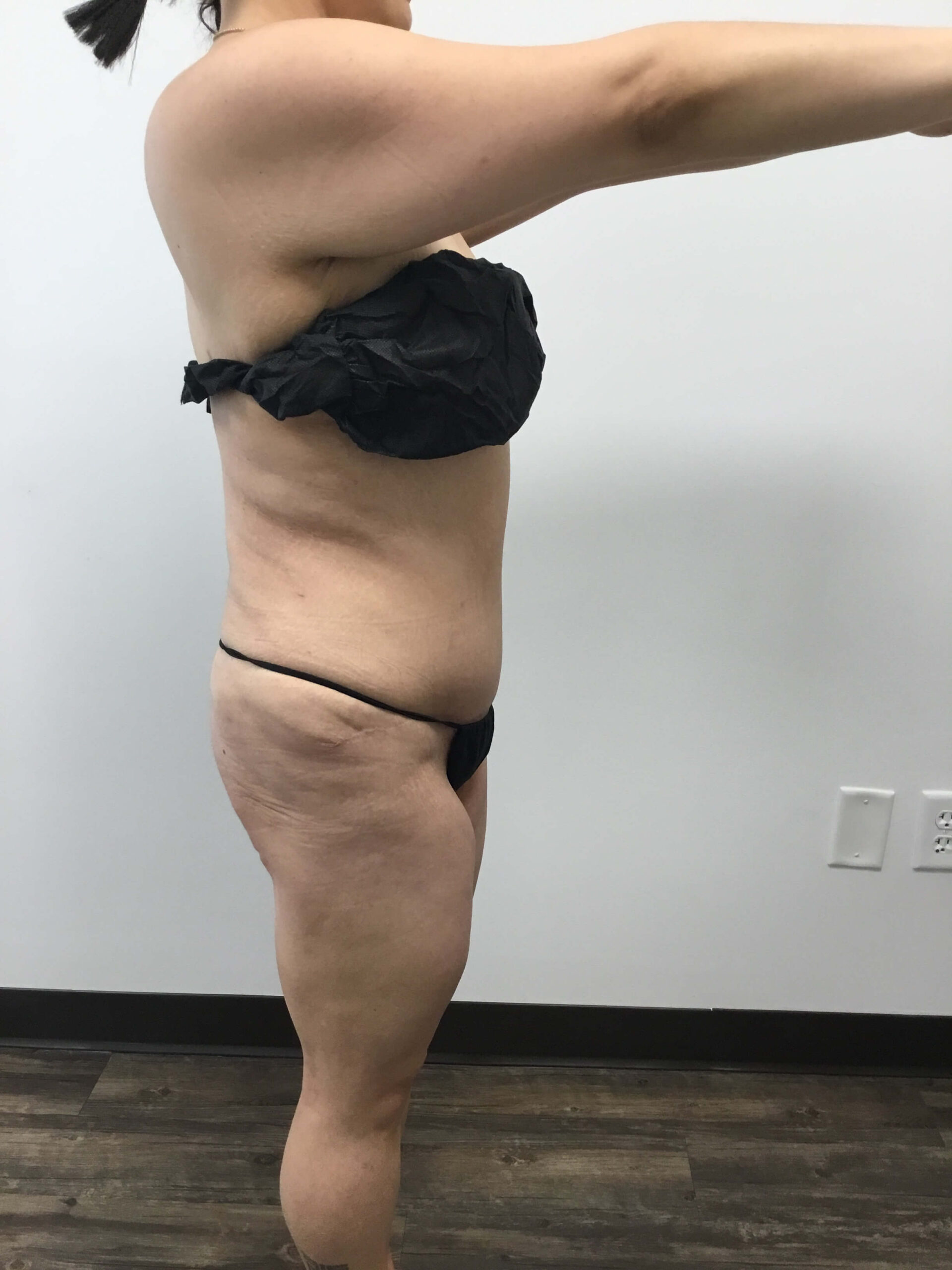
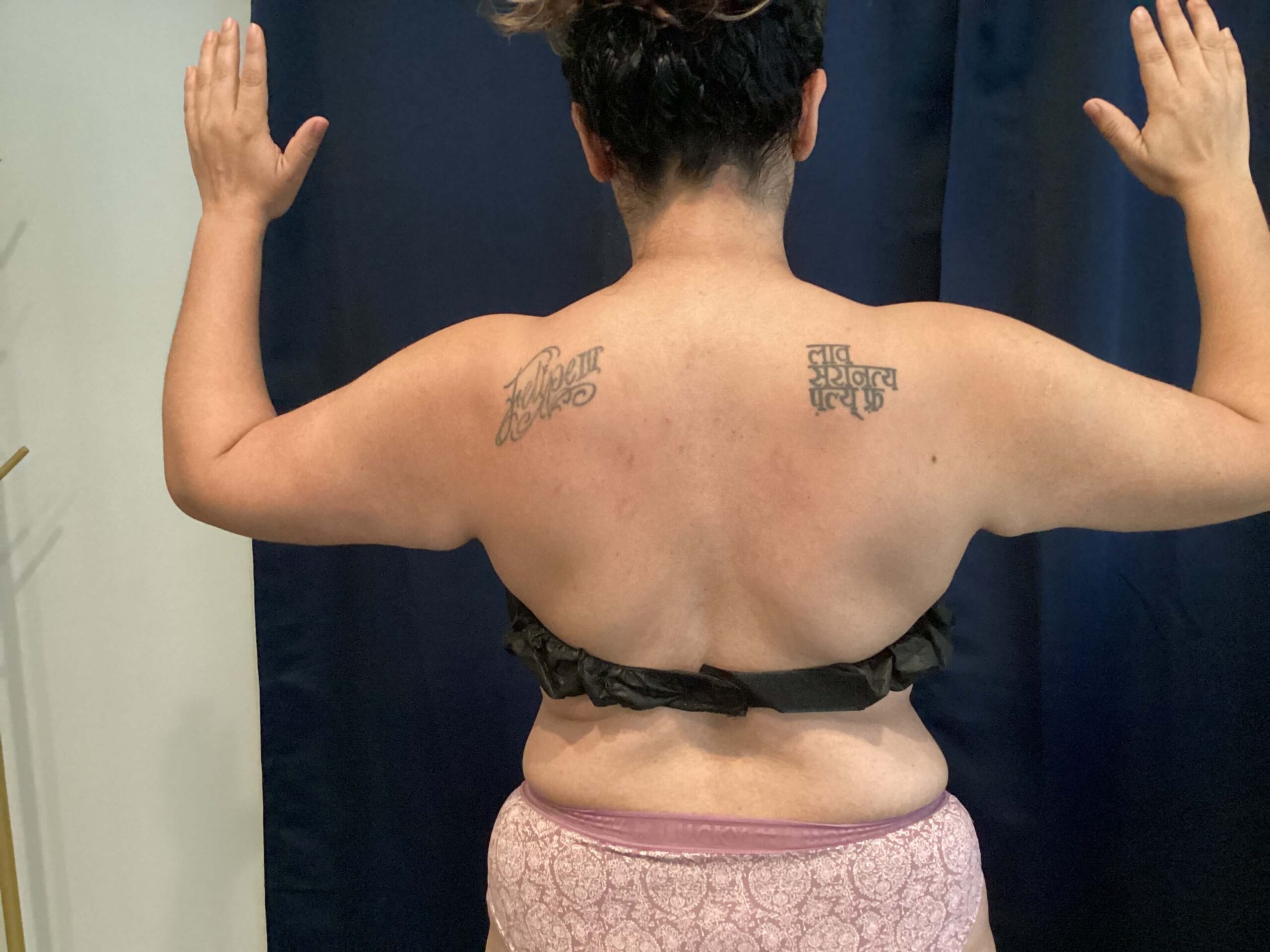
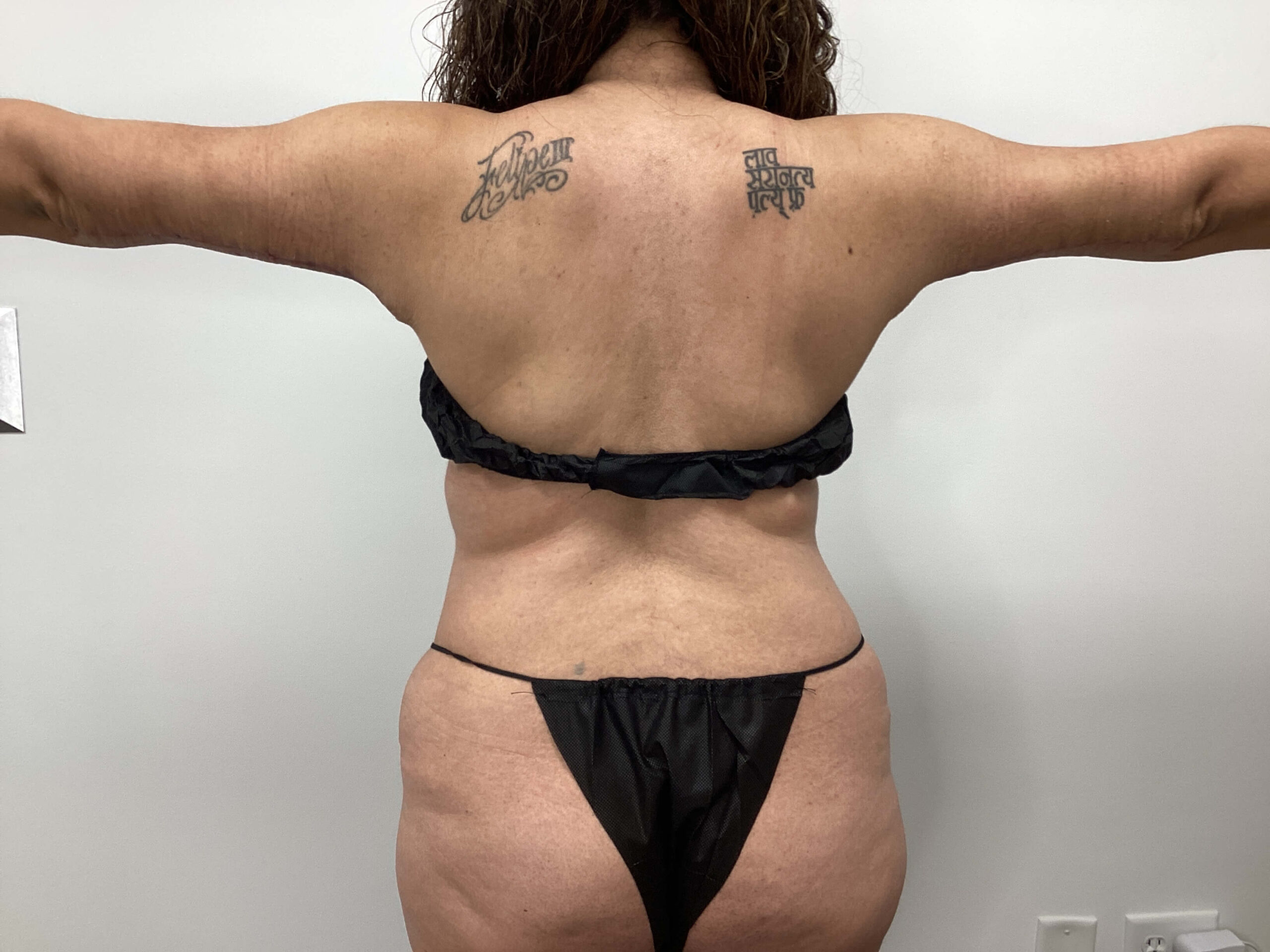
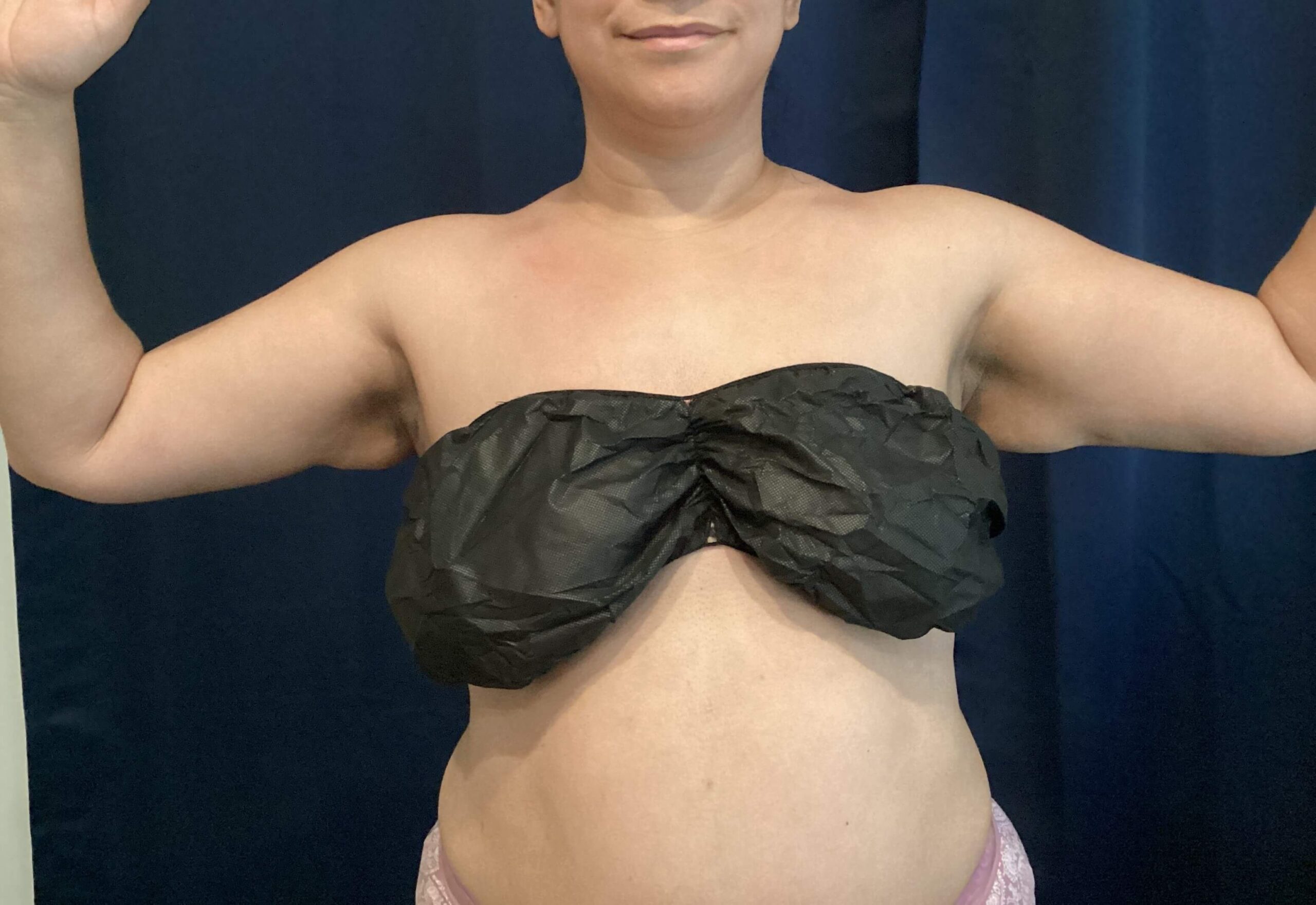
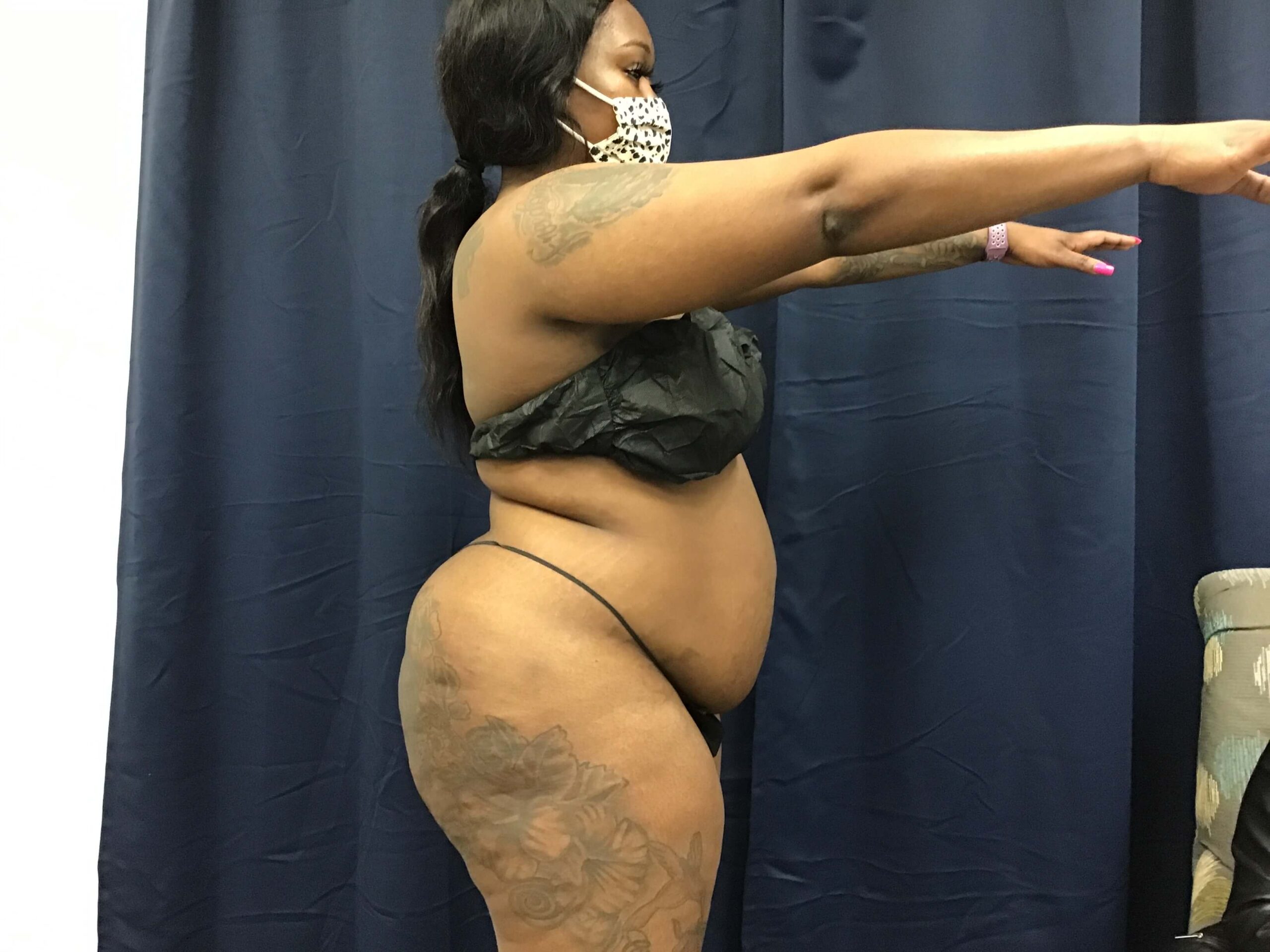
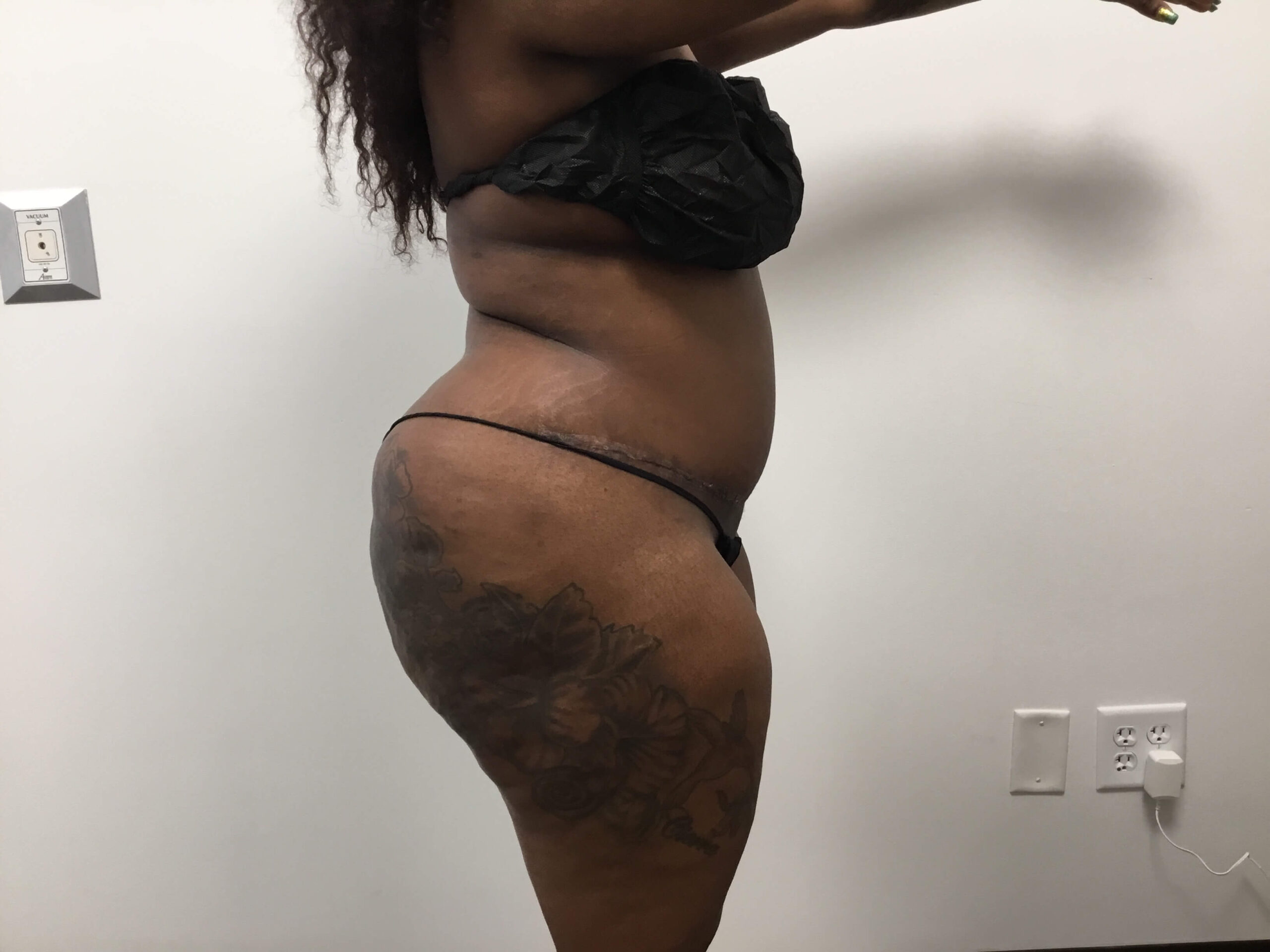
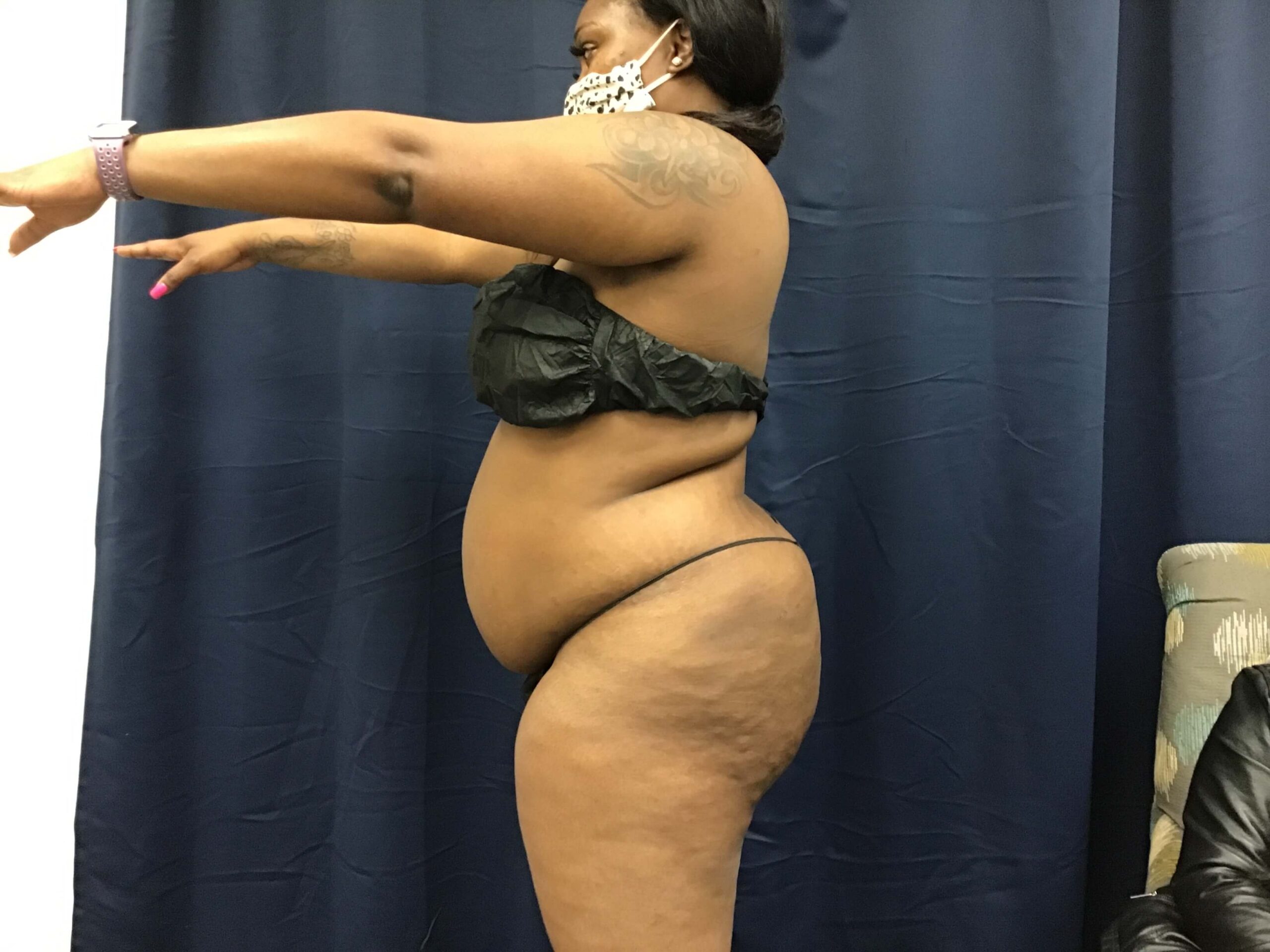
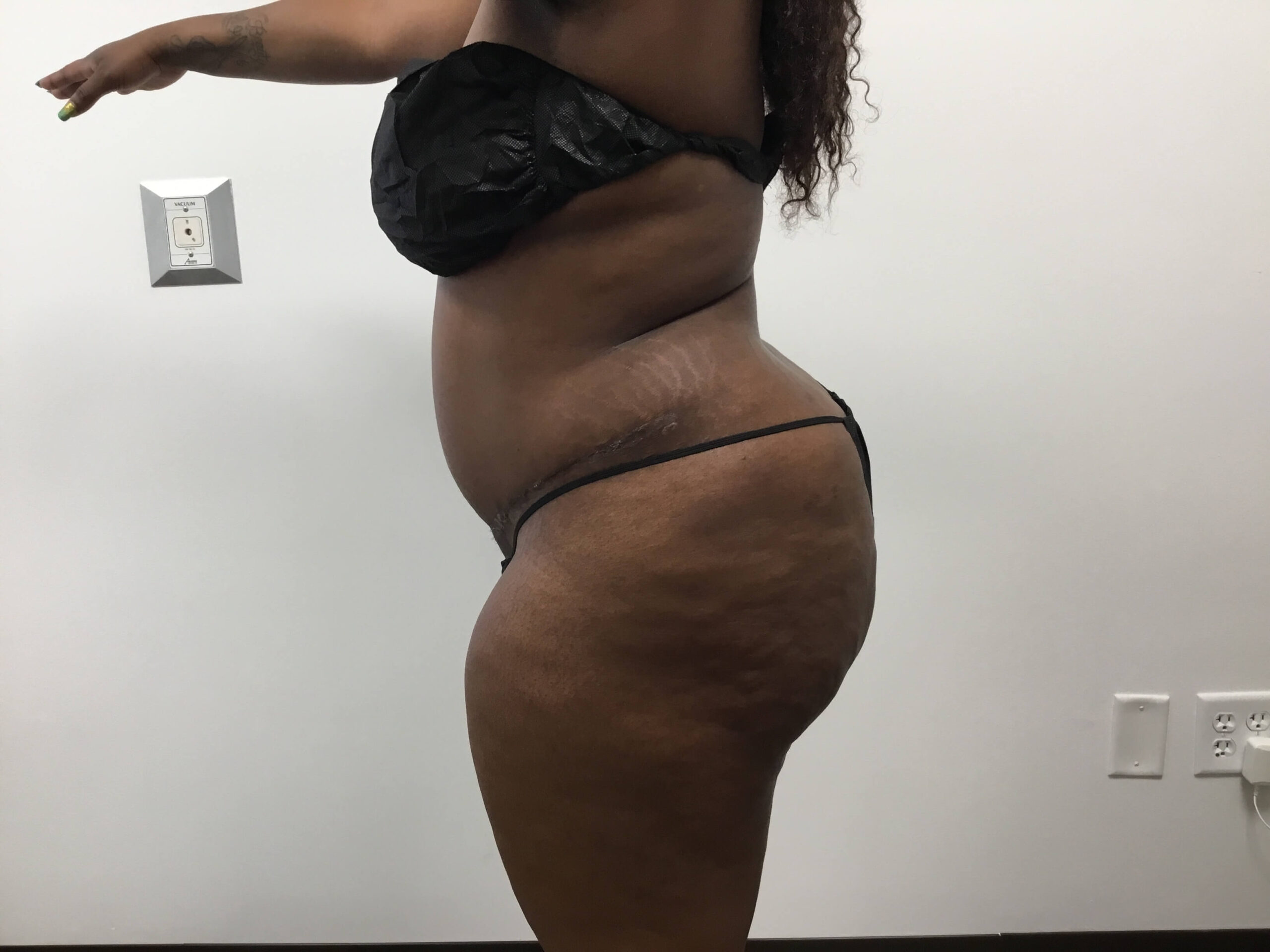
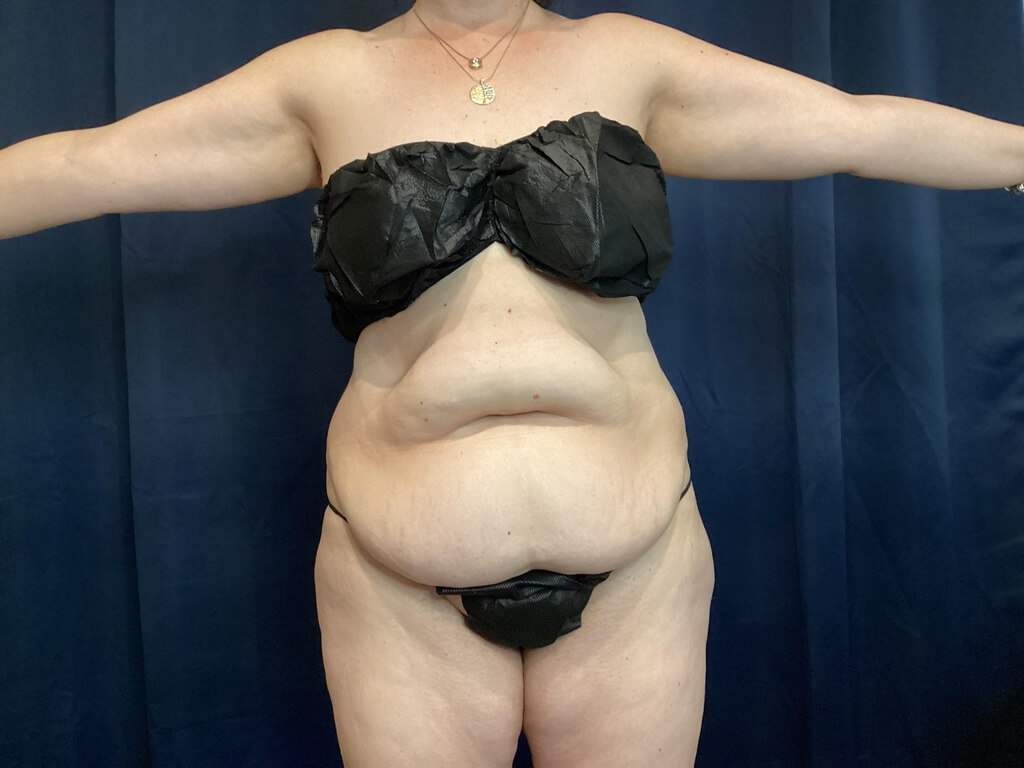
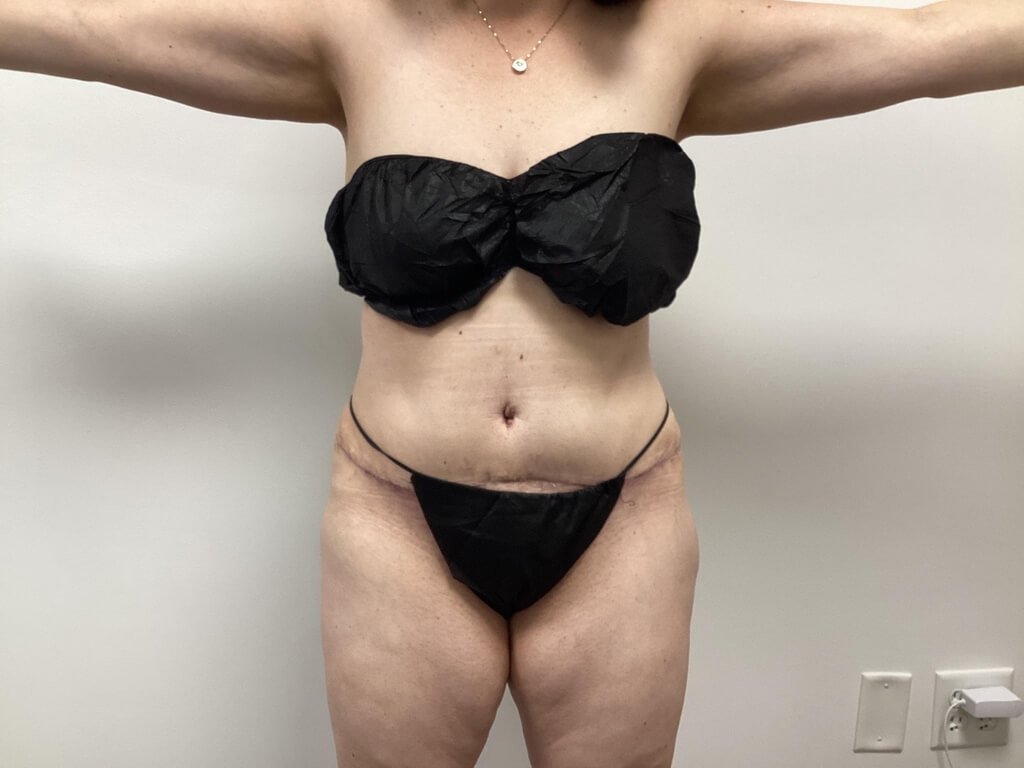
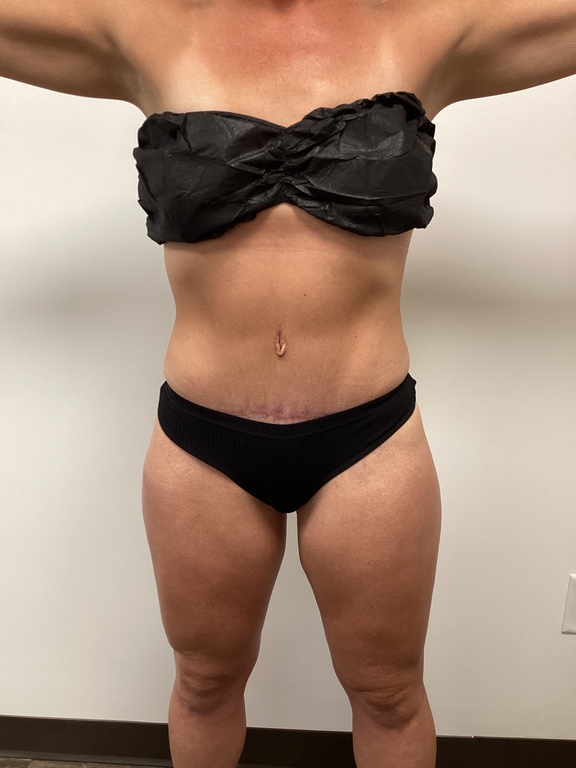
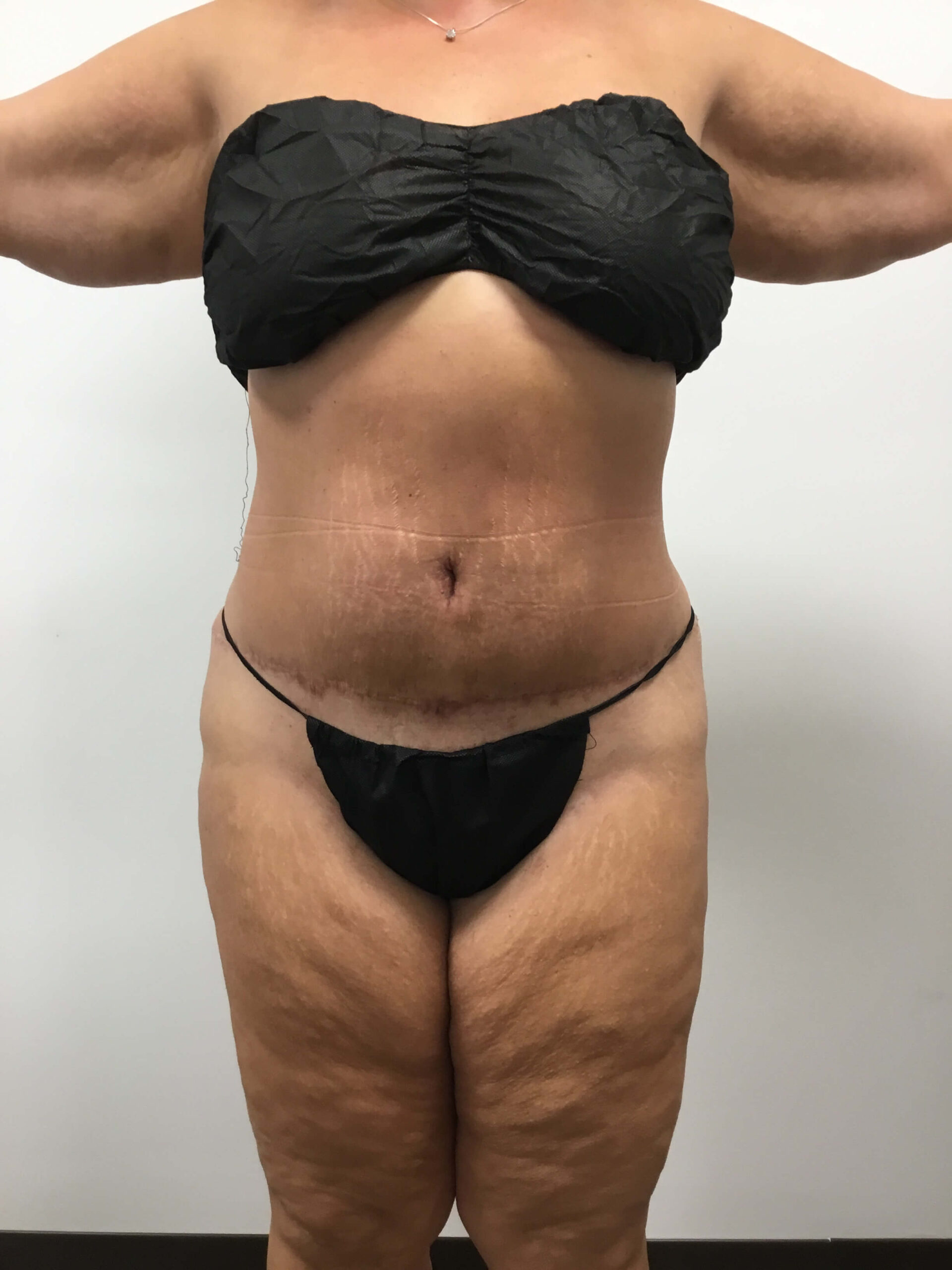
The clinical case for awake body contouring under tumescent local anesthesia is not theoretical at Zelko Aesthetics. It is documented across 17 years of practice and thousands of procedures - including the most complex in-office body contouring performed anywhere.
800+Awake Tummy TucksNo general anesthesia · Ever
0.125%Infection Ratevs roughly 1% published for abdominoplasty (Winocour, 2015)
0–2Pain Score During ProceduresDocumented across all procedure types
FAQs
What Guests Ask About Staying Awake
What if I'm too anxious to stay awake during surgery?
This is the most common concern - and the most consistently resolved one. Oral anti-anxiety medication is available and may be prescribed for the procedure day if needed. The spa environment - music selection, aromatherapy, foot massage, continuous comfort monitoring - is specifically designed to maintain a calm state throughout. The guests who are most anxious about being awake are consistently the ones who are most surprised by how comfortable the experience actually is. The fear of being awake during surgery is almost universally larger than the reality.
Will I feel the procedure if I'm only given local anesthesia?
The tumescent local anesthesia numbs the treatment area completely before any instrument is introduced. The TickleLipo cannula's infrasonic vibration adds a vibrational gating effect that further interferes with pain signal transmission. The result across hundreds of documented procedures is a consistent pain score of 0 to 2 out of 10. You will feel pressure, movement, and vibration - but not pain. The distinction matters: you are aware of what is happening, but what is happening does not hurt. That awareness is a feature, not a limitation.
Why do most surgeons still use general anesthesia for tummy tucks?
Several reasons. The tumescent local anesthesia protocol that allows complex in-office body contouring requires specific training, careful dosing by body weight, and years of procedural experience to master. Most residency programs, including plastic surgery residencies, do not teach this approach. Surgeons default to general anesthesia because it is what they were trained in and what the hospital infrastructure supports. The in-office awake approach requires a specific clinical environment, a specific anesthesia protocol, and the volume of experience to perform it safely and comfortably. Dr. Zelko has built that environment and accumulated that volume over 17 years. It is not a technique that can be adopted quickly.
Two hours is a long time. How am I supposed to stay relaxed for all of it?
You are not being asked to relax through willpower, and it would not work if you were. The relaxation is engineered into the environment rather than expected from you. Predictability handles most of it: you are told what is coming before it comes, so nothing arrives as a shock. Control handles the rest: you can pause at any point, for any reason, without explaining yourself. On top of that sits the sensory layer: your music, warmth, dimmed lighting, touch, and continuous conversation. Most guests describe the middle of the procedure as boring rather than frightening, which is exactly the goal. Boring is the physiological target.
Does staying awake actually lower my cortisol, or is that marketing?
Partly established, partly reasonable inference, and it is worth separating the two. Established: local and regional anesthetic blockade attenuates the surgical stress response more effectively than general anesthesia alone, because it interrupts the injury signal at the tissue rather than only removing your awareness of it. Also established: sustained cortisol elevation impairs collagen synthesis, immune function and glucose control, and psychological stress measurably slows wound healing in controlled human studies. Inference: that these mechanisms together explain the recovery pattern we see in our guests. We do not draw cortisol levels here and we will not quote numbers we have not measured. The mechanism is solid. The direct measurement in this specific setting has not been done, by us or by anyone.
Is the spa environment a clinical protocol or a luxury add-on?
A protocol. Each element maps to a specific part of the stress response. Being able to stop the procedure addresses controllability, which is the single largest amplifier of a cortisol response in the research. Narration addresses unpredictability, which is a separate amplifier. Guest-selected music has randomized trial support for reduced anxiety, pain and analgesic use. Warm blankets maintain normothermia, which is independently linked to lower surgical site infection rates. Touch raises parasympathetic tone. Conversation and human presence buffer the cortisol response. We would offer all of it anyway because it is how guests deserve to be treated. But it earns its place clinically, not just hospitably.
What if I still want to be put to sleep for it?
Then this is probably not the right practice for you, and that is a real answer rather than a polite deflection. We do not offer general anesthesia, and we are not going to talk anyone into a procedure they are not settled about. A guest who spends the whole case wishing she were asleep is working against everything described on this page. What we would ask is that you have a conversation first, because the fear is usually about a version of awake surgery that does not resemble what actually happens here. If after that conversation you still want to be unconscious, there are excellent surgeons who will do that for you, and we will say so plainly.
Sources
References8
Each claim above is numbered to the source it rests on. Links go to the PubMed record or the source text.
- Prete A, Yan Q, Al-Tarrah K, et al. The cortisol stress response induced by surgery: a systematic review and meta-analysis. Clin Endocrinol (Oxf). 2018;89(5):554-567 PubMed
- Cusack B, Buggy DJ. Anaesthesia, analgesia, and the surgical stress response. BJA Educ. 2020;20(9):321-328 PubMed
- Bain CR, Myles PS, Corcoran T, Dieleman JM. Postoperative systemic inflammatory dysregulation and corticosteroids: a narrative review. Anaesthesia. 2023;78(3):356-370 PubMed
- Reysner T, Wieczorowska-Tobis K, Kowalski G, et al. The influence of regional anesthesia on the systemic stress response. Reports. 2024;7(4):89. doi:10.3390/reports7040089 PubMed
- Kaur J, Gandhi J, Sharma S. Physiology, Cortisol. In: StatPearls. Treasure Island (FL): StatPearls Publishing; 2025 NCBI Bookshelf
- Kiecolt-Glaser JK, Marucha PT, Malarkey WB, Mercado AM, Glaser R. Slowing of wound healing by psychological stress. Lancet. 1995;346(8984):1194-1196 (healing 24% slower) PubMed
- Marucha PT, Kiecolt-Glaser JK, Favagehi M. Mucosal wound healing is impaired by examination stress. Psychosom Med. 1998;60(3):362-365 (40% slower) PubMed
- Kiecolt-Glaser JK, Loving TJ, Stowell JR, et al. Hostile marital interactions, proinflammatory cytokine production, and wound healing. Arch Gen Psychiatry. 2005;62(12):1377-1384 (healing at 60% of the rate) PubMed